2027 Online Kinesiology Degrees for Rehabilitation Aide Roles

Co-Founder and Chief Data Scientist
Rehabilitation aides seeking advancement face a critical bottleneck: gaining relevant credentials without pausing income or relocating. Traditional programs often demand full-time campus attendance, a commitment incompatible with many working adults managing family or caregiving duties. According to the National Center for Education Statistics, over 40% of postsecondary enrollees in 2024 balance studies with employment, underscoring the growing need for flexible, accessible options.
Online kinesiology degrees tailored for rehabilitation aide roles respond to this shift by enabling asynchronous learning and practical skill integration. This article evaluates these programs' structure, admission flexibility, and career impact to guide decisions aligned with real-world constraints and workforce demands.
Key Things You Should Know
- Completion rates for online kinesiology degree programs average 58% nationally per the National Student Clearinghouse, signaling significant attrition risks that may delay entry into rehabilitation aide roles and increase total educational costs.
- Employers in physical therapy and rehabilitation sectors prioritize candidates with verified clinical practicum experience, which online programs often struggle to guarantee, limiting graduates' immediate job placement prospects despite academic credentials.
- Median online program tuition for kinesiology-related degrees rose 7.4% between 2023 and 2025 (College Board), challenging cost-sensitive students balancing accelerated timelines with credential affordability amid stagnant aide role wages.
What is an online kinesiology degree and how does it prepare you for rehabilitation aide roles?
Online kinesiology degree programs in the US for rehabilitation aides provide targeted scientific training in human movement and applied biomechanics essential for roles supporting physical therapists. Students gain practical skills in motor learning and therapeutic exercise principles, enabling accurate execution of rehab interventions like therapeutic exercise demonstrations in outpatient settings. This direct alignment with clinical tasks reduces onboarding time and improves patient care efficiency.
The structure of an online kinesiology degree prepares you for rehabilitation aide careers by integrating flexible learning with mandatory supervised lab hours and clinical placements, critical for licensure and employment. These programs often use virtual simulations to supplement skill modules, addressing common barriers for working adults balancing jobs or career transitions.
Industry demand supports this pathway: projected employment growth of 16% for physical therapist assistants and aides through 2034 necessitates proficiency in ergonomic assessments and patient communication. Employers expect accreditation-backed credentials combining theoretical knowledge with hands-on experience to minimize training overhead. Prospective students should carefully assess programs for sufficient in-person practical components to comply with state standards.
For those comparing options, comprehensive information on similar online degrees is available through resources like the exercise science degree online listings, which offer useful benchmarks in curriculum and delivery methods.
Which types of kinesiology degrees are best for becoming a rehabilitation aide?
Degrees that prioritize applied health sciences and clinical skills clearly outperform purely theoretical kinesiology programs when preparing rehabilitation aides. For example, an associate or bachelor's degree in exercise science with a rehabilitation or physical therapy assistant focus offers hands-on experience directly aligned with job functions, including patient care, therapeutic techniques, and anatomy. In contrast, more abstract kinesiology tracks-such as biomechanics-may require added certifications and are better suited for research or non-clinical roles.
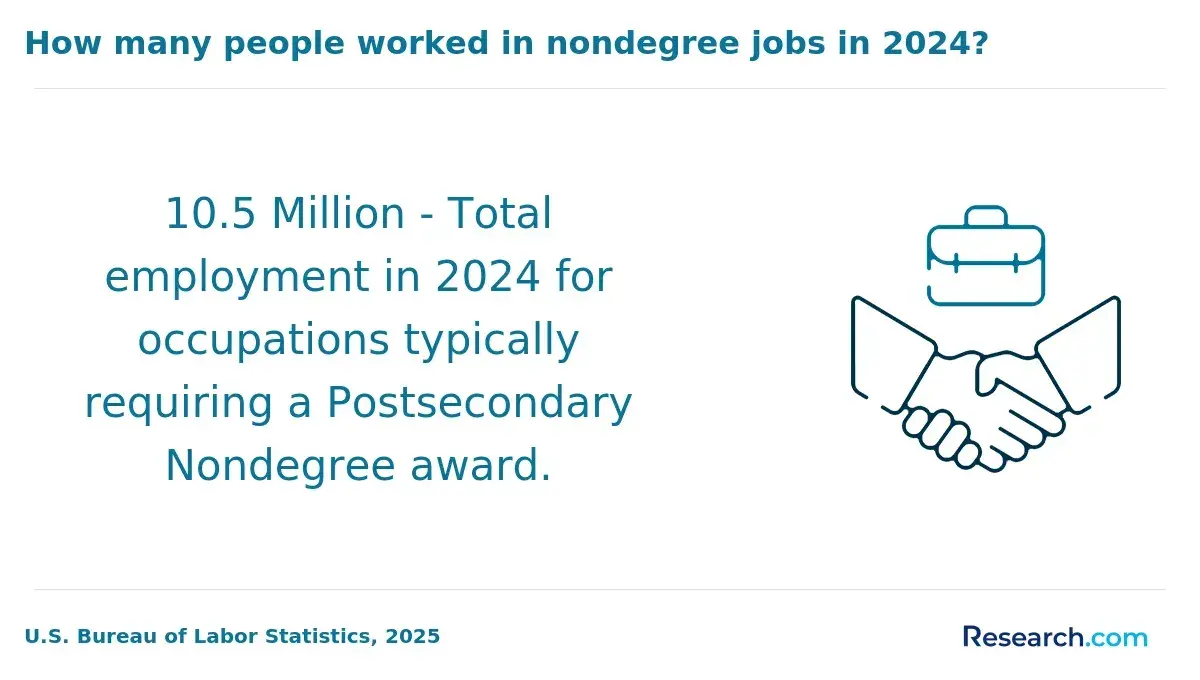
The U.S. Bureau of Labor Statistics projects roughly 26,400 annual openings for physical therapist assistants and aides from 2024 to 2034, reflecting steady demand but also prompting employers to favor candidates with supervised clinical practicum experience. Graduates of programs that incorporate state-recognized certification preparation often find expedited hiring due to meeting licensure requirements and practical job expectations.
Working professionals exploring online kinesiology degree programs for rehabilitation aides should assess the balance between course load, clinical hours, and licensing timelines. Those also considering kinesiology certification online can compare certificate pathways alongside degree options to identify the most efficient route toward their career goals. Programs with flexible clinical placements and robust career support reduce friction during the transition to healthcare settings. These operational details matter particularly when quick workforce entry is key.
For those seeking best kinesiology degrees for rehabilitation aide careers, practical rehabilitation training integrated with kinesiology principles maximizes employability. Additionally, those considering broader healthcare roles might explore complementary credentials; for instance, online Psych NP programs offer alternative advanced pathways in patient-centered healthcare.
How do online kinesiology programs compare with on-campus options for rehab aide training?
The principal challenge in online kinesiology degree programs for rehab aide training lies in replicating the supervised clinical experience that employers consider essential. While these online offerings may match on-campus courses in anatomy, physiology, and rehabilitation theory, the absence of consistent hands-on practicum diminishes graduates' preparedness for real-world patient care. A candidate completing a fully online pathway without integrated clinical placements frequently faces obstacles securing hospital aide positions, where onsite evaluation remains standard hiring practice.
Employers prioritize demonstrated competencies in patient handling and equipment use, making hybrid kinesiology courses that blend online instruction with guaranteed in-person labs or externships distinctly advantageous. This approach bridges gaps often present in purely virtual settings, aligning better with workforce expectations and improving employability.
Online program structures appeal through cost savings and flexible scheduling, especially for working adults or those in remote areas needing career transitions. However, students must independently arrange local clinical sites, a logistical complexity absent in traditional campus-adjacent programs, which can delay credentialing and entry into the field.
Salary disparities reinforce the practical value of clinical experience: the U.S. Bureau of Labor Statistics reports the median annual wage for physical therapist aides at $34,520 versus $65,510 for physical therapist assistants who receive more extensive training. Candidates looking beyond entry-level roles benefit from prioritizing programs optimizing clinical practicums, given the wage and duty differentiation.
For those weighing the advantages of on-campus versus online kinesiology courses for rehabilitation aides, prioritizing programs with structured supervised clinical components is critical to meeting employer standards and advancing within the rehabilitation support workforce. Professionals seeking to shift or elevate their careers might also consider options like an affordable online master's in healthcare administration to expand their administrative and leadership opportunities.
What accreditation and institutional approvals should online kinesiology programs have?
Regional accreditation and state-level institutional approval are non-negotiable for online kinesiology programs seeking legitimacy and functional value, particularly for students planning interstate licensure or roles in rehabilitation aide support. Without these, employers often reject credentials due to concerns over the reliability of clinical and academic preparation. For instance, a candidate aiming to assist licensed physical therapists in California must ensure their degree comes from a university both regionally accredited and approved by the state higher education board to qualify for legal registration.
Programmatic accreditation specifically for kinesiology or exercise science remains uncommon but can enhance employer recognition and credit transferability when available, often granted by agencies like the Commission on Accreditation of Allied Health Education Programs (CAAHEP). The practical consequence of this accreditation landscape shapes hiring decisions and compliance with state certification regulations across rehabilitation settings.
Financial considerations further complicate decisions: online bachelor's kinesiology programs average $10,467 annually, about $2,247 less than on-campus options per National Center for Education Statistics 2024 data. However, cost savings must be balanced against potential risks of enrolling in programs lacking proper accreditation or institutional approvals-issues that can lead to costly credentialing delays or retraining.
Prospective students evaluating online kinesiology program accreditation in the US should prioritize recognized institutional approvals for kinesiology degrees and weigh the operational implications carefully. For related health sciences, there is also merit in exploring accelerated nursing programs as alternative pathways with clearer accreditation pathways and workforce demand.
What courses and skills are typically included in online kinesiology curricula for rehab aides?
Online kinesiology training for rehabilitation aides emphasizes core anatomical and biomechanical knowledge critical for patient support roles. These programs blend foundational theory-musculoskeletal frameworks, basic therapeutic exercises, injury assessment-with applied skills like patient handling and clinical documentation, reflecting employer expectations for functional workplace proficiency.
Students must navigate limitations inherent in remote formats, notably the lack of hands-on practice critical for immediate job readiness. Many online curricula integrate case studies and simulated scenarios, but supplemental in-person experience is often necessary to meet real-world clinical standards.
Effective aides adapt exercise protocols for diverse populations, including elderly or post-surgical patients, requiring familiarity with medical terminology, health informatics, and communication within interdisciplinary teams. This cross-disciplinary integration enables aides to support evidence-based decisions, interpreting data from movement analysis tools or wearable tech increasingly adopted in clinical environments.
Employers value aides who can monitor progress, identify contraindications, and collaborate with licensed therapists to modulate rehabilitation plans, underscoring the practical skills gap some online programs may leave unaddressed without additional training.
The workforce outlook for kinesiology-related roles-athletic trainers, exercise physiologists, occupational and physical therapists-shows growth between 7-14% over the next decade (U.S. Bureau of Labor Statistics), making foundational rehabilitation training a strategic entry point for roles demanding a combination of clinical comprehension and technical adaptability.
What are the typical admission requirements for online kinesiology degrees in this field?
Admission to online kinesiology degree programs for rehabilitation aide roles balances academic preparation with practical workforce expectations, often requiring completion of prerequisite courses like biology, anatomy, and physiology. A minimum GPA around 2.5 to 3.0 is common, signaling baseline readiness for health science rigor. Unlike traditional programs, many online pathways now waive standardized testing requirements in line with test-optional trends, but still emphasize letters of recommendation that attest to relevant analytical or clinical experience.
Applicants should anticipate submitting official transcripts and possibly a statement of purpose demonstrating understanding of rehabilitation environments. Such essays help programs assess candidates' realistic awareness of industry demands rather than just academic intent. Reliable internet access and self-directed time management are implicit prerequisites for successful online study, though typically evaluated indirectly.
Programs vary on clinical experience integration; some require local internships or hybrid models to ensure hands-on skills. This can influence geographic feasibility for students and affect their alignment with employer expectations emphasizing both theoretical knowledge and practical proficiency. Given projected employment growth of roughly 9.5% in allied health roles like exercise physiologists through 2034, kinesiology curricula increasingly reflect market-driven competencies.
How long do online kinesiology programs take and what do they cost for future rehab aides?
Opting for an online kinesiology degree to become a rehabilitation aide involves critical tradeoffs between time, cost, and practical experience that directly affect workforce readiness. Traditional bachelor's programs run 3 to 4 years and include essential coursework in anatomy, biomechanics, and therapeutic techniques, typically paired with clinical internships valued by employers. Accelerated tracks can shorten this to around 2.5 years but often sacrifice internship opportunities, which are pivotal for gaining hands-on skills and employer preference.
Community colleges offer associate degrees or certifications requiring 1 to 2 years with lower costs ($5,000-$15,000), providing quicker access to entry-level roles but limiting long-term salary growth and advancement potential. Bachelor's degree graduates in kinesiology typically earn a median annual salary near $42,934 at entry-level, influenced by additional certifications such as CPR and practical experience.
Students must assess:
- Whether accelerated completion aligns with their ability to forgo clinical practicum benefits.
- The expected return on investment in terms of time and money versus incremental employability advantages.
- How foundational knowledge in human anatomy and therapeutic exercise covered in longer programs impacts job competitiveness.
Ultimately, the decision hinges on balancing upfront commitment with the quality and credibility of practical skills acquired, as rehabilitation employers prioritize demonstrated competencies over credentials alone.
Do rehabilitation aides need licenses or certifications, and how can an online kinesiology degree help?
Certification and licensure landscapes heavily influence the practical value of an online kinesiology degree for rehabilitation aides. While aides rarely require licenses, earning credentials like CPR or the Certified Rehabilitation Therapy Aide (CRTA) credential directly impacts job eligibility, particularly in states or facilities with strict compliance rules. An online kinesiology program provides essential grounding in anatomy, human movement, and rehabilitation principles, which can distinguish candidates beyond standard certifications by enhancing technical understanding and hands-on competence.
Cost considerations are significant; tuition rates differ by residency, with $200-$400 per credit hour variation, which accumulates over the program's duration. This disparity requires candidates to weigh financial investment against local employer demands, as areas with tougher credentialing often reward degree-plus-certification combinations with better placement prospects versus certification alone.
For example, aides in outpatient orthopedic settings benefit from kinesiology courses tailored to musculoskeletal injury, supporting proactive patient care beyond typical aide responsibilities. Conversely, long-term care aides might prioritize certifications instead due to different job duties.
Effective advancement strategies include early acquisition of basic emergency certifications and selecting kinesiology programs that offer elective flexibility aligned with regional licensing requirements. Engaging in clinical practicum opportunities further enhances employability by translating theoretical knowledge into applicable skills while mitigating geographic cost disparities.
What are the job duties, work settings, and advancement paths for rehabilitation aides?
Rehabilitation aides with online kinesiology degrees occupy varied roles that differ dramatically depending on the care setting. In outpatient clinics, aides primarily assist patients directly with mobility exercises, whereas in nursing homes, their tasks often involve daily care such as positioning and ambulation. Hospitals impose additional demands, including coordinating urgent patient transfers and adhering to post-operative care protocols. This variability necessitates flexibility and nuanced understanding of clinical environments.
Work environments range widely-from acute care hospitals and specialized neurological or orthopedic rehab units to home health agencies-each setting influencing the aide's responsibilities, workflow, and compliance requirements. For example, federal healthcare facilities impose stricter documentation standards than private clinics, affecting both pace and workload.
Advancement for those holding kinesiology degrees hinges on combining clinical experience with additional credentials, such as licensure exams or certifications. While entry-level aides often receive on-the-job training, degree holders who pursue roles like physical therapy assistants face balancing full-time employment with clinical education demands. Employers prioritize aides with kinesiology foundations as they require less onboarding but expect proficiency in human movement principles from day one.
What is the salary range and job outlook for rehabilitation aides with kinesiology training?
Starting salaries for rehabilitation aides with kinesiology training typically range between $30,000 and $40,000 annually, reflecting entry-level roles predominantly in outpatient and clinical settings. This pay scale often caps without additional certifications or education, creating a tangible wage ceiling for aides. In contrast, individuals advancing as exercise physiologists, a category that overlaps with kinesiologists, earn a median salary around $58,160 according to U.S. Bureau of Labor Statistics data, demonstrating the financial impact of further specialization.
The job market favors aides who possess foundational kinesiology knowledge that directly improves their effectiveness in assisting licensed therapists. However, geographic and institutional context heavily influences career trajectory. For instance, rehabilitation aides in urban medical centers frequently transition to roles involving patient mobility assessments or exercise prescription, which enhance job security and earning potential. Meanwhile, those in rural or smaller clinics often encounter limited advancement opportunities and flatter wage curves.
Individuals aiming to surpass the entry-level plateau must carefully consider the investment in additional kinesiology-related training, prioritizing programs with clinical practicum experiences tailored to rehabilitation environments and certifications recognized by state healthcare authorities. Maintaining awareness of employer expectations and evolving credentialing standards is essential to leveraging kinesiology skills for meaningful professional growth.
Other Things You Should Know About Kinesiology
Employers often value traditional degrees more for rehabilitation aide roles due to established access to lab work and in-person training, which online programs sometimes lack. However, reputable online programs with strong clinical affiliations and accredited curricula can be competitive. When selecting an online program, prioritize accreditation and documented clinical experience to offset potential employer biases.
Managing coursework with existing healthcare job demands can strain time and focus, especially when practical assignments or internships are required. Online programs vary in flexibility; some allow self-paced learning, while others have fixed schedules for synchronous sessions. Candidates should evaluate program structure to balance study and work commitments, favoring options that minimize conflict with clinical training hours.
Associate degrees typically require less time and cost but often limit advancement and salary potential; they may suffice for entry-level rehabilitation aide roles. Bachelor's degrees offer broader knowledge, stronger clinical opportunities, and better prospects for career growth or specialization. Candidates focused on long-term employment stability and upward mobility should prioritize bachelor's programs despite the higher investment required.
References
- Bachelor's in Kinesiology Program Online | Montreat College https://www.montreat.edu/online/kinesiology/
- How to become a Physical Therapy Assistant - Better Nurse https://betternurse.org/best-online-physical-therapy-assistant-programs/
- Kinesiology Online Master's: See & Compare Top Programs https://www.edumed.org/online-schools/kinesiology-degrees/masters/
- Online Physical Therapy Aide School | Self-Paced Course https://www.uscareerinstitute.edu/online-physical-therapy-aide-school
- Online Bachelor’s in Kinesiology and Exercise Science Programs https://teach.com/online-ed/healthcare-degrees/online-bachelors-kinesiology-exercise-science/
- What does an Outpatient Therapy Aide do? Career Overview, Roles, Jobs | ASRA https://jobs.asra.com/career/outpatient-therapy-aide
- Job Market Data https://www.careerstep.com/certify/patient-care/physical-therapy-aide/job-market-data/
- Best Online Kinesiology Degree Programs, Updated for 2026 https://www.kinesiologydegrees.org/programs/online
- Kinesiology Accreditation Process https://www.ccupeka.org/accreditation/kinesiology-accreditation-process/
- Physical Therapy Job Outlook https://www.alliedtravelcareers.com/blog/physical-therapy-job-outlook/