2027 Environmental Science Degree Programs With Rolling Admissions

Co-Founder and Chief Data Scientist
A working adult considering a career shift into environmental science often faces barriers imposed by rigid admission timelines. Unlike traditional programs with fixed deadlines, rolling admissions allow applicants to apply throughout the year, aligning intake more closely with individual schedules and workforce demands. The National Center for Education Statistics notes a 27% increase in enrollment among adult learners in programs offering flexible admissions, reflecting growing preferences for adaptable education models.
In environmental science, where seasonal fieldwork and licensing timelines influence pacing, this flexibility can be crucial for timely credentialing and employment. This article reviews how rolling admissions affect access, timing, and program fit for prospective students navigating diverse circumstances.
Key Benefits of Environmental Science Degree Programs With Rolling Admissions
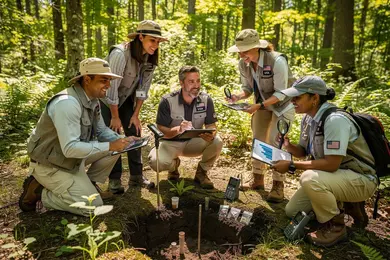
- Rolling admissions allow students to apply when research projects align with field seasons, optimizing hands-on learning but requiring careful academic planning to avoid gaps in practical experience.
- Employers value graduates who demonstrate adaptability, a trait fostered by rolling admissions that accommodate shifting workforce demands in environmental policy and remediation sectors.
- Extended application windows reduce timing pressures, potentially lowering costs by enabling part-time enrollment, though financial aid availability may be less predictable compared to fixed admission cycles.
How Do Environmental Science Degree Programs With Rolling Admissions Work?
Environmental science degree programs with rolling admissions offer a flexible application window that reshapes how prospective students engage with academic opportunities in this field. This admissions model aligns more closely with the unpredictable timing of environmental issues and workforce needs, but it also introduces specific operational challenges and strategic considerations for both institutions and applicants.
- Extended Entry Period: Rolling admissions allow candidates to submit applications continuously until all slots are filled, rather than adhering to fixed deadlines. This provides prospective students with greater temporal flexibility, which is especially useful in environmental science degree programs with rolling admissions process where field conditions or personal circumstances may delay planning.
- Workforce Responsiveness: Programs using rolling admissions can react to emerging environmental crises by admitting students quickly, helping to supply trained professionals when demand spikes due to regulatory changes or natural disasters.
- Academic Resource Strain: Continuous enrollment complicates scheduling for faculty and research projects, as cohort-based learning common in environmental science-which often depends on coordinated fieldwork-becomes fragmented. This may impact the consistency and depth of practical training students experience.
- Diversity and Access Tradeoffs: By removing high-pressure deadlines, rolling admissions often improve diversity and inclusivity. However, early applicants might gain advantages in course or funding availability, requiring programs to manage equity and preparedness carefully.
- Student Planning Complexity: Candidates must navigate rolling timelines with active foresight, balancing application timing against internship cycles, seasonal fieldwork, and funding deadlines. This impacts not just admission but also alignment with experiential learning critical in environmental science.
Environmental science programs offering rolling admissions thus introduce nuanced tradeoffs between flexibility and operational complexity. Students who leverage this flexibility effectively can tailor their entry to workforce trends and personal schedules, but must also carefully coordinate academic and financial planning to maximize outcomes. Those evaluating such programs should weigh these factors against their own readiness and the timing of practical opportunities relevant to environmental challenges and employer expectations.
For prospective students assessing these options, understanding how rolling admissions impact environmental science applications is crucial to making informed decisions that correspond to their career goals and the realities of the environmental sector. To explore related educational pathways with a focus on pragmatic benefits, consider resources like easy degrees that pay well.
What Are the Admission Requirements for Rolling Admissions Environmental Science Programs?
Rolling admissions in environmental science programs shift the emphasis from deadline-driven submissions to the ongoing completeness and quality of applications. This fluid process can advantage candidates who present strong, polished applications early, as seats fill unpredictably, but it also demands consistent attention to detail and readiness throughout the cycle.
Graduates' employability often hinges on demonstrated interdisciplinary competence rather than mere timing, meaning admissions committees prioritize evidence of practical skills and applied knowledge aligned with evolving workforce needs.
- GPA Requirement: Programs generally expect a solid cumulative GPA that reflects aptitude in core sciences like biology, chemistry, earth sciences, and math, signaling ability to engage with rigorous, multidisciplinary coursework.
- Transcripts: Official transcripts must document foundational science knowledge. Early submission can provide leverage in rolling cycles where academic readiness directly affects candidate competitiveness.
- Application Form: Complete information is essential, as programs review applications on a continual basis, and missing data can delay or nullify consideration.
- Letters of Recommendation: References should emphasize analytical skills, relevant field experience, and commitment to sustainability issues-attributes prioritized by both programs and employers in environmental sectors.
- Personal Statement: A well-crafted narrative articulating motivation and career goals assists evaluators in aligning applicants with program strengths and workforce demands, particularly in policy and conservation domains.
- English Proficiency: For non-native speakers, proof of adequate English skills is commonly required to ensure effective communication and collaboration in diverse professional environments.
When Should You Apply for Rolling Admissions Programs?
The rolling admissions model in environmental science programs shifts the timing calculus for applicants by removing rigid deadlines and instead reviewing applications as they arrive until capacity is met. This ongoing intake means early applicants generally encounter less competition, enhancing chances for acceptance and access to limited scholarships, which often award funds on a first-come, first-served basis.
Yet, submitting an incomplete or less competitive application too soon can be counterproductive, especially in a field where academic rigor and relevant experience weigh heavily. Candidates who invest extra time to enhance transcripts, refine test scores, or strengthen personal statements can benefit by applying mid-cycle, striking a balance between application quality and availability of seats.
This strategic timing acknowledges that programs dynamically adjust enrollment caps and funding allocations based on initial applicant volumes, influencing both admission probabilities and financial aid distribution. Waiting until later stages in the cycle introduces substantial risk beyond mere seat scarcity; applicants may find that specialized courses or on-campus resources have been allocated to earlier admittees, potentially delaying degree progress or limiting experiential learning opportunities critical in environmental science careers.
Late submissions also frequently do not qualify for targeted scholarships or merit awards, which can compound financial challenges and affect program completion decisions. For returning or working students juggling nontraditional schedules, aligning application timing with readiness is especially important to avoid disruption or mismatch between academic demands and professional obligations.
Thus, practical admission strategy in rolling systems combines realistic situational assessment with an understanding of how enrollment dynamics impact both short-term access and long-term workforce positioning.
Are Rolling Admissions Common in Online Programs?
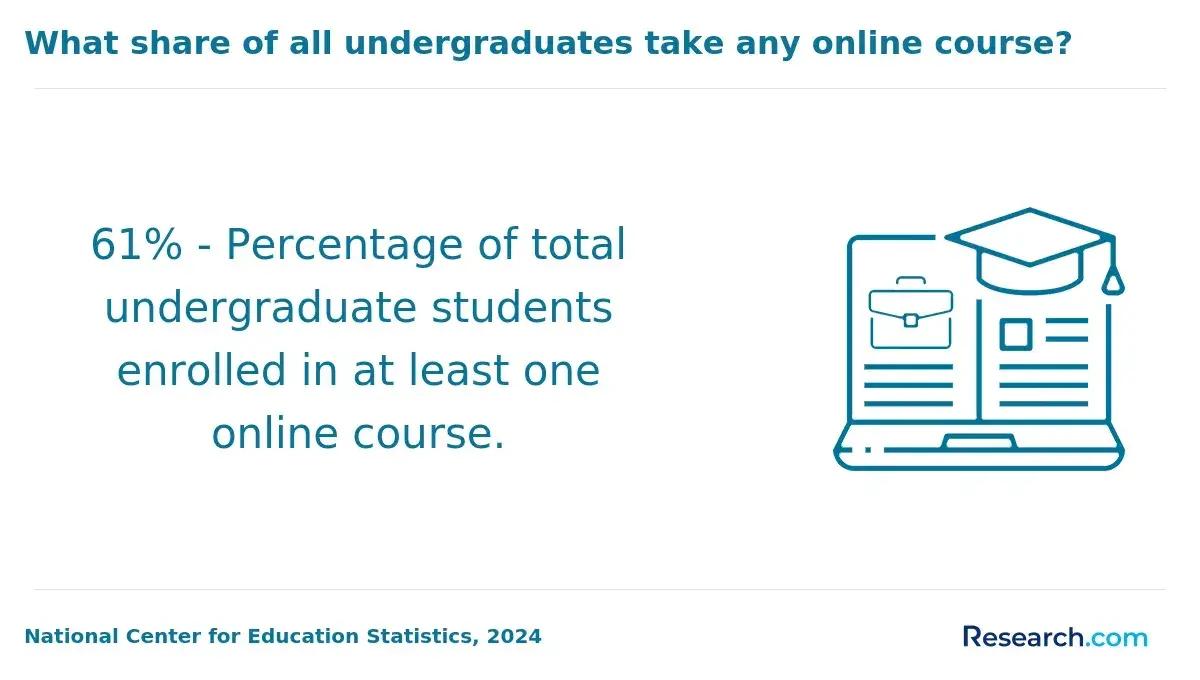
Rolling admissions are notably more prevalent in online environmental science degree programs than in traditional on-campus settings, primarily due to operational flexibility and student accessibility. Online formats often leverage rolling admissions to accommodate remote learners with complex schedules, enabling multiple start dates throughout the year. This structure helps institutions manage inconsistent enrollment demand and avoid bottlenecks seen in fixed academic cycles, thereby supporting scalability and continuous student intake.
However, not all online environmental science degree rolling admissions follow this model; some programs still adhere to conventional timelines to preserve cohort-based learning or to align with on-campus calendars, which can be crucial for fostering collaborative learning and retaining program coherence.
For students, the availability of rolling admissions can significantly reduce wait times between application and enrollment, offering faster integration into coursework and greater flexibility for balancing work or personal obligations. Yet this advantage may come with tradeoffs, as programs with open enrollment windows sometimes face heightened competition for limited seats, especially in high-demand cohorts.
Data indicates that about 60% of U.S. online bachelor's programs use some form of rolling admissions, compared to just 30% of traditional programs, reflecting the strategic alignment of virtual education with accessibility and operational efficiency. Prospective learners researching online environmental science degrees should weigh these factors and consider how rolling admissions policies intersect with workforce timing and admission competitiveness, distinguishing these programs from other fields such as engineering degrees.
Do Rolling Admissions Schools Have Higher Acceptance Rates?
Rolling admissions policies do not inherently lead to higher acceptance rates; rather, they represent a procedural approach where applications are reviewed continuously instead of after a set deadline. The assumption that rolling admissions equals easier acceptance overlooks how selectivity fundamentally depends on program capacity, applicant volume, and cohort limits.
An environmental science program with limited seats and significant demand maintains strict acceptance ratios regardless of its admissions timeline. The advantage some applicants perceive by applying earlier in a cycle stems from greater seat availability at that point, not from diminished academic standards.
Acceptance rates under rolling admissions vary widely because institutional priorities, program design, and admission criteria differ substantially within environmental science education. While earlier submissions may enjoy better odds due to open cohort spots, this dynamic reflects enrollment logistics rather than leniency in evaluation.
Programs with rigorous fieldwork and lab requirements typically maintain consistent standards across admission periods to ensure graduates meet workforce expectations. Understanding these nuances helps potential students align their application timing and program choices with both academic preparedness and long-term career outcomes, avoiding misconceptions based solely on the admissions model.
How Much Do Rolling Admissions Environmental Science Programs Cost?
Tuition costs in rolling admissions environmental science programs are shaped primarily by per-credit or per-term pricing models, which rarely vary because of the flexible enrollment schedule itself. Most programs charge between $300 and $700 per credit hour, reflecting differences in institutional type and delivery method, not admission timing. While rolling admissions allow students to begin studies at multiple points annually, this does not reduce sticker tuition but rather alters how and when tuition payments are allocated.
Additional expenses such as institutional, technology, and course material fees-ranging from $50 to over $200 per term-can significantly impact the overall cost, especially in hybrid or on-campus formats where lab fees may apply. This structure requires prospective students to anticipate these cumulative charges rather than focusing solely on per-credit tuition when comparing costs across programs offering rolling admissions environmental science program tuition.
Program design heavily influences the total cost experience beyond base tuition. For example, accelerated tracks with rolling admissions often charge a premium per credit but may reduce total expenses by shortening enrollment duration, directly affecting affordability and time-to-completion. Cohort-based or competency-focused models can change pacing, spreading tuition differently across terms and enabling working students to better manage education expenses throughout their careers.
This financial flexibility in timing rather than price aligns with workforce needs in environmental science fields, where balancing ongoing employment and study is common. For comparative insight into doctoral programs with flexible admissions timelines and tuition impacts, see online PhD organizational leadership. Such tradeoffs underscore the importance of evaluating rolling admissions not only by upfront tuition but through comprehensive cost comparison of rolling admissions environmental science degrees based on long-term educational investments and workforce outcomes.
Are Career Outcomes Different for Rolling Admissions Students?
Choosing a program with rolling admissions does not inherently influence career outcomes for environmental science graduates. Employment prospects and long-term professional growth depend far more on factors such as program quality, accreditation, and chosen specialization within environmental science than on when or how students are admitted.
A student focusing on environmental policy from an accredited institution with strong internship connections will generally have better job prospects than one admitted through a traditional cycle but lacking those advantages. Employers prioritize graduates demonstrating rigorous training and relevant experience over admission pathways.
Moreover, regional labor demand plays a crucial role-areas with active environmental sectors provide more opportunities regardless of admission timing. The U.S. Bureau of Labor Statistics projects an 8% growth in environmental science jobs from 2022 to 2032, emphasizing the importance of aligning education with market needs rather than application dates.
While rolling admissions allow earlier acceptance, this timing rarely translates directly into significantly improved career outcomes, unless it enables students to start coursework sooner and graduate ahead of peers. Such timing advantages might accelerate workforce entry, offering a modest financial or experiential edge, but this depends on individual circumstances and institutional support rather than the admission model alone.
Access to internships, professional networking, and experiential learning typically varies more by institution than by admission type, influencing graduate employability much more profoundly. Differences in how schools foster connections with industry and maintain program rigor create wider variation in outcomes than rolling versus fixed enrollment windows. Prospective students would benefit from focusing on these programmatic elements rather than selecting schools based solely on admission flexibility.
Can Rolling Admissions Programs Lead to High-Paying Careers?
Rolling admissions as an enrollment method in environmental science degree programs does not directly influence salary potential or access to high-paying careers. Instead, wage outcomes are more closely tied to factors such as the chosen specialization-whether environmental engineering, policy analysis, or conservation biology-the program's accreditation status, and the availability of substantive internships or research experiences.
A student specializing in environmental engineering from a regionally accredited institution who completes applied internships is more likely to secure competitive employment than one admitted through rolling admissions but lacking practical exposure. Networking with faculty and industry professionals frequently plays a larger role in career progression than the timing or format of admission itself.
That said, indirect timing effects related to rolling admissions can provide modest advantages; students admitted earlier may graduate sooner and enter the workforce ahead of peers, gaining additional cumulative years of earnings. Nevertheless, salary ranges within environmental science vary widely-from starting salaries around $40,000 to over $65,000-depending on location and sector demand, not admission style.
In practical terms, rolling admissions create flexibility that helps accommodate diverse student needs but do not determine employability or earnings outcomes. Prospective students should therefore prioritize program quality, accreditation, market alignment, and skill development over enrollment format when assessing potential financial returns from environmental science degrees.
What Are the Disadvantages of Rolling Admissions Programs?
Rolling admissions programs in environmental science create a layered decision-making environment that often undermines equitable access and career planning. The staggered review process means early applicants gain advantages in advising and financial aid, while later applicants frequently encounter depleted resources and less favorable course options.
This uneven access challenges clear and strategic choice-making, a key issue for students weighing the disadvantages of rolling admissions environmental science programs against their flexibility.
- Unequal resource distribution: Early applicants typically receive more support, scholarships, and better course placements, creating a disadvantage for those who apply later and reducing the program's overall fairness.
- Decision-making complexity: The rolling nature delays responses, causing applicants to commit prematurely without full visibility of offers, which can compromise academic trajectories or career timing if better options arrive afterward.
- Employability challenges: Employers often prefer candidates with timely and conventional degree completion. Graduates from rolling admissions paths may face perceptions of nontraditional or extended programs, which can affect hiring and internship opportunities.
- Scheduling and logistical uncertainty: Without fixed deadlines, students balancing work, family, or housing face ongoing uncertainty, complicating financial planning and personal stability, which can ultimately impact persistence in their studies.
- Graduation timing impact: Data from a 2022 National Center for Education Statistics report shows students admitted via rolling admissions graduate approximately 10% less often within four years compared to fixed-cycle peers, illustrating a tangible long-term drawback in degree completion rates.
For students seeking flexible graduate education options, it is critical to weigh these practical limitations of rolling admissions in environmental science degrees. Similarly, applicants considering pathways such as an operations management MBA program should recognize how admissions timing influences not only program quality but also eventual workforce alignment and career readiness.
How Do You Choose the Best Environmental Science Program With Rolling Admissions?
Evaluating environmental science programs with rolling admissions demands attention to several practical factors beyond flexible start dates. The challenge lies in discerning how these programs equip students with marketable skills and tangible career support, especially when comparing online versus on-campus environmental science degree options with rolling admissions. Real-world outcomes often hinge on the depth of applied learning, institutional effectiveness, and professional connections.
- Curriculum design emphasizing practical tools like GIS mapping and data analysis helps ensure graduates meet employer expectations rather than solely theoretical knowledge.
- Graduation rates reflect not only individual student success but also indicate the quality of academic advising and support services crucial for nontraditional students balancing work or family.
- Robust online learning platforms determine if digital students have equitable access to faculty interaction, timely feedback, and collaborative opportunities, a key factor when comparing acceptance rates and admission requirements in environmental science programs with rolling admissions.
- Faculty engaged in current environmental research enrich instruction and can provide access to internships, which build networks valued in the job market and often lead to employment.
- Programs with established industry partnerships offer a direct bridge to employer recognition and real-world experience, a critical element for students seeking effective transitions into environmental careers.
Additionally, students pursuing specialized tracks, such as those interested in interdisciplinary health-environment roles, might investigate related fields. For example, the increasing demand across healthcare systems for expertise can be explored through related child mental health masters programs.
What Graduates Say About Environmental Science Degree Programs With Rolling Admissions
- Louie: "Balancing a full-time job while pursuing my environmental science degree with rolling admissions was challenging, but the flexibility was crucial. I chose this program because it allowed me to learn at my own pace without sacrificing income. After graduation, I landed an internship that valued my portfolio of real-world projects more than formal certifications, which helped me transition into a solid entry-level role."
- Zamir: "Time was my biggest constraint since I was shifting careers and wanted to minimize downtime. Opting for a rolling admissions environmental science program let me start whenever I was ready, which was key. While I realized licensure isn't always necessary, competition for higher-level positions still pushed me to get additional certifications alongside work experience, leading to a steady but gradual salary growth."
- Matthew: "Financially, I couldn't afford long unstructured programs, so the rolling admissions environmental science degree felt like a practical fit. Early on, I focused on securing internships and building a concrete skill set, understanding that many employers prioritize hands-on experience over degrees alone. That approach paid off with a remote environmental consulting position, though I'm cautious about how advancement might stall without formal licensing."
Other Things You Should Know About Environmental Science Degrees
Rolling admissions often allow students greater flexibility in start dates, but this can lead to uneven course availability or accelerated pacing in some cohorts. Since environmental science involves interdisciplinary and sometimes field-based work, late starters might face compressed schedules or limited access to certain labs and projects. Prospective students should weigh whether the flexibility of rolling admissions aligns with their ability to manage a potentially more intense semester or if a traditional cohort start would offer a more balanced workload.
Rolling admissions can fragment the student body, resulting in smaller or staggered cohorts that impede building strong peer networks. Environmental science careers often benefit from collaborative projects and internships facilitated by cohort cohesion, so students might miss out on consistent group dynamics. Prioritizing programs with structured group activities or robust virtual engagement options can mitigate these downsides and foster better professional connections despite flexible start times.
Fieldwork and internships tend to follow seasonal or academic calendars, which can conflict with the asynchronous start dates typical in rolling admissions. Students admitted later may encounter limited opportunities or compressed timelines to complete these components, potentially diminishing practical experience. Evaluating whether a program offers year-round placement support or flexible field options is critical to ensuring that rolling admissions do not undermine key experiential learning.
References
- Undergraduate Schools with Strong Environmental Science/Studies Programs https://www.collegekickstart.com/zoo-item-test
- Explore UM | University of Manitoba - Environmental Science (BEnvSC) https://umanitoba.ca/explore/programs-of-study/environmental-science-benvsc
- Best Environmental Science Colleges in the U.S. 2026 https://bold.org/blog/best-environmental-science-colleges/
- Ultimate List of Colleges with Rolling Admissions in U.S. https://www.ivywise.com/blog/top-colleges-rolling-admissions-us/
- Strong Programs in Environmental Studies https://toptieradmissions.com/strong-programs-in-environmental-studies/
- Colleges for Environmental Science | Western Colorado University https://western.edu/newsroom/best-colleges-environmental-science/
- The Advantages and Disadvantages of Rolling Admissions – Prompt School https://www.promptschool.com/the-advantages-and-disadvantages-of-rolling-admissions/
- Admissions | Department of Environmental Sciences and Policy https://envsci.ceu.edu/ms-admissions
- Environmental Science https://www.niagara.edu/programs/environmental-science/
- Top 15 Environmental Science Colleges https://www.collegeadvisor.com/resources/environmental-science-colleges/