2027 How Many Credits Can You Transfer Into an Environmental Science Degree Program?

Co-Founder and Chief Data Scientist
Transfer credit acceptance in environmental science degree programs varies widely, reflecting diverse curricular structures and accreditation standards. According to the National Student Clearinghouse Research Center's 2024 report, about 60% of transfer students experienced partial credit acceptance, underlining how articulation policies significantly shape degree timelines. This trend highlights the importance of scrutinizing how institutions evaluate core science prerequisites, lab courses, and interdisciplinary electives.
Understanding these nuances is crucial, especially as workforce demands increasingly favor specialized competencies within environmental fields. The following analysis explores common credit transfer limits and policy distinctions across environmental science programs to guide informed decision-making.
Key Things to Know About How Many Credits Can You Transfer Into an Environmental Science Degree Program
- Transfer limits often require students to retake foundational environmental science courses, slowing progression but ensuring alignment with discipline-specific competencies valued by employers in sustainability sectors.
- Employers increasingly demand skills verified through accredited upper-division credits, implying that accepting too many lower-level transfers may reduce graduates' workforce readiness and market competitiveness.
- The National Center for Education Statistics reports that online and adult learner enrollments in environmental programs grew 12% in 2023, indicating that strict credit policies can constrain timely degree completion and accessible career transitions.
How Many Credits Can You Transfer Into an Environmental Science Degree Program?
Transfer credit limits in environmental science degree programs often hinge on the interplay between accreditation status, course equivalency, and the necessity to complete upper-division coursework on campus. Students moving from community colleges or unrelated institutions frequently find that only regionally accredited coursework with content closely matching environmental science curricula is accepted, limiting the total transferable credits to around 60 to 75 percent of the degree requirements.
For example, a student transferring primarily general education courses may meet initial credit thresholds, but must still complete specialized upper-division courses in-house to satisfy program rigor, which employers and faculty view as critical for technical competency. This approach reflects workforce expectations that emphasize hands-on experience and discipline-specific knowledge rather than purely credit accumulation, making it essential for students to evaluate how well their previous coursework aligns with environmental science degree pathways before committing to a transfer.
These credit transfer policies substantially affect student timelines and degree completion strategies, especially for those balancing education with professional or personal obligations. If a student fails to transfer enough qualifying credits, or if upper-division requirements mandate extended on-campus enrollment, their graduation timeline can lengthen, limiting their ability to enter environmental science roles promptly.
This sequencing challenge intensifies when prerequisite chains or capstone projects require specific course patterns, complicating accelerated plans that some may seek through AI degrees or other intensive tracks. Students must therefore weigh the decision to transfer credits not just in terms of quantity but also the detailed program-level criteria outlined in credit transfer policies for environmental science programs, understanding that these factors play a pivotal role in aligning their educational progress with career readiness and employer expectations.
What Types of College Credits Can Transfer Into an Environmental Science Degree Program?
Transfer credits for an environmental science degree come from diverse academic, professional, and experiential pathways, each evaluated differently based on institutional policies and course alignment. For example, a community college graduate with completed biology and chemistry credits might assume all will transfer seamlessly; however, programs often scrutinize these courses to determine if they meet core major requirements or merely count as electives. Such decisions directly affect time to degree completion and how employers perceive a candidate's foundational knowledge.
The stakes are practical: accepting generalized credits as electives may satisfy graduation requirements but limits preparedness for technical roles, whereas core course credits support deeper specialization essential in environmental careers. The complexity involved in credit transfer calls for strategic evaluation of how previous coursework fits with environmental science curricula to optimize both academic progression and workforce readiness.
- General Education Credits: These usually encompass foundational courses in math, English, or social sciences and are accepted if earned from regionally accredited institutions; however, their ability to fulfill specific natural science or quantitative requirements varies widely by program.
- Core Science Courses: Transfer credits in biology, chemistry, physics, or geology undergo rigorous review for content overlap and lab equivalency, as these form the technical backbone of environmental science expertise valued by employers.
- Technical or Specialized Courses: Credits for subjects like environmental policy, GIS, or sustainability depend on course rigor and program curriculum structure to determine whether they fulfill core or elective requirements, often influencing practical skill development.
- Training and Certifications: Professional credentials or military training may translate into elective credits through prior learning assessments, but rarely replace core courses; nonetheless, they enhance a student's applied knowledge portfolio.
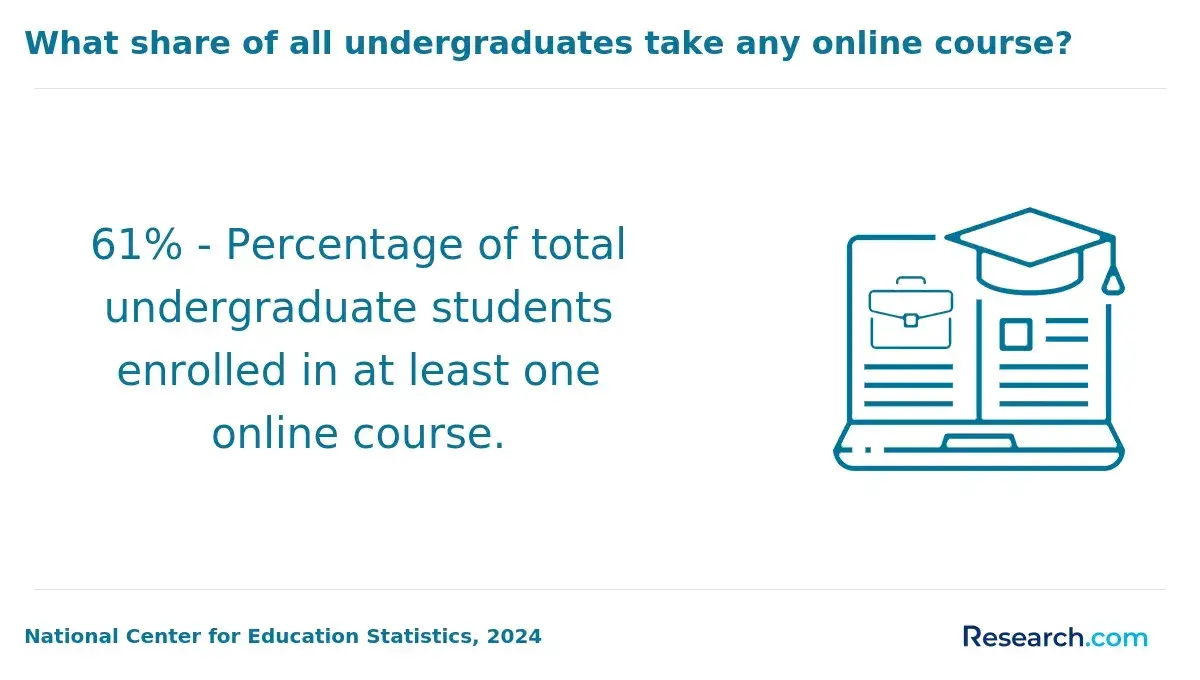
- Non-traditional Credit Sources: Online courses and MOOCs can be credited if they meet accreditation and content rigor standards; programs approach these cautiously due to variable assessment quality and depth.
Does Accreditation Affect How Many Credits Transfer Into an Environmental Science Degree?
The type of accreditation held by an institution significantly shapes how many credits a student can transfer into an environmental science degree program. Regional accreditation, considered the most rigorous and widely accepted, usually leads to smoother credit transfers because these institutions share comparable academic standards and coursework quality.
National accreditation, often linked to vocational or career-centered schools, tends to result in stricter credit evaluations due to different curricular focuses, limiting the number of credits accepted. Additionally, specialized or programmatic accreditation related specifically to environmental science or natural resource disciplines plays a critical role when assessing course content relevancy, increasing the likelihood that transferred credits will align directly with degree requirements and reduce the need for course repetition.
Differences in accreditation status produce tangible consequences that affect students' academic and financial trajectories. Research from a leading government education agency in 2024 shows transfer students from regionally accredited schools have a 25% higher chance of full credit acceptance than those from nationally accredited ones, underscoring the practical impact on time-to-degree.
Losing credits can delay graduation by at least a semester, forcing students, especially adult learners and those shifting careers, into additional classes that often lack direct workforce relevance and inflate costs. This disconnect also disrupts the progressive and cumulative nature of environmental science curricula, potentially weakening skill development and employer readiness by creating gaps in applied knowledge and practical training expectations.
One recent applicant recounted how the uncertainty around credit transfer slowed their enrollment process in an environmental science program. They initially delayed submitting transfer documents while weighing whether their previous courses would fulfill core requirements, concerned that excessive credit denial might extend their study timeline beyond what they could afford. This hesitation was compounded by rolling admissions, adding stress about securing a spot before deadlines.
Ultimately, gaining clarity on their credits' acceptance through direct consultation with the admissions office helped them make a timely decision, but the experience underscored how opaque transfer policies and accreditation differences can complicate planning and prolong entry into degree completion paths.
How Do Universities Evaluate Transfer Credits for Environmental Science Programs?
Universities assess transfer credits for environmental science programs through a systematic, multi-layered evaluation to preserve degree standards. Initially, academic evaluators examine course syllabi, matching learning objectives, content scope, and instructional outcomes against equivalent environmental science courses. This comparison emphasizes core topics like ecology, geosciences, and environmental policy to verify alignment.
Credit hours and contact time receive equal scrutiny to confirm that transferred coursework meets the receiving institution's requirements. Approval typically passes to departmental committees or faculty, especially for upper-division courses critical to major completions. This gatekeeping reflects a common institutional practice to restrict transfer credits to foundational or elective categories, maintaining academic rigor within specialized environmental science curricula.
The distinction between core and elective credits significantly impacts students' progress, as many transfer credits are more likely accepted as electives rather than major requirements. This dynamic often influences the time needed to graduate. According to a 2024 report by the National Center for Education Statistics, approximately 62% of STEM-related transfer credit requests, including environmental science, face some modification or partial acceptance.
Evaluation outcomes vary based on program selectivity and institutional accreditation, with stricter equivalency checks for lab sciences and quantitative methods-critical in environmental science degrees. Prospective students should consult advisors early to strategically align previous coursework. For those exploring broader educational options, assessing cheapest online counseling degree pathways can also inform decisions on transferability and academic planning.
Can Work Experience Count as College Credits in an Environmental Science Degree Program?
Work experience may translate into college credits within an environmental science degree, but only when it closely matches the program's learning outcomes and institutional policies allow prior learning assessment (PLA). Key methods include portfolio reviews, competency-based evaluations, or credit-by-exam routes, each requiring detailed documentation tying professional tasks directly to academic competencies.
For instance, experience in environmental consulting involving field data collection and analysis can potentially fulfill course requirements if well-documented and verified, whereas administrative roles typically do not meet technical standards. According to a 2024 report by the Council for Adult and Experiential Learning, just 19% of students in STEM fields, including environmental science, succeed in converting work experience to academic credit, highlighting the selective nature of this pathway.
While leveraging PLA can lighten course loads and accelerate degree completion, many programs cap such credits-often limiting students to about 30 credits-to maintain academic rigor. Certain highly specialized or research-intensive environmental science courses rarely accept work experience credits, necessitating their completion through traditional coursework. Students must therefore evaluate their work history in alignment with program criteria and consider potential academic gaps when substituting credits. The decision to pursue PLA requires weighing accelerated timelines against the risk of missing foundational content vital for comprehensive understanding and long-term employability.
One graduate recalled hesitating during the rolling admissions process, unsure whether to submit a portfolio showcasing years of environmental fieldwork. The institution's PLA review took weeks, delaying clarity about accepted credits and causing a stressful balancing act between waiting for evaluation results and enrolling before deadlines. Ultimately, the delay revealed that only half of their submitted experience would count, a verdict that impacted course planning but underscored the importance of meticulous preparation and realistic expectations when converting professional experience to academic credit.
Why Do Colleges Reject Transfer Credits for Environmental Science Programs?
Transfer credits for environmental science degree programs are frequently denied due to a combination of academic, institutional, and program-specific evaluation criteria focused on maintaining rigorous standards. A significant factor involves differences in accreditation; universities often require credits from regionally accredited institutions to ensure quality and comparability, leading to higher rejection rates for credits earned at nationally accredited or technical schools. These institutions face heightened scrutiny because of concerns regarding curriculum depth and instructional quality.
Course equivalency issues pose another major barrier. Environmental science programs typically include extensive laboratory work, field research, and advanced coursework aligned with specific learning outcomes. When previous coursework lacks hands-on components or specialized content aligned with current environmental science standards, many credits fail to transfer. This is particularly common with outdated or misaligned courses, underscoring reasons transfer credits are denied in environmental science.
Minimum grade thresholds also impact transferability. Many programs require at least a C grade in foundational courses, rejecting credits below that standard. Additionally, transfer credits focused solely on lower-division requirements can hinder progress if they do not align with a school's upper-division curriculum, creating course sequencing challenges that delay degree completion and extend time to graduation.
The practical consequences of rejected credits include longer degree timelines, tuition increases, and disruption in students' academic planning. Adult learners and career changers face particular burdens, as they often juggle financial constraints and employment obligations. Data from the National Student Clearinghouse Research Center reports nearly 40% of transfer students face credit loss, with elevated rates in science and technical programs, reflecting common challenges with transferring environmental science credits.
Transfer students from older or non-traditional programs encounter additional hurdles due to evolving curriculum standards and institutional expectations, emphasizing the importance of carefully evaluating prior coursework and accreditation status. Those exploring pathways toward science-related degrees may also consider alternatives like MSW programs online, which can offer different transfer policies and workforce implications.
Which Environmental Science Degree Programs Accept the Most Transfer Credits?
Public universities typically limit transfer credits through formal articulation agreements that favor general education and lower-division courses, often capping accepted credits between 60 and 75 semester hours. This structure may streamline transfers from community colleges but restricts the number of upper-division Environmental Science credits transferable, requiring students to complete most specialized courses on campus. Students opting for these programs face a tradeoff: while they benefit from recognized degree rigor, residency mandates and limited credit flexibility can extend time to graduation and reduce curricular choice.
Data from the National Student Clearinghouse Research Center (2024) highlights that only about 35% of transfer students in STEM fields manage to apply more than 60% of prior credits, underscoring systemic constraints even within transfer-friendly institutions.
By contrast, online universities and competency-based programs frequently offer more generous credit acceptance policies, especially through prior learning assessments and recognition of work experience, allowing some students to transfer or earn up to 90 credits. These models accommodate adult learners and career changers seeking accelerated degree completion, but often at the expense of faculty interaction and depth in elective options, which can affect long-term employability in specialized Environmental Science roles.
Degree-completion pathways designed for transfers can reduce redundant coursework but tend to enforce stricter residency rules and limit acceptance of advanced courses, potentially impacting graduate competitiveness. Students must weigh these practical tradeoffs: maximizing transfer credits may lower costs and duration but could lead to narrower academic exposure and differing employer perceptions within technical science sectors.
How Do Transfer Credits Affect the Time Needed to Complete an Environmental Science Degree?
Transfer credits can both accelerate and complicate the timeline for completing an environmental science degree depending on how they integrate with program-specific prerequisites, residency mandates, and upper-division requirements. For instance, students transferring densely packed community college coursework may still encounter delays if their credits do not satisfy critical advanced course sequences or accredited residency rules, which govern the minimum amount of upper-level coursework completed at the granting institution.
This misalignment can disrupt course planning, stretching the time needed to reach degree candidacy. The National Student Clearinghouse Research Center (2024) reports that approximately 60% of transfer students experience at least one semester delay due to such credit applicability and sequencing challenges, highlighting how credit transfer is rarely a straightforward shortcut.
Beyond academic timing, the transfer credit landscape directly impacts a student's eligibility for internships, professional certifications, and timely entry into the environmental workforce. Many credentialing pathways demand completion of specific upper-division courses that transferred credits rarely replace, meaning early graduation may not translate into immediate career readiness. Students must therefore navigate tradeoffs between gaining credit for earlier work and fulfilling rigid progression rules that affect hands-on experience opportunities. Strategic academic advising that accounts for course expiration policies, licensing requirements, and semester-by-semester sequencing is essential to align transfer credit acceptance with practical program outcomes and workforce expectations.
Do Transfer Credits Reduce the Cost of an Environmental Science Degree?
Accepted transfer credits can influence tuition calculations primarily when they apply directly toward required coursework in an environmental science degree, which typically lowers overall tuition costs since students pay for fewer enrolled credits. Because many environmental science programs charge tuition on a per-credit basis, effectively applied transfer credits reduce enrollment needs proportionally. However, only those credits recognized as fulfilling core or major requirements produce tangible tuition savings; credits that transfer but count solely as electives rarely offset tuition. This nuanced impact explains the varied tuition outcomes students face in evaluating transfer credits impact on environmental science degree cost.
Real-world scenarios frequently complicate anticipated savings: institutions might enforce residency rules requiring a minimum number of credits earned in-house despite transfer coursework, obligating payment for institutional credits regardless of transfers. Many programs also cap the number of transfer credits that can count toward degree completion, limiting cost reduction potential. A 2024 study from the National Center for Education Statistics noted that while 63% of students successfully transferring credits saw shorter time to degree, financial savings depend on institution-specific policies and course substitution allowances.
These factors emphasize that environmental science degree tuition savings from transfer credits hinge on course applicability, transfer limits, and residency mandates, rather than transfer volume alone. Adult learners and transfer students evaluating pathways should consider such operational tradeoffs carefully, especially when balancing affordability and timely degree fulfillment. For those considering diverse degree types, resources comparing accelerated options, including the shortest MBA program, provide insight into strategically selecting programs aligned with prior credits and career goals.
What Is the Best Strategy to Maximize Transferable Credits?
Maximizing transferable credits for an environmental science degree demands navigating institutional policies that often vary widely across universities. For transfer students, adult learners, and community college graduates, the stakes involve reducing redundant coursework, saving tuition, and accelerating entry into workforce roles where a strong foundation in environmental science is increasingly valued. Compared to generic credit transfer advice, targeting courses with explicit institutional alignment or documented equivalency can significantly affect progression and employability outcomes.
Data from the National Center for Education Statistics (2024) shows credits earned at regionally accredited schools transfer at rates about 20% higher than those from nationally accredited or unaccredited institutions, underscoring the practical importance of initial enrollment choices. This is especially relevant for those seeking to increase transferable college credits for environmental science degrees.
- Review articulation agreements early to identify pre-approved transferable courses and avoid surprises in credit acceptance.
- Enroll in regionally accredited institutions to maximize credit acceptance and align with institutional policies.
- Submit detailed course syllabi and learning outcomes to facilitate equivalency evaluations that may allow broader credit recognition beyond standard course codes.
- Select prerequisite-aligned courses such as introductory natural sciences, statistics, and research methods to ensure relevance and acceptance in environmental science degree programs.
- Utilize prior learning assessments (PLAs) where available to convert relevant work experience or non-traditional learning into academic credit, shortening degree completion time.
For students exploring related fields or interdisciplinary tracks, institutions increasingly consider credits from programs like a math degree online, which can fulfill analytical requirements within environmental science curriculums. Understanding these nuanced evaluation practices improves strategic planning for transfer and helps avoid costly setbacks.
What Graduates Say About How Many Credits Can You Transfer Into an Environmental Science Degree Program
- Louie: "When I looked into transferring credits into my environmental science degree, I quickly realized that most employers valued practical experience more than just the coursework itself. I had to decide whether to push for transferring as many credits as possible or to invest additional time in internships. Opting for fewer transfers and more hands-on experience ended up helping me land a role focused on sustainability consulting, even though it meant an extra semester."
- Zamir: "Transferring a significant number of credits into my environmental science program was tempting because it sped up my graduation, but I hesitated since important prerequisites for licensure weren't covered. I chose to limit credits transferred and completed the full licensure path, knowing it might narrow some job options early on. Ultimately, that decision paid off with a higher starting salary, though I remain aware that some employers still prioritize certifications and project portfolios over formal credentials."
-
Matthew: "My main challenge was balancing credit transfer limits with the chance to pivot careers after graduation. I transferred a moderate amount to accelerate time-to-degree but found out the market values those who can demonstrate relevant certifications or remote work experience first. This forced me to pursue additional online certifications beyond the degree. While it felt like a compromise, it opened doors to roles in environmental data analysis that I wouldn't have landed otherwise.
"
Other Things You Should Know About Environmental Science Degrees
Many environmental science programs cap the number of upper-division credits that can be transferred, often between 30 and 45 credits. This restriction means students must carefully evaluate which advanced courses they've completed elsewhere will count, as exceeding this cap could force retaking material or extending their time in school. Prioritizing the transfer of specialized environmental science upper-level courses over general electives typically maximizes progress toward degree requirements while maintaining relevance for employers.
Transferring many credits can speed degree completion but may limit exposure to unique courses or faculty expertise at the new institution that align closely with regional environmental issues or emerging technologies. This tradeoff affects career readiness, as some employers value hands-on experience and familiarity with local ecosystem challenges embedded in capstones or labs unique to a program. Students should weigh whether transferring fewer credits and completing more electives or experiential coursework at their destination university enhances skills and professional networks critical in their intended job market.
Transfer students should review course syllabi from both institutions to identify any content gaps. They may need to take additional courses or utilize online resources to bridge these gaps. Consulting with academic advisors can also provide guidance on aligning courses with degree requirements.
Employers and graduate programs in environmental science increasingly seek evidence of comprehensive, rigorous training and relevant research experience. Transfer credit policies that limit recognition of key core or capstone courses can result in a diluted transcript lacking demonstrable competency in critical areas. Students should prioritize programs with clear articulation agreements or transfer pathways that preserve these credentials to avoid future disadvantages. When choosing where to transfer, evaluating how credit transfer affects access to research projects, internships, or graduate prerequisites is essential for sustaining career and academic progression.
References
- How to Transfer Credits and Maximize What You’ve Already Done - ReUp Education https://reupeducation.com/blog/how-to-transfer-credits-and-maximize-what-youve-already-done/
- Can You Transfer Credits From a Completed Degree? https://www.edvisorly.com/student-guides/can-you-transfer-credits-from-a-completed-degree
- How Work Experience Can Help You Return to College - Athens State https://www.athens.edu/online-degree-completion-programs-working-adults/how-work-experience-can-help-you-return-to-college/
- Top 15 Environmental Science Colleges https://www.collegeadvisor.com/resources/environmental-science-colleges/
- Environmental Science, B.S. https://catalog.ycp.edu/preview_program.php
- College Credit Transfer to Stretch Savings Further https://www.collegesavings.org/college-credit-transfer-to-stretch-savings-further
- Reasons Colleges Reject Outstanding Applicants & Ten Healthy Strategies to Process Rejection https://www.fineeducationalsolutions.com/blog-post/reasons-colleges-reject-outstanding-applicants-ten-healthy-strategies-to-process-rejection
- 4 Ways Transfer Students Can Maximize College Credits for Prior Experience https://www.umassglobal.edu/blog-news/4-ways-transfer-students-can-maximize-college-credits-prior-experience