2026 HR Roles With the Strongest Promotion Potential

Co-Founder and Chief Data Scientist
Landing a promotion in human resource management increasingly demands navigating roles that blend strategic influence with evolving workforce needs. With 78% of HR professionals in a 2024 LinkedIn Workforce Report noting skill gaps as a top barrier to advancement, choosing the right career path is no longer a matter of tenure alone. This signals a shift toward roles that integrate data literacy, DEI expertise, and digital transformation capabilities.
For individuals aiming to pivot or accelerate their HR trajectory, understanding which roles offer tangible promotion potential guides smarter upskilling and job targeting, reducing the risk of stalled progression. This article identifies the HR roles with the strongest promotion potential and explains how to leverage them for career advancement.
Key Things You Should Know
- HR data analytics roles show 27% faster promotion rates, yet require advanced statistical training, creating a skills bottleneck delaying upward mobility for traditional HR generalists, per 2024 Bureau of Labor Statistics data.
- Employers prioritize strategic workforce planning expertise, with 62% of talent acquisition leaders favoring candidates who drive measurable business outcomes in retention, intensifying competition for limited senior roles.
- Certification costs averaging $1,000-$1,500 and 12-18 months of experience present access barriers, disproportionately slowing mid-career pivots despite demonstrated organizational impact, according to SHRM workforce studies.
What HR roles offer the strongest promotion potential?
Roles with the strongest promotion paths in human resource management roles emphasize strategic partnership and advisory capacities, with the HR business partner position leading growth at 7% through 2028 and an average U.S. salary of $86,363. Unlike traditional HR jobs focused on transactional tasks, these roles demand interfacing closely with business objectives, requiring both organizational insight and operational decision-making. For example, an HR business partner in manufacturing must manage workforce changes driven by automation, anticipating reskilling needs and shifting labor demands.
High-growth HR positions with advancement opportunities in the United States also include talent acquisition managers who leverage data-driven recruitment in tech sectors and compensation and benefits managers navigating complex regulations in healthcare and finance. The common thread in these roles is a need for quantifiable impact, such as lowering turnover or boosting productivity.
Employers expect mid-level professionals to deliver measurable outcomes, which entails mastering HR analytics, intercultural communication, and business acumen. This expectation creates a steeper learning curve but opens faster advancement versus administrative pathways. Educational programs that integrate experiential learning and relevant certifications improve readiness, particularly for those pursuing advanced degrees such as an online PhD organizational leadership.
Decision-making for advancing in human resource management involves weighing continuous skill development against employer demands for strategic intervention. Candidates should assess these dynamics carefully to align educational investments with realistic career trajectories.
Which HR jobs lead fastest to director-level advancement?
Advancement to director-level roles in hr often hinges on securing positions with quantifiable strategic impact, such as Head of People Analytics. This specialized role is emerging as one of the fastest advancing hr roles in North America, fueled by a scarce talent pool-only 28 candidates per opening-illustrating fierce competition and employer prioritization. Salaries range from $86,000 to $130,000, underscoring the premium placed on combining analytical acumen with hr leadership.
People analytics serves as an operational bridge between data-driven decision-making and traditional hr functions, accelerating visibility to executive stakeholders. For instance, professionals skilled in predictive modeling and employee retention metrics at large tech companies often experience quicker promotion than those following generalist hr pathways, where progress can be slower due to broader but less measurable responsibilities.
Employers frequently invest in internal development and external recruitment pipelines to address the shortage of qualified candidates, emphasizing the need for strong data science capabilities, fluency with hr information systems, and experience in organizational design. This role typically requires professionals transitioning from hr operations or talent management to develop technical skills rapidly.
Organizations balancing innovation and cost accelerate promotion within people analytics because leaders who can demonstrate measurable outcomes influence budgeting and strategic priorities. High-potential human resource management jobs for quick promotion consistently demand demonstrated business metrics and rapid skill acquisition.
Those considering a strategic pivot to roles with robust leadership trajectories might also explore related skill-building through construction management degrees, which cultivate project management and organizational skills applicable across management fields.
What education does an HR leadership track require?
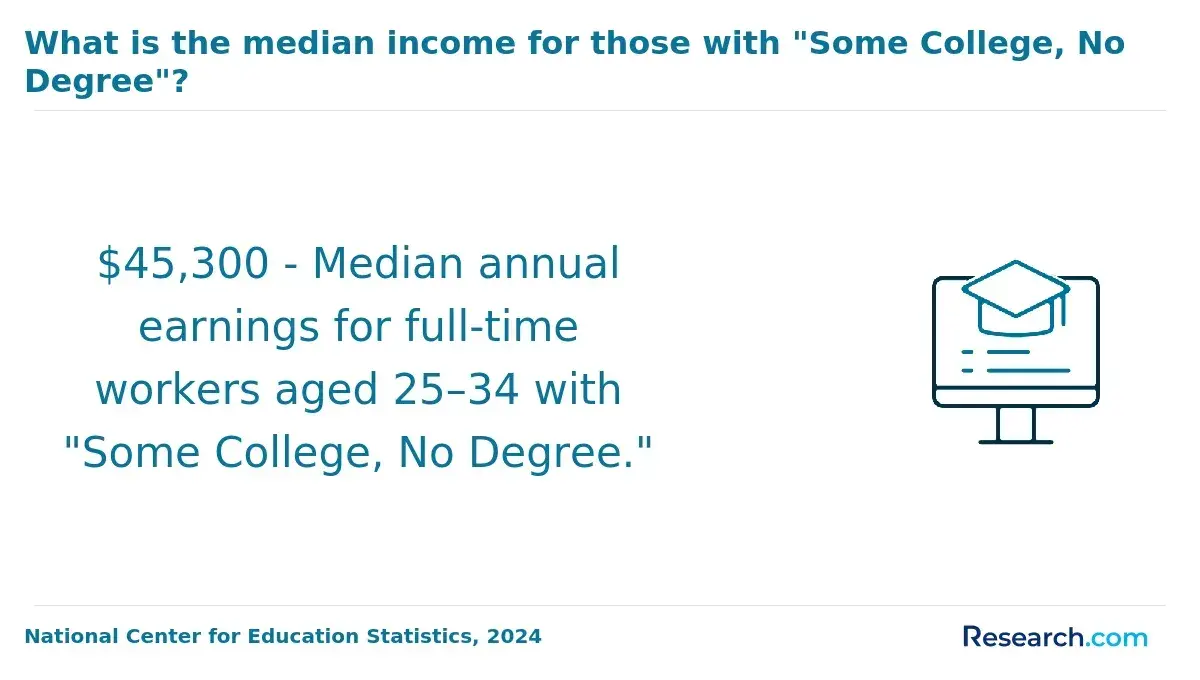
HR leadership roles consistently require at minimum a bachelor's degree in human resource management, business administration, or a related field, though many senior-level positions favor candidates with advanced degrees for HR leadership careers. Specialized knowledge in labor law, organizational psychology, compensation strategies, and workforce analytics is essential as HR leaders must balance compliance complexities with performance management.
For instance, those moving into compensation and benefits leadership within healthcare need to navigate distinct regulatory hospital policies, while counterparts in manufacturing focus on wage structures and union relations. Practical experience combined with targeted certifications improves employability but rarely substitutes for formal education when competing for senior roles.
Compensation and benefits roles are among the fastest growing wage segments; wellness coordinators saw median pay increase 14.6% to $72,500, while employee assistance program counselors earned 15.3% more at $81,300. These trends reveal a workforce demand for HR leaders skilled in benefits administration and employee well-being strategies, illustrating the importance of curricula integrating legal frameworks with wellness program management.
Employers expect HR leaders to bring strong analytical skills, prompting programs that combine human resource management leadership education requirements with data science or HR technology coursework. Students face a strategic choice: narrowly focused HR degrees may restrict options, whereas interdisciplinary tracks-including finance or information systems-better support leadership in workforce planning and compensation optimization.
Decisions about educational investment weigh heavily on career trajectory. Everyone must reconcile the time and cost involved in advanced degrees with their intended role. Those interested in alternative pathways might also explore related opportunities in areas like construction management through an online construction management bachelors degree, which can offer transferable management skill sets relevant to organizational leadership contexts.
Which HR degrees are best for career advancement?
Degrees in human resource management that integrate strategic business insight with targeted specialization provide a decisive advantage for promotion potential. Positions such as recruiting managers, earning median salaries around $160,000 annually, demand credentials focused on recruitment strategies, labor relations, or organizational development rather than general business degrees. Employers increasingly seek expertise in workforce analytics and employment law, reflecting priorities in talent retention and compliance.
Choosing from the best hr degrees for career advancement often means weighing practical exposure against curricular breadth. Programs incorporating internships in recruitment or employee relations accelerate learning curves and responsiveness to sector-specific demands. Healthcare, for example, prizes knowledge of regulatory frameworks and patient privacy alongside traditional HR competencies, while manufacturing emphasizes labor union negotiation and safety compliance skills.
The top hr degree programs for promotion tend to blend experiential learning with technological literacy, adapting graduates for tech-driven environments. This pragmatic approach aligns with workforce realities where digital HR platforms become standard operational tools. Students aiming for leadership positions within 3-5 years should evaluate programs on alumni outcomes related to managerial placements and salary growth.
For those considering interdisciplinary opportunities, a degree in healthcare management can complement HR skills with sector-specific knowledge, broadening advancement avenues in regulated environments.
How do online and campus HR programs compare?
Campus-based human resource management programs offer critical advantages for professionals targeting advancement in traditional HR roles, particularly where hands-on collaboration and mentorship influence employer preference. For example, employees seeking promotion into learning design positions within tech firms benefit from direct project experience and networking opportunities available only through in-person programs. These immersive elements often outweigh the flexibility of online education in competitive job markets.
Conversely, online programs are effective for mid-career professionals focused on acquiring specialized, time-sensitive skills in areas like Learning and Development, where digital content updates rapidly, and scheduling demands flexibility. Nonetheless, success in online formats requires significant self-discipline and may lack immediate exposure to the contextual nuances and real-time feedback embedded in campus internships or group projects.
Employers in sectors such as healthcare and finance frequently favor candidates with campus experience due to demonstrated compliance and training capabilities developed through interactive, scenario-based learning. Graduates of campus programs also report stronger peer networks and greater employer recognition, which are pivotal for stepping into leadership roles.
Decision-making around educational format should weigh these factors: early-career candidates aiming for promotion in established HR functions often gain tangible benefits from campus engagement, while seasoned professionals pursuing applied skills in growth areas may find online learning more adaptable. Balancing program delivery mode with career objectives remains essential to aligning education with advancement potential in human resource management.
What HR coursework builds promotion-ready skills?
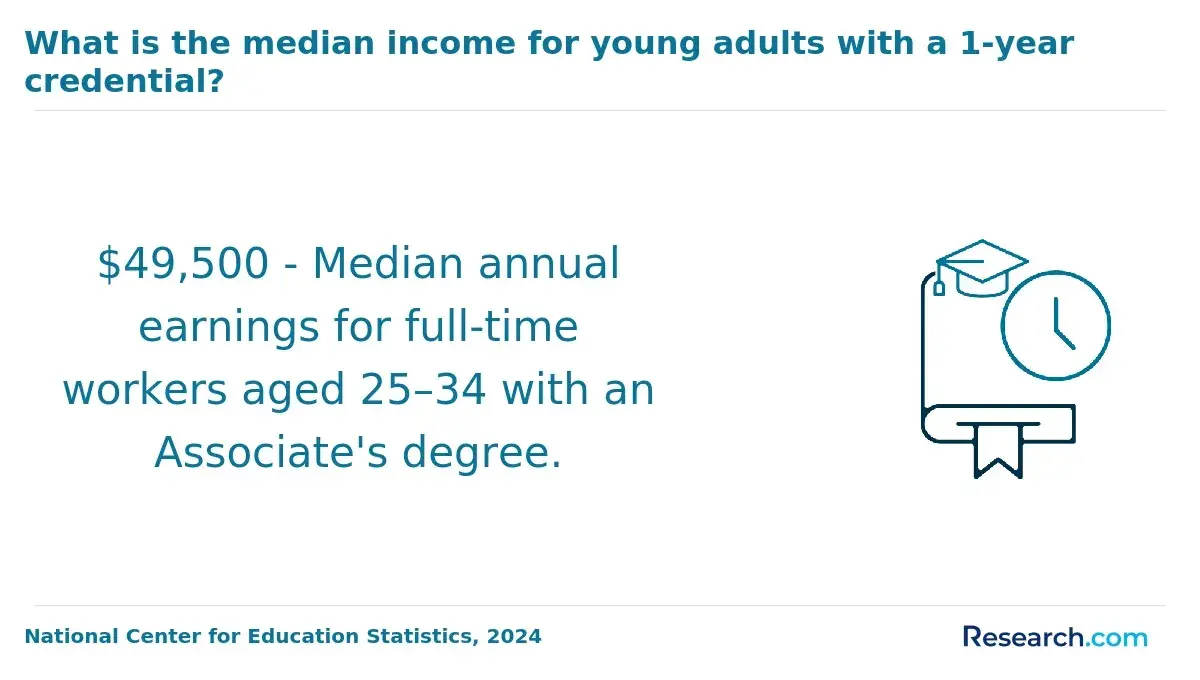
HR roles demanding technology proficiency face intense competition, with data showing roughly five candidates per HR Technologist position. This scarcity means coursework blending technical skills with strategic human resource management functions is essential for those aiming to be promotion-ready. Core training typically covers HR information systems (HRIS), data analytics, and digital transformation, enabling professionals to design and oversee technology that enhances organizational efficiency and workforce planning.
Practical application varies by sector: manufacturing HR uses analytics to regulate labor costs amid production changes, while healthcare HR relies heavily on technology for regulatory compliance and certification tracking. These differences highlight how technical acumen directly impacts operational effectiveness and career mobility.
Alongside technical training, leadership and change management skills equip HR professionals to lead digital initiatives, overcoming resistance and aligning projects with broader business objectives. Without these competencies, professionals risk exclusion from crucial strategic discussions.
Compliance expertise remains vital. Courses emphasizing employment law and ethics frequently integrate scenario-based exercises simulating audits and policy revisions, preparing candidates to navigate evolving labor regulations inherent to digital HR systems.
Given median salaries ranging from $86,000 to $130,000 for tech-focused HR roles, blending hard technical knowledge with leadership skills substantially improves promotion prospects and long-term career viability.
How do HR internships and experience affect promotions?
Internships in human resource management provide essential experiential learning that significantly influences promotion trajectories by advancing skills employers prioritize, such as handling complex employee relations and compliance challenges. Candidates lacking such practical exposure often face slower progression despite strong academic records, due to limited familiarity with real-world organizational dynamics and evolving legal frameworks.
For example, in healthcare and technology sectors, internship experience equips HR professionals to quickly assume specialist positions, having already managed recruitment pipelines and sector-specific diversity issues. This preparation can reduce onboarding and adjustment periods post-promotion substantially.
Recent data from AIHR's 2026 analysis reveals a 65.4% surge in demand for Organization Effectiveness Specialists, emphasizing the growing value placed on analytics and strategic alignment within HR functions. Candidates who develop measurable outcomes through internships focused on organizational diagnostics and change initiatives gain a competitive edge in these roles.
Proactive pursuit of internships with exposure to analytics, organizational development, and mentorship are key steps for candidates to avoid stagnating in oversaturated applicant pools. However, securing relevant internship opportunities requires targeted outreach, especially in competitive metropolitan labor markets.
Which HR certifications improve promotion chances?
Employers increasingly view PHR and SPHR certifications as critical signals of expertise in human resource management policies and strategic leadership, directly impacting promotion prospects in senior roles. With a 15% turnover rate among Fortune 200 CHROs, rapidly advancing requires mastery of strategic HR planning, a core focus of the SPHR credential. This is particularly relevant for candidates targeting executive-level positions.
Mid-level professionals benefit from the SHRM-CP and SHRM-SCP certifications, which validate practical competencies and leadership within sector-specific contexts like healthcare and finance, where regulatory knowledge is essential. These credentials distinguish candidates in competitive talent pools, emphasizing applied skills over theoretical knowledge.
Certification pursuit involves balancing demands: CHRP designations call for documented experience between 1,200 and 3,000 hours and ongoing recertification, creating short-term time and cost burdens. Yet, these investments build enduring career capital, especially in dynamic fields where failure to maintain credentials risks professional obsolescence.
Technical certifications such as the GPHR offer advantages to HR professionals in multinational companies by focusing on international workforce management but often hold less sway in smaller domestic firms. Not maintaining relevant certification can severely restrict eligibility for top HR roles, underscored by the 30 new CHRO appointments that reflect increasing employer emphasis on verified expertise.
What salaries can advancing HR professionals expect?
Salaries in human resource management reflect distinct operational scopes and organizational contexts rather than generic role titles. Mid-level HR managers in U.S. mid-sized companies typically see median annual pay near $136,000, but this figure shifts sharply based on industry, company scale, and sector. For example, managers in technology or finance sectors often exceed this benchmark due to competitive talent markets, while those in government or nonprofit roles face tighter salary ceilings influenced by budget and scale constraints.
Leadership positions such as Chief People Officers or Chief Human Resource Officers in large organizations earn significantly more, frequently between $250,000 and $500,000 or above. These roles demand fluency in workforce analytics, strategic alignment with overall business goals, and cross-functional influence - skills not acquired through operational HR experience alone. Transitioning effectively requires targeted education or certifications that emphasize data-driven decision-making, risk management, and organizational change expertise.
Prospective students must consider geographic cost-of-living variations as well as sector-specific compensation realities, recognizing that advanced credentials improve access to top-tier roles only when matched with relevant, practical skills valued by employers. Investment in education should focus on credentials that demonstrably enhance capabilities in analytics and strategic leadership rather than generic HR knowledge.
Tradeoffs between salary potential and professional mobility often hinge on how well the educational pathway prepares candidates for the evolving demands of strategic human resource functions.
What job outlook supports long-term HR growth?
Projected 6% job growth through 2034 for human resource management reflects evolving employer priorities rather than uniform expansion. Over 78,000 new HR roles annually emphasize sustained demand conditioned by industry-specific requirements and organizational strategies.
Median salaries for HR managers and compensation/benefits managers hover just above $140,000, signaling the financial value of advanced responsibilities. Employers increasingly weigh a combination of technical proficiencies-labor law knowledge, benefits administration, data analytics-and interpersonal skills critical for conflict resolution and talent retention.
Operational focus varies notably by sector:
- Healthcare roles prioritize workforce stability and navigating complex regulatory frameworks impacting patient care.
- Manufacturing demands HR professionals adept at safety compliance and managing union relations.
- Tech and finance sectors require mastery in emerging HR technologies and data-driven decision-making.
Successful advancement hinges on balancing cost management with employee engagement, a tension that shapes promotion prospects. The ability to align workforce management with broader corporate strategy involves difficult trade-offs and demands strategic insight beyond routine HR functions.
Those assessing educational pathways in human resource management should consider how curricula prepare for specialized industry skills and emerging analytics tools, alongside fostering adaptable interpersonal capabilities that respond to nuanced workplace challenges.
Other Things You Should Know About Human Resource Management
HR professionals aiming for promotion must balance both broad business acumen and specialized HR expertise. Employers expect HR leaders to contribute to strategic decisions, requiring knowledge of finance, operations, and industry trends beyond core HR functions. Prioritizing development in business analytics, organizational behavior, and change management alongside HR fundamentals enhances promotability, especially for roles overseeing multiple departments or business units.
Senior Professional in Human Resources (SPHR), SHRM-SCP, and HRCI’s GPHR are the most recognized credentials for promotion-focused HR careers. They signal strategic workforce planning, employee relations, and global HR expertise. Employers often favor them for manager and director-track roles.
Lateral moves within HR can expand critical experience in different functional areas, often positioning professionals for stronger leadership by diversifying skills. However, vertical promotions provide formal recognition of increased responsibility and authority, which directly influence career trajectory and compensation. Prioritize lateral moves only if they offer significant exposure to high-impact projects or emerging HR domains; otherwise, target vertical promotions to solidify leadership credentials.
Hiring managers expect candidates for high-level HR roles to demonstrate a track record of measurable impact, such as successful talent strategies, improved retention, or operational efficiencies. Candidates must present data-driven results and leadership in complex initiatives, not just tenure or academic qualifications. Prioritize gaining experience that produces clear business outcomes and develop communication skills to articulate those achievements convincingly during promotion evaluations.
References
- Global Salary Guide for HR Professionals https://nextinhr.com/blogs/hr-professional-salary-guide
- Empowering Employee Growth: Building Dynamic Career Paths and Ladders https://www.shrm.org/topics-tools/tools/toolkits/empowering-employee-growth-building-dynamic-career-paths
- Top 8 HR Certification Classes in 2026 - HR University https://hr.university/training/hr-certification-classes/
- The Definitive Guide to HR Career Growth | BambooHR https://www.bamboohr.com/resources/guides/definitive-guide-hr-careers
- Why HR Certifications Boost Your Career | SHRM & HRCI https://hrcertification.com/blog/why-hr-certifications-boost-your-career-biid1000111
- HR Internships | Higherin https://higherin.com/career-guides/hr-recruitment/hr-internships
- The Top 7 Mid-Level HR Roles in 2026 | Human Resources https://dpglearn.co.uk/blog/human-resources/the-top-7-mid-level-hr-roles/
- HR Career Path: A Complete Guide to Growth in HR https://www.oakwoodinternational.com/blog/hr-career-path
- Trends in HR job titles https://www.hrtrendinstitute.com/blog/2020/02/13/trends-hr-job-titles-update
- My experience working a 6-month HR Internship - https://digitalsenior.sg/hr-internship/