2027 Is Purdue Global's Online BS in Criminal Justice - Homeland Security Worth It? What Students Should Know

Co-Founder and Chief Data Scientist
Choosing an online BS in Criminal Justice - Homeland Security program can pose challenges when balancing curriculum depth, flexibility, and career applicability. With the online education sector growing by over 10% annually according to the National Center for Education Statistics, students have more options but face pressure to pick programs that align with evolving security workforce demands.
Those seeking roles in federal or state agencies need programs that offer practical skills and recognized credentials to stay competitive. This article analyzes Purdue Global's program through outcomes, accessibility, and alignment with professional pathways to help determine if it meets diverse student and career needs.
Key Points About Purdue Global's Online BS in Criminal Justice - Homeland Security Program
- Purdue Global's open admission policy for its online BS in Criminal Justice - Homeland Security allows broader access regardless of academic background, which may affect the program's academic rigor and peer environment.
- The total tuition cost of $19,560 combined with a median graduate salary of $36,596 yields an earnings to debt ratio of 1.40x, indicating moderate financial viability for prospective students.
- Employer recognition of Purdue Global varies, meaning alumni success often depends on individual networking efforts and local job market conditions within criminal justice fields.
What makes Purdue Global's online BS in Criminal Justice - Homeland Security program stand out?
Choosing Purdue Global's online BS in Criminal Justice - Homeland Security involves weighing flexible education against real-world workforce demands. Its competency-based model benefits students who already have relevant experience, allowing them to advance at their own pace without sacrificing work or personal obligations.
For example, a working professional in emergency management may complete the degree faster by validating their skillset, a tradeoff less common in traditional, cohort-based programs that follow rigid schedules.
What sets this program apart is its integration of current industry practices and practical applications tailored to homeland security roles. The curriculum emphasizes applied skills through virtual labs and scenario-based exercises that foster critical thinking, vital in fields like national security or terrorism response.
Additionally, with its enrollment of 44,421 students and a sizable faculty including 711 full-time instructors, Purdue Global offers scale alongside personalized advising, which appeals to non-traditional students balancing diverse responsibilities.
Is it difficult to get admitted to Purdue Global's online BS in Criminal Justice - Homeland Security program?
Most bachelor's programs in criminal justice with a homeland security focus maintain at least moderate selectivity, requiring applicants to meet standardized test benchmarks or present competitive academic records. This selective admission process reflects workforce realities where program rigor signals foundational readiness for public safety and security roles.
In contrast, Purdue Global's online BS in Criminal Justice - Homeland Security program bypasses those hurdles, exhibiting an open admission policy that admits a broad applicant pool without expecting SAT or ACT scores. This model lowers traditional entry barriers but places greater emphasis on students' progression after enrollment rather than pre-admission screening.
Compared to more selective institutions, Purdue Global's open admission approach reduces the uncertainty and delay often associated with competitive entry, a practical consideration for working adults or career changers seeking flexibility. While the program's acceptance rate is not publicly detailed, its open rating suggests minimal gatekeeping, offering direct enrollment avenues for many candidates.
However, this openness may trade off early signaling of academic preparedness, increasing the importance of self-motivation and persistence once admitted.
This admission model suits those prioritizing accessibility over prestige but may require prospective students to weigh how non-selective entry aligns with their career goals, particularly in competitive law enforcement or homeland security sectors where employer preferences for graduates from more traditional or highly selective programs persist.
A graduate of the program recalled applying late in the season after weighing several options and feeling uncertain about fitting academic expectations with full-time work. They noted, "The lack of standardized tests removed a big hurdle, but I still waited weeks for my enrollment to finalize while balancing job shifts. It was a relief once approved, but the wait underscored how even open admission isn't instant. I had to keep pushing through administrative delays and stay organized to start promptly."
How does the curriculum of Purdue Global's online BS in Criminal Justice - Homeland Security program stay aligned with current industry trends?
Curriculum alignment with industry demands requires more than a static course list - it necessitates integration of practical skills that mirror real security challenges and decision-making scenarios. Purdue Global's BS in Criminal Justice - Homeland Security online curriculum appears designed to reflect this by embedding applied learning elements, which is crucial given employers' expectations for graduates capable of navigating complex emergency situations and multifaceted cybersecurity threats.
Below are three critical ways the program aligns with evolving industry standards.
- Applied Scenario Learning: The program incorporates scenario-based projects and case studies that simulate real-world operational challenges in homeland security, such as crisis management or threat assessment. This hands-on approach moves beyond theory, fostering critical thinking and problem-solving skills essential for roles where rapid and informed decisions carry significant consequences.
- Comprehensive Course Topics: Key subjects like Homeland Security Operations, Terrorism and Counterterrorism, Cybersecurity Fundamentals, and Emergency Management showcase a curriculum breadth consistent with employer priorities. These topics help graduates develop a foundational understanding required for various positions across government and private-sector security agencies.
- Ethical and Legal Frameworks: Emphasizing legal and ethical considerations prepares students to operate within complex regulatory environments. This focus addresses employer concerns over compliance and accountability, which are increasingly critical in homeland security positions.
While the program covers core competencies aligned with the Purdue Global homeland security degree industry relevance, prospective students should weigh whether the primarily online structure and curriculum sufficiently address the specific skill sets sought in their targeted job markets.
For those evaluating programs against others listed among the best majors, finding opportunities for in-person training or internships may be a decisive factor. Nonetheless, the balance of theory and practical application in this BS in Criminal Justice - Homeland Security program provides a foundation aligned with current industry trends.
Tuition fees for Purdue Global's BS in Criminal Justice - Homeland Security online program stand at roughly $10,110 annually, with total estimated expenses reaching about $19,560 when including books and fees. Since the program is fully online, students typically avoid room and board costs, though individual circumstances can affect the final outlay.
Additional expenses like technology fees are less clearly defined but generally consolidated under flat-rate tuition, which simplifies budgeting for those outside traditional resident categories.
Financial aid plays a critical role in offsetting costs, with around 80% of Purdue Global undergraduates receiving some form of aid averaging $5,277. Institutional grants and corporate tuition reimbursement partnerships also contribute, especially for working professionals balancing employment and education. These elements can substantially alter the net cost, making it essential for prospective students to assess their eligibility and factor these opportunities into financial planning when considering how much Purdue Global's online BS in Criminal Justice - Homeland Security program costs.
Comparatively, nationwide tuition for online BS programs in Criminal Justice - Homeland Security usually falls within a similar range but varies extensively depending on institution type and location. Purdue Global's flat-rate tuition model offers predictability unfamiliar in many online programs where per-credit charges fluctuate. This pricing mechanism is especially relevant when benchmarking Purdue Global's tuition fees for Purdue Global's BS in Criminal Justice - Homeland Security online program against competitors, an issue that often influences decision-making for those weighing cost against program delivery and employer recognition.
Students must carefully balance direct educational costs with potential return on investment in the labor market, factoring in that many employers emphasize practical skills and related experience alongside credentials. For those exploring how to select from among fun majors in college that pay well, understanding the financial and career tradeoffs of this online program versus others is crucial in making a pragmatic choice.
Admission to Purdue Global's online BS in Criminal Justice - Homeland Security program is structured to reduce barriers typically associated with traditional degree pathways, which can benefit adult learners balancing work and life commitments. However, this streamlined process also means applicants must proactively confirm any additional program-specific documentation early to avoid delays or unexpected requests.
Candidates should weigh the convenience of open admission against the need to ensure credits transfer smoothly, as transferability caps and grade standards may limit progress and affect time to degree. Below are key factors in the admission process prospective students should consider:
- Open Admission Policy: Applicants generally are not subject to stringent entry criteria, facilitating easier enrollment for those with prior academic experience or nontraditional backgrounds.
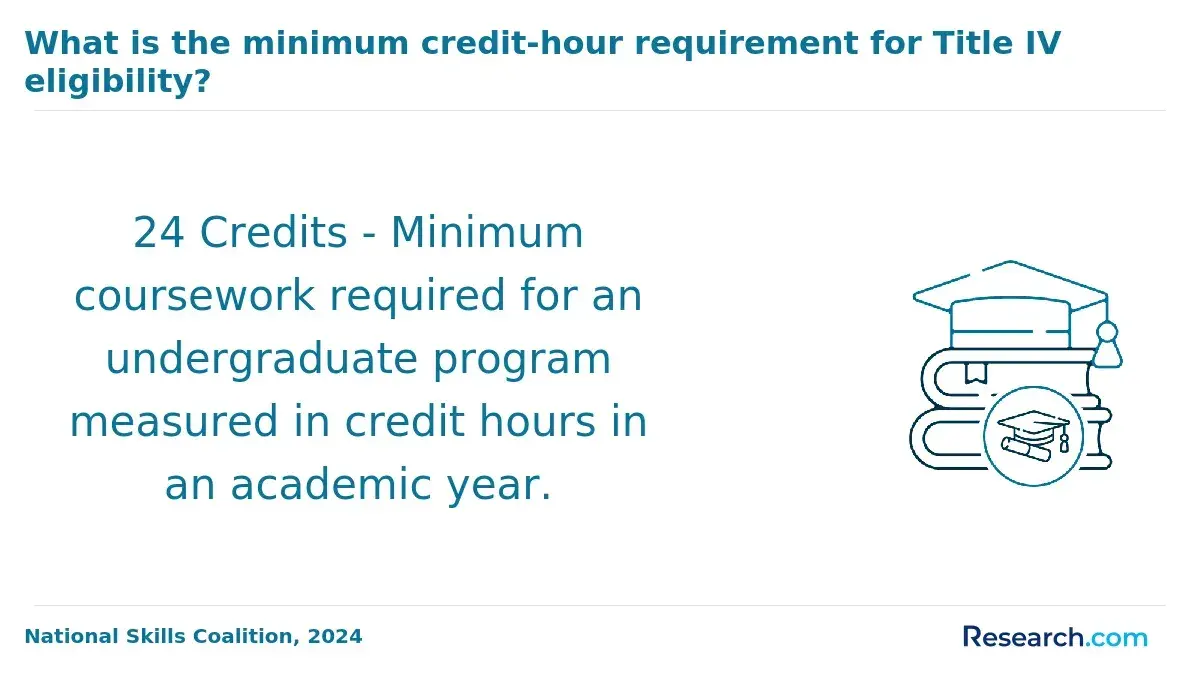
- Transfer Credit Evaluation: Previously earned college credits can be applied, but there are restrictions on the maximum credits accepted, and most must meet a minimum grade of "C" to qualify.
- Standardized Tests: SAT or ACT scores are not required for transfer students, reducing testing barriers common in many undergraduate programs.
- Supplementary Materials: Letters of recommendation, personal statements, and professional resumes are typically not mandatory, though specific program guidelines might request additional documents.
- Entrance Exams and Assessments: No entrance exams, portfolios, or practical assessments are required, simplifying the admission process but shifting the emphasis onto prior academic records and credits.
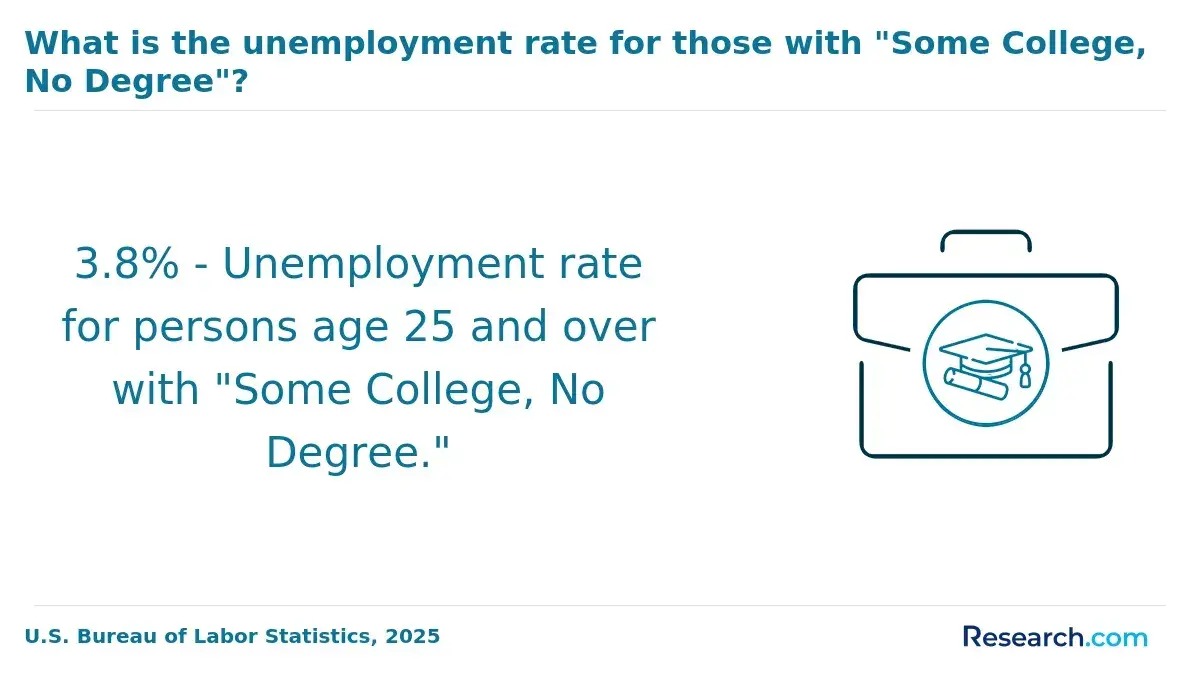
The return on investment for Purdue Global's online BS in Criminal Justice - Homeland Security hinges on a practical balance between tuition costs and steady but limited salary growth within the criminal justice labor market. With the total annual cost of attendance near $19,560, which exceeds the in-state on-campus cost reported by the federal scorecard, graduates enter the workforce with a median salary around $36,596.
This starting income aligns with broader industry norms for criminal justice roles but offers modest advancement over a decade, reflecting sector realities where experience and job role often outweigh degree prestige in driving compensation.
Scholarship opportunities and financial aid can significantly improve ROI by reducing out-of-pocket expenses, though the median student debt of $26,078 remains a critical factor to weigh. Graduates employed in government or law enforcement agencies might face constrained salary ceilings compared to other industries, emphasizing the importance of realistic career planning when considering this degree. Employers in these fields prioritize operational experience and certifications often as much as academic credentials.
Overall, Purdue Global's BS in Criminal Justice - Homeland Security may offer a competitive entry point for those targeting public sector roles, but prospective students should carefully evaluate how debt obligations and incremental salary gains align with their long-term financial and professional goals.
Satisfaction among students in Purdue Global's online BS in Criminal Justice - Homeland Security program hinges largely on individual learning preferences and discipline. The program's moderate graduation rate signals potential challenges, particularly for those who struggle with self-motivation or prefer more direct oversight. This tradeoff is notable for working adults balancing jobs and family obligations, as the program's flexibility allows for asynchronous study but demands personal accountability to meet academic expectations.
Purdue Global invests in virtual student organizations and mentoring aimed at boosting engagement and academic success for remote learners. These resources address common hurdles-such as isolation and time management-by fostering community and guidance, but they may not fully offset the lack of face-to-face interaction some students find crucial. Online forum feedback reflects this divide: while many praise the adaptable schedule for accommodating their lives, others find the coursework strenuous without the traditional classroom support.
For students weighing their options, the experience suggests that satisfaction correlates strongly with self-directedness and comfort with digital learning environments. Those expecting frequent in-person interaction or extensive hands-on support might face frustration, whereas motivated individuals valuing flexibility could find the program a practical route toward relevant credentials in criminal justice and homeland security.
One graduate recalled initially hesitating because of concerns about managing coursework alongside a full-time job and family. However, they found the mentoring programs helpful in structuring their study routine. "I wasn't sure if I'd keep up, but having a mentor to check in with made a real difference," they said, adding that the online forums created a sense of connection uncommon at a distance. While demanding, the flexibility and support helped them complete the degree on their own terms.
Graduates of Purdue Global's online BS in Criminal Justice - Homeland Security program face a hiring landscape where institutional affiliation and networking can be decisive. Employers in public safety increasingly prioritize candidates connected to well-supported academic programs, with 78% of criminal justice employers valuing an applicant's educational institution and associated alumni networks as key hiring factors. This dynamic underscores how career support services shape employment outcomes beyond coursework alone.
For those navigating opportunities, understanding the specific ways Purdue Global facilitates job placement clarifies the practical edge its program may provide. Key employment support channels offered to students include:
- Virtual Career Fairs: These events target public safety and homeland security sectors, linking students with federal, state, and local employers. Engaging early with recruiters here can accelerate hiring processes during or shortly after program completion.
- Resume and Interview Workshops: Tailored sessions prepare students to meet both remote and in-person role expectations by refining resumes and interview skills according to industry standards, increasing competitive readiness.
- Alumni Mentorship Program: This extensive network connects current students with seasoned graduates in homeland security and law enforcement, providing firsthand career advice and professional guidance crucial for making informed job market decisions.
- Specialized Job Portals: Curated listings available through Purdue Global's platform focus on roles that recognize their curriculum and credentials, streamlining access to relevant openings that might not be easily found on broader job boards.
In evaluating the career services for Purdue Global BS in Criminal Justice Homeland Security graduates, these resources collectively address common barriers such as employer trust and security clearance considerations. Students whose job search incorporates these supports generally experience stronger alignment with employer expectations.
Prospective enrollees should also consider broader program recognition, with rankings among the best online universities reflecting institutional commitment to practical outcomes.
Career outcomes for recent graduates of Purdue Global's online BS in Criminal Justice - Homeland Security reflect the realities of a specialized but moderately compensated field, which is a crucial factor when assessing if the program is worth it. The degree's value heavily depends on the graduate's readiness to engage in entry-level roles that require practical knowledge of threat analysis and emergency response coordination, but with salary ceilings lower than those in related fields such as fire protection or natural resources conservation.
Prospective students should weigh the steady demand for homeland security professionals against the compensation tradeoffs in public safety sectors. These dynamics shape the job prospects after Purdue Global bachelor's in homeland security and the paths graduates pursue. Below are typical roles, illustrating the range of career opportunities for Purdue Global online criminal justice graduates:
- Homeland Security Analyst: In this role, professionals assess threats and vulnerabilities to protect national infrastructure. Salaries usually start in the mid-$40,000s and can climb with experience, reflecting the critical but tactical nature of this work.
- Emergency Management Coordinator: These coordinators develop and implement response plans for natural and human-made disasters. Compensation ranges from mid-$40,000s to low $60,000s depending on region and agency size, emphasizing coordination skills and regulatory compliance.
- Law Enforcement Officer: Graduates entering local or federal law enforcement apply their knowledge of security protocols in front-line roles. Pay tends to mirror the broader public safety sector averages, typically around $41,000 but varying widely by jurisdiction.
- Security Manager: Responsible for designing security policies and overseeing teams, security managers earn higher salaries but often require additional experience beyond entry-level degrees, reflecting a common advancement trajectory.
Understanding these employment outcomes is essential for students deciding on this degree, as it sets expectations about starting salaries and sector-specific demand. For those considering preliminary credentialing, exploring an online associate degree may offer a faster, cost-effective entry point into related fields before committing to a bachelor's program.
Choosing the right online degree program starts with understanding how well it aligns with your career goals, learning preferences, and professional aspirations. Evaluating Purdue Global's online BS in Criminal Justice – Homeland Security program can help determine whether its curriculum, flexibility, and career outcomes match what you're looking for.
Curriculum Relevance: Evaluate whether courses target core competencies that match your intended sector, such as intelligence analysis or homeland security policy. Review syllabi for practical skills training to ensure learning outcomes will meaningfully support your career trajectory.
Program Flexibility: Consider the format and pacing, including asynchronous delivery and interaction levels. Align these with your availability and learning preferences to maintain consistent progress without sacrificing engagement.
Career Support Services: Investigate the availability of internships, networking connections, and career counseling tailored to the criminal justice and homeland security fields. The strength of employer relationships can materially affect job placement after graduation.
Accreditation and Recognition: Confirm institutional and programmatic accreditation to secure credit transfer and employer acceptance, which could impact eligibility for certain certifications or roles.For students gauging Purdue Global online criminal justice homeland security fit, an informed decision also balances these academic elements against your broader career timeline and evolving workforce demands. Researching the program alongside insights into workforce dynamics, including prospects among best jobs for introverts, can help refine expectations and align educational investments with realistic employment outcomes.
What Graduates Say About Purdue Global's Online BS in Criminal Justice - Homeland Security Program
- Joseph: "Studying at Purdue Global gave me the flexibility to balance work and coursework, which was crucial since I was already employed part-time in security. The BS in Criminal Justice - Homeland Security program helped me develop a portfolio of practical projects that proved more valuable than just the degree when I applied for federal contracts. While licensure wasn't the focus, the program's emphasis on real-world skills positioned me well in a competitive hiring environment."
- Layla: "What stood out during my time at Purdue Global was the direct connection between coursework and actual homeland security challenges. Completing the BS in Criminal Justice - Homeland Security allowed me to pivot careers from civilian policing to emergency management, although I quickly learned that certifications and incident command experience were often prioritized over degrees alone when advancing. The ability to study remotely accelerated my entry into the field and helped me secure a role that values continuous training and adaptability."
- Austin: "From a pragmatic standpoint, Purdue Global's BS in Criminal Justice - Homeland Security curriculum gave me a solid foundation, but I noticed salary growth was somewhat limited without additional licensure or specialized training. Still, the online format was ideal since I was relocating frequently with the military. The courses honed my analytical skills, and while it wasn't the fastest path to promotions, it definitely opened doors and provided access to remote work opportunities that aligned with my lifestyle."
Other Things You Should Know About Degrees
The curriculum of Purdue Global's BS in Criminal Justice - Homeland Security is designed with flexibility, but students who are working full-time should be prepared for a moderate to heavy workload, especially during courses that involve scenario-based projects or research assignments. Time management becomes critical as the program expects active engagement in both theoretical and practical learning components. Prospective students should realistically assess their outside commitments, as balancing work and study may require prioritizing the program's deadlines and interactive sessions.
The program relies heavily on online learning platforms, requiring students to be comfortable with digital communication tools and basic data analysis software commonly used in homeland security contexts. While prior technical expertise is not mandatory, limited experience with computer-based research or security technology concepts may slow early progress. Hence, students less proficient with technology should consider investing time in building these skills early to avoid unnecessary delays during coursework that includes computer simulations or data interpretations.
Students placed in field-based internships or practicum experiences may need a criminal background check and fingerprinting, following the host agency’s rules. Agencies can also require drug screening, vaccination records, or security clearances before approving placement.
Transferring credits can reduce time to degree completion, but not all credits may be accepted due to the specialized nature of homeland security coursework at Purdue Global. Students with prior coursework closely aligned with criminal justice or security studies benefit most from credit transfer evaluations. It is advisable to prioritize this option only if your previous courses directly match core program requirements, as overestimating transferable credits can lead to unexpected extensions in study duration and additional costs.
- Explore Online Criminal Justice Bachelor's Degree Programs https://www.criminaljusticedegreeschools.com/degrees/online/
- Best Online Homeland Security Degrees https://www.collegechoice.net/law/homeland-security/best-bachelors-degrees/
- Types of Homeland Security Degrees | Compare Schools https://www.criminaljusticeprograms.com/specialty/homeland-security-degrees/
- Pardon Our Interruption https://www.aiuniv.edu/degrees/criminal-justice/bachelors-homeland-security
- Criminal Justice (BA) - Homeland Security Concentration https://www.uagrantham.edu/online-degrees/criminal-justice-homeland-security-concentration/
- Differences Between a Criminal Justice and Homeland Security Degree https://www.nec.edu/news/criminal-justice-vs-homeland-security-degree
- Sign In for Purdue Global https://purdueglobal.brightspace.com/
- Global Student Satisfaction Awards 2025 https://studyportals.com/global-student-satisfaction-awards-past-winners/
- Criminal Justice, Homeland Security & Terrorism, B.S. - Bluefield State University https://bluefieldstate.edu/degree/criminal-justice-administration-homeland-security-terrorism-concentration-b-s/
- Purdue Global Law School Career Services https://www.purduegloballawschool.edu/student-life/career-services