2027 Is a BS in Business Administration Useful for Running A Bookkeeping Practice? Degree Fit and Opportunity Cost
Audited and Verified:
Our Editorial and Data Verification Process
Research.com uses government datasets, official education statistics and primary institutional information to support its career and degree guides. Our review process checks factual accuracy, occupational definitions, source dates and the requirements associated with the credentials discussed.
How This Article Was Fact-Checked
Our editorial team verifies salary estimates, employment projections, education requirements and program information against original data providers and official organizations. Salary figures are checked against the relevant occupational definitions and reporting periods. Information about licensure, accreditation and required in-person training is reviewed separately.
Fact-checked and verified on:

Co-Founder and Chief Data Scientist
Running a bookkeeping practice requires two kinds of competence: keeping accurate client records and operating a reliable business. A BS in Business Administration can strengthen the second, but it may be an expensive way to acquire the first. This distinction matters if you are deciding whether to enroll, finish a degree already underway, or spend that time building accounting skills and serving clients. This guide compares the pathways, explains credential and cost considerations, and helps you choose preparation that matches the services you intend to offer.
Key Things You Should Know
- A BS in Business Administration can help you price services, manage operations, and grow a bookkeeping practice, but it does not replace hands-on accounting training.
- A four-year bachelor's pathway is a substantial commitment if your immediate goal is routine bookkeeping; existing credits and a broader career goal can change its value.
- Bookkeeping generally does not require a professional license, but services such as regulated tax or audit work have separate rules. The BLS median of $83,680 for accountants and auditors is not a bookkeeper's expected income.
Is a BS in Business Administration useful for running a bookkeeping practice?
Yes, particularly for the practice owner side of the job. Business coursework can help you evaluate pricing, cash flow, marketing, client relationships, and the processes needed to deliver work consistently. It is less direct preparation for reconciling accounts, correcting entries, and producing dependable books across different clients.
The degree is most defensible if you are already close to finishing it, want options beyond bookkeeping, or plan to build a larger firm. If you need to become client-ready soon, supervised bookkeeping work and focused accounting instruction usually address the more urgent gap. A working owner who wants a broader credential can assess flexible online study for business administration career growth without assuming that online classes will fit every client deadline.
Think of the decision as two separate investments: competence in the work clients buy, and competence in running the company that sells it. A business degree can support the latter; neither investment substitutes for the other.
What education is required to start a bookkeeping business?
There is no universal US bachelor's-degree requirement for opening a bookkeeping business. Business registration and local operating requirements vary by jurisdiction, while clients will judge whether you can perform the services you promise. Before taking on accounts, you should be able to handle transaction classification, reconciliations, basic financial statements, corrections, record retention, and the software used for your chosen work.
A practical preparation route is an introductory accounting sequence, bookkeeping software training, and reviewed practice on sample records or supervised work. Learn to recognize when a client needs an accountant, tax professional, or attorney rather than improvising outside your competence. If you are considering a degree as well, explore affordable colleges for business study against the narrower cost of the accounting instruction you actually need.
Do bookkeepers need a license or certification to serve clients?
Routine bookkeeping generally does not require a professional bookkeeping license in the United States. Voluntary certifications can demonstrate assessed knowledge, but their requirements and employer recognition vary; a software badge is not a government license. Check the issuing organization's assessment and experience rules before paying for a credential.
Define your services carefully. Maintaining ledgers is different from performing an audit, using a protected professional title, or representing a taxpayer before the IRS; those activities can involve separate qualifications and rules. Payroll work also requires attention to filing obligations and sensitive employee information. If your intended work is broader people management rather than payroll recordkeeping, review human resources degree requirements as a distinct career path.
Choose by the work you intend to do, not by the breadth of the credential. The comparison below separates preparation for client bookkeeping from preparation for running or expanding a firm.
| Pathway | Strongest fit | Important limitation |
| Targeted bookkeeping and accounting courses | Learning the transactions, reconciliations, and reports used in client work | May offer little instruction in marketing, staffing, or business strategy |
| BS in Business Administration | Building broad operating skills and retaining options for other business roles | Accounting coverage may stop at introductory courses |
| Accounting bachelor's degree | Studying accounting in greater depth or pursuing accounting-focused employment | More time and cost than routine bookkeeping may warrant; CPA eligibility has separate state rules |
For a new solo practice, targeted accounting preparation commonly deserves priority. For an owner with strong technical skills who wants to hire staff or pursue other roles, business administration may add more. If your real goal is coordinating client implementations rather than doing their books, investigate that function separately; a route to use prior college credits in a project management bachelor's serves a different objective and requires its own credit evaluation.
A BS in Business Administration typically combines a business core with general education, electives, and sometimes a formal concentration. For a bookkeeping owner, the most relevant courses are financial and managerial accounting, small-business finance, marketing, operations, business law, and information systems. Review the actual catalog: an elective in accounting is not the same as an accounting concentration or a specialized accounting degree.
Applied assignments matter as much as course titles. A useful project might model service capacity, document an intake workflow, or compare the costs of different client-service packages using clearly labeled assumptions. If you instead want to specialize in inventory flows and purchasing, compare shorter online supply chain bachelor's pathways rather than expecting a general business elective to provide equivalent depth.
For an active bookkeeper, the best format is the one whose attendance and assessment rules fit recurring client deadlines. Online does not necessarily mean self-paced: live meetings, group work, proctored exams, and fixed submission times can still constrain your schedule. Campus classes may offer useful face-to-face access but add travel and less scheduling flexibility.
Request a sample course schedule and confirm required visits, exam arrangements, and part-time course availability before enrolling. If financing affects format choice, compare FAFSA-eligible online business administration colleges, then verify each school's current aid eligibility and your own award; eligibility does not establish what you will pay.
A bachelor's degree is commonly planned as four years of full-time study, but your remaining time depends on accepted credits, how those credits apply to requirements, enrollment pace, and course availability. A working owner may take longer at a manageable part-time pace. Do not count transferred courses as savings until the receiving school shows where they fit in an official degree audit.
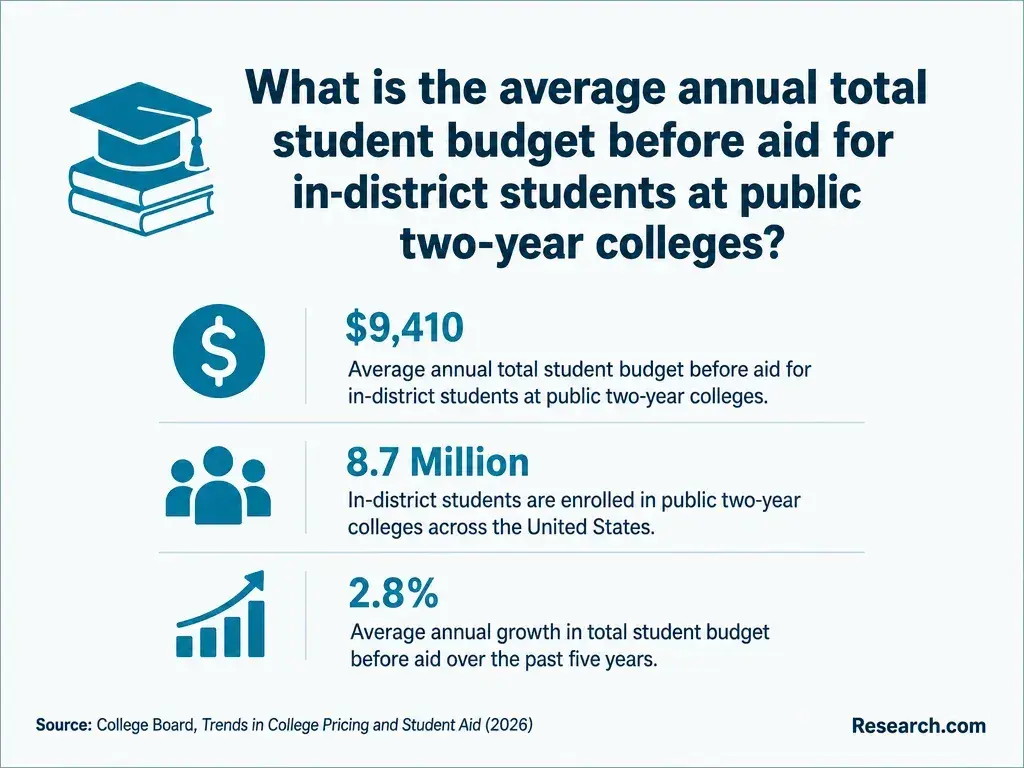
Compare the full cost of completion, not just advertised tuition: required courses, fees, books and software, financing costs, and hours you cannot spend serving clients all matter. Business degree programs designed for faster progress may reduce calendar time, but a faster schedule can increase weekly workload and does not automatically lower total cost. Ask each school for a written estimate based on your evaluated credits and intended pace.
The degree can broaden your options toward operations coordination, administrative services, sales support, or other business roles alongside practice ownership. Relevant experience still matters: handling client onboarding, budgets, workflows, and service quality is stronger evidence than a degree title alone. Management positions generally require demonstrated responsibility beyond graduation.
If you discover that your preferred work is purchasing or logistics rather than financial recordkeeping, compare specialized preparation instead of assuming the same degree fits both. An affordable supply chain degree planning guide can help frame that separate decision, but it should not be treated as a prerequisite for a bookkeeping practice.
There is no single salary for "bookkeeping graduates," and a practice owner's receipts are not a wage. Client revenue must cover software, insurance, taxes, unpaid administrative time, and other operating costs before it becomes owner income. Employment statistics for bookkeepers also cannot predict what a new independent practice will earn.
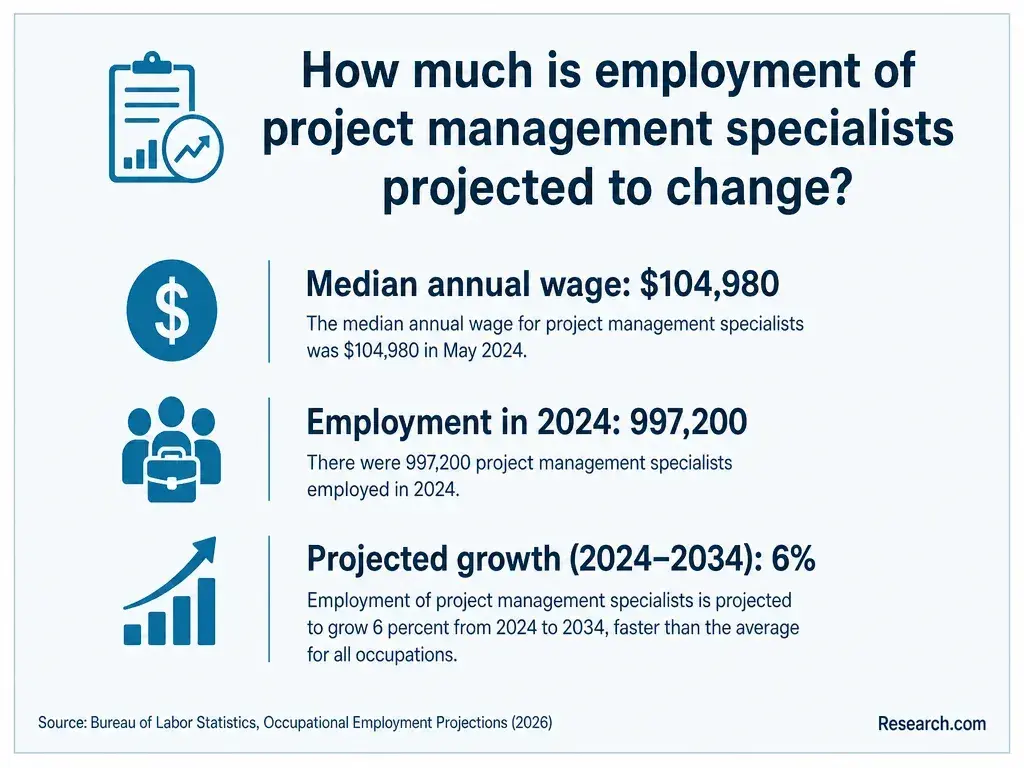
For a different occupation, the US Bureau of Labor Statistics reports a May 2025 median annual wage of $83,680 for accountants and auditors and projects 5% employment growth from 2025 to 2035. Those figures describe the occupation, not new bookkeepers or business administration graduates. If you are comparing bookkeeping with other business careers, evaluate each occupation's duties and preparation separately; even a plan to use prior college credits in a project management bachelor's would involve a different job and degree audit.
How can you choose an accredited business administration program?
First verify that the institution holds recognized institutional accreditation and that the exact BS in Business Administration program is offered in your intended format. Business-specific accreditation, where applicable, has its own scope; do not assume AACSB, ACBSP, or IACBE coverage from a school-wide claim. Accreditation is a screening factor, not proof that a program teaches enough accounting to prepare you for client work.
Then compare the required accounting courses, available electives, applied projects, written transfer evaluation, total remaining cost, and course schedule. When you compare accelerated undergraduate programs, check those same details rather than selecting on advertised completion time. The strongest choice is the program whose verified requirements serve your longer-term goal without delaying the bookkeeping skills you need now.
Other Things You Should Know About Business Administration
Consider it even if clients do not require it. Ask an insurance professional whether a policy covers the services you actually provide, and review exclusions, limits, and client contract requirements.
Use access controls, secure document exchange, backups, and a documented process for granting and removing access. Check applicable privacy and breach-notification rules for the information you handle.
Yes, subject to your agreements and applicable law. Set confidentiality, access, review, and responsibility terms before sharing records; do not assume subcontracting transfers your obligations to the client.
Define the services, deadlines, client responsibilities, fees, record access, and how either party can end the arrangement. Specify what is excluded so clients do not mistake routine bookkeeping for tax, audit, or legal advice.
- South Carolina Board of Accountancy | sc.gov https://llr.sc.gov/acct/Info/bookkeepers_taxprep.aspx
- Bookkeeping practices and SME performance - PMC - NIH https://pmc.ncbi.nlm.nih.gov/articles/PMC10788499/
- Manage your business - Small Business Administration https://www.sba.gov/counseling/manage-your-business/
- Bookkeeping Certification: 5 Big Questions Answered | Franklin University https://www.franklin.edu/blog/accounting-mvp/bookkeeping-certification
- Seven Reasons You Should Invest in a Bookkeeping Certification | Blog | University of West Florida https://uwf.edu/continuinged/about-us/blog/seven-reasons-you-should-invest-in-a-bookkeeping-certification.html
- What You Should Know Before Pursuing an Accounting Degree: Careers, Salaries & Certifications https://www.edisonohio.edu/blog/what-you-should-know-if-youre-considering-an-accounting-degree
- Bookkeeping Certificate | Columbus State Community College https://explore.cscc.edu/programs/BOOKKEEP.ICRT/bookkeeping-certificate
- Licensure Certification And Compliance Basics For Bookkeeping Payroll - Guide | Graduate America https://ga.edu/finance/guide/licensure-certification-and-compliance-basics-for-bookkeeping-payroll
- What Can You Do With a Business Administration Degree? | snhu.edu https://www.snhu.edu/about-us/newsroom/business/what-can-you-do-with-a-business-administration-degree
- What You Need to Know About Becoming a Bookkeeper | Husson University https://www.husson.edu/online/blog/2024/05/how-to-become-a-bookkeeper