2027 Does an Online Environmental Science Degree Qualify You for Licensure?

Co-Founder and Chief Data Scientist
A working adult contemplating enrolling in an online environmental science degree program may question if it suffices for professional licensure. Licensing boards typically mandate degrees from accredited institutions along with supervised fieldwork and exams. Given that nearly 30% of environmental science graduates pursue licensure to advance in consulting or regulatory roles, understanding these requirements is crucial. Online programs offer flexibility but vary widely in meeting state-specific standards.
This article examines whether an online environmental science degree qualifies graduates for licensure and outlines key factors students should evaluate before committing to an online path.
Key Things to Know About Online Environmental Science Degree Licensure Qualifications
- Accreditation from recognized agencies ensures an online environmental science degree meets educational standards required for licensure in many states.
- Licensure eligibility varies widely by state, with 40% requiring specific program approvals beyond regional accreditation for environmental science graduates.
- Clinical, practicum, or supervised experience hours-often mandatory for licensure-may be limited in fully online programs, affecting qualification prospects.
Does an Online Environmental Science Degree Qualify You for Licensure?
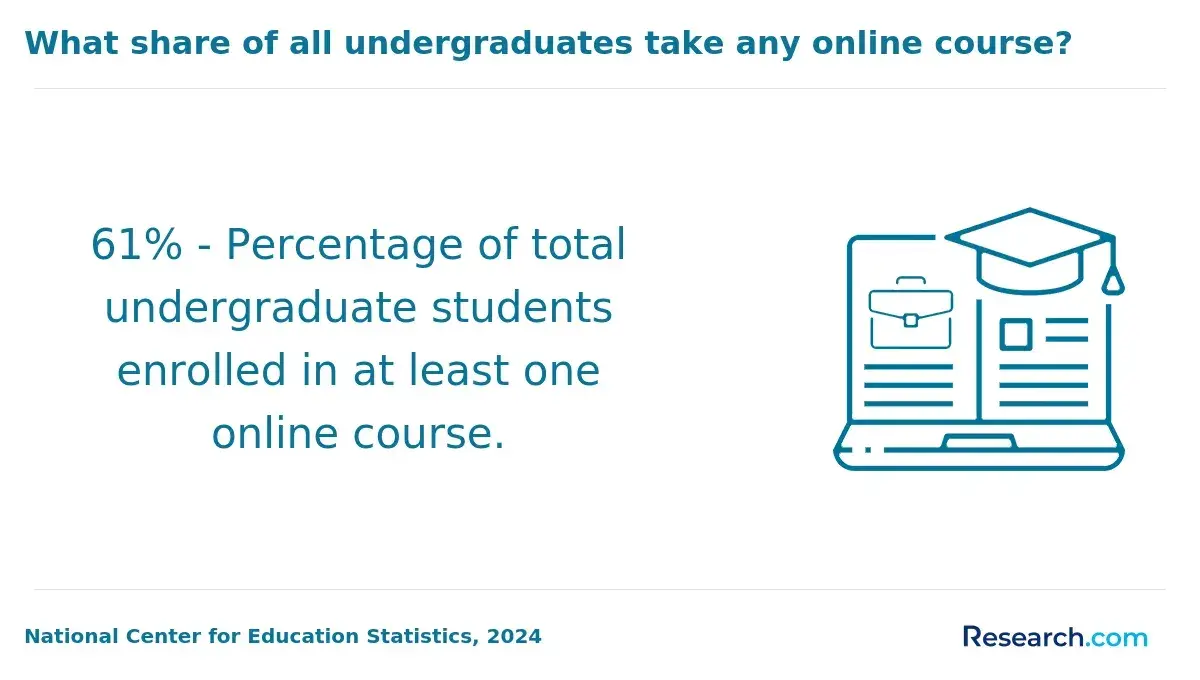
Online education has witnessed significant growth, particularly in fields aligned with professional licensure. For example, enrollment in licensure-track programs has increased by over 30% in recent years, reflecting wider acceptance of remote learning as a legitimate pathway to credentials. This expansion includes environmental science degrees offered online, which are increasingly recognized by educational institutions and employers alike. Such trends set the stage for exploring how online environmental science degree licensure requirements are addressed by various programs.
Whether an online environmental science degree qualifies for licensure depends largely on factors like institutional recognition, program structure, and incorporation of practical components. Programs must meet established academic standards, ensuring their coursework aligns with core competencies required for professional practice. Practical experiences such as laboratories or fieldwork are often essential to satisfy licensing criteria. Students interested in this path should carefully examine state licensing eligibility with online environmental science degree programs to confirm compliance; resources such as online speech pathology programs masters listings can illustrate accredited online education models accepted in licensure contexts.
Which Environmental Science Careers Require Professional Licensure?
Professional licensure in certain environmental science careers ensures adherence to safety, ethics, and regulatory standards, protecting both public health and the environment. More than 80% of environmental professionals, including engineers and scientists, require some form of licensing or certification to legally practice. Below are several key careers where licensure plays a critical role in verifying expertise and accountability.
- Environmental Engineer: These specialists design systems to manage pollution, waste, and natural resource protection. Licensure confirms their technical competence and legal accountability for projects that directly impact public safety and environmental health.
- Professional Soil Scientist: Soil scientists evaluate soil conditions to advise on land management and conservation. Licensing maintains professional standards to safeguard soil health, which is essential for sustainable agricultural and environmental practices.
- Hydrologist: Hydrologists focus on water quality and cycles, often consulting on water resource management. Licensure ensures they meet ethical and technical criteria necessary for managing water sustainably and mitigating hazards such as contamination and flooding.
- Wildlife Biologist: In several states, licensure or permits are required for wildlife biologists engaged in conservation and management. This protects ecosystems by confirming their qualifications to develop and implement responsible conservation strategies.
A Environmental Science degree graduate shared that navigating licensure requirements can be daunting but essential. "The process felt overwhelming at first-balancing coursework with understanding licensing demands-but it ultimately validated my skills," he noted. He emphasized that knowing which careers need licensure helped him focus his education and career path with greater clarity, describing it as a valuable guide in pursuing professional credibility.
What Accreditation Is Required for Environmental Science Licensure?
Accreditation plays a vital role in determining whether an online environmental science degree satisfies the educational requirements for professional licensure. Data from ABET shows that graduates of accredited programs have about a 15% higher success rate on licensure exams compared to those from non-accredited programs. This highlights the significance of choosing a program with recognized accreditation. Below are key accrediting bodies relevant to environmental science licensure.
- Accreditation Board for Engineering and Technology (ABET): ABET accredits many environmental engineering and applied science programs, ensuring they meet rigorous standards for both theoretical knowledge and practical skills. Graduates from ABET-accredited programs often fulfill the educational prerequisites needed for licensure.
- Council for Accreditation of Environmental Education (CAEE): CAEE focuses on programs emphasizing environmental literacy and stewardship. While not always a strict requirement for licensure, its accreditation signals strong program quality and professional preparation.
- Regional Accreditors such as Middle States Commission on Higher Education (MSCHE): These accreditors verify the overall academic quality and institutional integrity, a baseline that many licensing boards require for degrees to be considered valid for licensure eligibility.
- National Environmental Health Science and Protection Accreditation Council (EHAC): EHAC accredits programs specifically in environmental health science, a field closely related to environmental science, and its recognition can be essential for licensure in environmental health specialties.
Do Licensure Requirements Vary by State for Environmental Science Careers?
State regulations play a crucial role in determining licensure eligibility for graduates of both online and traditional environmental science degree programs. In fact, over 60% of U.S. states have distinct rules governing educational backgrounds and program accreditation for licensure. These variations significantly influence whether an online degree meets the criteria for professional certification or licensure. The following discussion highlights the impact of these state-specific factors.
Licensure requirements vary widely across states, affecting which environmental science licensing regulations apply and how educational credentials are evaluated. Some states require degrees from regionally accredited institutions or specific coursework that online programs may not offer. Additionally, acceptance of online degrees differs, with certain jurisdictions recognizing them while others prefer traditional on-campus education. This patchwork of state-level standards means eligibility for professional practice depends heavily on local rules rather than a uniform benchmark.
A degree seeker exploring licensure options should also consider cost-effective pathways; for example, information on the cheapest online master's in counseling may provide insights into affordable accredited programs in related fields.
What Online Courses Are Required for Environmental Science Licensure?
Online environmental science degree programs are designed to align closely with the educational requirements necessary for professional licensure. As of recent years, over 75% of higher education institutions have incorporated at least one fully online science degree, reflecting strong growth in digital learning's acceptance. This evolution has enabled programs to provide essential coursework that supports licensure eligibility. Below are common categories of courses typically required for this purpose.
- Foundational Sciences: Courses in biology, chemistry, geology, and ecology establish a critical understanding of natural systems and environmental processes. These classes provide the theoretical knowledge essential for any licensed environmental professional.
- Applied Practice: Programs emphasize hands-on skills through trainings like environmental sampling, data evaluation, and virtual field experiences. These practical courses help simulate real-world scenarios to build proficiency despite the online format.
- Ethics and Regulations: Instruction in ethical standards, environmental laws, and sustainable management is a core requirement. This coursework prepares students to navigate the legal and moral frameworks governing environmental work.
- Research and Data Analysis: Training in research methods, statistics, and critical data interpretation equips future professionals to assess environmental information rigorously, supporting evidence-based decisions in their careers.
A professional with an Environmental Science degree shared how navigating these course requirements online was initially daunting, especially balancing virtual labs and field simulations without in-person guidance. She appreciated how the structured curriculum ensured coverage of all licensure-aligned subjects, though mastering applied skills remotely demanded extra effort and discipline. Reflecting on her experience, she noted, "The transition from theory to practice felt gradual but rewarding. The online coursework pushed me to develop adaptability and problem-solving skills that proved valuable throughout my licensure process and beyond."
Do Online Environmental Science Programs Require Internships for Licensure?
Many licensure-aligned online environmental science programs include internships or practical experience components to prepare students for professional roles. Studies indicate that around 65% of students enrolled in online or hybrid environmental science degrees engage in internships or hands-on experiences during their coursework. Such opportunities enable learners to apply theoretical concepts in real-world settings, fostering critical skills and professional connections. This overview examines how these requirements fit into licensure pathways.
Internship expectations differ widely depending on the design of the online program and the criteria set by licensing authorities. Some programs mandate internships as a formal part of the curriculum, often arranged through collaborations with local organizations, while others encourage but do not require them. These experiences focus on practical skill development, such as fieldwork and environmental assessment, rather than merely serving as administrative steps. Ultimately, internships play a vital role in equipping students with applied expertise needed for successful careers in environmental science.
How Do Licensing Exams Work for Online Environmental Science Graduates?
Licensing exams serve as a standardized measure of competence for environmental science graduates, whether their degrees were earned online or through traditional programs. Pass rates for online program graduates closely match those of traditional students, with an average success rate near 78%, reflecting comparable preparedness. Below are important aspects of how these exams operate for online environmental science graduates.
- Eligibility Requirements: Graduates from accredited online environmental science programs are generally qualified to sit for licensing exams once they fulfill the prerequisite educational standards mandated by licensing authorities.
- Exam Content: Tests typically cover core subjects such as environmental regulations, ecology, chemistry, risk assessment, and resource management, assessing both theoretical knowledge and applied professional skills.
- Preparation Expectations: Candidates prepare using specialized study guides, review courses, and practical experience opportunities, mirroring the preparation methods used by traditional degree holders.
- Testing Administration: Exams are conducted in secure, proctored settings that may be in-person at authorized centers or through approved online proctoring platforms to maintain exam integrity.
- Pass Rate Parity: According to data from recognized environmental certification boards, online graduates achieve pass rates very similar to those from campus-based programs, underscoring the effectiveness of online environmental science education in meeting professional licensure standards.
How Do You Verify an Online Environmental Science Program's Licensure Status?
Choosing an online environmental science degree that aligns with professional licensure requirements is essential for career advancement. Studies show that nearly 30% of students encounter licensure challenges due to enrolling in programs lacking proper eligibility. To avoid this, students should carefully verify program licensure status before committing. Key steps to ensure licensure alignment include:
- Official Program Disclosures: Accredited schools usually provide clear information about whether their environmental science degrees prepare graduates for licensure. This data is often available in FAQs or admissions sections, helping students verify eligibility before enrollment.
- Institutional Accreditation: Confirming the school holds national or regional accreditation is vital since many state licensure boards require degrees from accredited institutions. This verification supports alignment with educational standards and licensure criteria.
- Licensing Board Requirements: Consulting the specific state or professional licensure board helps determine approved educational programs. Cross-referencing the online environmental science program against these boards' listings confirms that the curriculum meets state standards.
- Program Outcomes: Reviewing licensure pass rates and employment success data offers insight into how well a program prepares students for professional credentials. Programs that publicize this information demonstrate transparency and accountability.
- Additional Resources: Prospective students can also explore related options such as the 2 year construction management degree online to understand alternative pathways and verify accreditation of online environmental science degrees within broader educational contexts.
What Challenges Do Online Environmental Science Students Face With Licensure?
Licensure pathways for online environmental science students are often more complex due to differences in program structures and state-specific credentialing rules. Studies show fewer than 60% of online environmental science graduates achieve licensure within five years, reflecting significant challenges in meeting professional requirements. These obstacles can delay or obstruct eligibility, particularly given the varied licensure requirements that exist nationally. Below are key challenges faced by online environmental science students in licensure attainment:
- Varied Program Expectations: Programs differ widely in curriculum design, making it difficult for some students to verify that their education fulfills state licensure requirements. This disparity in program standards complicates the process of meeting state licensure requirements for environmental science degree holders.
- Documentation Complexity: Licensing bodies often require detailed transcripts, course descriptions, and additional verifications. Incomplete or inconsistent documentation from online institutions can hinder timely approval of applications.
- Professional Standards Alignment: Some online degrees emphasize theory over practical skills, which might not align with licensing boards' standards. This gap often forces students to seek extra coursework or alternate credentials to qualify.
- Eligibility Pathway Confusion: Eligibility varies by state and career path, and online students may lack access to advising focused on navigating these intricate pathways, leaving them uncertain about licensure steps post-graduation.
A resource offering a 1 year online master's in human resources highlights how accelerated programs can differ from traditional routes, paralleling challenges seen in environmental science licensure. Understanding these licensing challenges for online environmental science graduates can better prepare students to navigate complex credentialing requirements.
Are Online Environmental Science Degrees Respected in Licensed Professions?
Over recent years, attitudes toward online education in licensed professions, including environmental science, have significantly evolved. A 2023 Society for Human Resource Management survey found that 78% of employers regard online degrees as equally credible when offered by respected institutions. This shift reflects broader recognition of the legitimacy of digital learning pathways. Such changes set the stage for examining whether online environmental science degree accreditation for licensure meets professional standards.
Respect for online environmental science degrees in licensed fields primarily depends on the program's quality, thorough learning outcomes, and students' ability to demonstrate relevant competencies rather than just the delivery format. As acceptance increases, well-structured programs that align with career demands gain more favor among employers and licensing bodies alike. Prospective students may also explore options like an accelerated master's program psychology as a model of how rigorous online education can be delivered efficiently. The key takeaway is that professional respect revolves around educational substance rather than whether it is earned online or in person.
What Graduates Say About Online Environmental Science Degree Licensure Qualifications
- Lewis: "Choosing to pursue an online environmental science degree was a game changer for me. I researched thoroughly and found that many programs meet the educational requirements for licensure in most states, which gave me confidence in my decision. Earning my license after graduation opened many doors in consulting and allowed me to apply my knowledge practically in environmental impact assessments."
- Evan: "When I started my environmental science degree online, I was unsure if it would qualify me for professional licensure. Throughout the process, I learned that accreditation matters most, and I made sure to enroll in a program recognized by relevant licensing boards. Achieving licensure has not only validated my expertise but also significantly boosted my credibility and career advancement opportunities."
- Jodi: "Reflecting on my journey, pursuing an online environmental science degree was a flexible yet rigorous path toward professional licensure. Many employers now respect online degrees, especially when combined with licensure, which verifies practical skills and knowledge. This credential has been invaluable, allowing me to work on governmental projects and contribute meaningfully to environmental policy and regulation."
Other Things You Should Know About Environmental Science Degrees
Yes, some licensure boards consider professional experience as part of their eligibility criteria. Graduates with relevant environmental science work history may fulfill part of the required practical training. However, this varies by licensing authority, so it is important to confirm whether experiential learning complements academic qualifications.
In many cases, licensure requires passing specific exams or obtaining certifications beyond the degree itself. For example, candidates might need safety training certificates or state-specific credentials. These additional qualifications ensure that licensed professionals meet all regulatory standards.
In 2027, the mode of degree delivery, whether online or in-person, generally does not affect the licensure application process for environmental science. Licensure typically emphasizes program accreditation and curriculum rather than delivery method. However, applicants should ensure that their program is accredited by a recognized body.
References
- Join-Board Certified Environmental Scientist https://www.aaees.org/bces
- Certification Guide for Young Professionals - Board for Global EHS Credentialing https://gobgc.org/professional-environmental-certifications-professionals/
- Occupational licenses for Environmental Science and Protection Technicians, Including Health in US | CareerOneStop https://www.careeronestop.org/toolkit/Training/find-licenses.aspx
- Environmental Certifications for entry-level and career changers https://www.theenvironmentalcareercoach.com/certification-links
- Balancing Innovation and Environmental Responsibility in Digital Learning https://www.digitallearninginstitute.com/blog/balancing-innovation-and-environmental-responsibility-in-digital-learning
- CES - Certified Environmental Scientist https://www.nrep.org/certifications/certified-environmental-scientist-ces
- Qualification Accreditation Scheme https://www.eianz.org/resources/qualifications-accreditation-scheme
- Certificate of Environmental Sciences (Interdisciplinary Distance-Learning Program in Environmental Sciences – infernum) https://www.fernuni-hagen.de/english/study/academic-programs/continuing-education/infernum.shtml
- Environmental Scientist Certification Verification Form Template | Paperform https://paperform.co/templates/environmental-scientist-certification-verification-form/
- 3100+ Environmental Science Online Courses for 2026 | Explore Free Courses & Certifications | Class Central https://www.classcentral.com/subject/environmental-science