2027 Sacred Heart University for Working Adults: Flexible Schedules, Transfer Credits, and Online Format

Co-Founder and Chief Data Scientist
Balancing a full-time job and family obligations while pursuing a degree requires more than just determination. Working adults often face unpredictable schedules and limited time for campus visits. Sacred Heart University reports that over 40% of its nontraditional students successfully leverage transfer credits to shorten time to graduation, reflecting a practical route for those with prior learning or experience. This statistic highlights how credit flexibility can directly impact a student's ability to progress without pausing their career or personal life.
This article examines whether Sacred Heart University's flexible scheduling options, transfer credit policies, and online programs align with the realities of working adults. It provides an analytical perspective on how these features affect students' practical decision-making and long-term educational value.
Key Points About Sacred Heart University's Flexible Schedules, Transfer Credits, and Online Learning for Working Adults
- Sacred Heart University's asynchronous online format with fall and spring start dates permits part-time enrollment, enabling working adults to integrate study with variable work schedules and personal commitments without requiring fixed classroom attendance.
- The university's broad transfer credit acceptance, including ACE, CLEP, DSST, and AP credits, reduces time to degree by applying prior learning, which is critical for adults seeking efficient credential completion alongside ongoing responsibilities.
- Admission requirements balance rigor and accessibility, requiring a high school diploma or GED, TOEFL scores, and recommendations; recommended testing offers flexibility while maintaining a moderately challenging admissions standard for adult learners.
Is Sacred Heart University a good fit for working adults?
Sacred Heart University's acceptance of transfer credits, online learning options, and flexible scheduling make it a practical option for working adults managing jobs and family responsibilities. Nearly half of the student body engages part-time or fully online, offering varied pacing that can reduce conflicts with irregular work hours. For example, a professional with evening shifts could leverage these formats to complete coursework without sacrificing income or caregiving duties.
The experience depends heavily on individual circumstances. Some programs may demand synchronous participation or substantial technology use, which can pose challenges for those with limited connectivity or fixed work shifts. Prior college experience also matters, as those with transferable credits will find shorter time to degree completion. Learners who prefer structured, face-to-face environments might find the online modalities less supportive without strong self-motivation.
Compared to peers, Sacred Heart University offers flexibility typical of mid-tier institutions targeting adult learners, but its moderate graduation rate of 74% suggests academic support is adequate yet not exceptional. Its median graduate earnings near $75,000 point to a reasonable return on investment, but working adults should weigh this against employer recognition in their fields. Those relying heavily on institutional reputation for advancement may find better options elsewhere.
Ultimately, Sacred Heart suits working adults prioritizing flexible credit transfer and pacing over selective prestige. The balance between online convenience and consistent institutional support is a key consideration in deciding if it fits specific career and life demands.
How flexible are Sacred Heart University's online class schedules?
Sacred Heart University structures its online classes to support working adults managing work, family, and personal commitments through a mix of traditional 16-week semesters and accelerated 5- or 8-week courses. This design enables students to complete courses faster or spread them out according to their capacity. Approximately 75% of these courses are asynchronous, allowing learners to study on their own schedule, a crucial factor for adults balancing multiple responsibilities. Multiple start dates throughout the year further enhance the ability to integrate education with changing work and family demands, making Sacred Heart University online courses tailored for working adults.
Scheduling flexibility can depend heavily on the program's nature. Degree paths requiring live sessions, internships, clinical practicums, or group projects might limit asynchronous options, complicating a fully self-paced approach. For example, a working nurse pursuing an online degree may need to coordinate clinical hours that align with employer schedules. This means that while the platform offers adaptable pacing, students must account for these fixed elements in their planning to maintain progress without burnout.
Compared to similar institutions, Sacred Heart's scheduling options strike a balance between structure and flexibility. Many universities offer mainly fixed-semester courses with fewer accelerated options. Sacred Heart's use of shorter terms helps those aiming for quicker credential completion, a feature valued by employers who often prioritize timely graduation and skill relevance. However, the increased pace demands heightened self-discipline, which may not suit all learners.
For adults searching for a cheap online doctorate degree with flexible pacing, Sacred Heart's offering presents practical choices but requires weighing the tradeoffs of accelerated versus traditional formats. Realistically, its scheduling flexibility can fit well into most professional and personal lives if students carefully assess program-specific obligations and their own time management capabilities.
How long does it take working adults to finish a degree at Sacred Heart University?
The average degree completion time for working adults at Sacred Heart University typically extends beyond the traditional four-year timeline. Most part-time online students, balancing employment and family commitments, take about five to six years to graduate. This timeline reflects the practical challenges of managing course load alongside professional responsibilities and the university's structured academic calendar. Sacred Heart's average graduation rate of 74% includes both full-time and non-traditional learners, indicating that while a majority complete their studies, the pace varies significantly based on individual circumstances.
Sacred Heart University degree timeline for adult learners can be shortened through effective use of transfer credits and prior learning assessments. Recent trends show increasing numbers of students applying transfer credits, often reducing time-to-degree by one to two years. However, the university's primarily term-based schedule, with 6-week or 8-week accelerated courses, offers limited flexibility compared to fully self-paced models. This means that although students can speed up credit accumulation during accelerated sessions, they must still adhere to fixed term start and end dates, which impacts pacing decisions for working adults balancing multiple priorities.
In comparison to similar colleges, Sacred Heart's timeline is realistic but not the fastest path available. Other institutions offering competency-based education allow students to progress at their own speed, sometimes enabling completion in less than five years for adult learners. Sacrificing some flexibility for structure may suit students who prefer clear pacing with consistent deadlines but could be restrictive for those needing maximum adaptability. Working adults must weigh the benefits of Sacred Heart's schedule against the potential for longer degree completion, assessing career demands and employer expectations on timely credentialing.
For example, a working parent enrolled part-time who brings transfer credits from a previous college may complete a degree in around five years by leveraging accelerated terms. Yet, this timeframe stretches for those managing full-time jobs and limited weekly study hours. It remains crucial for prospective students aiming for the cheapest easiest online degree to consider how well Sacred Heart balances flexibility and progress speed in relation to their personal situation and industry timelines.
Transfer credits offer working adults a practical way to reduce the time and financial costs of earning a degree while managing job duties and personal commitments. By applying previously earned credits at Sacred Heart University, students can avoid repeating foundational courses, enabling a sharper focus on major requirements and electives that align with career goals.
According to recent data from the National Student Clearinghouse Research Center, nearly 60% of working adults graduate faster when leveraging transfer credits, cutting degree duration by an average of 25%. This statistic highlights the tangible impact of transfer credits in balancing educational progress with life's competing demands. Here are key factors demonstrating how transfer credits help accelerate graduation timelines.
- Fewer Remaining Degree Requirements: Transfer credits reduce the total number of courses needed to graduate. For working adults, this lowers academic pressure and helps maintain steady progress without overextending their schedules.
- Reduced Course Load Per Term: By covering core or general education credits through transfer, students can take fewer classes each semester. This flexibility is essential for managing full-time work alongside coursework.
- Lower Overall Tuition Costs: Fewer credits to complete means reduced tuition expenses, which eases financial strain for adults balancing education with family and living costs.
- Accelerated Entry into Advanced Coursework: Transfer credits open earlier access to upper-level courses. This not only sustains motivation but better aligns academic work with specific career interests.
- Minimized Risk of Academic Burnout: A lighter course load spread over fewer terms decreases exhaustion, making degree completion more sustainable for busy adults.
- Strategic Scheduling Around Work Obligations: Knowing which credits transfer allows students to plan academic terms around critical work periods, avoiding conflicts that could delay progress.
- Compliance with Graduation Requirements: Properly applied transfer credits ensure all institutional and program-specific mandates are met, preventing last-minute surprises that can prolong studies.
One Sacred Heart University student recalled juggling a 40-hour workweek and family care while transferring 30 credits from a previous institution. She initially hesitated, worried the process would be cumbersome. However, efficiently mapping those credits to degree requirements let her enroll in fewer classes each semester without overloading her schedule. This approach reduced her projected graduation time by nearly a year, providing much-needed relief amid intense personal and professional demands.
Sacred Heart University recognizes multiple forms of prior learning for academic credit, including standardized exams such as Advanced Placement (AP), CLEP, and DSST/Dantes, as well as credits recommended by the American Council on Education (ACE). While professional certifications and formal assessments like portfolio reviews are also considered, raw work experience alone does not automatically earn credit. Students must clearly demonstrate how their experiences align with specific course competencies through a documented Prior Learning Assessment process.
Eligibility for credit varies by degree program and institutional policies. Sacred Heart University requires detailed evidence and alignment with learning outcomes, meaning students in technical or specialized programs might face stricter evaluation criteria than those in more flexible fields. For example, a nurse with documented clinical experience could receive course credit after portfolio review, while a worker in an unrelated field may need to complete more traditional coursework despite years of experience.
Compared to peer institutions, Sacred Heart University's approach balances openness to prior learning with limits on non-traditional credits to protect academic rigor. Many adult-serving universities now offer expanded credit-for-experience options, with nearly 70% increasing PLA programs to shorten degree pathways for working adults, per the National Center for Education Statistics. This trend supports faster, cost-effective degree completion when documentation meets standards, but outcomes depend heavily on the quality of evidence and the chosen program's structure.
The transfer credits policy for working adults at Sacred Heart University often complements PLA opportunities, allowing students to combine previous college credits with assessed experiential learning. This layered credit approval process helps avoid repetition and accelerates degree progress for individuals juggling work and family. A prospective student exploring an associate's degree or higher should evaluate both transfer and prior learning options to optimize their academic timeline and financial investment.
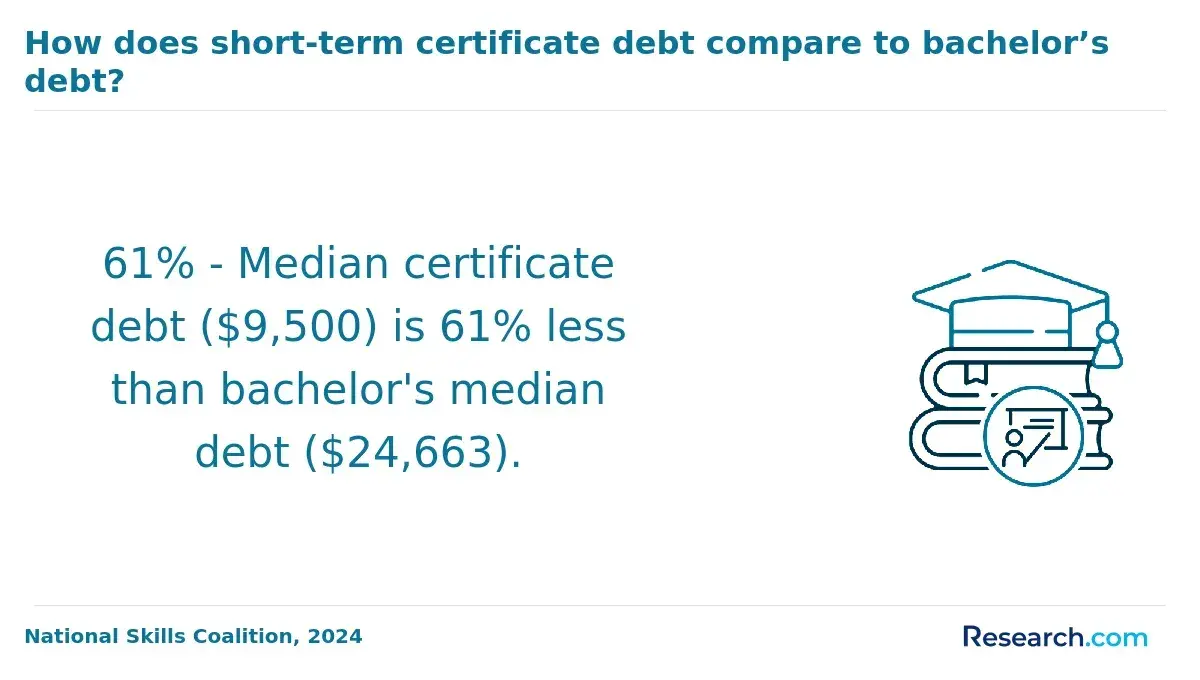
Working adults returning to Sacred Heart University's online programs face a complex challenge. Success requires a combination of reliable technology and strong online learning habits. The integration of digital tools with daily life means students must handle unexpected disruptions, shifting work schedules, and competing family demands. For example, a nurse managing irregular shifts must complete assignments during brief windows of free time, making system reliability and efficient task management crucial. With over 58% of working adult higher education students now fully enrolled online, according to recent research, these skills directly impact program completion and degree value.
Key technology and online learning skills necessary at Sacred Heart University include the following:
- Reliable Hardware and Software: Students need a dependable computer and up-to-date applications like browsers, word processors, and PDF readers. Outdated or malfunctioning devices risk missing deadlines and hinder coursework submission, especially when working adults juggle limited study time around employment.
- Proficiency with Learning Management Systems: Navigating the Canvas LMS efficiently ensures timely access to lectures, assignments, and forums. Building comfort with this system reduces time spent troubleshooting so students can concentrate on learning amid other responsibilities.
- Strong Digital Literacy Skills: Beyond operating software, students must independently manage tasks such as uploading files, engaging in discussions, and accessing resources. Enhancing digital literacy minimizes frustration and enables smoother communication with instructors and peers.
- Effective Time-Management Strategies: Allocating dedicated study periods and avoiding last-minute work is critical. Working adults can utilize planners or digital calendars synchronized with work schedules to balance academic and personal demands.
- Self-Motivation and Discipline: Without classroom prompts, students must proactively initiate studies and manage distractions. Cultivating routine habits supports steady progress, especially when facing irregular work hours.
- Access to Stable Internet Connectivity: Consistent high-speed internet helps avoid disruptions during live sessions or assignment uploads. Working adults living in areas with unreliable service may need contingency plans like mobile hotspots to maintain access.
- Problem-Solving and Tech Support Utilization: Encountering technical issues is inevitable. Knowing how to troubleshoot minor problems quickly or seeking prompt assistance from Sacred Heart's support services prevents delays and lost study time.
One Sacred Heart University graduate recalled, "At first, I underestimated how much my old laptop would slow me down. My job as a retail manager left me squeezing study hours late at night, and frequent crashes made me panic about missing assignment deadlines. Once I upgraded my hardware and got familiar with Canvas, everything changed. I could actually focus on the content instead of fighting with the technology. I still had to carve out quiet moments away from family responsibilities, but knowing the platform worked gave me a sense of control I didn't expect." This reflection highlights how working adults develop practical technical competence under pressure while managing real-world constraints.
Working adults face significant challenges in balancing education costs with employment and household expenses. Determining Sacred Heart University's affordability involves more than tuition numbers. The university's total cost of attendance reaches $66,669, but this figure masks the flexibility of online tuition models designed for part-time enrollment. For many adult learners, the key to affordability lies in leveraging multiple funding sources and flexible program structures to minimize their financial strain while maintaining work commitments. The following factors highlight how Sacred Heart University can offer cost-effective degree programs for adult learners.
- Financial Aid Accessibility: All students at Sacred Heart receive some form of financial aid, reducing out-of-pocket expenses. Working adults can combine institutional scholarships with federal aid, including grants and subsidized loans through FAFSA, optimizing funding opportunities to manage costs.
- Employer Tuition Assistance: Approximately 60% of adult learners nationwide benefit from employer tuition reimbursement programs. Sacred Heart supports employer partnerships and corporate discounts, enabling students to use workplace benefits to offset tuition expenses effectively.
- Per-Credit Tuition Structure: The university typically charges tuition on a per-credit basis, accommodating part-time enrollment. This flexibility allows working adults to spread costs over time, balancing course loads with income flow and work schedules.
- Transfer Credit Savings: Transfer policies enable students to apply previously earned credits toward their degree, preventing unnecessary course repetition. Such credit transfers can save adult learners 20-30% of total costs by shortening time to degree completion.
- Online Program Flexibility: Sacred Heart's online formats allow students to study remotely and on their own schedule. This flexibility reduces indirect expenses such as commuting and childcare, making it easier for working adults to remain enrolled and progress steadily.
- Strategic Use of Accelerated Programs: Choosing from best accelerated programs can further reduce time and tuition spent, offering a practical path to degree completion without extended income loss.
Balancing higher education with full-time employment and family obligations creates unique challenges for many adult learners. These students often face significant time constraints that reduce study hours and increase stress. A practical example includes a worker managing a 40-hour week, childcare, and coursework deadlines simultaneously, which can delay academic progress. The online format at Sacred Heart University adds flexibility but can heighten feelings of disconnection, undermining motivation. Based on data from the National Center for Education Statistics, 44% of adult learners report managing time and responsibilities as the main barrier to degree completion. Below are key challenges frequently encountered by working adults at Sacred Heart University.
- Time Management Conflicts: Juggling work shifts, family duties, and study time often leads to insufficient preparation for assignments or exams. Prioritizing tasks using detailed schedules and setting realistic goals can help maintain steady progress.
- Limited Peer Interaction: The online format limits spontaneous engagement, which reduces opportunities for collaboration. Joining virtual study groups or discussion forums can mitigate isolation and enhance learning.
- Technological Adjustment: Returning adult learners must rapidly adapt to current academic and digital tools. Utilizing available tech support and training resources is essential to meet course demands effectively.
- Stress from Competing Responsibilities: Balancing multiple roles increases stress levels, impairing focus and retention. Regular self-checks and access to counseling services can improve emotional resilience.
- Delayed Academic Momentum: Gaps since last formal education make reacclimating difficult, slowing progress toward graduation. Leveraging transfer credits and accelerated bachelor's degree programs for adults can shorten this adjustment period.
- Uncertain Employer Support: Not all workplaces accommodate study schedules, limiting flexibility. Transparent communication and negotiating study-friendly work arrangements are critical.
- Financial Pressures: Tuition and living costs can strain budgets without interrupting work, causing divided attention. Exploring scholarships or employer tuition assistance helps offset expenses.
Working adults must evaluate online schools beyond reputation to address the complexities of balancing education with existing job and family responsibilities. Factors like scheduling flexibility, credit transfer policies, and learning format directly influence the feasibility of completing a degree. A working parent, for example, may prioritize programs offering asynchronous classes and generous credit recognition to avoid retaking prior coursework. Sacred Heart University compares to peer institutions in several practical dimensions that affect adult learner success. Key distinctions across these factors reveal important tradeoffs for prospective students.
- Flexible Scheduling and Format: Sacred Heart offers a range of asynchronous and evening classes designed to fit around full-time work. This flexibility matches many competitors but may fall short of programs with fully self-paced options. Adults should consider how course availability aligns with their specific schedules to avoid enrollment delays.
- Transfer Credit Policy Generosity: The university's policies tend to accept a broader scope of prior learning and professional experience than many equivalents. This can shorten time to degree and reduce costs, which is critical for working adults seeking efficiency. Evaluating the exact limits on accepted credits is vital before committing.
- Career Support for Adult Students: Sacred Heart stands out with its dedicated network supporting adult students and targeted career counseling. While helpful, the impact depends on engagement and local employer connections. Adults should gauge if these services align with their industry demands and geographic market.
- Graduation and Retention Rates: Graduation and retention for adult learners rank around the mid-tier compared to leading online universities. This suggests potential challenges in maintaining momentum for some students. Prospective adult learners may need to assess personal discipline levels against the school's engagement efforts.
- Tuition Cost Relative to Value: Tuition is slightly above average among peer online programs, which can deter price-sensitive learners despite favorable earnings outcomes. Given Sacred Heart's $75,059 median alumni salary and $66,669 cost of attendance, the earnings to debt ratio of 3.00x signals strong ROI but demands comparing affordability against alternative schools.
- Student Satisfaction and Experience: A study from the National Center for Education Statistics finds Sacred Heart's online student satisfaction comparable with peers. Satisfaction levels affect persistence and learning quality, so prospective students should consider reviews and platform usability to avoid surprises in the virtual learning environment.
- Alumni Earnings Compared to Debt: A median alumni earnings figure notably surpasses institutional debt levels, which is not universal among online colleges. This advantage enhances the financial soundness of enrollment decisions but should be balanced against program fit and personal circumstances.
Sacred Heart University's online programs offer flexible scheduling and widely accepted transfer credit policies that suit working adults managing multiple responsibilities. These features can facilitate professional skill development, career shifts, or advancement without interrupting current work commitments. For example, a registered nurse pursuing a Bachelor of Science in Nursing online can access coursework aligned with industry standards while maintaining shift work, positioning for higher certifications or leadership roles.
The real value of a Sacred Heart degree depends heavily on the student's field and employer expectations. Programs in nursing and computer sciences correspond to higher median earnings, such as $78,350 and $54,521 respectively, which indicates market alignment. Conversely, degrees in communication or psychology with median salaries near $27,633 and $29,831 may offer limited financial return, especially when employers require licensure or additional credentials beyond the degree. Career services and networking opportunities exist but may not bridge gaps in industries with strict accreditation demands.
Compared to peer online institutions, Sacred Heart University scores respect in practical business and healthcare sectors but carries less weight where advanced licensure or national certifications govern career progression. A 2024 study by the National Association of Colleges and Employers found that 62% of online bachelor's graduates secure work related to their field within six months, suggesting Sacred Heart's online format delivers comparable employment prospects. Students should weigh this against other schools' partnerships and employer networks to assess long-term returns specific to their goals.
Choosing Sacred Heart University fits best for learners prioritizing flexible, career-relevant education in sectors showing positive salary trajectories and supportive employer views of online credentials. However, those targeting professions with stringent licensure or highly competitive job markets may need complementary strategies beyond degree completion. Balancing convenience, cost, and program alignment with the local and national labor market remains crucial for maximizing the investment's practical payoff.
What Graduates Say About Sacred Heart University's Flexible Schedules, Transfer Credits, and Online Learning for Working Adults
- Jackson: "Balancing a full-time job with my studies at Sacred Heart University was challenging, but the flexible scheduling options made it manageable. The transfer credit evaluation was thorough-I had to carefully document my previous coursework and sometimes negotiate which credits fit SHU's curriculum. I chose to take a steadier course load rather than accelerating with transfers to avoid burnout, which extended my graduation slightly but kept me consistent. After completing my degree, the blend of practical knowledge and the university's reputation really opened doors in my field of project management."
- Cesar: "What really stood out during my time at Sacred Heart University was how the online format allowed me to adjust course pace around unpredictable work demands. The transfer credit process was a bit slower than I expected, especially since some courses didn't align perfectly, but having that initial flexibility helped me plan out semesters without overloading. I pushed to complete credits early, which helped me graduate faster, though it meant juggling heavier semesters when work was demanding. Ultimately, the certification I earned gave me a definite edge in promotions within my company."
- Andre: "I appreciated Sacred Heart University's hands-on approach to evaluating my transfer credits-there was a clear spreadsheet system I could track, which helped me stay organized. The challenge was fitting classes that matched my work schedule; some courses had limited time slots, so the flexible online option was essential but required rigorous self-discipline. I took a cautious path, spacing out courses more evenly to maintain work-life balance, which delayed my graduation by a term but prevented burnout. Since graduating, I've seen how my degree's credibility has strengthened my consulting work with clients."
Other Things You Should Know About Sacred Heart University Degrees
Sacred Heart University's online courses often follow an accelerated format, demanding concentrated weekly engagement that can conflict with full-time work hours. While the flexibility to access materials anytime aids scheduling, consistent participation in live discussions or group work can still strain availability. Working adults should prioritize courses that align with their weekly peak productivity periods and communicate rigor upfront to employers when negotiating workload or schedule adjustments.
Sacred Heart University typically accepts transfer coursework only from regionally accredited colleges, and most undergraduate courses must carry a grade of C or better for consideration. The final number of accepted credits is set by the registrar after reviewing official transcripts, course descriptions, and the program’s residency rules.
Sacred Heart University's online format integrates multimedia resources and interactive projects, though it may fall short of replicating hands-on experiences essential in certain professions. For working adults targeting fields requiring practical skills, supplementing online classes with external internships or employer-sponsored training is advisable. This hybrid approach ensures you gain applicable competencies that employers value beyond theoretical knowledge delivered in the virtual environment.
- Sacred Heart University Online NP Programs https://www.npschools.com/profiles/sacred-heart-university
- Transfer Credit Policy - Sacred Heart Seminary and School of Theology https://www.shsst.edu/transfer-credit-policy/
- Device order portal - Sacred Heart College https://shc.sa.edu.au/hearts-hub/device-order-portal/
- Adjusting to Online Classes https://www.shuspectrum.com/archives/perspective/adjusting-to-online-classes/
- Sacred Heart College Napier https://www.sacredheartnapier.school.nz/Learning/online-learning
- Digital Learning - Sacred Heart College, Auckland https://www.sacredheart.school.nz/academic/digital-learning
- Educational Technology & BYOD https://www.shcp.edu/academics/educational-technology-byod
- Recommended technology requirements for remote/online learning https://ito-engineering.screenstepslive.com/s/ito_fase/a/1243406-recommended-technology-requirements-for-remote-online-learning
- SHU Dingle - Tuition & Fees - SHU in Dingle | Sacred Heart University Connecticut https://shuindingle.com/shu-tuition-fees/