2027 Brenau University Online Degree Costs Compared: Which Programs Are Most Affordable?

Co-Founder and Chief Data Scientist
Deciding whether Brenau University fits a student's budget is challenging amid varied online tuition rates and unexpected fees. A prospective student may find it difficult to separate base tuition from digital fees or compare total costs across degree programs. Industry data now shows that online tuition rates can differ by more than 30% within the same institution, a gap driven by program-specific pricing and additional technology expenses. Recognizing these factors matters because seemingly affordable programs may carry hidden costs that impact long-term financial outcomes.
This article breaks down Brenau University's online degree costs across programs. It highlights which options deliver the most affordable paths and explains how to evaluate tuition, fees, and financial aid considerations to make an informed investment in distance education.
Key Points About Brenau University Online Degree Costs and Affordability
- Brenau University's total tuition reaches $55,345 for online degrees, while federal data shows a lower overall cost of attendance near $45,931, indicating possible variability from extra fees or cost-sharing elements influencing final expenses.
- Tuition per credit hour varies significantly by program, with business and healthcare costs exceeding liberal arts rates, reflecting differing resource needs and labor market demand rather than a uniform pricing approach.
- Students must assess these cost differences alongside financial aid availability, as higher tuition in select degrees does not always deliver better employer outcomes or justify greater debt burdens.
How Much Does an Online Degree Cost at Brenau University?
Brenau University's online tuition model offers a consistent per-credit cost regardless of residency, which contrasts with many public universities that impose higher rates on out-of-state students. Undergraduate tuition at roughly $615 per credit hour tends to be higher than some public options but lower than many private nonprofit counterparts. Graduate tuition running approximately $525 per credit hour is competitive, especially when combined with an added $300 to $600 per semester for technology and activity fees, which increase overall expenses.
Consider a working adult pursuing a bachelor's degree fully online. The shorter program length and uniform pricing reduce uncertainty in total cost, while asynchronous formats help balance work commitments. Compared to institutions with fluctuating net prices or restrictive transfer-credit policies, Brenau's stable tuition and accessible support services appeal to students prioritizing affordability and flexibility over marginally lower sticker prices elsewhere.
Online program tuition inflation nationally outpaces general higher education inflation by about 1.5% annually according to recent IPEDS data, emphasizing the need to assess value beyond sticker price. Brenau's pricing aligns with educational quality and workforce relevance, but prospective students must weigh this upfront expense against potential long-term career outcomes and institutional resources to justify return on investment.
Which Online Degree Programs at Brenau University Are the Most Affordable?
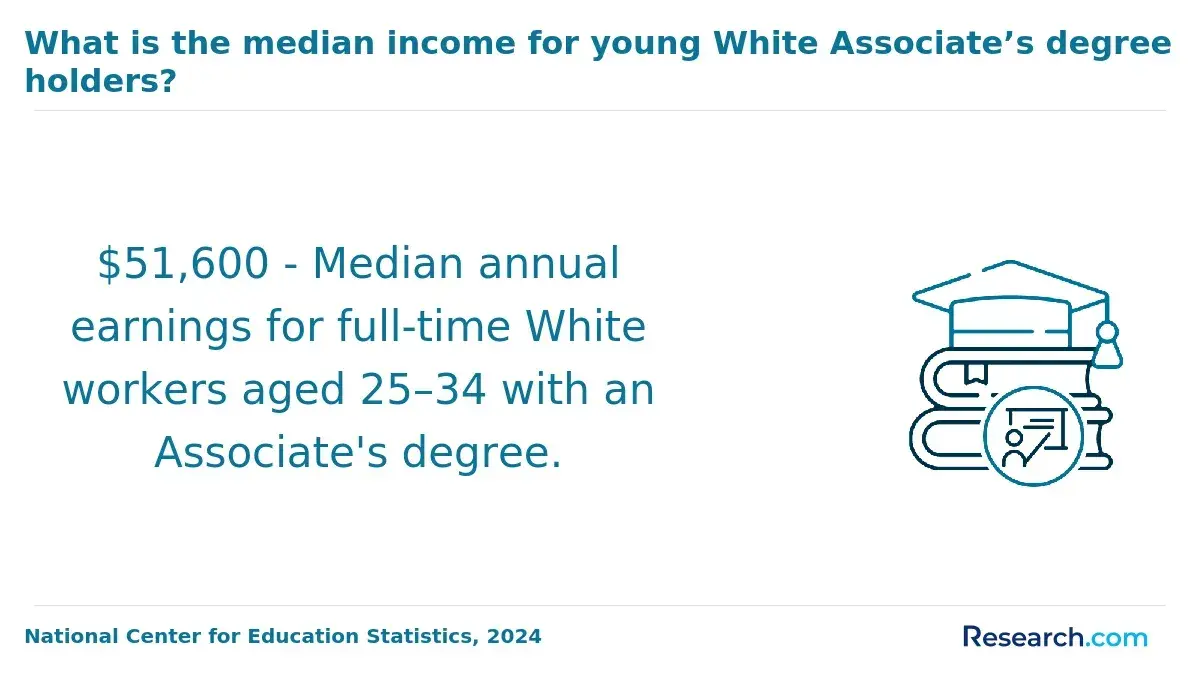
Associate degrees and select bachelor's programs at Brenau University offer the most affordable online options. The lower tuition per credit hour combined with fewer total credits (typically 60 for associates) reduces overall expenses significantly. Budget-conscious learners benefit when transfer credits shorten time to degree completion, limiting total costs.
Bachelor's online programs in health sciences and business maintain competitive tuition rates despite longer credit requirements. A 2024 UPCEA report confirms these undergraduate tuition rates fall below the national average for southeastern online programs, which helps sustain affordability in fields with strong labor market relevance.
Affordability is not only about sticker price; students must weigh program quality and flexibility. Programs with robust support services and career-aligned curricula can justify a somewhat higher cost by boosting postgraduation outcomes. For example, digital business pathways offer rising demand and moderate tuition, balancing cost against employability.
Graduate and specialized degrees carry higher tuition, making them a significant investment. Prospective students should carefully consider financial aid options, program length, and employment prospects before committing, as these factors heavily influence the real cost and return on investment.
How Do Online Bachelor's, Master's, and Doctoral Program Costs Compare at Brenau University?
Brenau University's online degree costs demonstrate a clear stratification that impacts affordability and program choice, especially when balancing upfront tuition and total investment over time. Undergraduate online courses charge a steady tuition of $415 per credit hour, which suits students aiming for lower overall debt. In contrast, graduate courses pose a higher tuition rate at $475 per credit hour, reflecting more specialized teaching and smaller class sizes. Doctoral offerings typically exceed $600 per credit hour once additional fees for residencies and practicum requirements are included, pushing total costs significantly higher. Tuition differences relate closely to program length, credit requirements, and mandatory fees. The following list outlines five key cost areas affecting prospective learners' decisions at Brenau University:
- Online Bachelor's Degree Tuition: At $415 per credit, this rate leads to a base program cost of approximately $49,800 for 120 credits. The predictable pricing with minimal added fees makes these degrees attractive for cost-conscious students seeking straightforward affordability.
- Graduate Course Costs: Master's programs charge $475 per credit, usually spanning 30-36 credits. This range results in tuition expenses between $14,250 and $17,100 before fees. Students with access to scholarships or assistantships often benefit most here, given the balance of elevated costs and financial aid opportunities.
- Doctoral Program Pricing and Fees: Due to added residency and practicum fees, per-credit costs for doctoral studies frequently surpass $600. These programs can push total costs above $40,000. Doctoral candidates must consider the extended time commitment and travel costs intrinsic to these intensives, which greatly affect affordability.
- Program Length and Total Credit Load: Longer credit requirements for bachelor's degrees translate into greater total tuition but lower per-credit rates. Graduate and doctoral programs tend to have fewer but more costly credits, influencing total out-of-pocket expenses differently based on degree goals and timelines.
- Financial Aid Accessibility: Graduate learners generally encounter broader financial aid options such as assistantships, which help mitigate the impact of higher tuition. Undergraduate students face fewer such benefits, making careful budget planning vital for this group at Brenau.
A 2024 National Center for Education Statistics report confirms that graduate-level online tuition typically exceeds undergraduate rates following national trends, underscoring why Brenau's master's and doctoral pricing align with broader cost structures. Prospective students considering the time and financial demands should evaluate programs like online doctoral programs not only on tuition but also the full spectrum of fees and career returns. Ultimately, Brenau University online degree tuition comparison reveals the importance of matching program costs to a student's financial capacity and educational objectives rather than viewing price alone as a marker of value.
What Is the Cost Per Credit Hour for Online Programs at Brenau University?
Brenau University's online tuition costs reflect a tiered structure that significantly impacts affordability depending on whether a student pursues undergraduate or graduate credentials. For working adults considering online study, the typical out-of-pocket cost to attend Brenau University may feel substantial upfront but varies by program and enrollment pattern. One practical scenario involves a part-time student balancing work and family who benefits from tuition caps, preventing runaway costs after a threshold of credit hours. The following list outlines key aspects of Brenau's per-credit-hour pricing for various online studies.
- Undergraduate Online Tuition: About $430 per credit hour with an additional $15 technology fee per credit. This rate applies uniformly to all online undergraduates, making it manageable for students aiming to progress steadily without residency restrictions.
- Graduate Program Rates: Tuition ranges from $485 to $520 per credit hour depending on the field. More intensive programs such as nursing often incur the higher end of the scale, reflecting clinical requirements that justify the premium.
- No Residency Differentiation: Brenau does not charge separate rates for in-state or out-of-state online students, which simplifies budgeting for prospective enrollees regardless of location.
- Tuition Caps: Most online programs implement caps after a certain number of credit hours. This mechanism is critical for accelerated or degree-completion majors where students can anticipate a maximum tuition liability even if they extend studies.
- Bachelor's Degree-Completion Affordability: The lowest per-credit rates tend to appear in bachelor's completion programs designed for transfer students and working adults. These paths offer financial predictability and a better average net price for Brenau University students seeking focused credentials.
The national average undergraduate online per-credit rate hovers around $370, according to the CHLOE report, which highlights how Brenau's pricing is somewhat above average. This matters because the higher tuition might signal increased support or specialized faculty engagement, which can translate into more rigorous preparation valued by employers. Students considering accelerated options such as 1 year associate degree programs should weigh this upfront expense against long-term career objectives and employer expectations. For those balancing cost against educational outcomes, Brenau's transparency in pricing and fee structures offers clarity in financial planning.
What Additional Fees and Expenses Should Online Students Expect at Brenau University?
Additional fees and expenses frequently reshape the practical affordability of an online degree at Brenau University, often surpassing initial tuition expectations. For example, a working adult enrolling remotely may find their budget strained by technology and course fees that, when combined with rising digital textbook costs, reduce financial flexibility. Recent research indicates digital textbook prices have increased roughly 6% annually, a trend that directly impacts students who depend on these resources without access to cheaper print alternatives. These cumulative costs highlight why it is critical to scrutinize not just tuition but the full spectrum of mandatory and variable fees tied to Brenau's online programs. The following outlines key non-tuition expenses prospective students should anticipate to plan realistically.
- Books and Supplies: Averaging $1,290, this amount covers essential course materials including textbooks and software. Costs vary by program depending on reliance on digital versus physical materials, and inflation in digital textbook pricing limits opportunities for cost savings.
- Technology Fees: Mandatory charges support online access, learning platforms, and IT infrastructure. Though generally the lowest non-tuition fee, students cannot avoid this cost but can expect consistent, predictable billing each term.
- Program-Specific Fees: These fees align with specialized administrative needs such as certification processing or lab access. They fluctuate by degree and course selection, making early program research vital for cost management.
- Graduation Fees: Charged upon program completion, these fees cover administrative and credentialing services. Timing and amount vary, so budgeting ahead is essential to avoid last-minute financial strain.
- Proctored Exam Charges: Emerging as a significant expense, these fees pay for online exam monitoring services. They differ by course and can be difficult to reduce, often adding an unexpected financial layer for students on tight budgets.
Does Brenau University Offer Financial Aid, Scholarships, and Tuition Discounts for Online Students?
Brenau University provides meaningful financial aid options for online students, including FAFSA-based grants, institutional scholarships, and some employer or military tuition reimbursement. However, institutional tuition discounts for online programs are less common, so federal aid and scholarships often play the largest role in reducing direct costs. Pell Grant use among distance learners increased by 8%, signaling rising federal support that significantly eases financial burden for eligible students.
Out-of-pocket expenses vary widely depending on enrollment status, residency, and program. For example, a full-time undergraduate with FAFSA aid and institutional scholarships may cut costs considerably below sticker price. In contrast, part-time learners or those in specialized online programs might face fewer discounts, resulting in higher net expenses despite similar tuition.
Employer tuition reimbursement and military benefits provide additional but inconsistent help, heavily reliant on external policies rather than university guarantees. Prospective students should verify eligibility, application deadlines, and renewal conditions for all aid sources to avoid unexpected shortfalls or loss of funding mid-program.
Careful calculation of total net price, factoring in aid timing and sustainability, is essential before committing. Online students must remain proactive to leverage available support while understanding that some online-specific tuition reductions remain limited, affecting affordability scenario by scenario.
"I almost dropped out because the software licensing fee wasn't in the brochure, and my tuition reimbursement took longer than expected to process," shared a recent Brenau online graduate. "Thankfully, I kept pushing through scholarship applications and employer paperwork. It was stressful juggling deadlines, but those funds kept my cost manageable and helped me finish without sinking deeper into debt."
Do In-State and Out-of-State Students Pay Different Online Tuition Rates at Brenau University?
Brenau University applies a flat online tuition rate regardless of whether students are in-state or out-of-state. Both groups face the same total tuition cost of $55,345 for an entire degree program. This approach removes the usual residency premium, which often complicates financial planning at other schools.
For students comparing In-State versus Out-of-State Brenau University online tuition differences, the flat rate simplifies budgeting. This benefits local Georgia residents, non-Georgia students, military learners, and working adults equally by eliminating the typical surcharge imposed on non-residents. However, total costs may vary with mandatory fees, transfer credit acceptance, and institution-specific discounts or military benefits.
Many public universities still charge non-resident online tuition premiums averaging 25% higher than in-state rates despite the State Authorization Reciprocity Agreement (SARA) aiming to standardize policies. Brenau's consistent pricing contrasts with this trend, offering greater predictability for those seeking affordable online degrees when compared to many nonprofit or public options.
Prospective students should confirm residency rules and verify fees and aid eligibility before enrolling. Knowing how transfer credits and employer partnerships might reduce overall costs is crucial. For those researching affordable institutions, Brenau University is highlighted among top online colleges offering straightforward tuition structures.
How Does Brenau University Compare to Other Universities for Online Degree Affordability?
Comparing the overall online-degree value of Brenau University against competitor colleges requires weighing nuanced financial and institutional factors beyond sticker tuition. Brenau stands out for its unusually high financial aid participation, which deeply influences net affordability compared with rigid tuition models at many public and private nonprofits. For example, a working adult military spouse balancing residency requirements and aid maximization may find Brenau's cost structure more adaptable than some regional public universities with strict in-state rates. This approach shapes long-term return on investment by reducing upfront debt and improving degree accessibility in practical terms. The following points highlight critical value metrics for understanding Brenau's place in the online education affordability landscape.
- Financial Aid Penetration: With 95% of students receiving aid, Brenau dramatically lowers out-of-pocket costs beyond published tuition rates. This makes total program expenses more manageable than many private nonprofits where aid is less prevalent and less generous.
- Tuition Stability Across Residency: Unlike public universities that sharply differentiate in-state and out-of-state rates, Brenau offers more consistent tuition, which benefits military and transfer students who relocate frequently and cannot lock into one residency.
- Moderate Tuition Positioning: Brenau's tuition likely lands in a middle range, avoiding both the lowest sticker prices of public institutions and the highest costs of some private online competitors. This balance aims at steady affordability rather than cheapest or most expensive options.
- Program-Specific Cost Variance: Total costs fluctuate based on credit load and program, requiring prospective students to scrutinize individual degree expenses carefully. This mirrors a wider trend in online education where one-size-fits-all pricing rarely applies.
- Competitive Net Costs After Aid: Since private online programs average 15-20% higher tuition than public rivals per a National Center for Educational Cost Analysis study, Brenau's substantial aid absorbs much of that premium, making net outlays comparable to or better than some lower-cost publics for many students.
- Career Outcome Implications: Financial aid reduces initial debt, which is crucial for graduates entering markets with mixed employer recognition of online private credentials. Lower debt increases the likelihood of positive net earnings after degree completion.
- Flexible Student Demographic Support: Brenau's aid and tuition model is tailored to non-traditional learners like working adults, military-affiliated students, and transfer cohorts, improving education affordability where rigid public university systems can disadvantage these groups.
A Brenau University graduate shared her experience: "I spent weeks comparing costs at state schools and other private colleges before picking Brenau. I almost dropped out because the software licensing fee wasn't in the brochure, and that threw off my budget. But the financial aid I got covered most surprises, which made staying possible. Now I'm paying off less debt than I expected, and I can focus on getting my career going without the panic over bills I had at first." This real-world story highlights how Brenau's affordability is strongly linked to its aid environment, which directly affects graduates' financial stability after completing their degrees.
Which Online Degrees at Brenau University Offer the Best Value for Money?
Brenau University's online nursing degrees provide the strongest combination of affordability, academic quality, flexibility, and career payoff compared to other programs. Tuition rates are relatively consistent across majors, but nursing graduates earn significantly more, supporting a notably better earnings-to-debt ratio. For students balancing cost concerns with real-world job market returns, Brenau's nursing programs represent a pragmatic choice. Program length and transfer credit policies add flexibility, helping students reduce time and expenses. Below are key factors influencing value for money among Brenau's online degrees.
- Registered Nursing Alumni Salary: Nursing graduates earn about $62,729, nearly double the median for business or education majors. This sizeable salary premium enhances long-term affordability and justifies the upfront cost for those seeking clinical careers.
- Earnings-to-Debt Ratio: With a ratio near 2.00x, nursing programs offer one of the highest returns relative to debt levels at Brenau. Students who aim to minimize financial risk benefit most from this balance of cost and income potential.
- Health Administration Earnings: Degrees in health administration show moderate alumni earnings around $24,093. These programs suit students wanting healthcare sector roles without the rigors of clinical prerequisites.
- Drama/Theatre Arts Economic Returns: This field yields median salaries near $19,557. Lower earnings pose challenges for students prioritizing affordability and salary payoff.
- Flexible Program Lengths: Brenau's transfer credit policies and adaptable pacing help reduce total costs and accelerate time to degree. This flexibility benefits nontraditional students juggling work or family.
- Consistent Financial Aid Availability: Financial support and student services apply equally across disciplines but impact value most in longer or higher-cost programs.
- Strong Return on Investment for Nursing: A College Scorecard analysis shows Brenau's online nursing ranks among top performers nationally for ROI, reflecting employer demand and salary premiums in clinical careers.
Students seeking expedited completion may also explore 1 year degree programs that further improve cost efficiency and workforce entry speed.
What Is the Return on Investment of an Online Degree From Brenau University?
Brenau University's online degrees offer a balanced return on investment, with graduates earning double their debt burden. This baseline earnings-to-debt ratio indicates moderate cost effectiveness compared to many traditional programs. For example, a healthcare major might complete the program faster due to transferable credits, improving their upfront costs and accelerating wage gains.
Online alumni from Brenau typically see steady career progress, especially in education and healthcare sectors where demand grows. However, when compared to specialized peer institutions, Brenau's online programs show average affordability but sometimes lag in employer recognition, which can limit the career mobility premium. A recent Georgetown CEW study emphasizes program relevance and speedy completion as critical for maximizing lifetime returns from online degrees.
The return on investment shifts significantly by major. High-yield programs with clear labor market alignment generally deliver superior outcomes over lower-demand fields. Depth and applicability of curriculum influence wage premiums, which in turn affect long-term repayment and financial stability.
Financial aid and transfer credit policies at Brenau can reduce debt load and total program expenses, key to improving ROI. Prospective students weighing commitment should explore cost structures in relation to good jobs for introverts aligned with their degree's outcomes to optimize value across different fields of study.
What Do Graduates Say About the Cost and Value of Brenau University Online Degrees?
- Paisley: "When I first explored the various online degree options at Brenau University, I was surprised by how the advertised tuition rates didn't tell the full story. Factoring in mandatory fees and the timing of certain required courses made a significant difference in the total cost and length of the program. However, the flexibility of the online format and the acceptance of transfer credits ultimately helped me keep expenses manageable while gaining the credentials I needed to advance in my career."
- Maribel: "Comparing online programs at Brenau University, I focused heavily on cost per credit and how financial aid would apply, especially since I planned to enroll part-time. While some programs initially appeared cheaper, hidden textbook costs and sequencing requirements extended my timeline and increased fees. Still, the university's accredited programs and strong academic support justified the investment, and my online degree opened doors to new job opportunities I hadn't anticipated."
- Liliana: "I approached Brenau University's online degrees from a pragmatic standpoint, evaluating not just tuition but total degree cost including transfer credit policies and residency requirements. I found that understanding these factors alongside program outcomes was crucial. While affordability was a priority, I ultimately chose the program that balanced cost-effectiveness with quality education, which made a tangible difference when entering the workforce with confidence."
Other Things You Should Know About Brenau University Degrees
Online programs at Brenau University often follow accelerated or condensed terms, which can lead to higher weekly time commitments than traditional semester schedules. This means students need to balance intensive coursework with personal and professional responsibilities, potentially increasing the overall cost when factoring in lost work hours or reduced income. Prospective students should prioritize programs with pacing that matches their time availability to avoid burnout, which can delay graduation and increase total expenses.
Enrolling in multiple courses at once may reduce the total time to degree completion, but it can also raise short-term tuition bills and increase workload intensity. Brenau's online programs typically bill per credit hour without tuition caps, so stacking several classes enhances immediate costs and pressure. Students who cannot maintain strong academic performance risk failing courses, which results in repeating them and accumulating additional costs. It is generally advisable to limit concurrent course loads to avoid extended degree timelines and excessive financial strain.
The pacing of Brenau University's online programs, whether accelerated or traditional, can significantly influence tuition costs. Accelerated programs might allow students to complete degrees faster, possibly reducing living expenses and associated fees, but could demand higher costs per term due to increased course load.
Financial aid disbursements at Brenau University occur based on specific enrollment dates and may not cover upfront tuition costs immediately. This lag can require students to secure short-term financing or pay out-of-pocket before aid arrives, which could lead to late fees or enrollment holds. Planning payment schedules around aid disbursement dates is essential to avoid disruptions. Prioritizing early FAFSA submission and understanding Brenau's financial office deadlines can mitigate cash flow challenges during the academic year.
References
- Brenau University Acceptance, Tuition Costs, & Financial Aid https://www.savingforcollege.com/college/georgia/brenau-university
- Brenau University - Top 50 Most Affordable Online Master’s in Accounting Programs - Best Colleges Online https://www.bestcollegesonline.org/most-affordable/online-masters-accounting/brenau-university-top-50-most-affordable-online-masters-in-accounting-programs/
- Average In-State vs. Out-of-State Tuition [2025]: Cost Comparison https://educationdata.org/average-in-state-vs-out-of-state-tuition
- Does College Pay Off? A Comprehensive Return On Investment Analysis - FREOPP https://freopp.org/whitepapers/does-college-pay-off-a-comprehensive-return-on-investment-analysis/
- Brenau University - Cost & Financial Aid https://www.meetyourclass.com/brenau/cost
- 328 Brenau University scholarships 2026-27 [Updated] https://www.wemakescholars.com/university/brenau-university/scholarships
- Brenau University Reviews https://www.gradreports.com/colleges/brenau-university
- Brenau University Tuition and Financial Aid https://www.prepscholar.com/sat/s/colleges/Brenau-University-tuition-financial-aid
- Brenau University ROI & Earnings https://collegeroi.org/roi/college/brenau-university/
- Brenau University https://www.topeducationdegrees.org/brenau-university/