2027 Kinesiology Specializations That Best Match Graduate Prep Pathways

Co-Founder and Chief Data Scientist
Graduates in kinesiology confront a critical dilemma: selecting a specialization that aligns tightly with evolving graduate program requirements and the realities of workforce demand. With over 45% of adult learners juggling employment and education-according to recent National Student Clearinghouse data-flexibility in program structure is paramount. Students must weigh not only content relevance but also delivery format and accreditation nuances, as employers increasingly prioritize applied competencies linked to credentialing bodies recognized in health and rehabilitation sectors. This complexity amplifies decision risks, especially for those aiming to avoid costly re-specialization or credential gaps.
This article identifies kinesiology specializations best matched to diverse graduate preparation pathways, providing strategic guidance that untangles practical tradeoffs between academic rigor, career mobility, and enrollment adaptability.
Key Things You Should Know
- Specializing in exercise physiology yields a 14% higher wage premium over general kinesiology degrees but requires 2 additional years of graduate study, delaying workforce entry and increasing debt by 25%, per 2024 National Center for Education Statistics.
- Employers prioritize biomechanics expertise for roles in applied research and rehabilitation tech, with 62% of industry job postings in 2023 demanding advanced data analytics skills, emphasizing need for interdisciplinary training.
- Pathways focusing on health promotion show lower starting salaries but maintain stronger long-term job stability in public health sectors, with turnover rates 18% below average, influencing strategic specialization choices.
What are the main kinesiology specializations and how do they align with graduate study pathways?
Graduates assessing kinesiology graduate specializations and career pathways should recognize that biomechanical expertise commands dominant employer demand, especially in roles involving motion analysis, robotics, and prosthetics development. This specialization accounts for the majority of structured post-graduate pathways, with 845 mentions across 59 Canadian undergraduate programs, illustrating a global trend toward advanced study rather than immediate workforce entry.
Exercise physiology's alignment with clinical exercise science closely targets certifications required for chronic disease management roles such as cardiac rehabilitation and occupational therapy. Students aiming for these professions must weigh the necessity of graduate credentials, acknowledging they often function as licensure prerequisites rather than optional enhancements. This specialization appears frequently among practical courses in exercise science degree online programs.
Other main kinesiology specializations aligned with graduate programs include motor control, feeding neuroscience and physical therapy tracks essential for neurorehabilitation, and sports psychology, which prepares candidates for mental skills training roles in athletic and military contexts. Rehabilitation science uniquely demands hands-on clinical internships to meet state licensure requirements, underscoring the importance of verifying program placements to avoid credential dead ends.
Prospective students should analyze tradeoffs such as research focus versus clinically oriented paths, acknowledging that some advanced degrees may not directly enhance employability or salary without corresponding practical certifications. Graduates are advised to scrutinize whether programs explicitly support occupational regulations and provide realistic practicums to ensure their chosen specialization translates into viable career advancement.
Which kinesiology specializations best prepare you for physical therapy, OT, and related clinical doctorates?
Specializations in exercise physiology, health promotion, and physiotherapy within kinesiology shape the most efficient pathways to physical therapy, occupational therapy, and clinical doctoral programs. Choosing exercise physiology offers practical alignment with hospital and outpatient clinic demands, focusing on muscle mechanics and rehabilitation protocols that reduce the need for additional remedial training, directly impacting hireability. Conversely, a health promotion focus equips occupational therapy candidates with skills in ergonomics and community health-essential for expanding functional independence and preventative care, reflecting evolving healthcare delivery models. Physiotherapy pathways emphasize manual therapy and clinical assessments, serving candidates pursuing collaborative multidisciplinary clinical roles.
The best kinesiology pathways for occupational therapy and clinical doctorates link specialized coursework to early clinical exposure, a critical factor that smooths transitions into intense doctoral clinical requirements. Candidates targeting quick employment in physical therapy should favor exercise physiology, whereas those interested in integrated care teams benefit from the broader health promotion specialization. Manual therapy-oriented physiotherapy pathways serve those looking for roles combining hands-on treatment with evidence-based clinical practice.
Operationally, these three pathways balance rigorous science with workforce expectations but demand deliberate alignment with career goals.
Students weighing these kinesiology specializations for physical therapy preparation should consider how early clinical affiliations and practical internships influence doctoral program readiness. Those exploring a degree in healthcare administration alongside clinical knowledge might also better position themselves for roles that integrate administrative and patient-centered responsibilities.

How do kinesiology specializations differ for careers in athletic training, strength and conditioning, and sports performance?
Specializing in athletic training, strength and conditioning, or sports performance within kinesiology demands distinct competencies and creates divergent career pathways, each with unique educational and practical challenges.
The athletic training track requires a graduate degree accredited by the Commission on Accreditation of Athletic Training Education and Board of Certification eligibility. This pathway includes extensive clinical internships and acute care proficiency, which restricts accessibility for part-time students but equips graduates for medical team roles. In contrast, strength and conditioning specialization emphasizes evidence-based programming to improve athlete output, favoring certification flexibility like the Certified Strength and Conditioning Specialist (CSCS). This pathway suits those targeting collegiate or professional strength coach positions, where periodization analytics and environment-specific adaptations matter most. These differences underscore key points about strength and conditioning versus sports performance kinesiology pathways.
Sports performance specialization integrates physiological and psychological factors to enhance holistic athlete readiness. Graduate programs, such as the University of Calgary's MSc in Health, Exercise & Sport Psychology, reflect workforce demand for consultants who balance mental conditioning and recovery science. Students pursuing these roles often need interdisciplinary graduate coursework and advanced assessment skills.
Real-world workforce implications include:
- The high cost and clinical hour mandates in athletic training limit scalability for part-time enrollees.
- Strength and conditioning roles require demonstrable skills in program development and performance tracking.
- Sports performance specialists face rising demand for combined expertise in mental and physical conditioning.
Prospective students must weigh these tradeoffs carefully; those seeking flexibility may prefer strength and conditioning certification, while roles demanding clinical exposure necessitate accredited graduate studies. For nuanced career pivots involving health systems or administrative roles, exploring options like a masters in healthcare administration can broaden professional opportunities beyond conventional kinesiology specialization differences for athletic training careers.
What kinesiology concentrations lead to graduate programs in exercise physiology, biomechanics, or motor control?
Success in kinesiology specializations for exercise physiology graduate programs hinges on developing applied technical skills early, not just theoretical knowledge. For instance, exercise physiology tracks that incorporate metabolic testing, cardiovascular adaptation labs, and clinical exercise prescription are far more than academic exercises; they directly prepare students for clinical or cardiac rehabilitation roles that demand hands-on competence. Similarly, biomechanics and motor control kinesiology concentrations require rigorous integration of quantitative methods and neurophysiological approaches to remain competitive in graduate admissions and relevant to employer needs.
Students must recognize the practical tradeoffs when pursuing these graduate pathways in biomechanics and motor control kinesiology concentrations. Lack of experience with motion capture or neurophysiological methods can sharply reduce admission chances and limit research viability, which employers view as essential for applied roles in human movement science. Prioritizing undergraduate programs that embed interdisciplinary lab work and research literacy mitigates these risks, fostering both graduate readiness and sustained employability.
While kinesiology programs often emphasize teaching as a career path, these concentrations demand distinct applied science proficiencies valued in clinical and sport science sectors. Employers expect graduates to excel in data analysis, lab-based skills, and complex human movement mechanics, shaping career trajectories that depend on technical competence rather than generalized education credentials.
For students navigating pathways to advanced degrees, considering costs and program structures is crucial. Resources like BSN to MSN online programs provide insights into strategic educational investments relevant to those balancing work, study, and career pivoting.
How can a kinesiology major specialize for careers in sport psychology or mental performance consulting?
Specializing in sport psychology or mental performance consulting within kinesiology requires advanced graduate training rather than relying solely on an undergraduate degree. Neuro-Motor Psychology and Motor Learning-areas emphasized by programs like the University of Calgary's graduate research focus-are essential to understanding and applying neural and cognitive mechanisms that impact athlete performance and mental resilience.
For example, consultants working in elite sports must analyze motor learning data to create individualized mental conditioning strategies that reduce stress and sharpen focus under competitive pressure. Achieving this level of expertise demands graduate coursework in motor control theories, psychological skills training, and neurocognitive assessment, paired with hands-on internship experience in clinical or sports settings.
Practical considerations include navigating certification or licensure requirements, which employers increasingly expect alongside kinesiology backgrounds. Without these credentials, professionals may face restricted job roles, slower promotion opportunities, and lower wages. Data from 2024 indicates that 85% of mental performance consultants hold graduate degrees focused on neurocognitive and motor-learning skills.
Students assessing kinesiology pathways should prioritize programs offering interdisciplinary collaboration and applied research. Securing internships or placements is critical for bridging theory with practice and meeting employer expectations in this competitive field.

Which kinesiology pathways are strongest for entering public health, wellness promotion, and preventive medicine?
Strength & Conditioning offers a focused pathway for professionals aiming to intersect kinesiology with public health and preventive medicine. Unlike sport-specific or biomechanical tracks, this specialization emphasizes applied exercise science combined with population-level health strategies, a combination frequently sought by public health employers. For example, the University of Calgary's identification of Strength & Conditioning Coach as a primary graduate outcome reflects workforce demands for skills that enable chronic disease risk reduction through physical activity programs.
Data USA shows that most kinesiology graduates hold bachelor's degrees, signaling a frequent need for advanced graduate training with certifications like the Certified Strength and Conditioning Specialist (CSCS) to compete for wellness program design and policy-influencing roles. This layered credentialing aligns with employers' preference for candidates familiar with epidemiology, health behavior, and program evaluation.
Professionals prioritizing only athletic performance without integrating public health components risk underemployment or limited crossover opportunities. To maximize job prospects, candidates should seek interdisciplinary graduate programs featuring practicum experiences in real-world community or clinical settings that cultivate effective intervention delivery. Key factors include:
- Balancing exercise physiology knowledge with public health and behavior sciences
- Gaining certifications recognized in preventive health circles, such as CSCS
- Securing hands-on experience within community wellness or clinical environments
These tradeoffs highlight that while Strength & Conditioning is a strategic kinesiology specialization, success depends on coupling technical expertise with broader health system understanding.
How do online and campus-based kinesiology programs compare for specialized graduate preparation?
Online kinesiology programs provide convenient access to theoretical foundations but lack the immersive clinical environments essential for specialized roles in injury rehabilitation and sport medicine. Graduates targeting positions such as Sport Medicine & Rehabilitation Specialist typically require hands-on experience with patient interaction and biomechanical assessments, which campus-based programs effectively supply. This distinction affects employability, as employers in clinical sports rehabilitation prioritize documented applied experience over purely academic credentials.
Choosing an online program often means arranging supplementary clinical hours independently, potentially delaying certification or job placement. For example, a professional pursuing injury prevention expertise remotely may face logistical hurdles securing qualifying internships, whereas on-campus students benefit from integrated practicums. This creates a clear operational tradeoff:
- Campus-based programs offer direct access to clinical settings, facilitating smoother transitions into graduate roles requiring physical assessment skills.
- Online formats accommodate working professionals or remote learners but require proactive management of hands-on training to meet accreditation.
Decision-makers should consider their immediate workforce goals and long-term credential requirements. Programs blending online coursework with mandatory in-person practicums may bridge this gap. The University of Calgary's framework aligns with this approach, emphasizing post-baccalaureate clinical training as critical for kinesiology career readiness.
What courses and lab experiences should you expect in each kinesiology specialization?
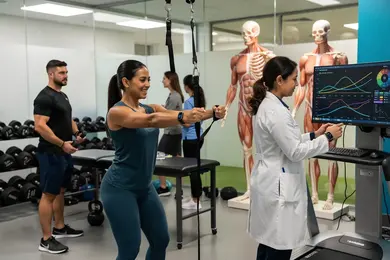
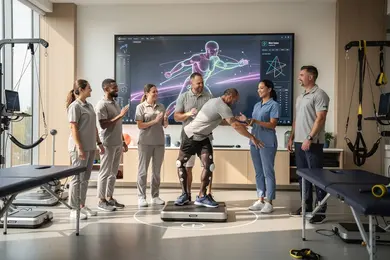
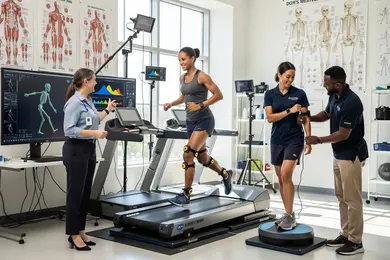
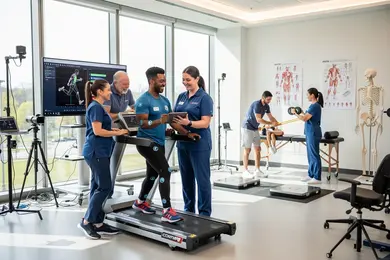
Choosing a kinesiology specialization directly shapes job roles and market viability, demanding careful alignment of practical skills with employer requirements. Exercise physiology combines in-depth coursework in human anatomy, physiology, and biochemistry with clinical labs focusing on metabolic and cardiovascular assessments such as VO2 max, positioning graduates for diagnostic and applied health roles. By contrast, biomechanics centers on mechanical principles and sophisticated data analysis, essential for careers in prosthetics development or athletic equipment design, requiring comfort with motion capture and force platform technologies.
Sport psychology emphasizes cognitive and emotional dynamics influencing athletic performance, using biometric feedback and stress response experiments suited for mental coaching professions. Rehabilitation kinesiology merges therapeutic exercise with hands-on manual therapy and electrotherapy modalities, tailoring training to physical therapy assistant positions and direct patient care.
For those targeting sport science research, competencies in statistics, experimental design, and physiological or biomechanical data collection are critical, with roles like Sport Scientist emphasizing empirical rigor. Regional kinesiology employment hubs such as San Antonio, TX; University, FL; and Bloomington, IN reflect localized workforce and research demand patterns. Prospective students should weigh lab intensity, certification needs, and regional job markets, since biomechanics labs develop engineering collaboration skills while rehab labs nurture clinical interaction capabilities.
How do job titles, salaries, and employment outlook differ by kinesiology specialization and graduate degree?
Specialization and degree level sharply differentiate kinesiology career paths and earning potential. Entry-level roles accessible with a bachelor's degree-such as fitness coaching or wellness coordination-typically fall in the $40,000 to $55,000 salary range, often in community or recreational settings. By contrast, pursuing graduate education opens doors to clinical, research, or advanced rehabilitation roles commanding $70,000 to $100,000 or more, especially within healthcare or collegiate athletics.
For example, holding an MSc in sport medicine kinesiology enables access to positions like athletic trainers or clinical directors, roles that generally require at least a master's degree and are out of reach for bachelor graduates. This credential stratifies opportunity and income, with graduate-level jobs exhibiting projected growth rates of 12-15% through 2030, compared to more modest 6-8% growth for bachelor-level positions.
Practical implications for prospective students include:
- Anticipating a slower start in the workforce with limited upward mobility on a bachelor's alone
- Planning for additional graduate study if targeting clinically or research-intensive employment
- Aligning educational investment with tangible returns based on realistic job markets in sport medicine and related specializations
Choosing an advanced degree in kinesiology often reflects a necessary tradeoff: delayed entry into the workforce in exchange for broader career options, higher salaries, and greater role complexity. Ignoring this can result in wage ceilings and restricted responsibility for those confined to bachelor-level qualifications.
How should you evaluate accreditation, certification outcomes, and fit when choosing a kinesiology specialization?
Choosing a kinesiology specialization requires evaluating program accreditation and certification outcomes through a practical lens, directly linked to defined career goals. Accreditation tied to recognized credentialing bodies or licensure safeguards that a program meets employer expectations and industry benchmarks, which is critical when targeting roles like health and wellness coaching-a common postgrad destination for MSc kinesiology graduates. Verifying alignment with national certification standards improves employability in specialized sectors.
Certification outcomes should be examined in connection with graduate employment data across dominant sectors such as medical, allied health professions, business, and exercise training. These categories, appearing 24-44 times in Canadian pathway scans, emphasize the importance of aligning one's certification with market demand to avoid gaps between education and job placement.
Fit hinges on matching curriculum content and experiential learning to specific career trajectories. For example, those aiming for clinical rehabilitation roles must select programs emphasizing exercise physiology and allied health integration, whereas aspirants for corporate wellness benefit from business-related coaching modules that develop interdisciplinary communication and regulatory knowledge.
Students must demand transparency through detailed accreditation reports, alumni outcomes, and certification success data. Prioritizing programs with clear and verifiable documentation over unaccredited offerings reduces risk and better positions graduates for sustainable employment in diverse kinesiology fields.
Other Things You Should Know About Kinesiology
Choosing between a broad kinesiology degree and a narrow specialization depends on your targeted graduate program and career goals. A broad degree offers flexibility if you plan to explore multiple graduate pathways or remain undecided, but it may lack the in-depth coursework that competitive clinical or research programs prefer. Specializations signal clear preparation to graduate admissions and employers, yet committing early limits exposure to diverse skills. For competitive clinical doctorate programs, prioritizing a specialization closely aligned with that field improves practical readiness and application strength.
Workload intensity differs substantially by specialization and program structure. Exercise physiology and biomechanics tracks often demand extensive lab hours and technical skill acquisition that extend beyond typical classroom time, increasing weekly commitments. In contrast, majors focused on wellness or health promotion may have fewer hands-on requirements but require integrating broader public health content. Prospective students targeting graduate programs with lab-heavy curriculums should prioritize specializations with proven experiential depth to build resilience to rigorous schedules.
Internship and practicum access is critical for kinesiology students planning to advance into competitive graduate programs or applied careers. Programs with established partnerships in clinical, athletic, or research settings provide networking advantages and direct experiential learning, which impacts graduate admissions and employability outcomes. Prioritizing programs that mandate or strongly support fieldwork ensures better preparation for real-world expectations, improving both skill development and professional references.
References
- Kinesiologist vs Strength Coach vs Personal Trainer vs… - Vital Performance Care https://vitalperformancecare.com/trainer-vs-strength-coach/
- Kinesiology Online Master's: See & Compare Top Programs https://www.edumed.org/online-schools/kinesiology-degrees/masters/
- Choosing the Right Major for a Future in Physical Therapy | Duny.edu https://www.duny.edu/choosing-right-major-for-future-in-physical-therapy/
- Kinesiology Accreditation Process https://www.ccupeka.org/accreditation/kinesiology-accreditation-process/
- Bachelor of Kinesiology and Health Promotion https://www.sheridancollege.ca/programs/bachelor-of-health-sciences-kinesiology-and-health-promotion
- Kinesiology vs. Exercise Science vs. Sport Performance https://www.pointloma.edu/resources/health-sciences/kinesiology-vs-exercise-science-vs-sport-performance
- How to Build a Successful Sport Psychologist Career: A Step-by-Step Guide https://www.drpaulmccarthy.com/post/how-to-build-a-successful-sport-psychologist-career-a-step-by-step-guide
- Health Promotion https://www.uregina.ca/academics/programs/khs/health-promotion.html
- What is the Best Major for Physical Therapy? A Comprehensive Guide https://tlcnursing.com/blog/what-is-the-best-major-for-physical-therapy/
- 19.4: Jobs and Careers in Sport Psychology https://med.libretexts.org/Bookshelves/Sports_and_Exercise/Essentials_of_Exercise_and_Sport_Psychology__-_An_Open_Access_Textbook_(Zenko_and_Jones)/19%3A_Taking_the_Field-_An_Introduction_to_the_Field_of_Sport_Psychology/19.04%3A_Jobs_and_Careers_in_Sport_Psychology