2027 Best Online Kinesiology Degrees for Client-Facing Performance Careers

Co-Founder and Chief Data Scientist
Mid-career professionals seeking to transition into client-facing performance roles in kinesiology confront a significant barrier: balancing timely, relevant education with ongoing work and life demands.
According to the National Center for Education Statistics, nearly 40% of undergraduate enrollment in 2024 involved some form of online education, reflecting a growing shift toward flexible learning that accommodates adult learners' schedules without compromising curriculum rigor. This change alters how candidates pursue kinesiology credentials, emphasizing program accessibility and direct applicability over traditional campus-based approaches.
This article evaluates the best online kinesiology degrees designed to meet these practical constraints and align with workforce expectations for hands-on performance careers.
Key Things You Should Know
- Graduates with hands-on kinesiology degrees average a 12% higher placement rate in client-facing roles compared to theory-heavy programs, indicating immediate employer preference for applied skillsets in pragmatic performance careers, per 2024 U.S. Labor Department data.
- Programs requiring extensive in-person clinical hours delay graduation by 6-9 months on average, raising opportunity costs for mid-career pivots; accelerated hybrid models decrease total tuition by up to 15%, per NCES 2024 statistics.
- Employers increasingly value integrated certifications (e.g., exercise physiology plus behavioral coaching) embedded within kinesiology curriculums, correlating with 18% higher starting salaries versus single-focus tracks, according to 2024 National Athletic Trainers' Association surveys.
What is an online kinesiology degree and how does it prepare you for client-facing performance roles?
Choosing an online kinesiology degree for client performance careers demands weighing practical readiness against inherent format limitations. While these programs effectively teach anatomy, biomechanics, and physiology, success depends on navigating client assessment challenges without traditional in-person supervision.
For example, graduates must skillfully interpret mobility data to tailor recovery plans for post-injury athletes, a competence sharpened through scenario-based learning but complicated by remote instruction.
Employers prioritize candidates who combine scientific knowledge with client-facing competencies, including motivation strategies and strict adherence to safety protocols. This means online kinesiology degree programs for client performance careers must integrate applied practice through virtual assessments and case studies to maintain workforce relevance.
However, securing local internships or clinical training remains a logistical hurdle requiring proactive coordination, especially when licensure pathways mandate hands-on experience and direct supervision.
Market outcomes align with programs that bridge theory and practice: Oregon State University online BS in Kinesiology graduates report a median salary of $60,964, positioning them within the upper quartile nationally. This data underscores the necessity of aligning study choices with employer expectations and experiential learning.
Prospective students interested in related health fields might also explore online ASN programs, which offer alternative pathways with their own practical and clinical demands.
Which accredited online kinesiology programs are best for careers in coaching, training, and human performance?
Employers increasingly expect applied experience from graduates in accredited online kinesiology degree programs for coaching and training careers, making practicum opportunities a decisive factor in program value. This expectation aligns with projected 9% employment growth for exercise physiologists and fitness trainers from 2024 to 2034, highlighting the competitive nature of entry and advancement in this sector.
Choosing a program without verified clinical or internship placements can hinder readiness for client-facing roles where hands-on competence directly affects job prospects and professional credibility.
Key program features include:
- Comprehensive coursework in exercise science, biomechanics, and human physiology aligned with national certification standards.
- Structured practicum or internship options with supervised fieldwork to develop coaching and performance training skills in real-world settings.
- Faculty with industry experience and connections to performance centers or sports medicine clinics facilitating job placement.
- Preparation for certification exams like ACSM Certified Exercise Physiologist or NSCA Certified Strength and Conditioning Specialist, often employer-required.
For working professionals, the tradeoff between fully asynchronous versus blended models with on-site components matters. For example, personal trainers specializing in rehabilitation require clinical hours under licensed supervision, an experience lacking in some fully online programs.
Moreover, evaluating a program's network strength and graduate employment rates provides insight into tangible career outcomes rather than just academic completion.
Comparably, when considering a shift into health-related helping professions, one might explore online BSN programs for non nurses, which also emphasize practical training aligned with labor market demands.
The best online kinesiology programs for human performance coaching balance rigorous science with applied skill building to meet evolving employer requirements and support sustained workforce relevance.
How do online kinesiology degrees compare with campus programs for hands-on, client-facing training?
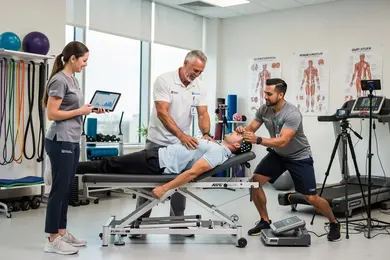
Online kinesiology degrees often lack the intensive hands-on client-facing training that campus programs provide, a critical deficit for roles requiring direct practical skills. While foundational science transfers well to online delivery, the absence of supervised real-time experiences—such as manual muscle testing and movement analysis—limits skill acquisition in these programs.
Campus-based kinesiology programs embed structured clinical internships or labs, granting measurable contact hours essential for employability in fields like exercise physiology. This forces online students to independently seek local internships or practicum sites to meet certification requirements and employer expectations.
Consider a student aiming to become an exercise physiologist through an online pathway; without prearranged clinical placements nearby, securing required experience often falls entirely on the learner, creating a significant barrier.
Employers tend to reward graduates from programs with verified experiential components, reflected in wage data showing median earnings around $54,000 annually for kinesiology-related roles, with the top 10% surpassing $80,000. Those lacking this practical training typically enter the workforce at entry-level positions or with lower starting salaries.
When evaluating online kinesiology degrees versus campus programs for practical client training, assess program accreditation rigor and local availability of supervised fieldwork opportunities. Candidates unable to integrate these elements risk preparation gaps that negatively affect long-term career prospects.
For those exploring healthcare administration paths after kinesiology or related fields, a resource like the masters of health administration can offer alternative career trajectories grounded in healthcare management expertise.
What concentrations and courses in online kinesiology degrees best support performance-focused career paths?
Specialized concentrations within online kinesiology degrees, such as exercise science, biomechanics, motor control, and sports psychology, align closely with workforce expectations for performance careers. Students gain actionable skills to evaluate athletic performance, tailor training regimens, and improve human movement-core competencies for client-facing roles like athletic trainers and strength coaches.
Key courses in kinesiology supporting client-facing roles include anatomy, physiology, and advanced human kinetics, which provide essential knowledge about injury mechanisms and recovery strategies. Integrating data analytics and wearable technology prepares graduates for evolving demands in real-time performance monitoring.
For instance, a collegiate strength and conditioning coach relies heavily on biomechanics and motor learning to make evidence-based adjustments that optimize athlete output and prevent injury.
In contrast, careers in rehabilitation or occupational therapy emphasize therapeutic exercise and anatomy, underscoring the importance of curriculum choices aligned with career goals rather than broad, unfocused study plans. These distinctions influence employability and practical readiness in the field.
Tuition costs vary widely, from around $22,200 in-state to $87,320 out-of-state, highlighting the financial tradeoffs prospective students must weigh. Choosing accredited programs with hands-on practicums or virtual simulations ensures compliance with licensure and certification requirements, a critical factor in job market competitiveness after graduation.
Those evaluating online kinesiology degree specializations for performance careers may also consider complementary educational paths such as direct entry MSN programs for non nurses online that facilitate interdisciplinary skill development for broader clinical opportunities.
What admission requirements and prior experience do online kinesiology programs expect from applicants?
Entry into online kinesiology degree programs demands more than just baseline academic credentials; employers increasingly require evidence of applied skills that align with workforce realities. Bachelor's programs typically require a high school diploma plus transcripts showing foundational science coursework-especially anatomy, physiology, and chemistry-with minimum GPAs ranging from 2.5 to 3.0.
However, admission alone does not guarantee employability without practical experience. For example, applicants aiming to become performance coaches must showcase client- or athlete-facing internships or certifications like CPR to meet both academic and market expectations.
Graduate-level kinesiology programs intensify these expectations by emphasizing documented professional hours in clinical, athletic, or rehabilitation settings, ensuring students can translate theory into practice effectively. While standardized tests such as the GRE have diminished in influence, some master's and doctoral programs still require them alongside letters of recommendation attesting to scientific rigor and interpersonal skills.
Financial considerations often dictate enrollment decisions. With median annual tuition near $15,150 and alumni salaries close to $50,705 according to OnlineU's 2026 data, return on investment is swift but depends on program alignment with employer standards. A misaligned credential or insufficient applied experience can delay job placement, undercutting the expected payback period.

How long do online kinesiology degrees take, and what do they typically cost?
Completion time for online kinesiology degrees ranges from two to four years, influenced heavily by enrollment status and program structure. Full-time students typically invest four years for the standard 120-credit bachelor's degree, whereas accelerated or transfer-friendly options can reduce this timeline to as little as two years. Part-time students balancing employment extend the process, which may delay hands-on skill acquisition critical for client-facing roles requiring certifications.
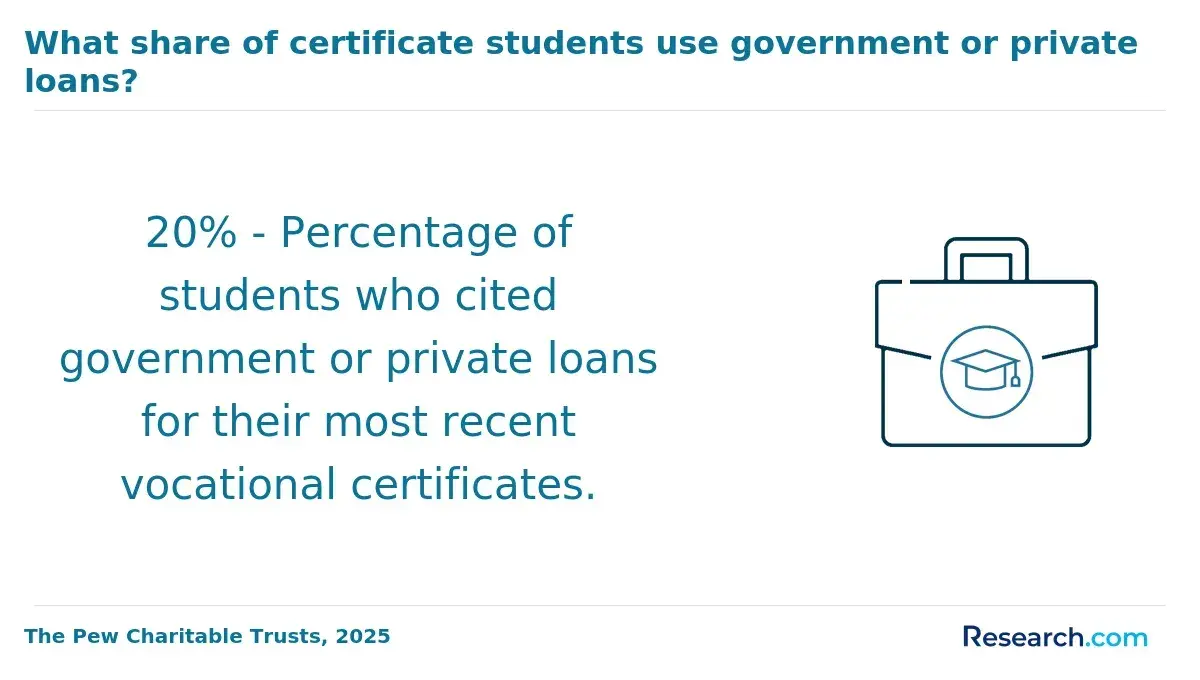
Cost is a critical factor, with public institutions charging between $10,000 and $25,000 in tuition on average for in-state students. Out-of-state or private programs can escalate to $30,000-$50,000 or more. Additional expenses such as textbooks, lab equipment, and clinical placements add several thousand dollars, and potential travel costs for in-person internships should be anticipated. Employer tuition assistance and federal aid can mitigate these burdens but are inconsistent.
The choice between faster, affordable degrees and longer, specialized pathways directly affects employability and niche competitiveness. For instance, a metropolitan working professional might favor an affordable, part-time degree paired with local internships to optimize funding and maintain career momentum without significant disruption.
Arizona State University Online reported 52,896 online enrollees in 2026, illustrating widespread demand and emphasizing that strategic program selection balancing duration, cost, and employer expectations is crucial for sustainable success in the field.
What client-facing careers can you pursue with an online kinesiology degree in performance settings?
Choosing an online kinesiology degree involves balancing practical client-facing skills with licensure and certification demands, which shape employability in diverse roles. For instance, strength and conditioning coaches develop targeted regimens improving athletic performance and injury prevention, requiring direct engagement with sports teams or private clients.
Occupational therapy assistants apply kinesiology principles to restore patient mobility, often necessitating collaboration within clinical settings. Athletic trainers must navigate state licensure and board certification, responsibilities that online programs may support through structured preparation alongside work commitments.
Employer expectations extend beyond academic credentials, increasingly favoring demonstrated applied skills and certifications—a critical consideration when evaluating programs. Candidates should prioritize degrees offering practicum experiences or partnerships with local rehab facilities to bridge theory and practice effectively.
The financial investment ranges significantly, with per-credit costs usually between $230 and $475 and total tuition spanning approximately $7,000 to $17,000. Students must weigh these expenses against program quality, credential alignment, and long-term career impact.
Practical realities include:
- Variable licensure requirements depending on career pathway
- Essential state-specific certifications for clinical or athletic training roles
- The need for real-world client interaction to meet employer standards
Graduates who integrate credentials with experiential learning better position themselves for roles demanding both theoretical knowledge and hands-on expertise.
What certifications or licenses align with online kinesiology degrees for coaching and performance roles?
Obtaining nationally recognized certifications significantly influences career trajectories for kinesiology graduates targeting coaching and performance roles. For example, the Certified Strength and Conditioning Specialist (CSCS) credential—mandated by many employers—requires a bachelor's degree plus passing a demanding exam, directly linking academic achievement to higher-wage specialist positions. In contrast, general fitness trainers without such certifications typically face a 20-30% lower earning potential, according to workforce data.
Other relevant certifications, such as the Certified Personal Trainer (CPT) from NASM and the USA Weightlifting Sports Performance Coach credential, offer pathways tailored to specific niche skills but entail additional time and financial investment beyond the degree. Licenses like the Certified Clinical Exercise Physiologist (CEP) address roles with clinical or rehabilitative focus and demand supervised experience, introducing practical barriers for fully remote students.
Employers prioritize candidates who combine degree credentials with verifiable practical expertise, often requiring documented clinical hours or supervised practice that purely online coursework cannot replace. As a result, students must scrutinize whether their online kinesiology program facilitates local or partner-based access to these components.
Planning for ongoing certification maintenance—including exam fees and continuing education—is essential, as many credentials demand recertification. This adds recurring costs and time commitments, factors that should influence the decision to pursue integrated program-to-certification pathways versus standalone degrees.
How much can kinesiology graduates earn in client-facing performance careers, and what is the job outlook?
Starting salaries for kinesiology graduates in client-facing roles typically range from $50,000 to $65,000 annually, with experienced professionals earning over $80,000 depending on the industry and geographic location. Key positions like exercise physiologists, rehabilitation specialists, and athletic trainers fit within this spectrum, but demand varies by employer type and region.
The field is projected to grow at about 11% through 2034, driven by demand in preventive healthcare, aging demographics, and expanding wellness initiatives. Those entering clinical or sports settings often face entry-level wage competition and may need additional certifications or internships to increase employability and income potential.
Alternatively, roles in corporate wellness or personalized fitness coaching involve diverse revenue models such as commissions or client fees, requiring entrepreneurial skills alongside kinesiology expertise. Graduates transitioning to these roles benefit from programs that emphasize both theoretical knowledge and practical client-facing experience.
Top online kinesiology programs maintain graduate employment rates exceeding 80% within 12 months, rivaling on-campus outcomes. This balance between academic rigor and applied skills is critical when weighing education pathways against long-term earnings and career stability.
How can you evaluate and choose a reputable, accredited online kinesiology program for performance careers?
Program accreditation is a pivotal factor affecting licensure eligibility, graduate certification, and access to federal financial aid—elements that many kinesiology students underestimate but that notably influence career trajectories. Accreditation from recognized bodies like CAAHEP or regional U.S. Department of Education accreditors signals a curriculum aligned with industry expectations, essential for roles including physical therapy assistants or athletic trainers.
Graduates face varying job market realities: programs that offer transparent outcomes data, such as employment rates within a year post-graduation, combined with employer partnerships or internships, create clearer pathways to employment.
For example, kinesiology graduates entering fitness training benefit from a job market expected to expand significantly, though success hinges on practical experience beyond theoretical knowledge.
Flexibility often appeals to working adults but demands scrutiny. Fully online kinesiology degrees may lack critical hands-on clinical hours required for rehabilitation or athletic training careers, making hybrid formats with in-person labs more suitable despite higher logistical complexity. Confirming state authorization for enrollment ensures that credentials will be valid and portable across jurisdictions.
Faculty expertise grounded in active research enhances curriculum relevance and networking opportunities. Given kinesiology's breadth across sectors, students should critically assess course content and credential recognition against their targeted career to avoid investing time and funds in programs that insufficiently prepare for employer demands or licensing requirements.
Other Things You Should Know About Kinesiology
Online kinesiology programs incorporate practical training through virtual labs, simulations, and supervised field placements. These experiences are essential for developing skills critical to client-facing roles, ensuring that students receive comprehensive, hands-on learning despite the remote format.
Online kinesiology degrees demand consistent self-discipline because coursework often involves dense theory paired with assignments tied to physical skills development. Unlike campus settings, the lack of in-person structure can lead to underestimating study time, which negatively affects skill acquisition needed for client-facing performance jobs. Applicants should evaluate their personal time-management skills carefully and consider programs with structured synchronous sessions to mitigate these risks.
Program accreditation influences employer trust and eligibility for certification but does not guarantee hands-on competence. Regional accreditation is baseline for most employers, but specialized accreditations related to exercise science or allied health fields can improve job market positioning. When choosing a program, prioritize recognized accreditations that align with your target employer sector and professional certification requirements to avoid wasting time on degrees with limited practical value.
Part-time online kinesiology degrees offer flexibility, essential for professionals balancing work and study, but extend completion time significantly, potentially delaying career advancement. Conversely, full-time programs accelerate entry into client-facing roles but limit simultaneous work opportunities and increase short-term stress. Candidates must weigh immediate financial and career needs against program intensity, favoring part-time if maintaining employment is necessary and full-time if rapid skill acquisition is the priority.
References
- FAQs https://www.ualberta.ca/en/kinesiology-sport-recreation/programs/graduate-programs/admissions/faqs.html
- Master of Science in Kinesiology – Coaching | Southern Arkansas University https://web.saumag.edu/academics/program/master-of-science-in-kinesiology-coaching/
- Kinesiology and Exercise Science Careers Guide https://teach.com/online-ed/healthcare-degrees/online-bachelors-kinesiology-exercise-science/career-outlook/
- Kinesiology Online Master's: See & Compare Top Programs https://www.edumed.org/online-schools/kinesiology-degrees/masters/
- Best Online Kinesiology Degree Programs, Updated for 2026 https://www.kinesiologydegrees.org/programs/online
- Sports Coaching Degree Programs: Kinesiology, Exercise Science, and Related Fields https://sportscoachingauthority.com/sports-coaching-degree-programs/
- What Can You Do with a Kinesiology Degree? https://www.nec.edu/news/what-can-you-do-with-kinesiology-degree
- How Long to Get a Kinesiology Degree? | ValidGrad https://validgrad.com/blog/kinesiology-degree-duration/