2027 Benedictine University for Working Adults: Flexible Schedules, Transfer Credits, and Online Format

Co-Founder and Chief Data Scientist
Balancing full-time work, family duties, and education demands can make returning to school seem impossible for many adults. Traditional schedules often clash with personal responsibilities, causing delays or dropout risks. For working learners, flexibility in course timing and recognition of prior learning significantly affect whether pursuing a degree feels attainable or overwhelming.
Benedictine University enrolls a growing share of working adults, reflecting a national trend where 47% of its recent adult students utilized transfer credits to shorten completion time, according to a 2024 study from the National Center for Education Statistics. This highlights the practical value of accommodating prior learning and flexible formats for those constrained by time. This article analyzes how Benedictine University's scheduling options, transfer credit policies, and online programs align with the realities faced by adult learners, helping readers assess the fit based on their unique career and life contexts.
Key Points About Benedictine University's Flexible Schedules, Transfer Credits, and Online Learning for Working Adults
- Benedictine University's enrollment in fall, spring, and summer terms enables working adults to align coursework with fluctuating professional demands, allowing course sequences that reduce idle time between terms and improve degree momentum.
- The acceptance of ACE recommendations, CLEP, DSST/Dantes exams, and life experience credits facilitates credit accumulation outside traditional classrooms, shortening time to degree and lowering costs for learners with prior relevant knowledge.
- Its online programs accommodate full-time employment and family duties by delivering asynchronous content, balancing academic rigor with accessible study schedules critical for sustaining progress amid competing time commitments.
Is Benedictine University a good fit for working adults?
Benedictine University's flexible scheduling and online format cater well to working adults managing full-time employment and family responsibilities. The ability to transfer credits reduces redundant coursework, which can shorten time to degree completion for those with prior college experience. These features support students seeking to balance education with other demands, though success requires strong self-discipline and time management.
Individual outcomes vary based on factors like job schedules, program rigor, and comfort with online learning technologies. A working parent enrolled part-time may find the online flexibility essential but face challenges completing the degree within typical timeframes, given the university's 51% graduation rate. This suggests that while support exists, substantial hurdles remain for many students finishing their studies.
Compared to peer institutions, Benedictine's focus on adult learners aligns with industry trends showing 60% of their students are part-time or adult learners, which correlates with higher satisfaction in flexible online programs. However, prospective students must weigh these advantages against their own capacity to navigate academic and professional pressures simultaneously.
Ultimately, Benedictine University offers viable options for working adults who require adaptable learning paths, but its moderate graduation outcomes reflect the broader challenges facing adult learners. Prospective students should evaluate whether the institution's support services and program structures fit their personal goals and working realities before enrollment.
How flexible are Benedictine University's online class schedules?
Benedictine University's online course structure supports working adults by offering asynchronous coursework with multiple start dates each term, allowing students to fit classes around full-time jobs and family demands. The availability of accelerated 5-week and 8-week courses alongside traditional 16-week terms lets students opt for faster completion or a manageable pace. This flexible online class schedules at Benedictine University design reflects the reality that over 80% of online courses nationwide are asynchronous, enhancing accessibility for employed students (National Online Learning Survey, 2024).
Flexibility varies by program due to requirements like live sessions, internships, or clinical placements that mandate specific time commitments. Group projects may also limit scheduling autonomy, forcing students to align with peers' availability. Hence, a business student might enjoy near-complete control over pacing and timing, while a nursing student faces tighter scheduling constraints tied to practicum hours. These nuances affect how well the online format adapts to individual professional and personal circumstances.
Compared to similar institutions, Benedictine's model combines reasonable student-to-staff ratios with its range of course lengths, striking a practical balance between guidance and flexible pacing. This makes it more adaptable than traditional 16-week only formats but less fluid than fully self-paced programs. For working adults evaluating Benedictine University Illinois online course flexibility, this approach means realistically weighing degree program demands against personal schedules.
Recognizing prior learning and offering credit for life experience can further shorten time to degree. Students interested in compressing their education might explore one-year masters degree options to accelerate outcomes without sacrificing quality or support.
How long does it take working adults to finish a degree at Benedictine University?
Working adults enrolled in online programs at Benedictine University typically take between 3 to 6 years to complete their degrees. This range reflects the reality that many students balance school with full-time jobs, family, and other responsibilities. Benedictine's degree duration flexibility for adult learners relies on accelerated term formats of 6-week and 8-week courses, which help students focus on fewer classes at a time while maintaining a manageable schedule. Despite this, the university's 51% graduation rate indicates that about half of working adults may experience delays or leave their programs before graduating, highlighting the challenges of sustained academic progress amid competing demands.
The average time to degree completion for working adults at Benedictine University varies significantly based on several factors. Students taking advantage of generous transfer credit policies can reduce their workload and shorten enrollment periods. However, the absence of fully self-paced or competency-based learning options limits faster progression for those with prior knowledge or work experience. Course load decisions, program requirements, and personal factors such as job changes or caregiving responsibilities further influence completion timelines. A working adult juggling a typical 20-hour workweek may find that compressed courses ease scheduling but still require steady, long-term commitment.
Compared to similar colleges and universities, Benedictine's timelines align with the broader trend in online education where many adult learners finish in 3 to 6 years. This duration is longer than the traditional 4-year path but realistic given external commitments. Institutions with more flexible competency models may allow motivated students to finish more quickly, while others may offer longer, less structured programs that risk extending degree duration. For adults seeking 4-year degrees that pay well, understanding Benedictine University's structure is critical to setting achievable expectations about how long degree completion will take.
Ultimately, Benedictine University provides practical scheduling adaptations within a traditional academic framework. The moderate persistence rate suggests a need for realistic pacing and careful balancing of study with life responsibilities. Success often depends on leveraging transfer credits and maintaining consistent progress rather than expecting accelerated completion through self-directed paths unavailable at the university.
How can transfer credits help working adults graduate sooner at Benedictine University?
Working adults juggling employment, family, and other commitments face unique challenges when pursuing a degree. Transfer credits offer a practical solution by reducing the number of courses needed to graduate. This shortens degree completion time, freeing students to focus more on their immediate responsibilities without sacrificing educational goals. For example, a full-time employee with prior college coursework can strategically transfer those credits to decrease the semesters required at Benedictine University. This approach respects their limited availability and financial investment. Below are key ways transfer credits can help working adults graduate sooner.
- Fewer Remaining Degree Requirements: Transfer credits directly reduce the total number of courses students must complete at Benedictine University. This lowers the overall academic load and allows adults to plan their schedule more effectively around work and family, accelerating their path to graduation.
- Reduced Course Load Per Term: With credits already accepted, students can take fewer classes each term or maintain full-time status with less pressure. This balance helps avoid burnout and supports sustained progress through degree programs despite external demands.
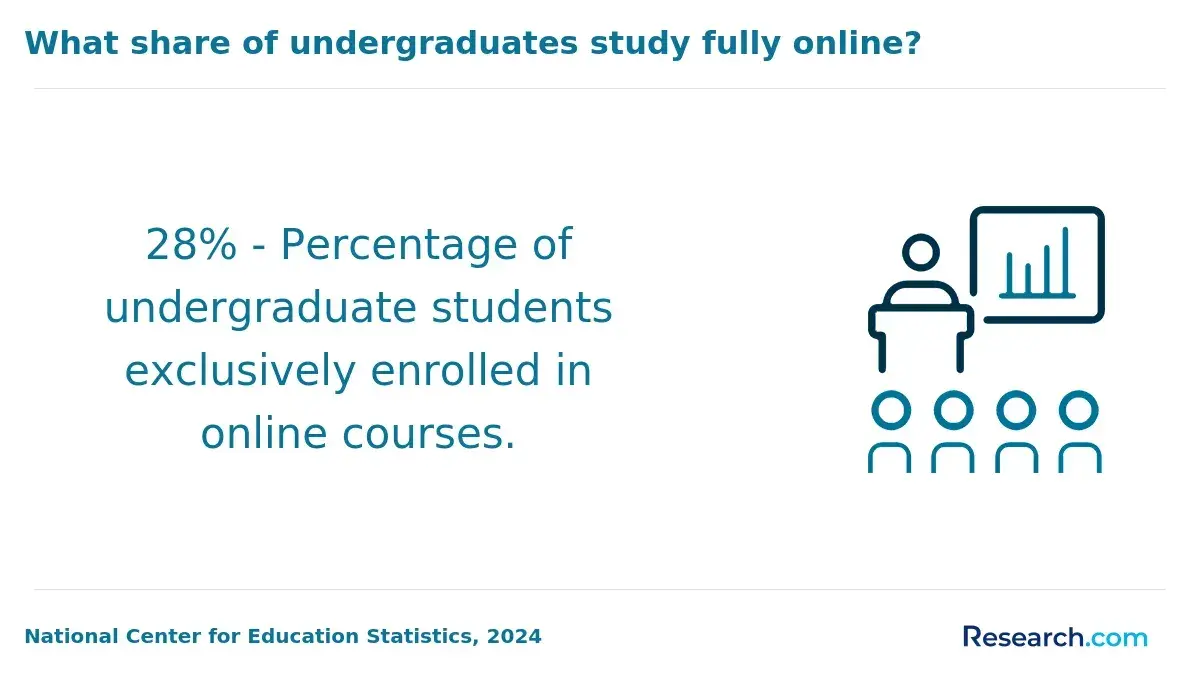
- Shorter Time to Degree Completion: Transfer credits can trim months or even a year off standard program length. Data from the National Center for Education Statistics shows 28% of working adults who transfer credits finish their degrees faster, highlighting real benefits for timely workforce re-entry opportunities.
- Cost Savings on Tuition and Fees: Credit transfers reduce the number of courses payable at Benedictine University, limiting tuition expenses. For working adults managing household budgets, this cost efficiency can remove financial barriers and accelerate graduation prospects.
- Greater Scheduling Flexibility Across Terms: Transfer credits open options to enroll selectively in fall, spring, or summer sessions. This flexibility supports adults managing fluctuating work hours, enabling continuous progress without overextension.
- Alignment with Career Goals: Strategic credit transfers ensure coursework aligns closely with degree requirements and professional objectives. This targeted approach streamlines education relevant to employment, reducing unnecessary classes and focusing time on applicable skills.
One Benedictine University student shared, "I was hesitant at first, unsure if my old college classes would count. After transferring 30 credits, I realized I could finish my degree a full year early while working full-time and caring for my kids. It meant less stress trying to juggle everything and more confidence that my past efforts were valued. The process took some upfront research, but that payoff in time and money was worth it." This experience underscores how effective transfer credit use can turn competing priorities into a manageable, accelerated academic path for working adults.
Does Benedictine University award credit for prior learning or work experience?
Benedictine University recognizes a variety of prior learning forms for academic credit, including standardized exams like CLEP, DSST, and Advanced Placement, as well as military training and corporate education. The institution also allows portfolio assessments through its Prior Learning Assessment process, where documented professional experience can translate into course credit. However, work experience alone does not automatically qualify; it must be formally assessed and clearly mapped to academic outcomes to earn credit.
Eligibility for credit varies by degree program and the quality of documentation provided. Institutional policies require that experiential learning demonstrate equivalence to course objectives through portfolio reviews or examination results. This means students must align their work experience with academic standards and may face different credit awarding limits depending on the program, affecting how prior learning can accelerate their journey.
Compared to peers, Benedictine University's acceptance of multiple credit sources, including ACE-recommended credits, is consistent with other adult-focused institutions seeking to reduce barriers for working adults. This approach can significantly shorten time to degree and reduce educational costs when managed properly. Still, students should weigh the administrative effort needed to document such learning against the actual benefit, especially as employers often emphasize accredited degrees and certifications over experiential credits.
Nationally, adult education programs using prior learning assessments report up to a 30% higher retention rate, showing the model's support for non-traditional learners in practice. For working adults researching transfer credit policies for working adults at Benedictine University, leveraging this credit framework can be a strategic move to earn degrees more efficiently while balancing life demands. For those interested in flexible, cost-conscious degree options, exploring a cheap bachelor degree online further expands possibilities by combining transferable credits and prior learning with accessible online formats.
What technology and online learning skills do working adults need to succeed at Benedictine University?
Success in Benedictine University's online programs depends heavily on both reliable technology and distinct digital skills. Access to current hardware and compatible browsers is non-negotiable for uninterrupted participation in coursework. However, equally important is the ability to self-manage time and engage with learning platforms predictively. The 67.4% of working adults enrolled fully online illustrates a growing norm that requires learners to bridge technological gaps quickly.
These realities often force students to make trade-offs, such as reduced face-to-face networking, intensifying the need for digital fluency and discipline. The following points outline key technology and skill demands to navigate this complex balance effectively.
- Up-to-date Hardware and Connectivity: Reliable devices with at least 4GB RAM and stable internet support continuous access to Brightspace LMS, preventing disruptions during exams or discussions. Working adults should regularly update their systems to avoid technical delays that consume precious study time.
- Proficiency with Learning Management Systems: Mastering Brightspace features like assignment uploads and forum interactions reduces frustration and maximizes engagement. Hands-on practice or onboarding sessions can accelerate this competence, easing transition into fully online formats.
- Strong Time-Management Skills: Balancing work shifts, family obligations, and study hours demands disciplined scheduling. Using digital calendars and setting reminders help maintain consistent study blocks, critical for keeping up with deadlines and course pacing.
- Digital Communication Abilities: Effective virtual participation through timely emails and discussion posts fosters productive interaction, partially offsetting fewer in-person mentoring chances. Clear, concise digital writing underpins successful collaboration and instructor accessibility.
- Self-Motivation and Discipline: Without physical classroom structure, maintaining momentum depends on internal drive. Establishing ritualized routines and goal tracking supports perseverance through distractions common to home and work environments.
- Adaptability to Technical Issues: Encountering LMS glitches or browser incompatibilities requires quick troubleshooting or seeking support. Cultivating a calm, solution-oriented mindset reduces stress and preserves learning continuity.
- Basic Cybersecurity Awareness: Protecting personal data and using secure networks safeguard against breaches. Awareness minimizes risks associated with submitting sensitive information online, crucial for peace of mind and compliance.
One Benedictine University graduate recalled struggling initially with juggling a full-time retail job and family while adapting to Brightspace. "At first, I felt overwhelmed by all the digital tools," they shared. "I had to carve out weekend mornings for tutorials and reach out frequently to tech support. It wasn't just learning new software; it was about fitting study into a chaotic life where internet outages or app glitches could mean losing track of assignments. Over time, I became less hesitant and more proactive, setting up a dedicated study station and backup connectivity options. That shift from frustration to control was key for me to stay on track."
How affordable is Benedictine University for working adults?
Affordability shapes the decision-making process for working adults balancing education, employment, and family costs. The total cost of attendance at Benedictine University is $46,548, a significant investment requiring careful planning. Many adult learners seek cost-effective alternatives that allow continued income without sacrificing educational progress. A real-world scenario involves a full-time employee using transfer credits and employer tuition assistance to shorten time in the program while reducing out-of-pocket expenses. Here are key factors shaping Benedictine University's affordability.
- High Financial Aid Utilization: With 94% of students receiving financial aid, working adults can access grants and subsidized loans that lower upfront costs and improve cash flow while studying.
- Transfer Credit Opportunities: Transfer policies enable credit for prior learning, accelerating degree completion and saving both time and tuition expenses for busy adults.
- Flexible Online Programs: Online formats reduce commuting and scheduling conflicts, allowing learners to maintain employment and family commitments without extra fees.
- Employer Tuition Reimbursement: Over 60% of working students nationally benefit from employer tuition programs, which can cut net costs substantially, especially when combined with Benedictine's offerings.
- Competitive Tuition Structures: Though detailed rates are unavailable, programs aimed at non-traditional students commonly offer per-credit or bundled tuition plans that align spending with pacing preferences.
- Cost Savings via Accelerated Completion: Strategies leveraging transfer credits and flexible schedules can produce average savings of 20-30% relative to traditional timelines, making education more financially viable.
- Application Fee Waiver Availability: Prospective students may explore options among online universities with no application fee to reduce initial expenses and decide if Benedictine fits their affordability criteria.
What challenges do working adults face while studying at Benedictine University?
Working adults pursuing degrees at Benedictine University must manage competing demands from employment, family, and personal commitments. These responsibilities often restrict time available for coursework and study, increasing stress and potentially delaying progress. Flexible schedules aim to ease these pressures, yet effective time management remains critical. For example, a student balancing a full-time job and caregiving duties may find even asynchronous classes challenging when unexpected work obligations arise. Such scenarios highlight the friction points in managing flexible schedules for adult learners at Benedictine University. Common challenges include:
- Time Management Under Pressure: Adult students frequently juggle work shifts, family care, and deadlines. Limited hours for study can lead to procrastination or burnout. Developing strict weekly planning and prioritization techniques helps maintain steady progress.
- Isolation in Large Online Classes: Digital learning environments often reduce peer interaction, diminishing motivation and collaborative opportunities. Seeking virtual study groups or campus resources can mitigate feelings of disconnection.
- Reacclimating to Academic Routines: Returning adults must readjust to structured study habits and new technology platforms after years away from formal education. Incremental familiarization with learning tools supports smoother transitions.
- Transfer Credit Uncertainty: Navigating credit acceptance policies can delay registration and extend degree timelines. Early verification of credits with advisors reduces unexpected course load increases.
- Balancing Course Load and Job Demands: Even with flexible weekly starts, overlapping work responsibilities can disrupt class participation. Transparent communication with instructors and flexible course sequencing helps maintain alignment.
- Maintaining Motivation Amid External Stressors: The cumulative stress from multiple roles can erode focus and commitment. Incorporating self-care and setting realistic academic goals sustains engagement.
- Navigating Program Start Dates: While flexible scheduling assists, working adults must still plan around start dates to optimize workload. This is why researching options with online colleges starting soon can provide additional pathways to meet personal timelines.
How does Benedictine University compare with other online schools for working adults?
Working adults must assess online programs beyond reputation nuances to ensure educational investments support real career advancement without causing undue financial strain. Institutions vary widely in how effectively they serve nontraditional students juggling jobs, families, and education. Measuring factors like cost relative to median alumni salary, transfer credit flexibility, and student support networks reveals practical advantages or tradeoffs. For example, a mid-career professional aiming to pivot careers will weigh how quickly and affordably a program can be completed while maintaining income. Below are key comparison factors highlighting how Benedictine University stacks up versus peers in this space.
- Return on Investment and Cost Efficiency: Benedictine offers a moderate earnings to debt ratio of 2.82x, meaning graduates typically earn nearly three times their total cost of attendance. This positions the university in a balanced mid-tier cost range, unlike schools with lower tuition but weaker career outcomes or conversely, higher cost but greater alumni salaries. Working adults should evaluate this ratio relative to program length and earning potential in their field.
- Targeted Adult Learner Support Services: Benedictine provides dedicated success networks and career counseling focused on adult students, which many comparable online schools do not consistently offer. Such support can improve persistence and completion rates by addressing the unique barriers working adults face. Prospective students should consider whether these services align with their need for guidance that fits a busy schedule.
- Retention Rates Indicative of Engagement: A retention rate surpassing the national average for online adult learners by 4.5 percentage points suggests stronger student engagement and possibly higher graduation likelihood. This metric signals that Benedictine may better sustain adult learners who often risk dropping out due to competing responsibilities. Adults balancing work and study should factor retention as a proxy for program accessibility and responsiveness.
- Flexible Transfer Credit Policies: Benedictine's notably flexible acceptance of transfer credits reduces redundant coursework, shortening time to degree completion. This is crucial for adults who have prior credits or certifications. Schools with stringent credit transfer can inflate costs and delay graduation, undermining return on investment.
- Balance of Affordability and Academic Support: Unlike institutions that either cut corners on support to lower cost or that price themselves out of reach for many adults, Benedictine maintains mid-range affordability paired with comprehensive academic resources. This tradeoff matters for students who cannot forego quality advising and flexible course delivery while managing tight budgets.
- Employer Perception and Career Outcomes: The mid-tier cost and moderate alumni salary median indicate decent marketplace recognition, though not top-tier prominence. Some employers may favor graduates from institutions with stronger brand cachet or higher earnings multipliers. Working adults should assess how much institutional prestige impacts hiring in their industry versus practical skills acquisition.
- Real-World Applicability of Online Format: Benedictine's online format integrates structured career counseling and adult learner networks that support skill relevance and timely completion. This contrasts with many online programs that offer less consistent adult-targeted delivery. For instance, a nurse pursuing a degree online while working shifts needs predictable course scheduling and career services tailored to healthcare workforce demands.
Is Benedictine University the right choice for your career goals?
Benedictine University's online programs accommodate working adults by offering flexible scheduling and accepting transfer credits, which support continued education without sacrificing current job responsibilities. The practical format suits those aiming for skill development, career changes, or advancement within their existing fields. For example, a registered nurse pursuing a bachelor's degree online can balance shifts and coursework while increasing credentials that align with healthcare employer demands. This capacity to tailor education to life circumstances enhances its suitability for career-focused learners who need realistic pacing.
The value of a degree from Benedictine University differs significantly by industry and career goals. Fields like healthcare and management tend to recognize the university's online credentials more positively due to consistent workforce demand and clearer licensure paths. Conversely, industries with heavy emphasis on in-person experience or heightened credential inflation may view an online degree less favorably. The university's career services, networking events, and corporate partnerships can improve outcomes but do not fully offset these structural employer preferences in all sectors.
Compared with similar online institutions, Benedictine University shows moderate return on investment, with median alumni salaries of $63,446 overall and $72,536 in Registered Nursing, indicating stronger employer alignment in certain majors. The 78% rate of online graduates employed or continuing education within six months reflects practical effectiveness but also highlights variation by field. Prospective students should weigh this data alongside specific industry expectations and personal ambitions to determine if Benedictine University fits their career trajectory and anticipated degree value.
Choosing Benedictine University may align well for working adults prioritizing healthcare or management careers, where credential recognition and demand are clearer. Those aiming for careers with ambiguous online degree value or high experiential expectations should carefully assess alternatives that may better meet those rigorous criteria. Ultimately, the university's flexible format and targeted support serve as valuable tools, but success depends on strategic match with career goals and realistic understanding of labor market dynamics.
What Graduates Say About Benedictine University's Flexible Schedules, Transfer Credits, and Online Learning for Working Adults
- Jose: "When I started my degree at Benedictine University, the flexible scheduling options were a key factor in deciding to enroll while working full-time. The transfer credit evaluation was thorough but transparent, allowing me to bring in most of my previously earned credits without slowing down my progress. Since courses were online, I could balance my work shifts and study hours more effectively, though occasionally course availability required careful planning several terms ahead. Graduating on my chosen timeline really boosted my confidence, and having Benedictine University on my resume opened doors to advanced roles within my company."
- Cedric: "My experience with Benedictine University's transfer credit process made me pause to consider whether accelerating my degree was worth it, since the evaluations meant some of my credits weren't accepted, which slightly extended my timeline. The flexible online format helped significantly with juggling work and family commitments, but I found that committing to a steadier, manageable course load was better than trying to rush. Navigating course scheduling sometimes felt like a puzzle, but learning to plan months in advance kept me organized. The practical skills I gained translated well to my career growth, and I appreciated how realistic my graduation path turned out."
- Yusuf: "Completing my degree at Benedictine University involved a careful balance: I leveraged most of my transfer credits to skip foundational courses, which helped me reduce my total workload. The online format was a game changer, offering the flexibility I needed to maintain my professional responsibilities without sacrificing academic quality. However, some required courses had limited offering windows, which meant I had to strategically plan semesters to stay on track. Ultimately, the experience taught me effective time management and persistence, and earning my degree from Benedictine University noticeably enhanced my career opportunities in a competitive field."
Other Things You Should Know About Benedictine University Degrees
While Benedictine University offers flexible schedules, online courses often demand consistent weekly effort including participation, assignments, and exams that can peak unexpectedly. Working adults should be prepared for compressed bursts of workload, particularly near deadlines, which can stress work-family balance if not proactively managed. Prioritizing programs with predictable weekly pacing and building buffer time in their calendars helps mitigate clashes with professional or family duties. It's advisable to candidly assess current time availability before enrolling to avoid dropout risks tied to underestimating course intensity.
Benedictine University generally requires that transfer credits originate from regionally accredited institutions and be recent enough to align with current academic standards. This policy excludes some credits from technical schools, unaccredited providers, or courses that may be outdated in fast-evolving fields. For working adults with varied educational backgrounds, this means not all prior learning translates into credit, potentially increasing time and cost investments. The recommendation is to verify accreditation and course relevance early, prioritizing credits from conventional colleges to maximize credit acceptance and minimize redundancy.
Though Benedictine University's online format provides convenience, employers often focus on accreditation and program rigor rather than delivery mode, with some industries still viewing traditional campus degrees as more credible. Working adults should weigh local employer awareness and sector norms when choosing an online program, as this can affect hiring and promotion prospects. In fields where online degrees are accepted equally, the convenience may enhance career advancement by enabling degree completion without interrupting work; however, in more conservative fields, supplementary credentials or demonstrable skills may need to complement the online degree.
References
- Credits Transferred from Other Institutions https://catalog.ben.edu/lisle-undergraduate/academic-requirements-policies/transfer-degree-completion-students/credits-transferred-institutions/
- Online Degree Programs at Benedictine University - Illinois https://online.ben.edu/programs/
- Benedictine University - Moraine Valley Community College https://www.morainevalley.edu/academics/academic-programs/transfer-programs/transfer-guides/benedictine-university/
- Benedictine University: 3+1 Bachelor of Science in Nursing https://cod.edu/academics/transfer/colleges/benedictine/3-plus-1-nursing.html
- Jobs at Benedictine College in Atchison, KS https://www.benedictine.edu/jobs
- Top 3 challenges in meeting working adult learner needs https://www.highereddive.com/spons/top-3-challenges-in-meeting-working-adult-learner-needs/620817/
- Employers - Benedictine University https://ben.edu/career-and-personal-development/employer-services/
- Academic Catalog https://coursecatalog.benedictine.edu/undergraduate-transfer-policies/
- Benedictine University Reviews https://www.gradreports.com/colleges/benedictine-university
- Benedictine Living Careers | Senior Care Jobs https://www.benedictineliving.org/careers/