2027 Johns Hopkins University Online MS in Energy Policy: Cost, Curriculum, Admissions, and Career Outcomes

Co-Founder and Chief Data Scientist
Working professionals seeking to advance in energy policy often face a complex decision when considering online graduate programs. Balancing current job responsibilities with education demands requires programs that offer genuine flexibility and relevant curriculum. According to the National Center for Education Statistics, enrollment of adult learners in online graduate programs rose by over 12% in 2024, reflecting a shift toward accessible education that accommodates career mobility and life commitments.
Understanding how the Johns Hopkins University online MS in Energy Policy aligns with these needs is crucial for evaluating its potential return on investment. This article examines the program's cost, curriculum, admissions, and career outcomes to clarify its fit for prospective students.
Key Points About Johns Hopkins University's MS in Energy Policy Program
- An 8% acceptance rate signals a highly selective admission process, meaning applicants must demonstrate strong academic and professional backgrounds to compete effectively for limited spots.
- Graduates gain recognition in the energy sector, which can facilitate career advancement, but employment outcomes depend heavily on leveraging alumni networks and relevant industry experience.
- The total tuition cost of $80,778 positions this program as a significant financial investment, requiring prospective students to weigh debt against potential salary increases and sector demand.
What can students expect from Johns Hopkins University's online MS in Energy Policy curriculum?
The Johns Hopkins University online MS in Energy Policy curriculum demands proficiency in both technical and policy analysis, preparing students for roles that require balancing energy innovation with regulatory frameworks. Hiring managers increasingly value graduates who can navigate complex policy environments while understanding emerging technologies, such as smart grids and energy storage.
For example, a policy analyst advising a state government on integrating renewable energy sources must apply quantitative economic methods alongside legal and environmental considerations-a skill set deeply embedded in this program's design. Below are key components of the coursework that exemplify this integration:
- Energy Economics: This course focuses on quantitative economic modeling and market dynamics related to energy production and consumption. Students develop analytical tools to evaluate the efficiency and equity implications of policy measures, crucial for roles in regulatory agencies and consultancy.
- Policy Analysis: Emphasizing critical evaluation, this segment requires students to dissect existing regulations and propose evidence-based solutions. Practical simulations and case studies are used to reflect real-world decision-making challenges.
- Environmental Impacts: Coursework here covers the environmental consequences of energy choices, including climate change mitigation strategies. Students learn to balance sustainability goals with economic and social factors, preparing them for policy design roles in diverse organizations.
Compared to broader energy policy master's program coursework at Johns Hopkins University, this curriculum distinctly integrates contemporary energy technology topics with traditional policy education, addressing regulatory hurdles specific to innovations in the sector. Electives offer additional specialization options in areas like fossil fuel economics and sustainable development.
Taking this approach equips students with a versatile foundation, vital for adapting to evolving employer expectations in government, private consulting, and non-profit sectors focused on energy transition. Interested students should also consider how this program aligns with their career goals within the context of the competitive landscape among various university majors in policy and energy fields.
What are Johns Hopkins University's admission requirements for online MS in Energy Policy program?
Admission to Johns Hopkins University's online MS in Energy Policy requires more than meeting baseline educational credentials; it reflects a selective approach aimed at ensuring candidates are academically prepared and can engage effectively in a complex, policy-driven field. For example, a working professional transitioning into energy policy from a nontechnical background must demonstrate solid foundational knowledge and language proficiency to handle graduate-level analysis and communication demands.
The admissions criteria require applicants to present key academic and evaluative components that provide insight into their readiness. Below is a summary of these essential requirements.
- Secondary Education Credentials: Applicants must have completed high school or an equivalent GED credential, providing documented secondary school GPA and records. This establishes a minimum academic foundation necessary for graduate study and helps assess overall academic discipline.
- Letters of Recommendation: Submission of recommendation letters is mandatory to verify applicant capabilities beyond grades. These references typically address intellectual aptitude, work ethic, and potential contributions to the program, adding qualitative context that transcripts alone cannot provide.
- English Proficiency: Non-native English speakers must present valid TOEFL scores. Since effective policy analysis and communication rely heavily on language skills, this requirement safeguards program rigor and ensures participants can engage with complex texts and discussions.
- College-Preparatory Coursework: While not strictly required, a college-preparatory curriculum is recommended to support smooth transition to graduate coursework. This guidance reflects the program's expectation that candidates possess certain analytical and academic skills before admission.
- Additional Academic Policies: Johns Hopkins University allows AP credits but does not grant credit for life experience or dual enrollment. Computer ownership is facilitated through a university plan but is not a strict prerequisite, recognizing both accessibility issues and practical student needs.
Is it difficult to get admitted to Johns Hopkins University's online MS in Energy Policy program?
Admission to a typical MS in Energy Policy program varies in competitiveness but generally demands strong academic credentials and relevant experience. Compared to this baseline, Johns Hopkins University's online MS in Energy Policy program is markedly selective, with an acceptance rate of only 8%. This low rate reflects intense competition and underscores the scarcity of spots relative to the large applicant pool of 38,926 candidates.
This level of selectivity implies that applicants must exceed common admission standards, showing not just solid academic records but also a thorough grasp of energy policy issues. Standardized test scores among admitted students are notably high, with SAT verbal scores between 750 and 780, SAT math scores ranging from 780 to 800, and ACT scores from 34 to 73, indicating rigorous benchmarks that surpass many comparable programs.
For prospective applicants, this environment places premium pressure on crafting a compelling, well-rounded application. Those who succeed often gain entry into a program that positions them well within an increasingly competitive workforce focused on energy innovation and sustainable policy development.
One graduate shared that applying felt daunting amid the sheer volume of applicants and high score requirements, recalling, "I hesitated because my initial test scores were borderline, but I improved them strategically and highlighted my industry internships. The process was intense, and I submitted my application just before the deadline, feeling both anxious and determined. Getting accepted felt like a validation of all that preparation under pressure."
What is the cost of attending an online MS in Energy Policy program at Johns Hopkins University?
Tuition for an online MS in Energy Policy at Johns Hopkins University stands at $63,340 annually, with total expenses including books and supplies reaching roughly $80,778. This figure reflects a consistent fee structure, as the university does not differentiate tuition based on student location or charge extra for online delivery. For students budgeting their education investment, it's important to recognize that these costs encompass more than just tuition,.
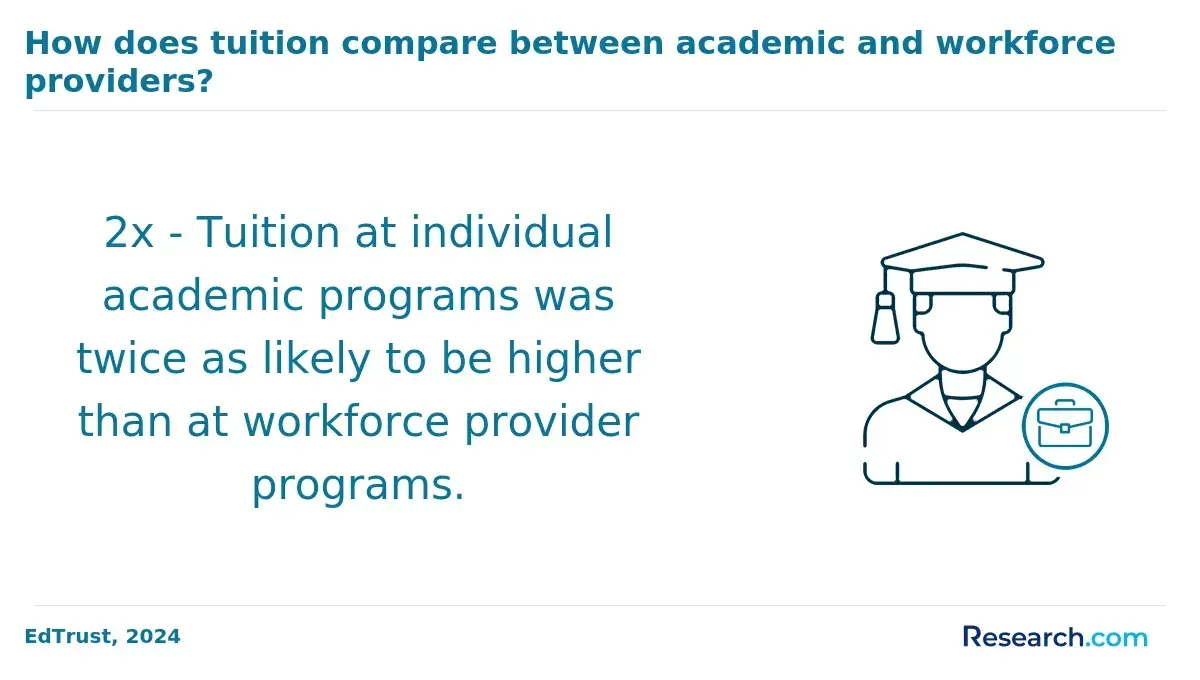
The tuition fees for Johns Hopkins University Energy Policy master's program are notably higher than the national average, where similar degrees typically range between $30,000 and $50,000 per year. This premium often correlates to the institution's faculty expertise and program rigor but also presents a practical question for prospective students weighing cost against potential salary uplift and career trajectories in energy policy roles.
Comparing these costs with public universities, which may offer in-state tuition discounts and variable fees, highlights a critical tradeoff: Johns Hopkins' uniform pricing model simplifies budgeting but lacks geographic tuition incentives common elsewhere. For some students, especially those from states with lower tuition public programs, this may influence the decision when assessing overall value.
Students considering financial efficiency might explore how this investment interacts with their career prospects and access to specialized networks. Additionally, exploring other online courses can diversify skills that complement the energy policy degree and potentially improve return on investment.
Are there financial aid options for online MS in Energy Policy students at Johns Hopkins University?
Financial aid availability for students in the online MS in Energy Policy at Johns Hopkins University reflects a balance of institutional support and external funding options, but requires proactive navigation by candidates. While the program itself does not prominently feature exclusive scholarships, the broader university aid landscape offers several routes to offset tuition costs, a critical factor given the program's competitive nature and investment required.
Many working professionals leverage employer tuition reimbursement, demonstrating a tradeoff where immediate out-of-pocket expenses are reduced but contingent on employer policies and continued employment status. Understanding these mechanisms can critically impact both accessibility and long-term financial planning for prospective students.
Below is an overview of notable avenues for financial assistance on this program.
- Institutional Scholarships: Available to applicants across Johns Hopkins University, these awards typically require demonstrated academic merit or financial need through a formal application process. They vary widely in amount, often supplementing but not fully covering tuition costs.
- Employer Tuition Reimbursement: Working students may qualify through their employers' education benefits, which commonly cover a substantial portion of tuition contingent on work commitments and program relevance to the employee's role.
- Veteran Benefits: Active military and veterans can utilize GI Bill® benefits, which frequently cover significant tuition expenses but demand eligibility verification and compliance with federal requirements.
- Federal Student Aid: Enrollment in the program allows access to federal loans and grants upon FAFSA completion. While loan amounts depend on need and academic level, careful debt management is essential given the prospective career returns.
- Need-Based Assistance: Additional university-administered aid programs assess financial circumstances to provide targeted support, often requiring documentation and timely application aligned with admission periods.
What learning resources are available to online MS in Energy Policy students at Johns Hopkins University?
Access to comprehensive learning resources shapes the practical value of an online MS in Energy Policy, influencing how effectively students can bridge theory and application in diverse professional environments. For students balancing full-time work or remote locations, seamless integration of support and content determines their ability to engage deeply with complex energy policy issues and meet employer expectations.
Below is an outline of key resources provided by Johns Hopkins University designed to sustain academic rigor, technical reliability, and career relevance throughout the program.
- Digital Infrastructure: A dedicated online learning platform offers interactive coursework and multimedia materials, enabling flexible but structured study. This platform supports synchronous and asynchronous learning styles, critical for managing varied professional and personal schedules.
- Technical Support: Responsive teams assist with troubleshooting and maintaining uninterrupted access to virtual classrooms and course materials. For students in regions with uneven bandwidth or during critical assessment periods, consistent support mitigates risks of falling behind.
- Academic Advising: Personalized guidance helps navigate course selections aligned with career goals, particularly valuable for students pivoting within energy sectors. Advisors aid in identifying skill gaps and opportunities within the curriculum to enhance employability.
- Tutoring and Writing Centers: These resources focus on strengthening research capabilities and communication skills-both are essential for energy policy roles that demand precise analysis and stakeholder engagement.
- Career Services and Networking: Through resume workshops, interview prep, and facilitated connections with industry professionals and alumni, the program assists in translating academic learning into tangible job opportunities within government, nonprofit, and private sectors.
Does Johns Hopkins University's online MS in Energy Policy program have in-person clinicals or practicums?
In energy policy education, hands-on experience such as clinicals or practicums often serves as a critical bridge between theory and applied skills. Many programs require students to complete placements at energy firms, government agencies, or research bodies to demonstrate their ability to work within complex operational environments.
However, the Johns Hopkins University online MS in Energy Policy hands-on experience requirements diverge from this norm by omitting mandatory in-person practicums or clinical components. This departure reflects a deliberate prioritization of flexible learning for professionals unable to commit to on-site obligations.
The clinical and practicum components in Johns Hopkins University energy policy online program are replaced by case studies, virtual projects, and interactive coursework designed to simulate real-world policy challenges without physical presence. This model allows students to develop competencies in policy analysis, economic frameworks, and regulatory strategy while maintaining employment or managing personal responsibilities.
The tradeoff involves less direct exposure to operational settings but greater accessibility, which is essential for remote learners or those balancing demanding schedules. Prospective students evaluating the suitability of this program should consider how the absence of in-person practical elements might influence employer perceptions, particularly in roles requiring demonstrated field experience.
While the curriculum's structure supports theoretical depth and applied problem-solving, some employers may still prioritize candidates with prior onsite internships or equivalent experience. Candidates interested in programs with robust experiential learning might explore alternative options within the broad landscape of graduate energy policy degrees or review listings at the most affordable online colleges.
What careers can graduates of online MS in Energy Policy at Johns Hopkins University secure?
The marketability of graduates from the online MS in Energy Policy program at Johns Hopkins University closely ties to their ability to navigate the intersection of policy, technology, and regulation in the energy sector. Career outcomes offer clarity on a program's practical value by demonstrating how education translates to sustainable employment.
For those assessing job prospects for Johns Hopkins University online MS in Energy Policy alumni, several distinct professional avenues illustrate the program's relevance. Below are some key roles graduates typically enter:
- Energy Policy Analyst: Professionals in this role evaluate and develop sustainable energy policies, advising government bodies or private firms. Their work involves legislative analysis and environmental impact assessments, with typical salaries reflecting mid- to upper-range policy analyst compensation.
- Energy Consultant: Consultants help corporations and agencies optimize energy use and ensure regulatory compliance, balancing cost and sustainability. This position often commands competitive fees and requires up-to-date industry knowledge.
- Sustainability Manager: These individuals oversee organizational initiatives to reduce carbon emissions and integrate clean energy. Their role demands strategic planning skills and can lead to leadership positions within environmental programs.
- Regulatory Affairs Specialist: Focused on ensuring compliance with evolving energy laws and standards, they operate where legal and technical expertise intersect, maintaining a critical function in utilities and energy companies.
Realistically, graduating from the program does not guarantee a seamless transition into high-level leadership without practical experience and networking. Students should consider the tradeoffs of investing time and resources into a policy-centric degree versus more technical or business-oriented energy programs.
Those seeking more detailed admissions criteria or comparative costs might start by researching a university with free application fee to streamline their application process.
What is the salary outlook for online MS in Energy Policy graduates?
The salary outlook for Johns Hopkins University online MS in Energy Policy graduates suggests a competitive positioning within STEM-adjacent fields, where technical expertise and policy acumen intersect. Given a median alumni salary of $87,555, these graduates often find themselves in roles that value applied economics and regulatory knowledge alongside engineering fundamentals.
This median places them above many science-related disciplines, though below specialized tech sectors like Computer and Information Sciences, where median salaries reach $105,950. Real-world implications of this earning potential emphasize pragmatic decision-making: for those considering an online MS in Energy Policy, salary ranges reflect practical hiring preferences for candidates who can navigate complex energy systems in government, consultancy, and industry.
Compared to economics graduates earning a median of $69,157, Energy Policy holders benefit from multidisciplinary expertise, which broadens job prospects and often increases salary ceilings. However, some field-specific tradeoffs arise-certain biomedical and basic sciences alumni report significantly lower median wages, highlighting the value of policy and economic integration in this program.
For individuals exploring salary outlooks for Johns Hopkins University online MS in Energy Policy graduates, assessing these figures within broader workforce contexts is crucial. The multidisciplinary skill set contributes to steady demand, yet outcomes vary by sector and prior experience. Exploring career pathways further benefits from resources like the competency-based master's degrees overview, which details how practical mastery influences employability across programs.
How do you know if Johns Hopkins University's online MS in Energy Policy program is the right choice for you?
Choosing an MS in Energy Policy program requires a thorough assessment of how well the program aligns with your specific career goals, learning style, and professional obligations. Recognizing these factors upfront helps avoid pursuing a degree that may not provide the practical returns or flexibility you need.
Below are key considerations to evaluate before deciding on Johns Hopkins University's online MS in Energy Policy.
- Curriculum Relevance and Breadth: Assess if the coursework balances technical skills and policy analysis in a way that matches your desired career trajectory. A program with interdisciplinary content informed by current industry challenges will better prepare you for evolving energy sector roles.
- Learning Format Flexibility: Examine the program's delivery model, especially how it accommodates working professionals. The blend of asynchronous coursework with live engagement opportunities can be crucial if you need to juggle work and study without compromising interaction.
- Networking and Cohort Composition: Consider the diversity and professional background of fellow students. Programs fostering a collaborative environment with peers from government, industry, and nonprofits can broaden perspectives and enhance practical insights.
- Faculty Expertise and Support: Evaluate the accessibility and engagement level of instructors who are active in cutting-edge research. Their involvement often translates into up-to-date content and mentorship valuable for career advancement.
Reflecting on my own decision, I weighed the unpredictability of my work schedule heavily when choosing an online program. While I wanted strong academic rigor, the ability to access lectures asynchronously made a decisive difference.
The mix of policy and technical coursework at Johns Hopkins University appealed to me, but knowing I could participate live when possible without falling behind provided enough reassurance to commit amidst a demanding job. Ultimately, this flexibility meant less stress and a more manageable path to completing the degree while staying employed.
What Graduates Say About Johns Hopkins University's MS in Energy Policy Program
- Aubrey: "Studying at Johns Hopkins University offered a rigorous academic structure that really sharpened my analytical skills, especially around policy modeling and regulatory frameworks. The hands-on case studies and faculty expertise in the MS in Energy Policy program gave me a solid foundation, but I quickly learned that employers in the energy sector often prioritize practical portfolios and relevant internships over pure academic credentials. That reality pushed me to pursue project-based work alongside the degree, which helped me land a role where I could apply both theory and practice. Overall, the degree gave me credibility, but real career growth demanded strategic experience-building beyond the classroom."
- Phoebe: "Johns Hopkins University's flexible online format was a game-changer for balancing my full-time job while earning my MS in Energy Policy. The program's focus on contemporary issues like renewable integration and grid resilience deepened my understanding, opening doors to remote work opportunities that weren't accessible before. I found the curriculum both challenging and rewarding, though entering the workforce right after felt like competing against professionals with more certifications or hands-on licenses. Still, the degree positioned me well for internal advancement and gave me a broader policy perspective that I apply daily."
- Mariah: "Reflecting on my journey, Johns Hopkins University's MS in Energy Policy program was an intense, experience-driven process that helped me pivot mid-career from environmental consulting to energy policy analysis. The coursework emphasized real-world policy impact and stakeholder engagement, which proved invaluable when navigating the complexities of governmental and private sector roles. However, I soon realized salary growth in policy roles can be limited without additional certifications, so I complemented the degree with practical internships. The program was essential for the transition but adapting to the industry's hiring realities required continuous learning beyond the degree itself."
Other Things You Should Know About Degrees
The estimated cost of the Johns Hopkins University Online MS in Energy Policy for 2027 is approximately $57,000, including tuition and required fees. For prospective students, it's advisable to confirm the exact pricing with the admissions office, as rates may vary annually.
The degree is heavily tailored toward policy development and energy regulation, making it less directly applicable to technical roles like engineering or pure data science. Graduates aiming for careers in utilities, renewables firms, or private-sector energy strategy may need to supplement with technical skills or practical experience. Choosing this program is best for those prioritizing leadership and policy influence over technical specialization.
While online students have access to career services, these resources tend to be less personalized or extensive than those available to on-campus students due to fewer in-person networking and recruiting events. Prospective students should weigh self-driven networking and professional outreach as critical components of post-graduate success. Prioritizing proactive engagement with faculty and alumni networks can partially offset this gap.
The program incorporates discussion boards and group assignments to foster interaction, yet the lack of real-time, face-to-face engagement may limit spontaneous collaboration and networking opportunities. Students who thrive on immediate feedback or prefer hands-on team environments might find this challenging. Those considering this program should be comfortable with asynchronous communication and motivated to initiate connections independently.
References
- Master's in Renewable Energy https://mastersplus.innoenergy.com/programmes/masters-in-renewable-energy/
- How to take advantage of Hopkins resources https://www.jhunewsletter.com/article/2024/08/how-to-take-advantage-of-hopkins-resources
- Master of Science in Energy Policy and Climate at Johns Hopkins University – Fees, Requirements, Eligibility & More https://www.gyandhan.com/study-abroad/usa/universities/johns-hopkins-university/courses/master-of-science-in-energy-policy-and-climate
- Johns Hopkins University: Masters Programs, Rankings, & Fees https://www.y-axis.com/visa/study/usa/masters/johns-hopkins-university/
- MSc in Energy Policy and Climate | AdmissionAbroad https://www.admissionabroad.com/ar/product-page/msc-in-energy-policy-and-climate