2027 Best Online Associate Degree Completion Programs for Remote Jobs

Co-Founder and Chief Data Scientist
If you have college credits but no degree, the best online completion program is the one that accepts your credits and builds skills employers can use remotely. Cost matters, too: College Board reported average published tuition and fees of $4,050 for in-district students at public two-year colleges in 2024-25, before books and other expenses. This guide compares six degree fields, explains which jobs may offer remote work, and shows how to check your remaining credits, schedule, and total cost before enrolling.
Key Things You Should Know
- For a direct route toward remote-friendly entry-level work, compare business, health information, and IT programs first; remote hiring still depends on skills, experience, and the employer.
- Ask each college for a written degree audit: accepted credits, remaining major courses, residency requirements, and required in-person activities determine your actual time and cost.
- For pay context, the U.S. Bureau of Labor Statistics reported a May 2024 median wage of $50,250 for medical records specialists; that occupational figure is not a promised wage for associate degree graduates.
Top 10 Best Online Associate Degree Completion Programs for Remote Jobs
Business Programs
Business administration, accounting, and office technology are versatile choices for students targeting remote-capable bookkeeping, customer support, or operations work. An AAS may emphasize workplace software and applied courses; an AA or AS may be better suited to a planned bachelor's transfer. Compare spreadsheet, accounting-platform, and communication coursework against actual job postings. Business is less direct if you need a licensed occupation, and entry-level administrative work is not automatically remote. Ask whether previously completed general education and business courses satisfy the major rather than merely adding elective credits.
Healthcare Programs
Health information management, medical coding, and healthcare administration fit remote-work goals better than patient-facing clinical programs. Coding and records roles involve electronic documentation, privacy rules, and accuracy; some employers require experience or a separate certification. Check whether specialized courses accept older transfer credit and whether the curriculum prepares you for your intended credential. Avoid assuming "online healthcare" means no fieldwork: a program may require an internship or local practicum. Confirm whether its graduates are eligible for any certification exam you plan to take.
Information Technology Programs
IT support, cybersecurity, and networking programs teach skills that can support remote help-desk or technical-support work. An AAS often emphasizes hands-on troubleshooting, while an AS may leave more room for transfer. Remote positions can require scheduled coverage and experience; cybersecurity titles are rarely guaranteed entry-level outcomes. Look for accessible virtual labs, current operating-system and cloud coursework, and clear information about whether industry certification exam fees are included. Prior coursework may count differently if technology has changed substantially since you took it.
Nursing / Pre-Nursing Programs
An online pre-nursing AA or AS can cover some prerequisites, but it does not qualify you to practice as a nurse. An associate degree in nursing generally includes supervised clinical training and must meet applicable approval and licensure requirements; it is not a fully remote route to nursing practice. Some nursing jobs offer remote tasks, but they typically require an active license and clinical experience. Choose this path for a nursing goal, not because it promises immediate work-from-home employment. Verify prerequisite expiration rules and selective program admission separately from college admission.
Criminal Justice Programs
Criminal justice AA, AS, and AAS pathways can develop writing, records, and legal-process knowledge relevant to some remote-capable administrative or compliance-support roles. Many frontline public-safety jobs require in-person work, separate training, or agency selection. An AA or AS may make sense if your goal is a bachelor's degree; an AAS may be more applied but needs a careful transfer check. Compare courses with the requirements of specific employers rather than assuming the degree alone qualifies you for investigative or analyst positions.
Psychology / Counseling Programs
A psychology AA or AS is usually a transfer foundation, not a direct route to remote counseling. Independent counseling generally requires graduate education, supervised experience, and state licensure. An associate degree may help you seek administrative or support roles at behavioral-health organizations, subject to employer requirements, but those roles may be on-site. Choose this field if you intend to continue your education or have identified a suitable support position. Confirm that prerequisite and general education credits will apply to your intended bachelor's program.
What Are Online Associate Degree Completion Programs for Remote Jobs?
An online associate degree completion program is a pathway for someone with previous college credit to finish an associate degree through online coursework. It is not necessarily a separately named program: many colleges admit transfer students into a standard AA, AS, or AAS and build an individual completion plan. Degrees commonly require around 60 semester credits, but the credits you still need depend on how your earlier work applies.
An AA or AS often supports transfer to a bachelor's program; an AAS often emphasizes workforce preparation. Either can fit a remote-work goal if its courses match the job. If you are comparing broader educational paths, consider whether the best degrees to get online for your goal require an associate degree, a certificate, or continued study. "Online" describes course delivery - not a guarantee of asynchronous classes, no campus visits, or remote employment.
Which Online Associate Degrees Lead to Remote Jobs?
Business, health information, and IT generally offer the clearest connection between associate-level coursework and tasks that employers may allow remotely. The comparison below is about career fit, not a ranking of schools or a promise that entry-level vacancies will be work-from-home.
| Degree field | Potential remote-capable work | Main qualification or access caveat |
| Business or accounting | Bookkeeping, customer support, administrative operations | Software proficiency and experience may matter more than degree title. |
| Health information or coding | Medical records, coding, documentation support | Certification or experience may be requested; patient-care degrees are different. |
| IT | Help desk, user support, technical troubleshooting | Hands-on skills, certifications, and scheduled shifts may matter. |
| Criminal justice | Records or compliance support | Many public-safety roles cannot be done remotely. |
| Psychology or pre-nursing | Selected administrative support roles | Clinical counseling and nursing require further qualifications and usually in-person training. |
The strongest choice depends on the specific role you want. Search vacancies you would realistically apply for, note their required software and credentials, and compare those requirements with each college's remaining courses.
How Much Do Online Associate Degree Completion Programs Cost and Take?
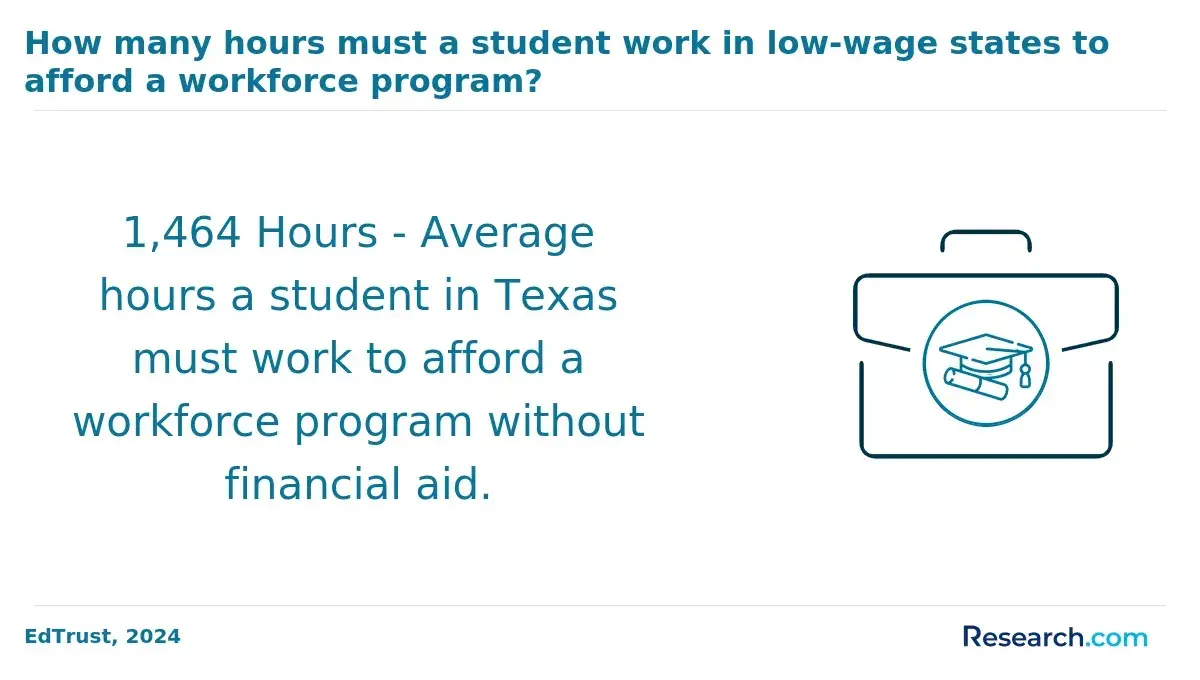
Published tuition is only a starting point. College Board's 2024-25 public two-year in-district average of $4,050 covers a full academic year of tuition and fees, not the price every transfer student will pay. Online fees, books, certification exams, out-of-district rates, and repeated or nontransferable courses can change the total substantially.
Completion time follows the remaining degree requirements, not a universal two-year clock. A student whose earlier courses fulfill general education and major requirements may finish sooner than someone whose credits transfer only as electives. Part-time enrollment, course sequencing, prerequisites, and internship availability can extend the timeline. A short course term does not mean the entire degree takes one term.
Request a written audit and an estimated charge for every remaining term before comparing offers. Ask whether transfer evaluation occurs before enrollment and whether documented military training, exams, industry credentials, or assessed prior learning can earn applicable credit. Such credit is never automatic. Compare the cost after accepted credit and likely aid, not just the advertised per-credit rate.
Are Online Associate Degree Completion Programs Accredited?
Accreditation belongs to the institution; some fields also have relevant program approval or accreditation. Verify a college's current institutional accreditation through the U.S. Department of Education's accreditation database or its recognized accreditor. Accreditation can affect federal financial aid eligibility and how another institution evaluates transfer work, though it does not guarantee that every course will satisfy a bachelor's requirement.
A nonprofit university can be one option, but public and nonprofit status alone do not establish that its associate pathway is affordable, fully online, or a good transfer fit. For nursing and certain allied-health goals, separately verify program approval, accreditation where relevant, and eligibility for the intended state license or certification before applying.
What Admission Requirements Apply to Online Associate Degree Completion Programs?
Most applicants need a high school diploma or equivalent, prior-college transcripts, and an application. A college may also review placement or prerequisite coursework. Admission to the institution is different from admission to a selective nursing or allied-health major, which may require specified courses, grades, tests, or other screening.
Transfer decisions can depend on the prior institution, course content, grade, and when the course was taken. Ask both how many credits the college will accept and how many must be earned there to receive its degree. If relocation is possible - for example, for a military family - check enrollment and placement rules in each state; guides to the best online colleges for military spouses can help frame that comparison. Do not assume an online enrollment option remains available everywhere.
What Courses Do Online Associate Degree Completion Programs Include?
Expect a mix of general education and major courses. General education may include writing, mathematics, communication, and social science. Business programs add accounting or management; health information programs cover records, coding, and privacy; IT programs add networking, systems, or security. Transfer-focused degrees may reserve more credits for courses intended to apply toward a bachelor's degree.
Your previous credits determine which courses remain. A transferable writing class might satisfy a requirement, while an older technical class might count only as an elective. Online labs may use simulations or equipment, and some programs require scheduled meetings, proctored assessments, internships, clinical placements, or campus visits. Obtain a course-by-course audit and a delivery schedule rather than relying on an "online" label.
Which Remote Jobs Can Associate Degree Graduates Get?
Possible entry-level targets include customer support, bookkeeping support, help desk, and medical records work. None is inherently remote: employers decide where work is performed, and remote openings may attract applicants with more experience. The table distinguishes roles to investigate from roles that need substantially more preparation.
| Role to investigate | Relevant associate pathway | What else to check |
| Customer support or administrative support | Business or office technology | Employer software, hours, and remote-location restrictions |
| IT help desk | IT support or networking | Technical skills, experience, and possible certifications |
| Medical records or coding support | Health information | Experience, certification preferences, and privacy requirements |
| Licensed counselor | Psychology as a transfer starting point | Bachelor's and graduate education, supervision, and state licensure |
If counseling is your goal, plan the full education and licensing route rather than treating an associate degree as the final credential. Later, when a master's degree becomes relevant, compare affordable master degree programs against your state's professional requirements.
How Much Can Remote Jobs With an Associate Degree Pay?
Pay varies by occupation, location, experience, and employer - not simply by whether a job is remote. The U.S. Bureau of Labor Statistics reported a May 2024 median annual wage of $50,250 for medical records specialists. That is the midpoint for workers in the occupation nationwide, not an entry-level remote salary or an earnings estimate for graduates of a particular program.
BLS also projects employment growth for medical records specialists over the 2024-34 period, but growth across an occupation does not show how many openings will permit remote work. For a useful return-on-investment check, compare local or remote job postings you qualify for with your remaining education cost. Treat unusually high advertised salaries as claims to verify against the role's experience and credential requirements.
How Should Students Choose a Reputable Online Associate Degree Program?
The best program is the one that moves your existing credits toward a credible credential and a realistic job goal at a manageable total cost. Before paying a deposit, compare finalists using the same questions:
- Request a written audit showing accepted credits, credits applied to the major, remaining courses, and minimum credits you must take at the college.
- Confirm whether every remaining course is offered online when you need it, including any scheduled sessions, labs, exams, or local placements.
- Calculate remaining tuition, mandatory fees, materials, and credential costs; then ask about federal aid eligibility, scholarships, and employer tuition assistance.
- Check accreditation, transfer agreements if you plan a bachelor's degree, and any separate certification or state-licensure requirements.
- Compare the curriculum with current job postings and ask career services what support they provide without treating that support as a placement guarantee.
Common mistakes are counting all accepted credits as degree-applicable, choosing the lowest per-credit price without calculating remaining credits, and assuming an online degree leads to a remote job. A written audit, full cost estimate, and role-specific job search address those risks before you enroll.
Other Things You Should Know About
Sometimes. Confirm that your remaining courses have no required campus visits, labs, clinical work, or other in-person components; requirements vary by program.
There is no universal minimum. Some colleges enroll transfer students in their regular associate program. Ask for an evaluation showing which credits fulfill degree requirements and how many must be completed there.
No degree guarantees one. Business, health information, and IT can prepare you for tasks sometimes performed remotely, but employers may require experience, certifications, set hours, or location-specific eligibility.
An AA or AS is often designed with transfer in mind, while an AAS is often more applied. Check the destination bachelor's program's course requirements and articulation agreement rather than relying on the degree abbreviation.
References
- Texas Residency - Texas Higher Education Coordinating Board https://www.highered.texas.gov/texas-residency/
- DAPIP | Homepage - Office of Postsecondary Education (OPE) https://ope.ed.gov/dapip/
- Cost of Attendance (Budget) | 2025-2026 Federal Student Aid Handbook https://fsapartners.ed.gov/knowledge-center/fsa-handbook/2025-2026/vol3/ch2-cost-attendance-budget
- Degrees and Certificates | lowercolumbia.edu https://lowercolumbia.edu/publications/catalog/degrees-and-certificates/
- Coding and Definitions | CT State https://ctstate.edu/coding-and-definitions
- Associate to Bachelor's Degree Completion | Tiffin University https://go.tiffin.edu/bachelors-programs/associate-to-bachelors-degree-completion/
- Course Credit Regulations and Limits | uncg.edu https://go.uncg.edu/course-credit-regulations-limits
- 4.1.21 Instructional Modalities and Distance Education | Illinois State https://policy.illinoisstate.edu/academic/4-1-21
- Credit for Prior Learning | UMass Global https://www.umassglobal.edu/admissions/transfer-center/credit-prior-learning
- Undergraduate Transfer Credit | University of Arizona Catalog https://catalog.arizona.edu/policy/courses-credit/credit/undergraduate-transfer