
2027 Best Online Two-Year Degrees With Transfer-Friendly Policies

Co-Founder and Chief Data Scientist
The best online two-year degree is not simply the one whose credits a university accepts. It is the one whose courses count toward the bachelor's degree you actually want. That distinction matters when you are paying for every course: the College Board reports average published tuition and fees of $4,050 at public two-year colleges for 2024-25, before books and other costs.
This guide compares six degree fields for prospective transfer students, including working adults, and shows how to check agreements, online requirements, total costs, and career goals before enrolling.
Key Things You Should Know
- For a bachelor's goal, start with an AA or AS pathway built around your intended major; an AAS may transfer, but its technical courses need closer review.
- Many associate degrees require about 60 semester credits. Ask the destination university which credits satisfy major and general education requirements, not merely which it will accept.
- In licensed fields, transfer planning and career eligibility are separate decisions. The U.S. Bureau of Labor Statistics reports a 2024 median annual wage of $93,600 for registered nurses, but an associate degree alone does not confer an RN license or guarantee that wage.
Top 10 Best Online Two-Year Degrees With Transfer-Friendly Policies
Business Programs
An online AA or AS in business administration is a strong starting point for students targeting a bachelor's in business, accounting, or management. Prioritize agreements that specify how accounting, economics, statistics, and introductory business courses apply to the chosen major. A business AAS may be better for immediate workplace skills, but specialized courses can transfer as electives rather than major requirements. Students aiming for accounting should check prerequisites early; a general business transfer map may not cover them.
Healthcare Programs
An AS in health sciences or public health can support transfer into a related bachelor's program without committing to a clinical occupation. Compare biology, chemistry, and statistics requirements with the destination major's prerequisites. An allied-health AAS may emphasize employment preparation, clinical placements, and field-specific accreditation instead. Those features can be valuable, but they do not ensure an efficient bachelor's transfer. "Online" coursework may still include in-person laboratories or supervised experience; confirm the location and schedule before applying.
Information Technology Programs
An AS in computer science generally fits students planning a bachelor's in computer science, especially if its calculus and programming sequence matches the university's. An IT or cybersecurity AS may align better with an applied technology bachelor's. An AAS emphasizing vendor tools can help with workforce preparation, yet some technical credits may transfer only as electives. Because programs use similar titles for different curricula, compare course-by-course equivalencies rather than assuming all online IT degrees lead to the same junior-year starting point.
Nursing / Pre-Nursing Programs
An online pre-nursing AS can cover general education and science prerequisites for a nursing application; it is not an RN-qualifying degree. An associate degree in nursing combines coursework with supervised, in-person clinical education and may support an RN-to-BSN pathway after licensure. Nursing admission is often selective even at colleges with broad general admission. Check prerequisite expiration rules, clinical-site requirements, nursing program approval, examination eligibility, and the intended university's RN-to-BSN agreement separately.
Criminal Justice Programs
An online AA or AS in criminal justice can provide a transfer route into criminal justice, criminology, or public administration. Compare its writing, statistics, and social science courses with the destination bachelor's curriculum. A career-focused AAS may offer more occupational courses but fewer broadly applicable credits. A degree does not replace an agency's hiring standards, academy training, background checks, or other requirements. Students considering law school should choose transferable coursework that also builds strong reading and writing skills.
Psychology / Counseling Programs
An online AA or AS in psychology is a practical transfer foundation when it includes statistics, research methods, and the destination major's introductory courses. Counseling-titled associate programs deserve extra scrutiny: their occupational courses may not satisfy a psychology bachelor's major. An associate degree does not qualify someone to practice independently as a counselor or psychologist. Students with that goal should map the full educational and licensing path, potentially including graduate study, before choosing their first two years of courses.
What are the best online two-year degrees for transfer to a bachelor's program?
The best fit is the online AA or AS whose published course map matches your intended bachelor's major at a named university. Business and psychology often offer adaptable transfer foundations; computer science and pre-nursing require especially careful prerequisite sequencing. No field is universally "best," and a transfer agreement is more useful than a broad promise that credits are accepted.
This comparison shows what to prioritize within each field. The decisive evidence is the destination university's current treatment of the specific courses you plan to take.
| Associate pathway | Good bachelor's match | Transfer issue to check first |
| Business AA/AS | Business, accounting, or management | Required accounting, economics, and statistics courses |
| Health sciences AS | Public health or related health studies | Science labs and major-specific prerequisites |
| Computer science AS | Computer science | Calculus and programming-course equivalencies |
| Pre-nursing AS | BSN entry pathway | Selective admission and science-course rules |
| Criminal justice AA/AS | Criminal justice or criminology | Major credit versus elective credit |
| Psychology AA/AS | Psychology | Statistics and research-methods requirements |
If rapid workforce entry matters more than a bachelor's pathway, compare the associate degree with certificate programs that pay well. A shorter credential may suit a specific job goal, but it may contribute fewer credits toward a future degree.
How can students verify accreditation and transfer agreements for online associate degrees?
Check institutional accreditation through the U.S. Department of Education's accreditation database or the accreditor's directory. Then ask the receiving university for a current articulation agreement or degree map for your exact associate program and intended bachelor's major. Programmatic accreditation or state approval also matters when the path leads to a regulated occupation.
Use this sequence before paying a deposit or registering for courses:
- Identify a bachelor's major and at least one university you would realistically attend.
- Request the university's written course equivalencies, including how each credit applies to general education, prerequisites, major requirements, or electives.
- Confirm minimum grades, credit limits, admission conditions, and how many credits must be completed at the university.
- Ask both schools whether the agreement applies to online students and whether it remains in force for your expected transfer term.
A university may accept a course as transfer credit without counting it toward your major. That is the costly distinction a generic "transfer-friendly" label can hide.
How much do online two-year degrees cost, and how long do they take?
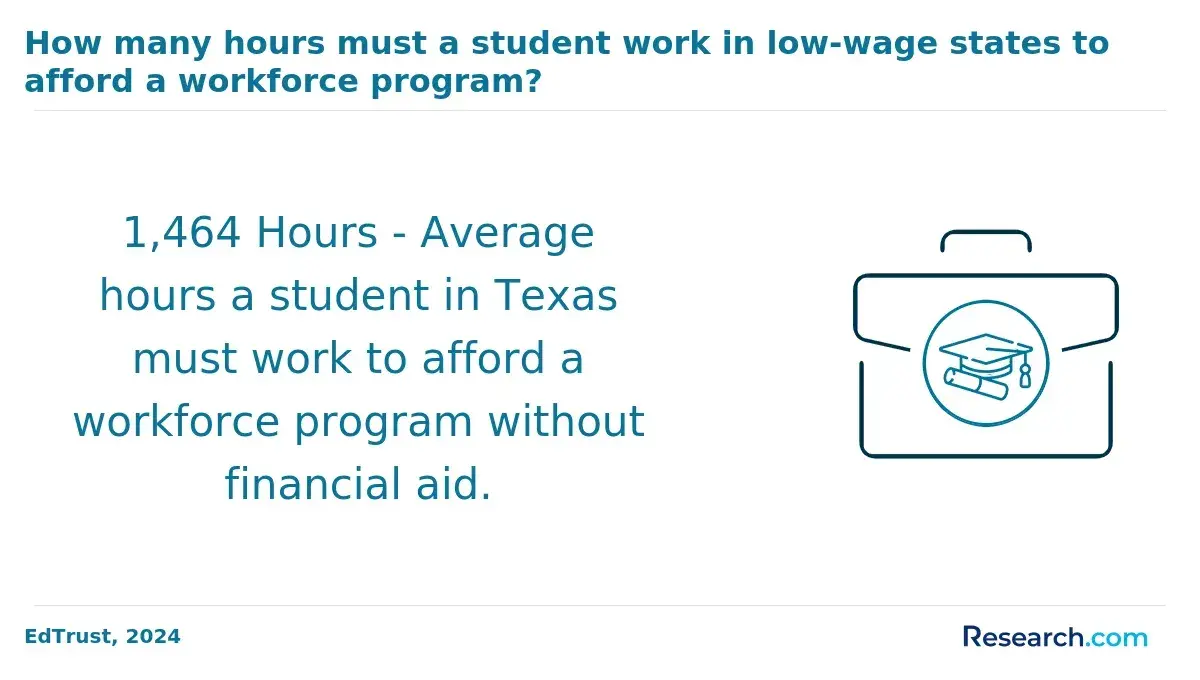
Many require roughly 60 semester credits and can take about two years with a full-time, well-sequenced schedule. Part-time enrollment, unavailable prerequisites, labs, and clinical requirements can extend that timeline. The College Board's 2024-25 average of $4,050 in annual published tuition and fees at public two-year colleges is a starting benchmark, not an online program quote or a total degree price.
Compare the full bill: residency-based tuition, online and technology fees, books, equipment, proctoring, travel to required sites, and the cost of any bachelor's credits that fail to apply after transfer. Financial aid eligibility depends on the school and student; submit the FAFSA and review grants, scholarships, employer assistance, and borrowing before judging affordability. Also compare the remaining bachelor's cost, cheapest online degrees may differ substantially in fees and accepted transfer credits.
Which online associate degree formats best support working students?
Asynchronous courses often make it easier to study around shifts, while scheduled live classes can provide structure. Neither removes deadlines. Part-time enrollment can make weekly work manageable but may delay courses offered only once a year; accelerated terms concentrate the same obligations into fewer weeks.
Ask for a sample course schedule rather than relying on the word "online." Check live-attendance rules, exam-proctoring hours, group work, lab visits, and whether clinical placements must occur during weekday shifts. For a working student, a predictable transfer map with reliable course availability may be more useful than the shortest advertised course term.
What admission requirements apply to online two-year degree programs?
Requirements vary by college and major. Applicants commonly provide a high school diploma or equivalent and prior college transcripts; a school may use placement information to determine an appropriate starting course. Standardized admission tests are not universally required.
Do not confuse admission to a college with admission to a selective nursing or allied-health program. Those majors may require specific science courses, grades, background checks, or other eligibility steps. If you have previous college credit, request an evaluation that distinguishes accepted credits from credits that meet the associate degree and intended transfer pathway; ask whether course age, minimum grades, or residency rules affect the result.
What coursework do transfer-friendly online associate degrees typically include?
AA and AS pathways generally combine writing, mathematics, humanities, social sciences, and laboratory science with introductory courses in the major. The right mix depends on the bachelor's destination: calculus matters in many computer science pathways, while psychology programs may specify statistics and research methods.
An AAS often devotes more space to technical training, internships, or clinical work. It can still transfer well when a university has an applied bachelor's or a specific AAS-to-bachelor's agreement. Avoid filling elective slots before reviewing the university's degree map: an interesting online course that transfers only as a free elective may leave a required prerequisite unfinished.
Which careers and salaries can online two-year degrees lead to?
Outcomes depend on the field, local employers, experience, and whether a student completes further education or licensure. Business, IT, and criminal justice study can support applications for relevant entry-level roles, but the degree does not establish eligibility for every job bearing those labels. Psychology and pre-nursing are usually better understood as steps toward further training.
For context, the U.S. Bureau of Labor Statistics reports a 2024 median annual wage of $93,600 for registered nurses as an occupation. That is not an expected salary for pre-nursing students or associate degree graduates: RN practice requires meeting state licensing requirements. Counseling careers generally require more education; students exploring that route can compare shortest master's degree programs online while checking whether any program meets the relevant state's licensing standards.
What certifications or licenses may graduates need for their chosen careers?
Requirements depend on the occupation, not on whether coursework was online. An aspiring RN must complete an eligible nursing program and meet state board requirements, including the applicable licensing examination. Some allied-health roles require professional certification, state licensure, or both; criminal justice agencies set their own hiring and training standards. IT certifications may demonstrate particular skills but are not interchangeable with college transfer credit unless a school explicitly awards it.
Independent psychology practice requires education and licensure far beyond an associate degree. Students considering that long-term goal should investigate state rules and, later, options such as shortest doctoral programs without assuming a short program automatically satisfies supervised-training or licensure requirements.
How should students choose a reputable online two-year degree program?
Choose backward from the bachelor's credential and occupation you want. Shortlist accredited colleges whose online course schedules, transfer maps, and full costs you can verify - not just schools advertising broad transfer acceptance.
Before enrolling, ask admissions and transfer advisers for written answers to these decision-critical questions:
- Which courses will satisfy my intended bachelor's major, and which will count only as electives?
- What grades, admission conditions, and university residency credits does the pathway require?
- Can I finish the associate program online, or are labs, clinical placements, exams, or visits required in person?
- What will I pay in tuition and mandatory fees at my residency rate, and when are required courses offered?
Be wary of an outdated agreement, an unexplained "100% online" claim, or a tuition quote that excludes required fees. If a school cannot clarify how your courses apply to the destination degree, keep comparing programs before committing.
Other Things You Should Know About
No. A university may accept the credits but still require missing prerequisites or major courses. Confirm the written agreement and degree audit for your intended major.
An AA or AS is often designed with transfer in mind. An AAS can also work well when a specific university has a matching applied bachelor's pathway.
Sometimes. Verify every required course and ask about labs, proctored exams, clinical placements, and scheduled live sessions before enrolling.
Choose the lowest realistic total pathway cost, not simply the lowest tuition rate. Extra fees or credits that do not apply to your bachelor's degree can erase apparent savings.
References
- An Overview of Accreditation of Higher Education in the United States | congress.gov https://www.congress.gov/crs-product/R43826
- FAQ - PA College Transfer - Commonwealth of Pennsylvania https://collegetransfer.pa.gov/Transfer-Information/FAQ
- Definitions - Transfer Credit Ohio https://transfercredit.ohio.gov/educational-partners/educational-partner-initiatives/articulation-transfer-policy-policy/articulation-transfer-policy-definitions
- DAPIP | Homepage - Office of Postsecondary Education (OPE) https://ope.ed.gov/dapip/
- Online Associate's Degree Programs (AS and AAS) | Purdue Global https://www.purdueglobal.edu/degree-programs/associates-degrees/
- Transfer credit practices | universityofcalifornia.edu https://admission.universityofcalifornia.edu/counselors/preparing-transfer-students/transfer-credit-practice.html
- Online Associate Degrees | National University https://www.nu.edu/online-degrees/associate/
- Transfer Articulation Agreements and Partnerships | Transfer Student Resources https://transfer.ncsu.edu/resources/transfer-articulation-agreements-and-partnerships/
- Transfer Credits | Registrar's Office - https://www.queens.edu/registrar/transfer-credits/
- All Transfer Colleges and Universities | Laurel Ridge Community College https://laurelridge.edu/transfer/transfer-colleges-and-universities/all-transfer-colleges-and-universities/


