
2027 Best Associate Degree Programs for Single Parents

Co-Founder and Chief Data Scientist
For a single parent, the best associate degree is one you can finish without an unworkable schedule or unaffordable childcare. The stakes are real: the U.S. Bureau of Labor Statistics reports a May 2024 median annual wage of $93,600 for registered nurses, but an associate nursing degree alone does not confer a nursing license. This guide compares career-focused and transfer-focused fields, including their online limits, costs, and admission requirements. Use it to narrow your options and identify the questions to ask before committing.
Key Things You Should Know
- Business and information technology can offer more remote coursework; nursing and many allied-health programs require fixed-time, in-person training.
- Many associate degrees require about 60 credits, but prerequisites, part-time enrollment, and clinical schedules can extend completion beyond two years.
- College Board reports average published in-district tuition and fees of $4,050 at public two-year colleges for 2024-25; childcare, transportation, and program fees can substantially change your total cost.
Top 10 Best Associate Degree Programs for Single Parents
Business Programs
Business administration and accounting associate programs suit parents seeking broadly applicable office skills and potentially more flexible coursework. An Associate of Arts (AA) or Associate of Science (AS) may emphasize transfer to a bachelor's program; an Associate of Applied Science (AAS) may emphasize immediate employment. Compare accounting software, spreadsheet training, internships, and whether required courses run in the evenings or online. Entry-level administrative or bookkeeping work may be possible, but management jobs usually require experience. If a bachelor's degree is the goal, confirm that credits apply to the intended major - not merely that a university accepts them.
Healthcare Programs
Allied-health options such as radiologic technology, respiratory therapy, and diagnostic medical sonography can provide defined occupational pathways. They are less schedule-flexible than their online course listings may suggest: labs, supervised clinical placements, and travel to assigned sites are common. Ask who arranges placements, when shifts occur, and whether you can decline a site that conflicts with childcare. Programs may require separate competitive admission after prerequisites. Verify the accreditation and exam eligibility needed for your chosen occupation and state before paying a deposit.
Information Technology Programs
Computer support, networking, cybersecurity, and software-development associate programs may fit parents who need remote access to lectures and labs. Look beyond "online": scheduled team projects, proctored exams, and fixed deadlines still affect childcare plans. An AAS may target technical employment, while an AS may leave more room for transfer; check the actual curriculum. Projects, troubleshooting practice, and employer-recognized certifications can strengthen an application, but a cybersecurity title does not guarantee an entry-level cybersecurity job. Ask about equipment requirements and career-placement support.
Nursing / Pre-Nursing Programs
An Associate Degree in Nursing (ADN) is a potential route to registered-nurse eligibility; pre-nursing coursework alone is not a nursing credential. ADN admission is often selective even at an open-admission college. Compare prerequisite sequences, clinical shift locations, required immunizations, and the time between acceptance and program start. Graduates must meet state nursing-board requirements and pass the NCLEX-RN to obtain a license. If clinical hours conflict with dependable childcare, consider completing prerequisites part time before applying - but check how long those credits remain valid.
Criminal Justice Programs
Criminal justice associate degrees can introduce courts, corrections, and public-safety systems. An AA or AS may be most useful as a transfer route; an AAS may emphasize workplace preparation. Neither automatically qualifies someone for a police position, which can involve academy training, background checks, and agency-specific requirements. Public-safety jobs may also involve nights or rotating shifts. Before enrolling, compare the degree with your target employer's actual hiring requirements and ask whether internships or courses have fixed, in-person hours.
Psychology / Counseling Programs
A psychology associate degree is usually a foundation for transfer, not a qualification to practice as a psychologist or licensed counselor. It may suit a parent planning a longer education path or exploring entry-level human-services roles, subject to employer requirements. Check whether statistics, general education, and psychology courses satisfy the intended bachelor's major. Human-services programs may include practicums with daytime hours. If your goal is independent counseling practice, map the full education and state-licensure pathway before choosing an associate major.
What Are the Best Associate Degrees for Single Parents?
There is no single best associate degree for every single parent. The strongest choice fits a specific career goal and a sustainable weekly schedule, at a total cost you can manage. Business and IT deserve a closer look when remote coursework is essential; nursing and allied health may be better fits when you can reliably cover in-person training and want a defined occupational route. Psychology and some criminal justice degrees make more sense when paired with a verified transfer plan.
An AA or AS often emphasizes general education and transfer, while an AAS often emphasizes workforce skills; schools vary, so compare course requirements rather than relying on the initials. If your goal already requires a bachelor's degree, compare the associate-to-transfer route with 2 year bachelor degree programs, paying particular attention to how many prior credits those programs require.
How Much Do Associate Degree Programs Cost for Single Parents?
Start with a complete cost estimate, not a per-credit advertisement. College Board's $4,050 figure is an average year of published in-district tuition and fees at public two-year colleges in 2024-25 - not the price of a particular program or what a student pays after aid. Residency status and required credits can change the comparison.
Ask each college for an estimate that includes these expenses, then compare the amount left after grants and scholarships:
- Tuition and mandatory fees for every remaining credit, including prerequisites and any out-of-district charges.
- Books, equipment, technology, background checks, uniforms, exams, and licensing fees where applicable.
- Childcare and transportation for classes, labs, clinicals, and placements, including travel to sites you cannot choose.
Complete the FAFSA to explore federal and state aid, and ask about campus childcare, emergency grants, payment plans, and scholarships for parents. Confirm that the college and your enrollment meet financial-aid eligibility rules; a lower sticker price is not always a lower net cost.
Can Single Parents Earn an Associate Degree Online?
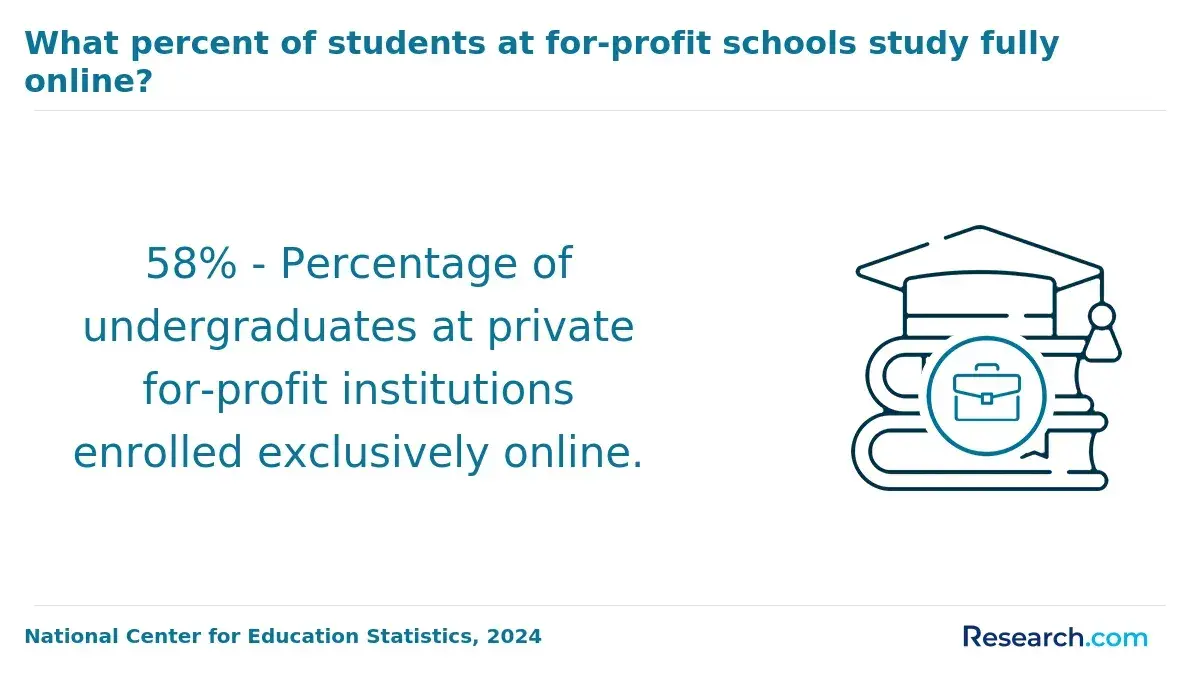
Yes. Business, IT, psychology, and some criminal justice associate programs may offer substantial online coursework. "Online," however, does not mean self-paced: classes can require live attendance, group meetings, proctored exams, or work due at fixed times. Nursing and many allied-health programs combine online coursework with in-person labs and clinical training.
Before applying, request a term-by-term schedule showing required campus visits and whether every course is offered online when you need it. Ask if part-time students can keep their place in the course sequence and whether the school helps arrange local placements. Choose the format that works during an ordinary week and a childcare disruption - not just on an ideal day.
How Long Does It Take to Earn an Associate Degree?
Many associate programs require roughly 60 credits and can take about two years of full-time study. Part-time enrollment often takes longer; nursing prerequisites, selective admission, limited course availability, and clinical sequencing can add time. Accepted transfer credit can shorten the remaining coursework, but only after the college evaluates where those credits apply.
Ask an advisor for a personalized plan showing courses offered each term and the enrollment load you can sustain. If speed matters, compare the whole degree - not merely the length of an individual class - with other fast track degrees. A shorter advertised timeline may assume prior credits or an intensive schedule that is difficult to combine with parenting.
What Are the Admission Requirements for Associate Degree Programs?
Colleges typically ask for a high school diploma or equivalent, an application, and transcripts; some use placement measures to determine starting courses. General admission does not guarantee admission to a particular major. Nursing and allied-health programs, for example, may separately evaluate prerequisite grades, applications, and other published criteria.
If you have previous college credit, request a transfer evaluation before building your schedule. Ask which credits satisfy your major, which count only as electives, and whether older science courses must be retaken. Verify any program-specific requirements directly with admissions rather than assuming the college-wide policy applies.
Which Associate Degrees Offer the Best Career and Salary Potential?
Nursing and certain allied-health degrees lead toward occupations with defined credentials, but the required clinical schedule and licensure steps can be substantial. For context, the Bureau of Labor Statistics reports a $93,600 median annual wage for all registered nurses in May 2024. That is an occupational wage - not a projected salary for ADN graduates or newly licensed nurses - and becoming an RN also requires meeting state requirements and passing the licensing exam.
Business and IT offer a different trade-off: potentially greater coursework flexibility and a wider range of roles, but less certainty that a degree title maps to one job. Compare local openings, entry-level requirements, schedules, and advancement expectations for the specific role you want. An impressive occupational wage is of limited use if the required training or eventual work shifts do not fit your family's needs.
What Jobs Can You Get With an Associate Degree?
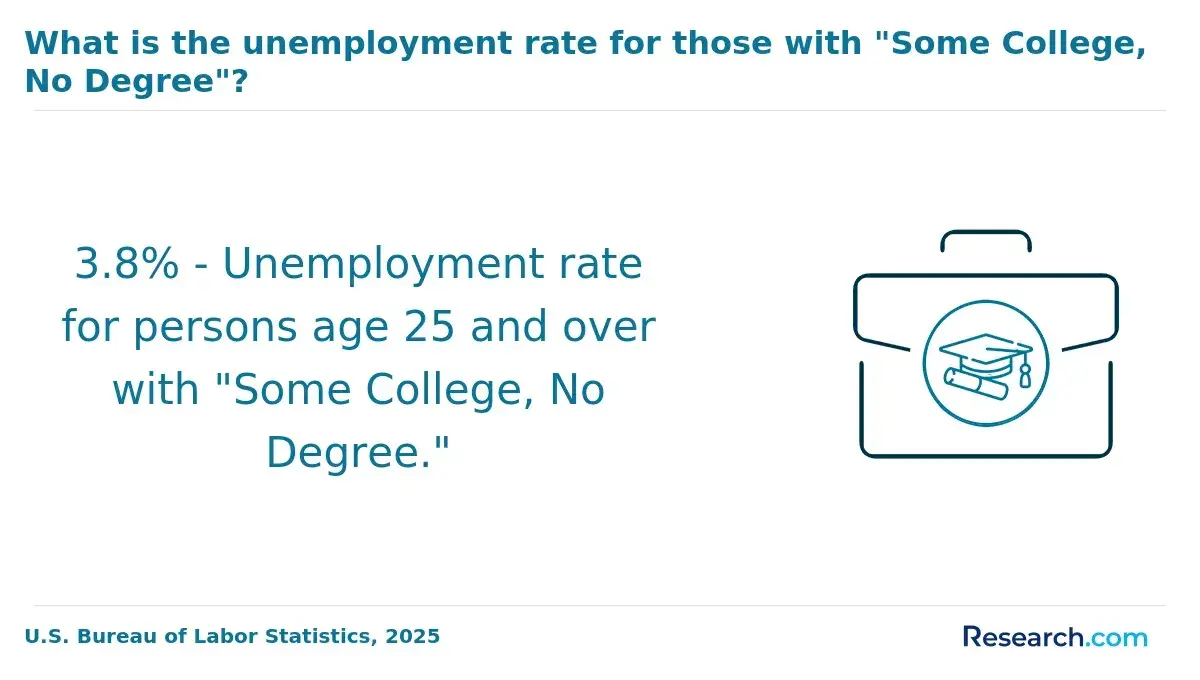
Possible paths include administrative support or bookkeeping with business training; help-desk support with IT training; and certain clinical roles after completing an appropriate allied-health program and its required credentials. Criminal justice may support applications to agency or administrative roles, while psychology can provide a foundation for human-services work or further study. Employers - not the degree name alone - determine qualifications.
If you need to enter the workforce sooner, compare the time and cost of an associate degree with relevant certificate programs that pay well. A certificate can be a better first step for a narrowly defined job; an associate degree may offer broader coursework or a transfer pathway. Check actual job postings before choosing either route.
Do Associate Degree Careers Require Licenses or Certifications?
It depends on the job. Registered nursing requires state licensure and the NCLEX-RN; allied-health occupations can have distinct certification, examination, or licensing rules. IT certifications may be valued by employers without being legal licenses. Business and psychology associate degrees generally do not confer a professional license, and independent counseling practice requires substantially more education and state-specific qualifications.
Do not choose a program because its name resembles a licensed profession. Ask the relevant state board which education qualifies for the credential, then confirm the program's graduates meet those requirements. For counseling, researching easy masters degrees is no substitute for checking a graduate program's specific licensure alignment and supervised-experience requirements.
How Can Single Parents Choose an Accredited Associate Degree Program?
Check that the college holds institutional accreditation recognized by the U.S. Department of Education. Then determine whether your intended occupation requires or favors accreditation of the specific program, particularly in nursing or allied health. Accreditation is a starting point, not proof that every course will transfer or that graduates qualify for every state license.
Once you have a shortlist, ask each school for the following in writing:
- A term-by-term plan showing online, evening, campus, lab, and placement commitments.
- An itemized total-cost estimate and an evaluation of any previous credits.
- The program's licensing or certification eligibility and, if you plan to transfer, how its courses apply to your intended bachelor's major.
Be cautious if a school cannot clearly answer those questions. The best next step is to compare two or three accredited options against the same childcare schedule, budget, and career goal before applying.
Other Things You Should Know About
Often, yes. Confirm that required courses run often enough for part-time students to progress and that clinical programs permit a reduced load.
Some nonclinical programs may be fully online, but verify live-session, exam, and internship rules. Nursing and many allied-health programs require in-person training.
It may, but accepted credits do not always satisfy major requirements. Check an articulation agreement or obtain a course-by-course review from your intended university.
Choose based on your next step. An AAS may suit a defined job goal; an AA or AS may suit a planned bachelor's degree. Verify the actual curriculum and transfer rules before deciding.
References
- Undergraduate Retention and Graduation Rates - COE https://nces.ed.gov/programs/coe/indicator/ctr/undergrad-retention-graduation
- Cost of Attendance (Budget) | 2026-2027 Federal Student Aid Handbook https://fsapartners.ed.gov/knowledge-center/fsa-handbook/2026-2027/vol3/ch2-cost-attendance-budget
- DAPIP | Homepage - Office of Postsecondary Education (OPE) https://ope.ed.gov/dapip/
- Associate's degree: Career Outlook | bls.gov https://www.bls.gov/careeroutlook/subject/associates_degree.htm
- Fact Sheet #71: Internship Programs Under The Fair Labor Standards Act | U.S. Department of Labor https://www.dol.gov/agencies/whd/fact-sheets/71-flsa-internships
- Chapter 5 - Practical Training | USCIS https://www.uscis.gov/policy-manual/volume-2-part-f-chapter-5
- How to Choose Degrees in Demand by Career Outcome | keiseruniversity.edu https://www.keiseruniversity.edu/articles/degrees-in-demand-career-outcome/
- Transferring Credits/Degrees/Academic Credentials & Articulation Agreements | United Career Institute https://uci.catalog.unitedcareer.edu/transferring-credits-degrees-academic-credentials-articulation-agreements-1
- Cost of Attendance - Financial Aid and Scholarships - The University of Utah https://financialaid.utah.edu/tuition-and-fees/cost-of-attendance.php
- Child Care for College Students | Austin Community College District https://students.austincc.edu/essential-resources/child-care-for-college-students/


