
2027 Best Associate Degree Completion Programs With No Application Fee

Co-Founder and Chief Data Scientist
Already have college credits but no degree? A no-fee application lets you explore a path to an associate degree without paying just to be considered. The larger expense comes after admission: College Board reported average published in-district tuition and fees of $4,050 at public two-year colleges for 2024-25. That figure is a starting point, not your personal completion cost.
This guide compares no-fee options, explains how previous credits change the price and timeline, and shows what to verify before you enroll.
Key Things You Should Know
- A no-fee application does not mean a free degree; compare the tuition and required fees for credits that will actually remain after evaluation.
- Southern New Hampshire University says students can transfer up to 45 credits toward a 60-credit associate degree, but accepted credits must also meet degree requirements.
- The best fit depends on your goal: an AA or AS may support transfer to a bachelor's program, while an AAS may emphasize workforce skills. Check the specific curriculum before choosing.
Top 10 Best Associate Degree Completion Programs With No Application Fee - Top Programs
Business Programs
Business is a practical choice if your earlier courses include accounting, economics, or general education. An AA or AS can prepare you for a bachelor's in business; an AAS may focus more on workplace applications. Compare which prior courses satisfy the major, not just the overall credit total. If your goal is management, remember that a business associate degree can support entry-level work but does not by itself qualify you for a management position.
Healthcare Programs
Healthcare options range from transfer-oriented health science to career-focused allied health. These are not interchangeable: an online health science degree generally does not confer eligibility for a clinical license. Ask whether anatomy, laboratory science, observation hours, or a clinical placement must be completed in person. Previously earned science credits may face grade or recency rules, so request a program-specific evaluation before estimating your remaining cost.
Information Technology Programs
An IT associate program may cover networking, programming, cybersecurity fundamentals, and technical support. It can suit students with previous general education or computing credits, provided those courses still match current requirements. Compare hands-on labs, software access, and whether courses prepare you for relevant industry certifications; a degree does not automatically award a certification. For a later bachelor's degree, confirm that technical courses will apply to the destination major rather than transferring only as electives.
Nursing / Pre-Nursing Programs
Pre-nursing and nursing are different paths. Pre-nursing coursework can help satisfy prerequisites but does not qualify a student for registered-nurse licensure. An associate degree in nursing typically has separate, selective admission and required in-person clinical education, even when general education courses are online. A college's free general application may not eliminate nursing-specific costs or guarantee a seat. Confirm state board approval, clinical placement rules, and examination eligibility before applying.
Criminal Justice Programs
Criminal justice programs may address courts, corrections, policing, and public policy. An AA can make sense for students planning to transfer; an AAS may place greater emphasis on job-related coursework. Neither degree guarantees eligibility for law enforcement or another public-safety role. Agencies may impose separate age, background, fitness, academy, or licensing requirements. Check the requirements for your intended occupation before paying for courses that may not advance that goal.
Psychology / Counseling Programs
An associate degree in psychology usually provides foundational study and a route toward a bachelor's degree, not independent counseling practice. Professional counselor roles generally require graduate education and state licensure. If that is your goal, prioritize transferable general education, statistics, and psychology courses over a program marketed vaguely as career-ready. Compare the destination bachelor's program's requirements before deciding which previous credits are useful.
What Are Associate Degree Completion Programs With No Application Fee?
They are associate-degree pathways that accept previously earned college credit and do not charge for the general admission application. Some schools offer a designated completion pathway; others admit transfer students to a standard associate program. In either case, you earn the degree only after meeting the school's current curriculum and minimum credits completed there.
The distinction matters for students comparing 2 year degrees: a prior transcript may reduce required coursework, but it does not automatically clear major requirements. Ask for a written evaluation showing credits accepted, credits applied to the degree, and courses still needed.
Which Accredited Colleges Offer Associate Degree Completion Programs Without Application Fees?
Southern New Hampshire University and Dallas College are useful starting points because they offer associate degrees, accept transfer students, and advertise no-fee general applications. They are examples to investigate, not a ranking or a claim that every major has identical admission terms. Confirm the current application page and your intended program before submitting.
The comparison below focuses on what a returning student needs to investigate, rather than assuming that admission or transferable credit guarantees a quick finish.
| College | Accreditation and associate options | Completion question to ask |
| Southern New Hampshire University | Institutionally accredited by the New England Commission of Higher Education; offers online associate programs | Which of my credits apply within the associate degree's transfer limit, and which courses must I take at SNHU? |
| Dallas College | Institutionally accredited by the Southern Association of Colleges and Schools Commission on Colleges; offers AA, AS, and AAS pathways | How will my credits apply to this specific degree, and are its remaining courses available in my preferred format? |
For either school, check whether a selective program has a separate application, fee, deadline, or prerequisite review. Institutional accreditation does not mean every professional program has the approval needed for licensure.
How Much Do No-Fee Associate Degree Completion Programs Cost?
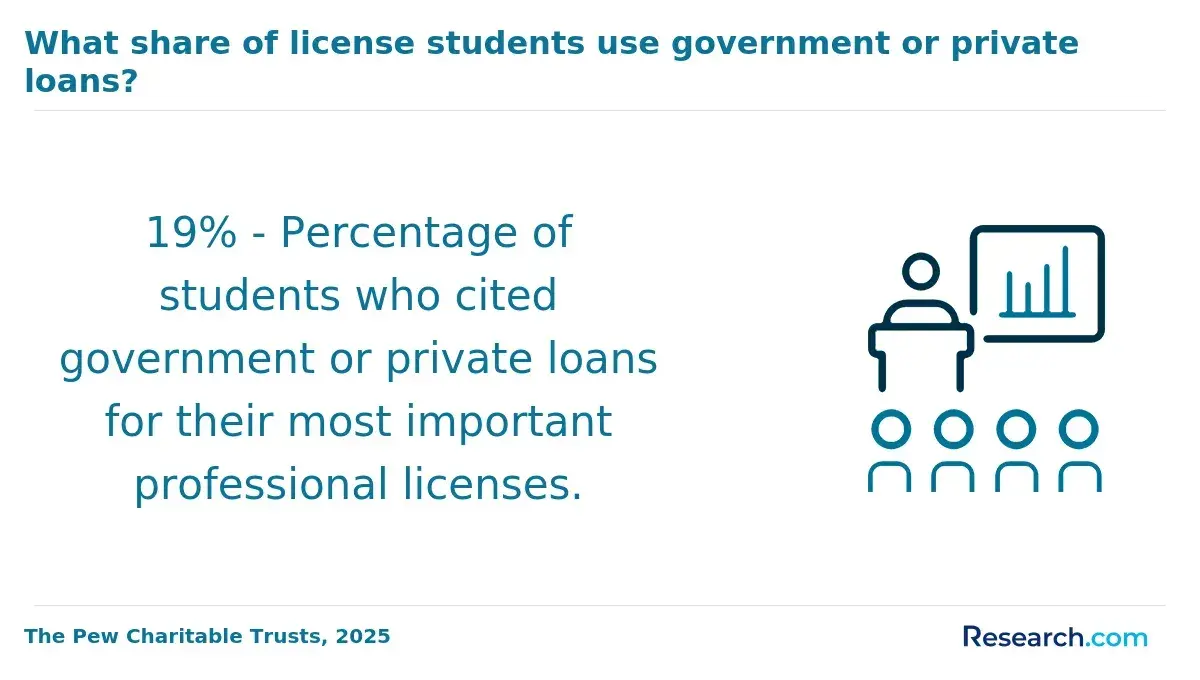
Your cost depends chiefly on the courses left after evaluation, the price of those courses, and mandatory expenses. A published annual tuition figure does not tell a part-time transfer student what finishing the degree will cost. Request a term-by-term estimate based on your transcript and residency status.
These cost categories make competing estimates easier to compare without mistaking a $0 application fee for a low total price.
| Cost category | What to compare |
| Remaining coursework | Tuition for credits that fulfill the degree, including required credits at the awarding college |
| Mandatory expenses | Institutional and course fees, books, software, lab supplies, and any required travel |
| Available assistance | Eligibility for federal aid, state aid, scholarships, employer benefits, or payment plans |
Complete the FAFSA and ask the financial aid office how your enrollment level and remaining eligibility affect aid. If you expect to pursue further degrees, compare each credential's cost separately; a resource on the cheapest doctorate degree is relevant only if doctoral study is genuinely part of your long-term plan.
What Admission Requirements Apply to Associate Degree Completion Programs?
Expect to provide transcripts from every previously attended college. Schools may also require proof of high school completion or an equivalent credential, placement information, or proof of residency for tuition purposes. Transfer decisions can depend on a course's grade, subject, age, and the sending institution's accreditation.
General admission and admission to a major are separate decisions. Nursing and some allied-health programs, for example, may require prerequisites, a minimum GPA, testing, or a competitive application even when the college charges no general application fee. Ask whether the school evaluates transcripts before enrollment and whether that evaluation is binding for your chosen degree.
Are Online Associate Degree Completion Programs Better Than Campus Programs?
Neither format is automatically better. Online study can reduce commuting and broaden course access, but classes may still have scheduled meetings, fixed deadlines, proctored exams, or local placements. Campus study can make labs and in-person support easier to access, though travel and limited section times may slow progress.
Choose based on the courses you have left, not the format advertised for the degree as a whole. Ask for the upcoming schedule of every remaining required course and check whether any lab, clinical, internship, or orientation requires attendance in person.
What Coursework Do Associate Degree Completion Programs Typically Include?
Most associate degrees combine general education with major requirements and electives. An AA or AS may emphasize courses intended for transfer, while an AAS may devote more space to applied technical study; individual curricula vary. Healthcare and science programs may add laboratories, prerequisites, or clinical work.
For a returning student, the decisive document is a degree audit. It should show whether an old course fulfills a specific requirement or merely contributes elective credit. If a bachelor's degree is your next step, also compare the audit against the destination school's transfer and major requirements.
How Long Does It Take to Complete an Associate Degree Program?
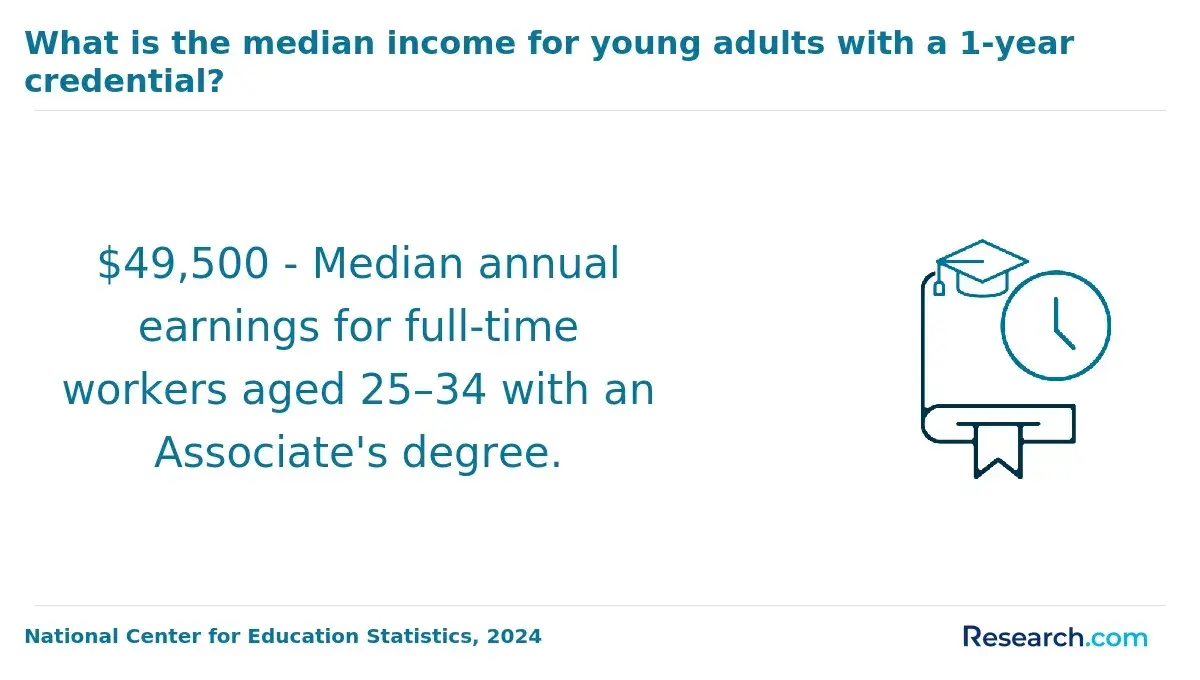
Many associate degrees require about 60 semester credits, but your timeline depends on credits applied to the curriculum, enrollment intensity, course availability, and any prerequisite or clinical sequence. At SNHU, the stated ability to transfer up to 45 credits toward an associate degree could leave substantial coursework to finish at the university; it is not a promise that every applicant's 45 credits will count toward needed requirements.
If you are comparing an accelerated associate degree online, ask what starting-credit balance its advertised timeline assumes. A short course term is not the length of the entire degree.
What Careers and Salaries Follow an Associate Degree Completion Program?
Career outcomes depend on the field and the job's separate entry requirements. Business or IT study may support applications for entry-level office or technical roles; a transfer-oriented psychology or pre-nursing degree may be more valuable as a step toward further education. An associate degree in nursing can form part of the route to registered-nurse eligibility, but graduates must also satisfy state requirements and pass the required licensing examination.
The U.S. Bureau of Labor Statistics reported a 2024 median annual wage of $93,600 for registered nurses. That is an occupational wage across workers with varied education and experience - not the expected pay for a new associate-degree graduate. For criminal justice careers, applicants should also research employer background standards; guidance on college degrees for felons can help frame education options, but degree access does not override hiring or licensing rules.
How Can Students Verify Accreditation, Licensing, and Career Outcomes?
Verify institutional accreditation through the accreditor or the U.S. Department of Education's accreditation database. For a regulated occupation, check program approval and eligibility directly with the relevant state licensing board. Ask a prospective school for program-level completion and employment information, including how the figures were collected; career services alone are not evidence of placement.
Before committing, request a written degree audit, a full remaining-cost estimate, and confirmation of delivery requirements. Treat unclear transfer decisions, unverified licensure claims, and salary promises as reasons to pause. The strongest no-fee choice is the one that applies your existing credits to a credential that serves your next step.
Other Things You Should Know About
No. Tuition, mandatory fees, materials, and any travel or clinical expenses can still apply. Compare an estimate for your remaining requirements after a transcript evaluation.
Often, but acceptance depends on the school and program. General education credits may remain usable while science or technology courses may face recency rules. Request a course-by-course evaluation.
Not necessarily. A school may accept a credit as an elective without using it to satisfy a required course. Check the degree audit, transfer limit, and minimum credits you must complete at the awarding institution.
Usually not. Nursing commonly has separate prerequisites and selective admission. Confirm its application process, possible additional fees, clinical requirements, and state approval.
References
- Financial Aid Dictionary: Top Terms Related to Grants, Work-Study, and Student Loans - Federal Student Aid https://studentaid.gov/articles/financial-aid-dictionary/
- Helping Transfer Students Achieve Their Education Goals | THECB Data https://databridge.highered.texas.gov/helping-transfer-students-achieve-their-education-goals/
- School-Determined Requirements | 2024-2025 Federal Student Aid Handbook https://fsapartners.ed.gov/knowledge-center/fsa-handbook/2024-2025/vol1/ch1-school-determined-requirements
- Registrar | central.edu https://departments.central.edu/registrar/transfer-creditap/transfer-student-faqs/
- Why Is Accreditation Important? | ACE Blog https://ace.edu/blog/why-is-accreditation-important/
- Associate Degree vs. Bachelor's Degree | snhu.edu https://www.snhu.edu/about-us/newsroom/education/associate-degree-vs-bachelor-degree
- Admission to College | pgcc.edu https://catalog.pgcc.edu/content.php
- What is a Degree Completion Program? | Notre Dame de Namur University https://www.ndnu.edu/articles/guides-tips/what-is-degree-completion-program.html
- Online Associate's Degrees - MDC Online - Miami Dade College https://online.mdc.edu/online-programs/online-associates/
- Admissions Requirements | Georgia Military College https://www.gmc.edu/admissions-requirements/


