2027 Best Majors With 2.0 GPA Admission

Co-Founder and Chief Data Scientist
A 2.0 GPA can make graduate admissions harder, but it does not settle every application. The key question is whether a particular master's program permits that GPA, considers recent coursework, or offers a documented conditional pathway. The stakes are substantial: the U.S. Bureau of Labor Statistics reported median weekly earnings of $1,840 for workers with a master's degree in 2024, though that figure does not predict any applicant's outcome.
This guide compares fields, explains where separate admissions and licensing barriers arise, and shows you what to verify before paying an application fee.
Key Things You Should Know
- A 2.0 undergraduate GPA is not a universal graduate-admission threshold; confirm the published rule for the specific master's program and applicant category.
- Business, IT, and some other non-licensure fields may offer more admissions pathways than clinical or licensure-track programs, but no field guarantees admission.
- Ask whether conditional admission, recent graded coursework, or a qualifying certificate can strengthen your application—and whether credits will count toward the degree.
Top 10 Best Majors With 2.0 GPA Admission
Business Programs
Master's programs in management, marketing, and business administration can suit applicants seeking advancement rather than a professional license. Relevant work experience or strong recent grades may help explain an older 2.0 GPA, but an MBA may also require substantial professional experience. Check the program's GPA rule—not just the university's graduate minimum—and ask whether a business foundation course or conditional admission is available. Compare the curriculum with your goal: a general MBA may be less useful than a focused degree if you need a specific accounting or analytics skill.
Healthcare Programs
Healthcare administration and health informatics master's degrees prepare students for organizational or technical work, not clinical licensure. They may be worth investigating if your GPA limits access to patient-care programs. Still, statistics, healthcare experience, or other prerequisites may apply, and admission with a 2.0 GPA must be confirmed program by program. Choose a curriculum that matches the work you want: operations and finance for administration, or data systems and privacy for informatics. Neither degree, by itself, qualifies you to practice a licensed health profession.
Information Technology Programs
A master's in information technology may emphasize networks, cybersecurity, systems management, or applied computing. Some programs consider applicants from varied undergraduate majors, making this field worth exploring if you can demonstrate current technical ability despite a 2.0 GPA. Others require programming or networking preparation. Ask whether recent graded courses can address both the GPA and prerequisite requirements. Compare hands-on projects and employer-relevant skills rather than assuming an IT degree alone qualifies you for a senior security role.
Computer Science Programs
Computer science master's programs typically demand stronger preparation in programming, algorithms, and mathematics than broad IT programs. A 2.0 GPA applicant should verify both the admission minimum and prerequisite policy before applying; a general graduate school exception may not extend to computer science. Bridge or foundation courses can help establish readiness, but they may add cost and time. Choose this route when you want substantial computing theory or software development preparation, not simply because the title resembles an IT degree.
Nursing Programs
Most conventional master's nursing tracks require an existing nursing credential, and advanced-practice paths have additional clinical and licensure requirements. A 2.0 overall GPA does not establish eligibility: programs may assess nursing-course grades and clinical preparation separately. Ask whether the specific track considers recent coursework or offers a documented exception. If you are not a registered nurse, first identify an appropriate entry-to-nursing pathway; a general healthcare master's is not a substitute for nursing education or licensure.
Psychology Programs
A master's in psychology may support research, behavioral-science work, or preparation for further study, depending on its curriculum. It does not automatically qualify a graduate to practice as a psychologist or licensed counselor. With a 2.0 GPA, check whether the department evaluates later psychology and statistics grades separately from the cumulative GPA. If your goal is counseling licensure, investigate a specifically designated counseling program and your state's requirements instead of choosing a general psychology degree for its admission flexibility.
Education Programs
Master's programs in curriculum, educational leadership, and learning design serve different goals. Some are intended for licensed teachers; others prepare students for roles outside school teaching. A 2.0 GPA applicant should check whether the chosen track requires an existing license, teaching experience, a higher major GPA, or separate department approval. If you need an initial teaching license, confirm the program's state-approved pathway and placement requirements before enrolling. An education master's alone does not automatically grant a teaching credential.
Criminal Justice Programs
A criminal justice master's may focus on policy, research, administration, or public safety. It can be worth considering when professional experience provides a stronger picture of your readiness than an older 2.0 GPA. Confirm whether the graduate program actually permits conditional review; do not infer its policy from undergraduate admissions. Compare research methods and practicum options with your career goal. The degree is not generally required for entry-level law enforcement work and does not replace agency hiring or training requirements.
Engineering Programs
Engineering master's programs commonly expect substantial math and discipline-specific undergraduate preparation. Even when a graduate school publishes a low GPA exception, an engineering department may impose stricter standards. Applicants with a 2.0 GPA should ask whether strong recent technical coursework can qualify them for review and how any required foundation courses affect cost and completion time. Also distinguish a practice-focused program from a research-focused thesis route. A master's degree does not automatically confer a professional engineer license.
Social Work Programs
A Master of Social Work can lead toward clinical licensure, but admission, field placements, supervised practice, and licensing are separate steps. Programs may examine human-services experience, prerequisite coursework, and academic performance beyond the cumulative GPA. With a 2.0 GPA, ask whether the specific MSW program has a published exception or qualifying pathway before applying. Advanced-standing MSW routes generally have separate eligibility tied to a qualifying social work bachelor's degree; they are not a shortcut available to every applicant.
What majors commonly accept students with a 2.0 GPA?
No master's major commonly accepts a 2.0 GPA as a field-wide rule. Admissions policies belong to individual programs. For a first search, non-licensure options such as business, IT, healthcare administration, and criminal justice may offer relevant alternatives to investigate; that is a comparison of program purposes, not a claim that they admit every 2.0 applicant. Clinical nursing, social work, and other licensure-track degrees add eligibility and placement requirements that can narrow your options.
If graduate study is not necessary for your goal, compare other credentials and easy degrees on their actual coursework and career relevance—not on the assumption that "easy" means automatic admission. Build a shortlist only after finding each program's current, applicable GPA policy.
Can you earn a degree with a 2.0 GPA admission requirement?
Yes. An admission threshold is not a graduation standard. A program that admits an applicant with a 2.0 undergraduate GPA may require substantially stronger graduate grades to remain enrolled and earn the degree. Conditional admission may also require satisfactory performance in specified initial courses. Check those terms in writing before accepting an offer.
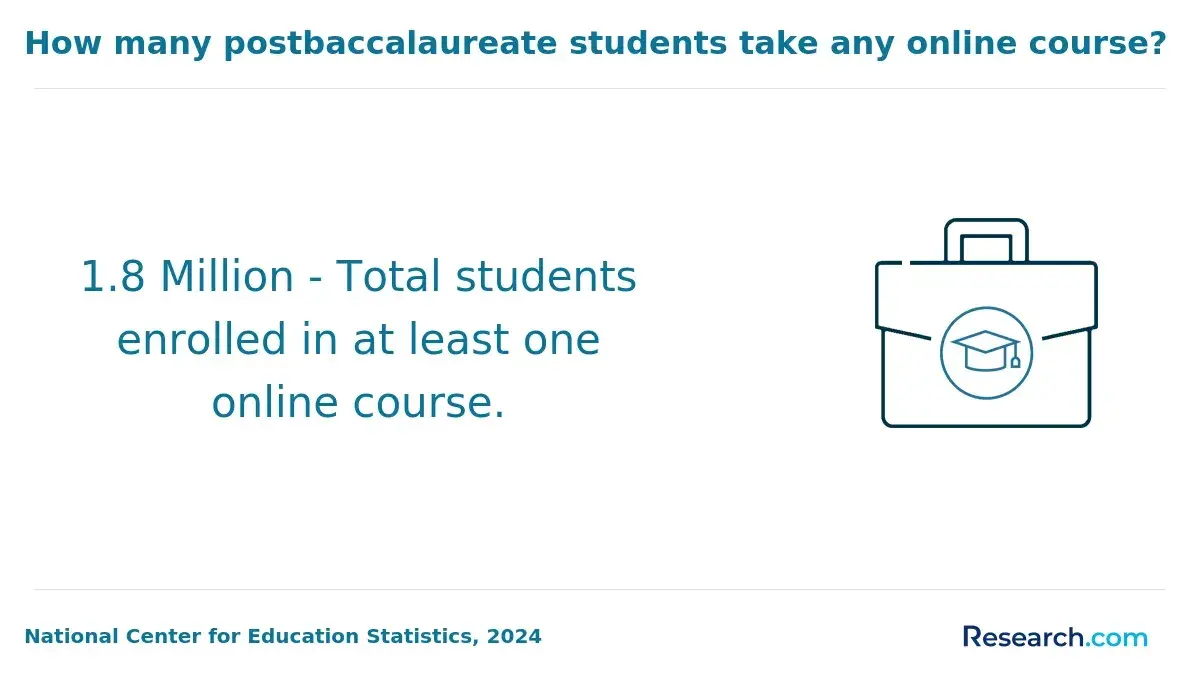
If speed matters, an online master may be worth comparing, but a short advertised timeline does not waive GPA rules, prerequisites, or capstone requirements. Ask how long the degree would take from your starting point.
What admission requirements apply beyond a 2.0 GPA?
Graduate programs usually require an accredited bachelor's degree and transcripts. Depending on the field, they may also request prerequisite courses, recommendations, a statement of purpose, a résumé, relevant experience, an interview, or test scores. A school's general graduate minimum may differ from the department's minimum; some programs also distinguish cumulative GPA from grades in recent courses or the major.
For a 2.0 GPA, explain any academic setback briefly and show evidence of readiness, such as stronger later grades or completed prerequisites. Before paying an application fee, ask admissions which GPA is evaluated, whether exceptions are published, who approves them, and whether your preparation meets the specific track's requirements. Silence about a minimum is not evidence that no minimum exists.
Are online or campus programs better for 2.0 GPA applicants?
Neither format improves your admission chances by itself. An online program may reduce commuting, but it can still require live classes, fixed deadlines, campus visits, or local fieldwork. Campus study may provide easier access to laboratories or in-person support while limiting where and when you can attend. Compare the actual schedule and support services alongside the same program-specific GPA rules.
Applicants balancing study with relocation or service-related schedules can use guides to online colleges for military spouses as a starting point, then verify the individual master's program. For nursing, social work, and teaching paths, confirm who arranges placements and where they may be completed.
How long do these majors take and what do they cost?
A master's degree may take about one to several years, depending on enrollment pace, prerequisite or foundation courses, course sequencing, and thesis, capstone, or fieldwork requirements. An applicant addressing a 2.0 GPA through additional graded study may need more time before entering the degree. Ask whether those courses count toward graduation; admission preparation and degree credit are not necessarily the same thing.
Compare the estimated cost to completion, not tuition alone. Include required credits, mandatory and program fees, materials, travel, and any placement-related expense, then subtract confirmed grants or employer assistance. Federal graduate loan eligibility is subject to current rules and individual circumstances; borrowing capacity is not a measure of affordability. Request a personalized cost and credit evaluation before committing.
What coursework do these majors typically include?
Coursework differs enough that choosing by major name alone is risky. Business may combine finance, strategy, and analytics; IT and computer science may require programming and technical projects; healthcare administration may emphasize operations and policy. Education programs can include instructional design or school-based work, while social work and nursing tracks can require supervised placements.
Read the catalog's required courses, prerequisites, electives, and final project or thesis rules. A common mistake is overlooking foundation courses that add time without satisfying degree requirements. If you hope to transfer previous graduate work, request a course-by-course decision showing how it applies to this degree—not merely how many credits the institution will accept.
What careers can you pursue with these majors?
Match the program to a realistic next role rather than assuming the degree creates one. Business and healthcare administration can support applications for organizational roles; IT and computer science can develop technical skills; education and criminal justice may support specialized or advancement goals. Employers may still expect experience, and licensed practice in nursing or social work has separate requirements.
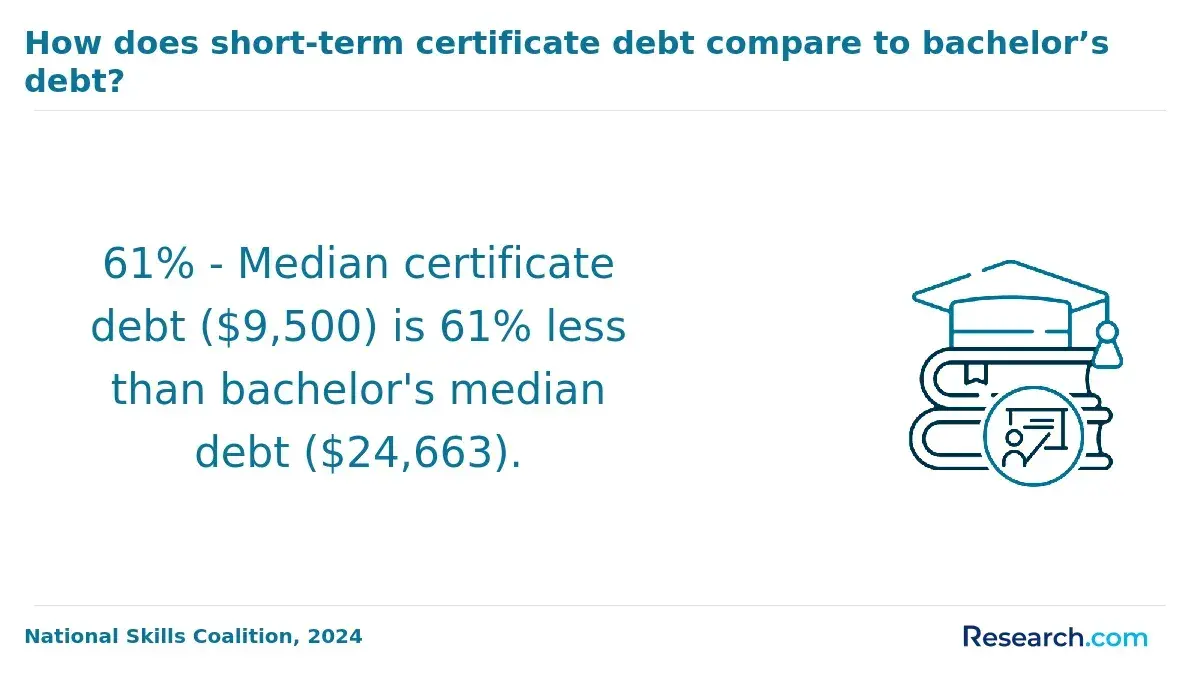
If you want a narrower skill or entry-level change, compare the time and cost of a master's with jobs that only require a certificate. A certificate is not interchangeable with a license or degree, but it may be a better first step when the occupation does not require graduate education.
What salaries and job outlooks do these majors offer?
Salary and outlook depend on the occupation, not the major's name or its GPA admission policy. For example, the Bureau of Labor Statistics reported a May 2024 median annual wage of $133,080 for software developers. That is an occupational median across workers, not an expected salary for a new computer science or IT graduate; relevant skills and experience still matter.
Use BLS occupation profiles to compare projected openings and typical entry requirements for the roles you actually want. Then weigh local job opportunities and expected borrowing against the full program cost. Be skeptical of any school that presents an occupational median as a guaranteed graduate outcome.
How can you verify accreditation, licensing, and program quality?
Start with the institution's current accreditation status and academic catalog. For regulated careers, check the relevant state licensing board and any programmatic accreditation or approval required for the credential you intend to pursue. Requirements can vary by state and program track; institutional accreditation alone does not establish licensure eligibility.
Before enrolling, obtain written answers on the applicable GPA policy, conditional-admission terms, prerequisites, placement locations, graduate-credit transfer rules, total required credits, and estimated fees. Compare those answers with the published catalog. Red flags include an unverified claim that a 2.0 GPA guarantees entry, unclear licensure eligibility, or a completion estimate that omits required preparatory coursework.
Other Things You Should Know About
Possibly, but not automatically. Eligibility depends on the specific program's published minimum, exception policy, and other requirements. Confirm them with the department before applying.
Not necessarily. Your undergraduate institution sets its transcript policy, and a graduate program may still review every attempt. Ask how it evaluates repeated and recent coursework.
It can strengthen an application when a program considers professional experience, but it does not override a firm minimum unless an applicable exception exists.
Ask the program to assess your record first. If it recommends additional courses, confirm which ones demonstrate readiness and whether they can later count toward the master's degree.
References
- DAPIP | Homepage - Office of Postsecondary Education (OPE) https://ope.ed.gov/dapip/
- Transfer Requirements - Undergraduate Admissions https://admissions.charlotte.edu/apply/transfer-students/transfer-requirements/
- Graduate Credit Transfer Policy - Campus Offices https://campus.collegeforcreativestudies.edu/policy/transfer-credits-graduate/
- Grade Point Average Requirements - Undergraduate Admission https://admission.gatech.edu/transfer/gpa-requirements
- Second Bachelor's - UF Online - University of Florida https://ufonline.ufl.edu/apply/admissions-requirements/second-bachelors/
- Episode 21: A Deep Dive Into GPA Calculation | Bucknell University https://www.bucknell.edu/episode-21-deep-dive-gpa-calculation
- How to choose an accredited online university that fits your goals | Inside Capella | Capella University Blog https://www.capella.edu/blog/inside-capella/how-to-choose-an-accredited-online-university-that-fits-your-goals/
- Grades and Grade Point Average (GPA) Calculation | University of Arizona Office of the Registrar https://registrar.arizona.edu/records-enrollment/enrollment/grades/grades-and-grade-point-average-gpa-calculation
- Program Specific Admission Requirements - University Catalog https://usuniversity.smartcatalogiq.com/en/current/general-catalog/admissions/admission-requirements/program-specific-admission-requirements/