2027 Best Doctorate Degrees for Students With Some College Credit

Co-Founder and Chief Data Scientist
If you have college credits but no bachelor's degree, a doctorate is a long-term goal—not the next application. Choosing a field now can still help you avoid coursework that will not advance that goal. The U.S. Bureau of Labor Statistics (BLS) projected 33% employment growth for information security analysts from 2023 to 2033, illustrating why some students are considering advanced technology study. But job demand does not make a doctorate necessary for every role.
This guide compares doctoral fields, explains the degrees you must earn first, and shows how to evaluate transfer credit, cost, and career fit.
Key Things You Should Know
- Start with the bachelor's degree: Incomplete undergraduate study alone normally does not qualify you for doctoral admission, and undergraduate credits generally do not count toward doctoral requirements.
- Match the credential to the goal: A PhD emphasizes original research; practice-focused options include the DBA, EdD, DNP, DrPH, and DSW. Some require a relevant master's degree or professional license.
- Check whether a doctorate adds value: BLS reported a $108,020 median annual wage for data scientists in 2023, but that occupational figure is not a doctoral-graduate salary, and data scientist roles do not generally require a doctorate.
Top 10 Best Doctorate Degrees for Students With Some College Credit - Top Doctorate Degrees
Business / DBA Programs
A Doctor of Business Administration (DBA) usually serves experienced professionals who want to investigate management problems through applied research. Business PhD programs instead place greater emphasis on producing original scholarship. For a student with unfinished undergraduate study, the first step is a bachelor's degree; DBA applicants may also need a master's degree and substantial management experience. Compare a DBA with an MBA or additional work experience before committing: the doctorate can develop research-based leadership skills, but it does not itself confer an executive position. Ask how any previous graduate coursework applies to the DBA curriculum.
Education / EdD Programs
A Doctor of Education (EdD) often focuses on improving educational practice through an applied dissertation or doctoral project. An education PhD generally suits students pursuing original research and scholarly careers. After completing a bachelor's degree, prospective students should check whether their intended EdD requires a master's degree or professional education experience. A teaching license is separate from doctoral admission and graduation. If your goal is classroom teaching or a pay increase, compare the EdD's total cost with a relevant master's degree and your district's actual compensation rules.
Educational Leadership Programs
Educational leadership doctorates may award an EdD or PhD, but their purposes differ: one may center on solving organizational problems, while another trains researchers to study education systems. Students interested in principal or superintendent roles must check state credential rules, which may require teaching experience, supervised preparation, examinations, or certification apart from the doctorate. If you have only undergraduate credits, plan first for a bachelor's degree and any required professional preparation. Ask whether the program's project can address your workplace and whether its schedule accommodates your employment.
Psychology Programs
Psychology PhD programs often emphasize research; a Doctor of Psychology (PsyD) commonly emphasizes clinical practice. Neither degree should be assumed to qualify a graduate automatically for independent practice. Prospective clinicians must examine state licensure rules, supervised hours, examinations, and program accreditation. Applicants usually need a completed bachelor's degree and relevant psychology preparation; research fit can be especially important for PhD admission. Students interested in counseling should also compare master's-level licensed professions before choosing a longer doctoral route.
Nursing / DNP Programs
The Doctor of Nursing Practice (DNP) focuses on advanced nursing practice and systems improvement; a nursing PhD centers on research. Neither is a direct next step from incomplete undergraduate study. DNP pathways require nursing preparation, and entry requirements vary by program and specialty. Some are designed for bachelor's-prepared registered nurses; others require a nursing master's degree. Check your current RN license, clinical placement requirements, specialty certification pathway, and state practice rules. A DNP may support a practice goal, but it does not replace a required license or certification.
Public Health Programs
A Doctor of Public Health (DrPH) generally prepares experienced professionals for public health leadership and applied work. A public health PhD is more research-oriented. DrPH applicants often need substantial professional preparation, and programs differ on whether a master's degree is required. Students with only some college credit should complete a bachelor's degree before considering either route. Compare a DrPH with a Master of Public Health (MPH): for many public health jobs, the MPH and relevant experience may be the more direct path.
Computer Science Programs
A computer science PhD is a research degree suited to goals such as developing new methods, systems, or computing knowledge. Applicants generally need a bachelor's degree and strong technical preparation; some programs admit bachelor's graduates directly, while others expect graduate study. Faculty and laboratory fit matter when research is central. If you are completing undergraduate credits, prioritize a bachelor's curriculum with mathematics, programming, and opportunities for research. For software development or many data roles, compare the doctorate with a bachelor's or master's degree plus experience.
Cybersecurity Programs
Cybersecurity doctorates include research-oriented PhDs and practice-focused degrees with different project requirements. A doctorate makes the most sense when the goal involves advanced research, teaching, or a specialized applied problem—not simply entering the security workforce. Students with unfinished college should first complete a relevant bachelor's degree and build technical experience. Examine a prospective program's research area, faculty expertise, and any graduate prerequisites. Many security occupations can be reached through a bachelor's degree, experience, and appropriate certifications, so compare those routes before paying for doctoral study.
Social Work / Human Services Programs
A Doctor of Social Work (DSW) typically emphasizes advanced practice, leadership, or applied scholarship; a social work PhD usually emphasizes research. DSW admission may require a Master of Social Work (MSW), licensure, or post-MSW experience. Neither path substitutes for the education and supervised practice required for a clinical social work license. Someone with only undergraduate credits should first map the bachelor's-to-MSW pathway. If the goal is clinical practice rather than research or advanced leadership, an MSW and licensure may be sufficient.
Public Administration / Public Policy Programs
A Doctor of Public Administration (DPA) commonly focuses on applied public-sector leadership; a public policy or public administration PhD emphasizes research and analysis. Requirements differ, but doctoral admission starts after a bachelor's degree and may call for a master's degree or relevant experience. Students still finishing undergraduate study can choose courses that develop writing, statistics, and policy analysis skills. Compare doctoral study with a Master of Public Administration (MPA) or public-service experience: many government management roles depend heavily on a record of work, not a doctorate alone.
What doctorate degrees can students with some college credit pursue?
Students with some college credit can work toward any of these doctoral fields but usually cannot enter a doctorate until they finish a bachelor's degree. "Best" depends on the work you want to do and the preparation you already have. The following comparison groups the options by their principal purpose; individual programs can combine research and practice:
| Goal | Degrees to investigate | Key preparation or decision |
| Produce original research | PhD in computer science, psychology, education, business, or another field | Build subject knowledge, research experience, and faculty fit; compare funding. |
| Improve professional practice | DBA, EdD, DrPH, DPA, or DSW | Check master's-degree and work-experience requirements; compare the applied project. |
| Pursue advanced clinical practice | DNP or an appropriately focused PsyD or PhD | Verify prior professional education, clinical training, accreditation, and state licensing rules. |
| Enter a field rather than research it | Bachelor's or master's degree may be the better first destination | Confirm the occupation's entry requirements before planning for a doctorate. |
Your immediate choice is a bachelor's program that accepts your existing credits and provides the prerequisites for your intended field. If you already hold a bachelor's or master's degree and have additional credits, ask whether those graduate-level credits could satisfy doctoral requirements; undergraduate credits normally cannot.
College credits can help you reach a doctorate, but undergraduate credits normally transfer into the bachelor's degree, not the doctorate. Eligible graduate or doctoral coursework may receive transfer credit or advanced standing when a specific doctoral program permits it. A master's degree does not automatically shorten doctoral study.
Before enrolling, request a written, program-level evaluation. Ask which courses meet degree requirements, what grades and course ages are acceptable, how much study must be completed at the doctoral institution, and whether prior credits affect tuition or time to completion. Institutional acceptance of a transcript is not the same as applying its courses to your doctorate. Research, candidacy, clinical work, and culminating projects may remain required even if coursework transfers. Be wary of claims that work or life experience automatically becomes doctoral credit.
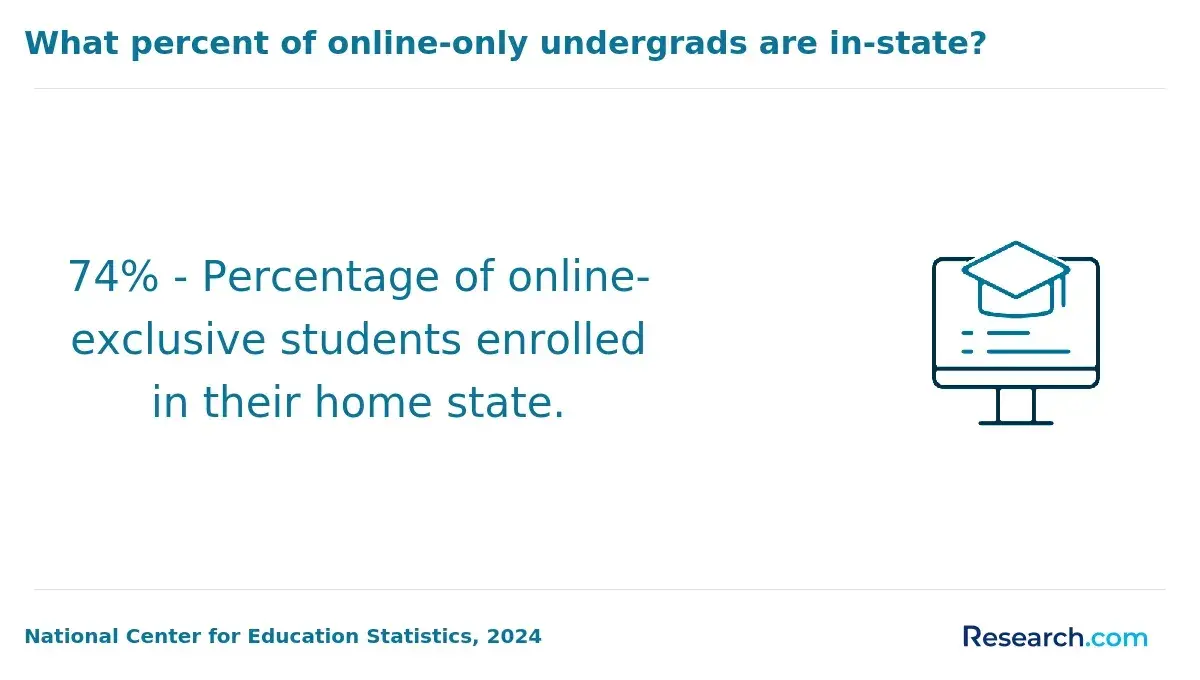
A completed bachelor's degree is the usual minimum for doctoral admission. Some research PhDs admit qualified bachelor's graduates directly; many professional doctorates require or prefer a related master's degree, professional experience, or a license. A student who has attended college but has not graduated should first identify the remaining bachelor's requirements.
Doctoral selection is program-specific. Depending on the field, an application may include prerequisite coursework, transcripts, references, a statement of purpose, a writing sample, an interview, research experience, or evidence of professional practice. A research PhD may assess whether an applicant's interests match available faculty advisers. GRE or GMAT policies and GPA standards vary: do not assume that a university's undergraduate admissions policy applies to its doctorates. Ask the program which requirements apply to your entry pathway before paying an application fee.
Online, hybrid, and campus-based doctoral study are available in different fields, but delivery mode does not determine whether every requirement can be completed remotely. Professional doctorates may offer online coursework alongside scheduled meetings, residencies, or local clinical and practice experiences. Laboratory-dependent PhDs generally require sustained access to research facilities; requirements vary by institution.
As you compare online colleges for the bachelor's degree you need first, separately verify the eventual doctoral program's format. Ask whether enrollment can be part-time and whether live classes, adviser meetings, campus visits, examinations, placements, or an in-person defense are required. "Online courses" and "fully online doctorate" are not interchangeable claims.
Doctoral coursework builds specialized knowledge and research skills; the culminating work demonstrates that you can use them. A PhD commonly includes research methods, advanced seminars, qualifying or comprehensive examinations, candidacy, original research, a dissertation, and a defense. A professional doctorate may instead culminate in an applied dissertation, evidence-based practice project, capstone, or another substantial scholarly requirement. Nursing and clinical psychology pathways may also include required supervised experiences.
Compare the actual curriculum, not just the credential's abbreviation. Ask what must happen after courses end: proposal approval, data collection, adviser review, clinical hours, and defense scheduling can all affect completion. A program advertising no traditional dissertation may still require extensive research and writing.
Completion time and total cost vary substantially by field, entry pathway, funding, and the time needed for research or clinical work. Finishing courses does not mean finishing a dissertation or doctoral project. An accepted graduate course might reduce remaining coursework, but it may not shorten research, placement, or defense requirements.
To compare costs, request an estimate for the entire expected enrollment period, including tuition, mandatory fees, technology or program fees, travel, required residencies, and research or clinical expenses. For a PhD, ask whether an assistantship or fellowship includes tuition remission, a stipend, and a defined period of support; never assume full funding. For a professional doctorate, check scholarships, employer assistance, and aid eligibility. Claims about 1 year PhD programs online no dissertation USA options deserve particular scrutiny: verify the awarded credential, entry qualifications, and official culminating requirements before relying on an advertised timeline.
A doctorate can support specialized practice or research, but occupational wages are not salaries promised to doctoral graduates. The BLS median annual wages below describe U.S. occupations in 2023. They provide career context, not evidence that earning a doctorate causes the stated pay.
| Occupation | 2023 median annual wage | How to interpret it |
| Data scientist | $108,020 | Many positions do not require doctoral education. |
| Information security analyst | $120,360 | Technical experience and employer requirements matter; a doctorate is not the standard entry route. |
| Psychologist | $92,740 | Requirements vary by role and state; independent clinical practice generally requires licensure. |
For a career decision, compare the doctorate's added opportunities with its tuition, funding, years of study, and earnings you may forgo. If income is the main goal, investigate high paying degrees and relevant work experience before assuming doctoral study offers a better return. Research appointments, promotions, and licensed roles may require qualifications beyond the degree.
Strong occupational growth can make a field attractive, but it does not prove that employers need more doctorate holders. BLS projected 36% growth in data scientist employment from 2023 to 2033. For a prospective computer science researcher, that indicates broad demand for data expertise; it does not show that a PhD is required for typical data scientist openings.
Demand also differs by specialty, region, employer, and experience level. Nursing practice, cybersecurity, and analytics can offer opportunities through several educational routes, while faculty and specialized research hiring follow different requirements.
If location flexibility matters, consider degrees for remote work alongside the actual duties of your target job; neither a doctorate nor a growing field guarantees remote employment. Check current postings for the positions you want and note which credentials employers actually request.
How can students verify doctoral program accreditation and licensing requirements?
Verify both the institution's accreditation and any profession-specific approval before enrolling. Accreditation helps establish the standing of the education you receive, but an accredited university does not make every doctoral program suitable for every license. Psychology, nursing, education, and social work requirements can depend on the state and intended occupation.
These checks turn a promising program description into a decision you can defend:
- Confirm the institution's current accreditation with its recognized accreditor, and ask whether the specific program holds accreditation required for your goal.
- For a licensed occupation, ask the relevant state board whether the program's curriculum and supervised experiences meet its education rules; check examination and post-degree requirements separately.
- Request official doctoral admission, transfer-credit, curriculum, delivery, and total-cost policies in writing, especially if a claim concerns your previous credits.
- For a PhD, discuss research fit, supervision, funding terms, and expected work after coursework with the department or potential adviser.
A common mistake is choosing the cheapest or most flexible-looking option before checking whether it qualifies you for the intended career. Start with that career's requirements, then compare programs that actually meet them.
Other Things You Should Know About
Normally, no. Finish an accredited bachelor's degree first. Some doctoral programs then admit bachelor's graduates directly; others require a master's degree or professional preparation.
Usually not directly. They may shorten the bachelor's degree you need before applying. Ask the bachelor's institution which credits transfer, then ask prospective doctoral programs separately about eligible graduate-level credit.
Choose by the target occupation's entry requirements. If a bachelor's degree, master's degree, license, or experience is enough, pursue that route first; consider a doctorate when its research, advanced-practice, or specialization requirements match your goal.
Possibly, depending on the program. Verify part-time enrollment, live-session schedules, campus visits, clinical or research requirements, and the time expected for the dissertation or project before committing.
- DAPIP | Homepage - Office of Postsecondary Education (OPE) https://ope.ed.gov/dapip/
- Understanding U.S. Accreditation | EducationUSA https://educationusa.state.gov/understanding-us-accreditation
- Rule 3359-60-06.4 | Doctoral degree requirements. https://codes.ohio.gov/ohio-administrative-code/rule-3359-60-06.4
- PhD Student Funding FAQs | Northwestern University https://www.tgs.northwestern.edu/funding/about-graduate-funding/funding-faqs.html
- PhD funding | English | University of Illinois Chicago https://engl.uic.edu/phd-funding/
- 4.6.1 - Transfer Credit for Doctoral Programs https://graduatecollegebulletin.ouhsc.edu/hbSections.aspx
- Ph.D. Program Admissions | rutgers.edu https://smlr.rutgers.edu/academic-programs/phd-program/admissions
- Types of Degrees | isac.org https://www.isac.org/counselors/processes/finding-applying/types-of-degrees.html