2027 Is an Online BS in Business Administration the Right Next Step for Production Team Leaders?
Audited and Verified:
Our Editorial and Data Verification Process
Research.com uses government datasets, official education statistics and primary institutional information to support its career and degree guides. Our review process checks factual accuracy, occupational definitions, source dates and the requirements associated with the credentials discussed.
How This Article Was Fact-Checked
Our editorial team verifies salary estimates, employment projections, education requirements and program information against original data providers and official organizations. Salary figures are checked against the relevant occupational definitions and reporting periods. Information about licensure, accreditation and required in-person training is reviewed separately.
Fact-checked and verified on:

Co-Founder and Chief Data Scientist
Production team leaders already coordinate people, schedules, quality, and output. Moving into broader operations responsibility may require something different: stronger budgeting, analytics, supply chain knowledge, or a bachelor's degree for a particular opening. An online BS in Business Administration can help, but it also demands time outside demanding shifts. This guide shows production leaders how to judge the degree against their target role, compare online programs with other paths, and check the costs and scheduling requirements before enrolling.
Key Things You Should Know
- An online business administration BS is most useful when a target operations role requires a bachelor's degree or broader business skills; it does not replace production experience.
- Check live classes, group work, exams, and course availability against rotating shifts. "Online" does not necessarily mean self-paced.
- Compare the remaining degree cost with the specific promotion or career move you want. The BLS median of $105,770 for general and operations managers reflects an occupation, not an expected salary after graduation.
What Is an Online BS in Business Administration for Production Team Leaders?
An online BS in Business Administration is an undergraduate degree covering how organizations manage money, people, operations, and decisions. It is usually a general business degree rather than a production-specific qualification. A leader who already manages shift handoffs or tracks defects can use the coursework to understand the financial and organizational decisions behind those activities.
The degree makes the strongest case when the next job calls for both shop-floor credibility and broader business responsibility. It may be less direct than a specialized supply chain or engineering program if the goal is a narrowly technical role. Compare the curriculum - not just the degree title - and look for business administration education for employed professionals that can accommodate the way your plant actually schedules work.
Can an Online Business Administration Degree Advance a Production Leadership Career?
Yes, if it closes a documented gap between your current responsibilities and a target opening. A team leader may already train operators and respond to downtime but have limited exposure to budgets, purchasing decisions, cross-site planning, or formal process analysis. Business coursework can build that knowledge; advancement still depends on results, openings, and the employer's hiring standards.
Start with recent postings at your employer. Separate degree requirements from skills you can demonstrate now, then ask a manager which responsibilities would make you a credible candidate. An approved project - such as analyzing scrap categories or mapping an order-to-production handoff - can provide evidence of judgment without claiming unverified savings. If your target is specifically materials planning or logistics, compare a general BS with accelerated degree planning for supply chain undergraduates; subject depth may matter more than a broad management curriculum.
How Does an Online BS in Business Administration Compare With Campus Programs?
Online study removes a routine commute, but its real advantage depends on attendance and assessment rules. The comparison below focuses on obligations that can disrupt production shifts rather than assuming either format is easier.
| Decision factor | Online program | Campus program |
| Attendance | May be asynchronous or require live sessions | Usually requires travel at scheduled class times |
| Team assignments | May require video meetings outside class hours | May require meetings before or after class |
| Exams and presentations | May have timed windows, proctoring, or live delivery | Often scheduled in person |
| Access to support | Depends on remote advising, tutoring, and faculty availability | Depends on campus hours and travel feasibility |
Before committing, request sample course schedules and ask about weekend deadlines, required visits, group projects, proctoring, and what happens when a shift changes midterm. Some business degrees through accelerated online learning shorten the calendar, but compressed courses can increase the weekly workload - an important distinction during overtime or peak production.
Expect a mix of general education and business core courses, commonly including accounting, finance, economics, management, marketing, statistics, and business law. For production leaders, the most relevant offerings may be operations management, supply chain, managerial accounting, analytics, and organizational behavior. Availability and depth vary by school; a course in operations is not the same as a formal operations concentration.
Read course descriptions and assignment requirements for practical fit. Can you learn to interpret cost and output measures, assess a process change, and present a recommendation? Check the prerequisites for a business administration degree before planning advanced courses, especially if it has been years since you studied algebra, statistics, or accounting. If an assignment could use workplace information, obtain employer and faculty approval first; production records may be confidential.
Requirements depend on the institution and whether you apply as a first-year or transfer student. Schools commonly request a high school credential or prior college transcripts; some business majors have separate entry standards or require foundational quantitative courses. Professional supervisory experience can strengthen your application, but it does not automatically satisfy admission requirements or award academic credit.
Ask admissions for the current requirements, then request a written evaluation of prior coursework and a degree audit showing where accepted credits apply. If application expense is a concern, free application options at accredited online schools can help you identify possibilities, but confirm each school's current fee policy and institutional accreditation directly. Admission, transfer-credit acceptance, and completion of the business major are separate decisions.
A bachelor's degree commonly represents about four years of full-time undergraduate study, but a working team leader's remaining time depends on applicable transfer credits, course load, prerequisites, and when required classes run. Part-time enrollment can protect work and family time while extending the calendar; an accelerated course changes the pace, not necessarily the amount of work.
Get a term-by-term plan based on an official degree audit. Check whether accounting or statistics must precede upper-level courses and whether the final capstone is offered when you need it. If you are comparing a move into HR instead of operations, apply prior credits to an HR bachelor's degree as a separate planning exercise: credits accepted by two schools may satisfy different requirements, so advertised completion times may not be comparable.
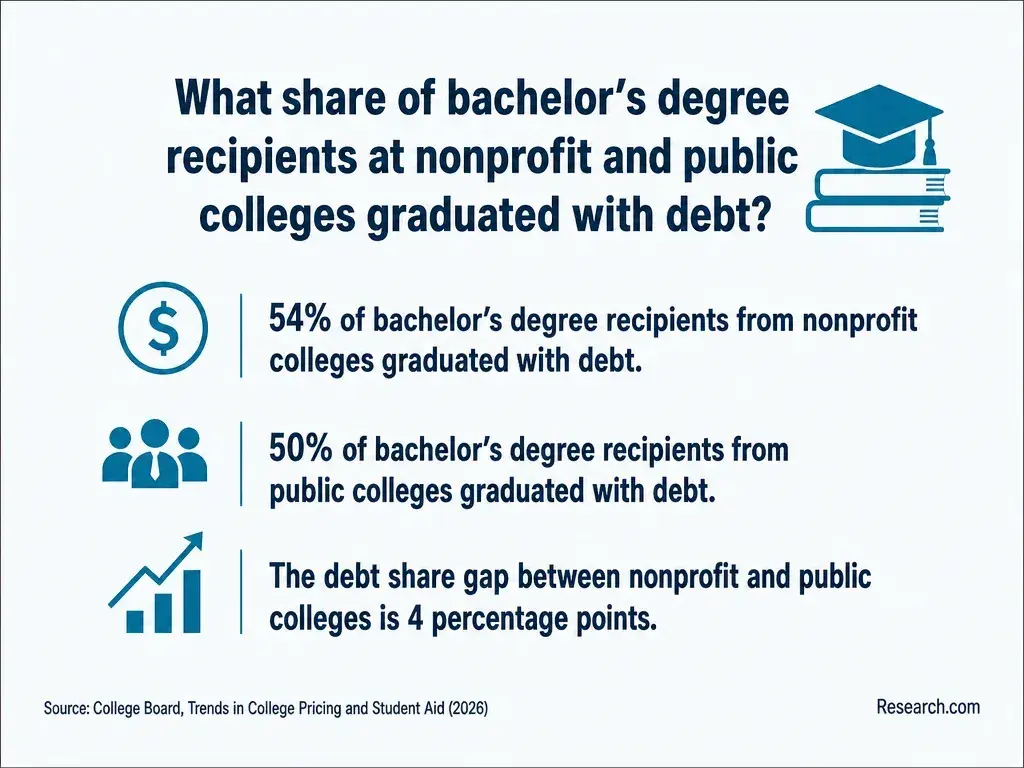
The useful figure is your cost to finish, not an advertised per-credit price. Ask each school for the tuition and mandatory fees on your remaining degree plan, including software, books, exam proctoring, and any travel. A transferred course saves money only if it fulfills a requirement you would otherwise need to complete. Factor in extra terms if rotating shifts limit your course load.
Compare that estimate with employer tuition assistance, grants, scholarships, and borrowing. Ask when employer reimbursement arrives, which grades qualify, and whether leaving the company triggers repayment. If you are weighing a project-management degree as an alternative, undergraduate project management grants and scholarship planning offers a separate aid comparison; do not assume aid or employer benefits will be identical across programs.
The most plausible moves build on existing production knowledge. These role distinctions help you identify whether a business degree addresses the work you want to do or whether you first need experience in another function.
| Potential direction | Work to demonstrate | Likely gap to check |
| Production or operations manager | Staff coordination, quality, output, and cross-shift decisions | Budget ownership and broader operational accountability |
| Materials or supply chain coordinator | Inventory, scheduling, and supplier handoffs | Planning systems and procurement experience |
| Project coordinator | Milestones, stakeholders, and implementation tracking | Formal scheduling and project documentation |
| Training or HR support | Onboarding and workforce communication | Employment practices and HR-specific processes |
Titles vary substantially among employers. The BLS projects 18% employment growth for logisticians from 2025 to 2035, but that occupation involves specialized supply chain work; growth does not mean a production leader qualifies simply by earning a general business degree. For a deliberate move toward people operations, review human resources degree planning basics alongside actual HR job requirements.
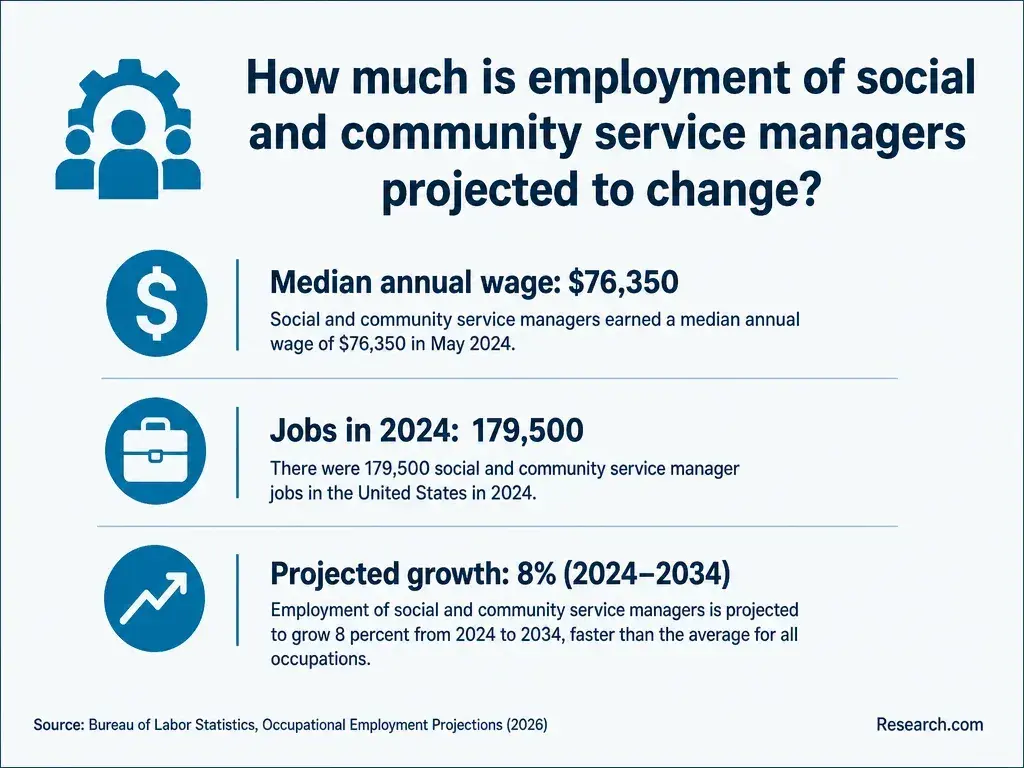
There is no reliable single salary for production team leaders who complete a business degree. Pay depends on the job attained, industry, location, shift arrangements, and scope of responsibility. For context, the BLS reports a May 2025 median annual wage of $105,770 for general and operations managers. That is the occupation-wide midpoint, not a starting offer, a production-supervisor wage, or a return attributable to the degree.
For a sound financial comparison, use pay ranges from openings you could realistically pursue and compare them with your current total compensation, including overtime or shift premiums you might lose. Then compare the possible difference with your remaining education cost and borrowing. Guidance on business administration tuition budgets using federal student aid can help frame the cost side; a manager's national median should not be used as the income side of your personal calculation.
Does a Production Team Leader Need Certification or a Professional License?
A general production team leader role does not ordinarily require a business-administration professional license. An employer may, however, require job-specific safety training or prefer credentials related to quality, lean practices, supply chain, or project management. Verify the requirements of the exact role and credential provider; an undergraduate course does not automatically confer certification or satisfy an exam's experience rules.
If your employer needs a specific process-improvement skill now, targeted training plus a supervised workplace assignment may be faster and less costly than a full degree. If advancement calls for broader people-management preparation and a bachelor's credential, explore shorter organizational leadership bachelor's programs as another degree - not as a substitute for a required safety credential or for experience managing a larger operation.
Other Things You Should Know About Business Administration
That depends on the institution's diploma and transcript policies. Ask the registrar for samples or written policy before enrolling if the distinction matters to you.
Only with appropriate employer permission and within the school's rules. If access is restricted, ask your instructor whether public, simulated, or properly de-identified data can meet the assignment's objectives.
Contact the instructor and adviser promptly. Ask about attendance flexibility, deadlines, withdrawal dates, and leave options; do not assume a schedule change automatically excuses missed work.
Not by itself. Industrial engineering jobs typically call for engineering-specific education and technical skills. Compare actual job postings and engineering program requirements before choosing a general business degree for that goal.
- Cost of Attendance (Budget) | 2025-2026 Federal Student Aid Handbook https://fsapartners.ed.gov/knowledge-center/fsa-handbook/2025-2026/vol3/ch2-cost-attendance-budget
- Manage your business - Small Business Administration https://www.sba.gov/counseling/manage-your-business/
- Military Training Evaluation Program (MTEP) | dantes.mil https://www.dantes.mil/credit4training/
- Excelsior Scholarship Program - HESC - NY. Gov https://hesc.ny.gov/find-aid/nys-grants-scholarships/excelsior-scholarship-program
- Accreditation in the U.S. | ed.gov http://www.ed.gov/laws-and-policy/higher-education-laws-and-policy/college-accreditation/accreditation-in-the-us
- How Long Does It Take to Finish an Online Degree? | NMSU Global Campus https://global.nmsu.edu/blog/general/how-long-does-it-take-to-finish-an-online-degree/
- Business Administration vs Business Management Explained | American College of Education https://ace.edu/blog/business-administration-vs-business-management/
- What Is an Accredited University? Understanding Accreditation | National University https://www.nu.edu/blog/what-is-an-accredited-university/
- How many hours a week do online courses require? | Penn State World Campus https://www.worldcampus.psu.edu/about-us/news-and-features/how-many-hours-a-week-do-online-courses-require
- How Do Transfer Credits Work When You Go Back to School? | Whitworth Online https://online.whitworth.edu/news-articles/how-do-transfer-credits-work-when-you-go-back-to-school/