2027 Best Doctoral Programs With Competency-Based Programs

Co-Founder and Chief Data Scientist
A competency-based doctorate sounds appealing if you already use advanced skills at work - but doctoral research, clinical requirements, and tuition may not move at your preferred pace. The National Center for Science and Engineering Statistics counted 57,862 U.S. research doctorates awarded in 2023, a measure that excludes many professional doctorates. That distinction matters when comparing programs: a practice-focused DBA or DNP is not interchangeable with a research PhD.
This guide identifies doctoral-level competency-based options, explains where availability is limited, and shows you what to verify before committing.
Key Things You Should Know
- Start with doctoral-level evidence: a university's competency-based bachelor's or master's programs do not establish that its doctorates use the same format.
- Capella University's FlexPath DBA and DNP are options to investigate; verify the current track, specialization, clinical or project requirements, and pricing directly before applying.
- Competency-based pacing does not necessarily control the entire degree. Faculty approvals, research, clinical hours, and a final project can set the completion timeline.
Top 10 Best Doctoral Programs With Competency-Based Programs - Top 10 Programs
Business / DBA Programs
Experienced managers seeking an applied business doctorate rather than a research-centered PhD. Capella University's Doctor of Business Administration is a FlexPath option to investigate. Confirm that your intended specialization and entry term offer FlexPath, then examine its assessments and culminating research requirement. A DBA may support consulting, teaching, or leadership development, but an MBA plus experience may be more efficient if you mainly want a management promotion. Do not assume demonstrated workplace experience waives doctoral research.
Education / EdD Programs
An EdD often emphasizes improvement in educational practice through applied research or a doctoral project; a PhD in education generally places more emphasis on original research. Competency-based EdD availability must be established for the specific doctorate and track, not inferred from a school's competency-based teaching degrees. Ask whether assessments replace scheduled courses throughout the degree and whether proposal approval, data collection, and the final defense follow separate timelines. Teachers seeking a pay increase should first check their district's salary schedule.
Educational Leadership Programs
Educational leadership may be an EdD specialization rather than a separate credential. It can suit working administrators whose workplace provides a setting for an approved improvement project. Compare the program's project topic rules with your employer's permissions and data-access policies. A doctorate does not itself award principal or superintendent certification: state-approved preparation, experience, and examinations may still apply. Treat a leadership track as competency-based only when the university explicitly identifies that doctoral track and explains its assessments.
Psychology Programs
Psychology is a particularly important place to challenge the premise. Online coursework or competency-mapped learning outcomes do not, by themselves, make a PsyD or psychology PhD self-paced. Clinical training, supervised hours, research, and accreditation requirements can impose fixed sequences. If licensure is your goal, confirm that the specific program satisfies the relevant state board's educational rules and check its programmatic accreditation. A doctorate focused on organizational psychology should not be mistaken for a clinical-licensure pathway.
Nursing / DNP Programs
Licensed nurses seeking advanced practice, clinical leadership, or systems improvement. Capella University's Doctor of Nursing Practice is a FlexPath option to investigate. Verify its entry pathway, specialization, required practice hours, placement rules, and final scholarly project. Existing RN licensure and prior nursing education matter; a flexible assessment schedule cannot replace required clinical experiences. If you want to produce nursing research as a primary career, compare a nursing PhD rather than assuming the DNP serves the same purpose.
Public Health Programs
A Doctor of Public Health (DrPH) commonly targets experienced public health practitioners and leaders, while a public health PhD typically emphasizes original research. Before calling either option competency-based, look for a published doctoral assessment and pacing policy. Applied projects may depend on an agency partner, data permissions, and faculty review even when coursework is online. An MPH or specialized certification may be a less costly route if the position you want does not require doctoral preparation.
Computer Science Programs
A computer science PhD is generally organized around faculty-supervised original research, not simply the demonstration of existing technical skills. Competency-based master's offerings therefore provide no evidence of a competency-based computer science doctorate. Check adviser fit, research-group access, qualifying examinations, dissertation expectations, and funding before applying. If your goal is a software or AI industry role rather than research, compare the doctorate's time and foregone earnings with a relevant master's degree or industry experience.
Cybersecurity Programs
Cybersecurity doctorates can have very different aims: a research PhD may focus on new security methods, while a professional doctorate may center on organizational practice. Neither is competency-based merely because assignments use workplace problems. Ask for the doctoral catalog's pacing rules, culminating requirement, and any lab or residency obligations. For many security leadership roles, experience and recognized professional certifications may matter more than a doctorate; assess the credential against actual job requirements.
Social Work / Human Services Programs
A Doctor of Social Work (DSW) is usually practice-oriented; a social work PhD is more often research-oriented. Human services doctorates may serve broader administrative roles. Verify competency-based delivery for the exact doctoral program rather than relying on descriptions of undergraduate social work education. If you intend to provide clinical social work services, investigate your state's licensing requirements separately: a doctorate does not replace required supervised practice or examinations. Also check whether an applied project needs access to clients or agency data.
Public Administration / Public Policy Programs
A Doctor of Public Administration (DPA) may emphasize executive practice and organizational improvement; a public policy PhD usually prioritizes research methods and original scholarship. Published doctoral-level competency-based options should be verified rather than presumed from an online MPA. Government data access, employer approval, and project review may constrain even flexible study. If your objective is advancement in an agency, compare the doctorate with an MPA plus relevant supervisory experience before accepting its cost and time commitment.
What Are Competency-Based Doctoral Programs?
Competency-based doctoral education organizes at least some progress around demonstrated mastery of specified skills or learning outcomes rather than only time spent in class. Assessments might include analyses, professional artifacts, or evidence-based proposals. Explore how competency based programs work generally, but verify which of those features apply to the doctorate you want.
The label has limits. Every doctorate has learning outcomes; that alone does not make it a learner-paced competency-based program. Nor does competency-based mean credit for experience without assessment, admission without prerequisites, or freedom from a dissertation or doctoral project. The useful question is which requirements you can advance through by demonstrating mastery and which remain tied to scheduled supervision or approvals.
The clearest starting points for a doctoral-level comparison are Capella University's FlexPath Doctor of Business Administration and FlexPath Doctor of Nursing Practice. They serve different purposes: the DBA is an applied business doctorate, while the DNP builds on nursing preparation and practice. Neither should be treated as a universal best choice. Confirm current track availability, admission eligibility, assessment rules, final requirements, and costs in Capella's doctoral materials.
Institutional accreditation applies to the university, but it does not establish that every doctoral specialty meets a profession's requirements. A directory of accredited schools online can help start a search; confirm the institution's current recognized accreditation and, where relevant, programmatic approval and state licensure eligibility independently. Schools known for competency-based undergraduate degrees should not be added to a doctoral shortlist unless they actually offer the qualifying doctorate.
In a competency-based online track, you typically review defined outcomes, submit work for evaluation, receive feedback, and revise until the assessment meets the required standard. The university still determines enrollment rules, academic progress, faculty oversight, and the degree's final requirements. "Online" describes delivery; it does not prove that all meetings are optional or all deadlines are learner-controlled.
Before enrolling, request a requirement-by-requirement explanation of what is flexible. A doctoral project may need an approved proposal, a workplace site, data permissions, faculty evaluation, and a presentation or defense. DNP students may also need locally completed practice experiences. Those dependencies can extend beyond the pace of individual coursework.
Professional doctorates such as the DBA and DNP are the most useful starting points for this comparison because their applied assessments may connect to existing professional practice. Other degree types are worth considering only after you confirm that the doctoral track itself uses a competency-based format. The distinctions below help you avoid choosing a credential that does not match your goal.
| Doctoral path | Primary purpose | Key constraint to investigate |
| DBA | Applied business scholarship and practice | Research or final project requirements |
| DNP | Advanced nursing practice and systems improvement | Licensure, practice hours, and project requirements |
| EdD, DrPH, DPA, or DSW | Field-specific professional leadership or practice | Whether a competency-based doctoral track actually exists |
| PhD | Original research | Adviser fit, candidacy, dissertation, and funding |
A research PhD should not be substituted for a professional doctorate - or described as competency-based - without program-specific evidence. Its research milestones may make learner-controlled pacing especially limited.
If you have not completed a bachelor's degree, exploring easy bachelor degrees online is an earlier educational step, not a direct route into doctoral admission. A master's degree may also be required. Even when prior graduate credits are accepted by a university, ask whether they satisfy requirements in your intended doctorate; professional experience does not automatically earn doctoral credit.
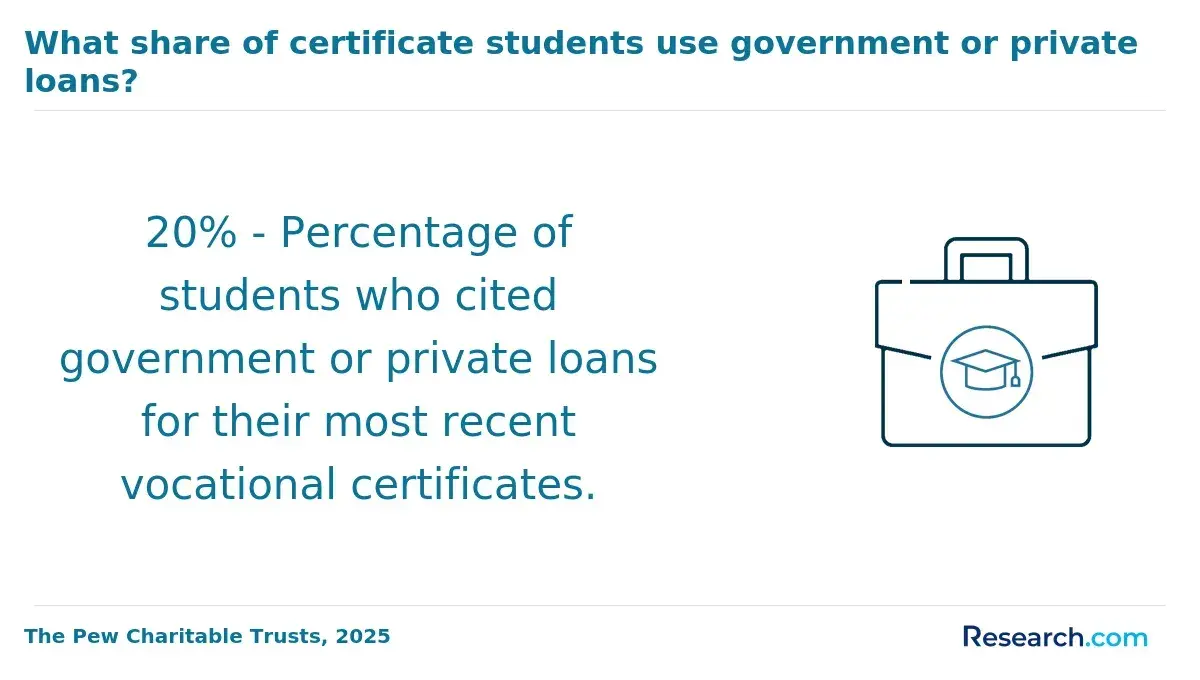
There is no reliable single price or completion time for competency-based doctorates. Some tracks charge by enrollment period, which can reward steady progress but become expensive if a project, clinical placement, or approval takes longer than expected. Others may use different tuition structures. Compare the school's current doctoral-level schedule rather than extrapolating from its bachelor's or master's pricing.
For a useful estimate, ask the program to itemize these costs and identify which remain payable while you work on the culminating requirement:
- Tuition for the expected enrollment periods, plus mandatory and program-specific fees.
- Required residencies, travel, clinical placement, and project or research expenses.
- Additional enrollment periods if assessments, approvals, or the final project take longer.
- Available employer assistance, scholarships, or assistantships and their eligibility conditions.
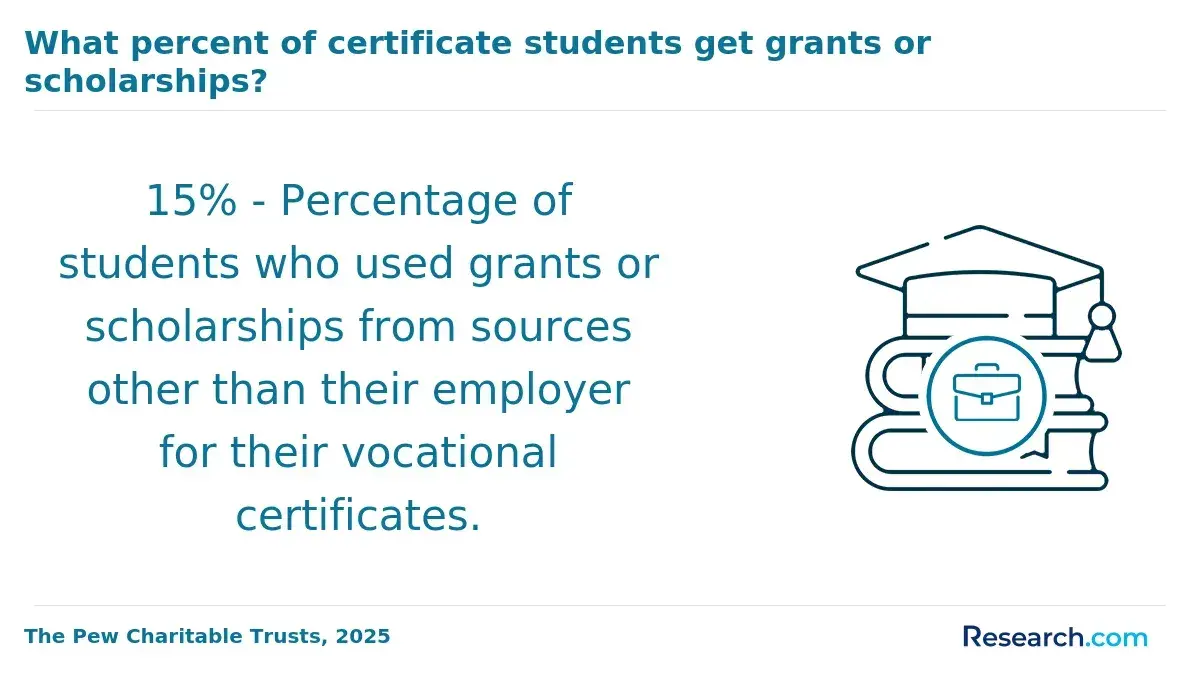
Compare that estimate with cheap doctoral programs, but do not equate the lowest published rate with the lowest total cost. A funded research PhD may have a very different financial structure from a student-funded professional doctorate. Request a written degree plan showing what completion assumptions - and any eligible graduate transfer credit - underlie a projected finish date.
Expect advanced subject coursework and assessments that ask you to apply, analyze, and justify decisions - not simply pass recall-based tests. A DBA might evaluate organizational analysis and research design; a DNP might assess evidence-based practice and healthcare improvement. The exact curriculum and assessment formats belong to the specific program and track.
The culminating work deserves separate scrutiny. Ask whether the degree requires a dissertation, applied research project, DNP scholarly project, portfolio, presentation, or defense. Then ask who approves the topic, how often faculty review work, whether human-subjects approval is needed, and what happens if a workplace project loses its site or data access. Mastering coursework does not automatically complete those requirements.
A competency-based format changes how some learning is assessed; it does not create a separate occupational salary tier. Graduates may pursue field-appropriate practice, research, teaching, consulting, or leadership roles, subject to their experience and credentials. For context, the Bureau of Labor Statistics reports a $101,190 median annual wage for management analysts in 2024. That is an occupational median - not a DBA graduate salary - and management analyst roles typically do not require a doctorate.
Use the doctorate's incremental value as the test. A DNP may align with a defined advanced nursing goal, but licensure and employer requirements still govern practice. A PhD may prepare someone for research, but publications, research fit, and hiring conditions affect academic prospects. If the target job is accessible with a master's degree, certification, or experience, compare those alternatives against doctoral cost and time away from work.
How Can You Choose a Reputable Competency-Based Doctoral Program?
The best program is the one whose verified format and credential fit your goal. A practical comparison should cover institutional accreditation; any necessary programmatic accreditation or licensure alignment; doctoral-level competency-based policies; faculty and project support; total cost; and realistic time to completion. Give particular weight to requirements that could stop progress despite strong assessment performance.
Before you apply, put the same questions to each prospective school so the answers are comparable:
- Which requirements use competency-based assessment, and which follow a fixed calendar or require live attendance?
- What prior degree, license, professional experience, or graduate credit is required, and what credit will actually apply to this doctorate?
- What are the final project, research, clinical, residency, and defense requirements?
- What will I pay if completion takes additional enrollment periods, and what funding is available to me?
- Does this exact program meet any accreditation or state eligibility rules for my intended occupation?
Be wary of claims that "self-paced" means an unrestricted completion date, that every online doctorate has no in-person obligations, or that a doctorate guarantees promotion. Get answers from current doctoral catalogs and program staff before paying an enrollment deposit.
Other Things You Should Know About
Not necessarily. Individual assessments may allow flexible progress, while projects, clinical work, faculty approvals, and defenses follow separate schedules.
Experience may help you complete relevant assessments, but it does not automatically award doctoral credit or waive degree requirements. Check the program's written policy.
Accreditation belongs to the institution and, where applicable, the specific professional program - not to the pacing model. Verify both institutional status and any accreditation required for your career goal.
Competency-based doctoral programs in 2027 typically require reliable internet access, a modern computer with video capabilities, and specific software for virtual classrooms. Programs may also use online platforms like Moodle or Canvas for coursework and assessments, ensuring seamless learning and communication.
- Accreditation in the U.S. | ed.gov http://www.ed.gov/laws-and-policy/higher-education-laws-and-policy/college-accreditation/accreditation-in-the-us
- Recognition of Accrediting Agencies | Texas Higher Education Coordinating Board https://www.highered.texas.gov/recognition-of-accrediting-agencies/
- Cost of Attendance (Budget) | 2025-2026 Federal Student Aid Handbook https://fsapartners.ed.gov/knowledge-center/fsa-handbook/2025-2026/vol3/ch2-cost-attendance-budget
- Building a Foundation for a Successful Doctoral Student Journey | nih.gov https://pmc.ncbi.nlm.nih.gov/articles/PMC9686258/
- Regional vs. National Accreditation: Which is Better? | Drexel University Online https://www.online.drexel.edu/news/national-vs-regional-accreditation.aspx
- Pros and Cons of Competency-Based Learning | ACE Blog https://ace.edu/blog/competency-based-learning-pros-and-cons/
- What Is an Accredited University? Understanding Accreditation | National University https://www.nu.edu/blog/what-is-an-accredited-university/