2027 Best Doctorate Programs Without a Dissertation for Transfer Students

Co-Founder and Chief Data Scientist
If you have graduate credits already, the right doctorate could let you apply some of that work toward a new degree - but "no dissertation" and "transfer-friendly" are separate claims. This guide compares practice-focused doctoral fields, explains what replaces a dissertation, and shows how to check whether credits will count toward your chosen program.
The stakes are substantial: the U.S. Bureau of Labor Statistics reports a May 2024 median wage of $129,210 for nurse practitioners, one potential DNP-related occupation. That figure is not a DNP graduate salary; it makes career fit and total program cost worth examining before you enroll.
Key Things You Should Know
- Look first at practice-focused doctorates with a clearly documented project or capstone - particularly DNP programs - rather than assuming a PhD can be completed without a dissertation.
- Ask for a written, program-level evaluation showing exactly which graduate courses satisfy degree requirements; admission with transfer credit does not mean every accepted credit reduces your remaining coursework.
- A dissertation-free doctorate can still require applied research, clinical hours, a residency, or a project defense. Confirm those requirements before comparing completion times.
Top 10 Best Doctorate Programs Without a Dissertation for Transfer Students - Top Programs
Business / DBA Programs
A Doctor of Business Administration (DBA) can suit experienced managers who want to investigate an organizational problem while working. Some DBAs use an applied doctoral project; others require a dissertation. A master's in business may help with admission without automatically earning advanced standing. Compare the official curriculum and graduate transfer policy, then ask whether prior methods courses replace required DBA courses. For many management goals, an MBA plus experience may offer a less costly route.
Education / EdD Programs
A Doctor of Education (EdD) often prepares educators to improve practice in schools, colleges, or training organizations. Some programs culminate in a capstone or practice-based project, while many still require a dissertation, sometimes called a dissertation in practice. Teachers and administrators with relevant graduate study should request a course-by-course evaluation. Check whether the program's final project is genuinely distinct from a dissertation and whether state credential rules affect the job you want.
Educational Leadership Programs
Educational leadership doctorates may emphasize district improvement, higher education administration, or organizational change. An EdD with a documented capstone can fit an experienced administrator, but the field label alone does not establish a no-dissertation pathway. Compare required leadership internships, project approval, and campus meetings as well as transferable graduate courses. If your goal is principal or superintendent licensure, verify state requirements separately; earning a doctorate does not automatically confer a license.
Psychology Programs
Treat "psychology doctorate without a dissertation" claims cautiously. Psychology PhDs generally require original research, and PsyD programs vary: some require dissertations, while others specify a different doctoral project. A program's use of the word project is not enough to establish that it is dissertation-free. Prospective clinicians must also check programmatic accreditation, supervised training, internship requirements, and state licensure rules. Prior graduate psychology courses may not replace clinical training or required doctoral research.
Nursing / DNP Programs
A Doctor of Nursing Practice (DNP) is often the clearest practice-focused option because its culminating requirement is generally a scholarly, evidence-based practice project rather than a traditional dissertation. Entry pathways differ for bachelor's-prepared and master's-prepared nurses. Transfer students should verify how previous graduate nursing courses apply and how the school calculates required practice hours. Admission, advanced-practice preparation, certification eligibility, and state licensure each have separate requirements; a DNP alone does not establish eligibility for every nursing role.
Public Health Programs
A Doctor of Public Health (DrPH) may focus on public health leadership and applied work, but culminating requirements vary by institution. Some include a practicum and applied project; others require dissertation-like research. Applicants with a Master of Public Health should ask which courses count toward the DrPH rather than assuming the degree grants automatic advanced standing. Compare required fieldwork and whether the program prepares you for your intended leadership role, which may also demand substantial experience.
Computer Science Programs
Most computer science PhDs require a dissertation, so they are generally a poor match for a strict no-dissertation search. A practice-oriented doctorate in technology or computing may instead specify a capstone or applied project, but its exact credential and requirements matter more than its subject label. Transfer applicants should check whether earlier graduate computing courses meet current technical prerequisites. If industry advancement is the goal, compare the doctorate with a master's, specialist certification, and additional project experience.
Cybersecurity Programs
Applied cybersecurity doctorates may address organizational risk, policy, or security leadership through a project, while research-oriented programs may require a dissertation. Do not infer the culminating requirement from an online format or professional-sounding degree title. Ask whether previous graduate security courses replace core requirements and whether a workplace-based project needs employer permission or access to sensitive data. For many technical roles, relevant experience and certifications may matter more than a doctorate.
Social Work / Human Services Programs
A Doctor of Social Work (DSW) can emphasize advanced practice, teaching, or program improvement. Some programs use a capstone or applied project, but others require a dissertation; confirm the catalog's exact requirement. Applicants with an MSW should ask how their coursework affects the DSW curriculum and whether the program requires a current social work license or practice experience. A DSW does not substitute for state licensure or supervised clinical experience.
Public Administration / Public Policy Programs
A Doctor of Public Administration (DPA) or another practice-focused policy doctorate may culminate in an agency-based project or capstone. Requirements differ, and a policy PhD will ordinarily be a research-focused alternative rather than a no-dissertation substitute. Applicants with an MPA or related graduate credits should confirm course equivalencies and any institutional residency requirement. Compare the doctorate with a master's plus government or nonprofit leadership experience before committing to tuition and time away from work.
What Are Doctorate Programs Without a Dissertation for Transfer Students?
A doctorate without a dissertation is a doctoral degree whose official requirements replace the traditional dissertation with another culminating assessment, such as a DNP scholarly project, professional capstone, or applied research project. It is not a doctorate without substantial independent work. The term transfer student usually refers here to someone seeking to apply eligible graduate-level coursework earned elsewhere - not undergraduate credits - toward the new doctoral degree.
For this search, "best" is not a universal school ranking. The strongest match is a specific accredited program that both documents a genuinely non-dissertation requirement and confirms that your prior courses reduce requirements for your degree. A school's general graduate transfer policy establishes a possibility, not a guarantee for its DBA, EdD, DNP, or other doctorate. Program-level confirmation is essential before treating any offering as a verified match.
Accredited universities may accept graduate transfer coursework into professional doctorates, but the allowable amount, course level, grades, age limits, and applicable requirements vary by program. No single transfer-credit maximum applies across doctoral education. The distinction that matters most is between credit accepted onto a university record and credit approved to replace a requirement in your intended doctorate.
This comparison separates evidence that helps a transfer student from claims that are not sufficient on their own.
| What you find | What it establishes | What remains to verify |
| Institutional accreditation | The institution has recognized institutional accreditation. | Whether the particular program meets any relevant professional accreditation or licensure standards. |
| Graduate-school transfer policy | Graduate credit may be considered. | Whether the doctorate permits it and which required courses it replaces. |
| Official doctoral curriculum | The stated coursework and culminating requirement. | Whether the final requirement is genuinely not a traditional dissertation. |
| Individual degree evaluation | How approved credits apply to your plan. | Remaining residency, project, clinical, and graduation requirements. |
Start with the graduate catalog and doctoral handbook, then request an individual evaluation from the program - not just a general admissions estimate. Without that confirmation, it would be misleading to name a school as a verified dissertation-free, transfer-friendly match.
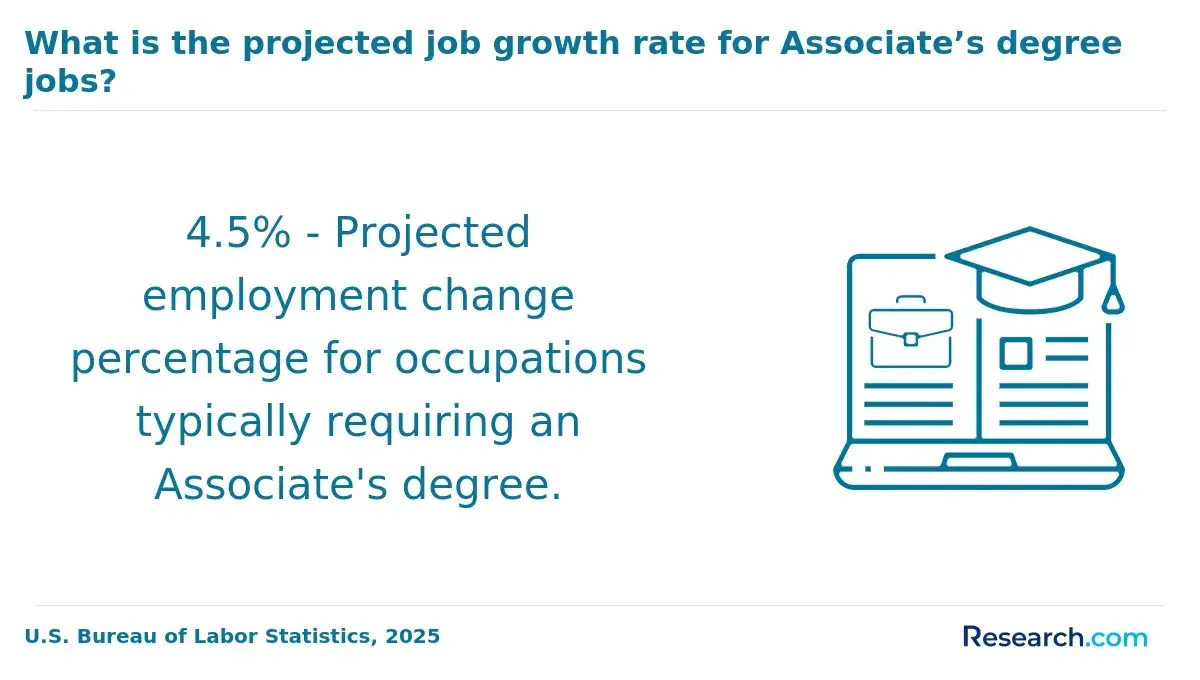
Most applicants need at least a completed bachelor's degree; many practice-focused doctorates require or prefer a relevant master's degree and professional experience. Requirements can also include transcripts, recommendations, a statement of purpose, a writing sample, an interview, a professional license, or evidence of research preparation. A program may set its own GPA or testing rules in addition to graduate-school rules.
Transfer applicants should prepare these materials early because admission and credit evaluation are separate decisions:
- Request official transcripts and syllabi for graduate courses you want reviewed.
- Ask admissions which credentials, licenses, and professional experience the specific pathway requires.
- Ask the doctoral program for a written assessment of course equivalency, remaining requirements, and any minimum credits that must be earned there.
If you do not yet have a required master's degree, the fastest masters degree online comparison can help you explore preparation options. First confirm that the master's meets doctoral admission prerequisites; completing one does not automatically shorten the doctorate.
There is no reliable single price or completion timeline for all dissertation-free doctorates. Total cost depends on tuition for the remaining required credits, mandatory and program fees, project expenses, travel, clinical placement costs, and whether the employer or institution provides support. An advertised timeline may assume an existing master's, approved transfer courses, or a particular enrollment load. Project approval, course sequencing, clinical hours, and scheduled residencies can still determine the finish date.
Use this cost comparison when evaluating an offer; a low per-credit price does not necessarily mean a low total bill.
| Cost factor | Why it matters |
| Remaining tuition | Accepted credits save money only if they reduce required billable coursework. |
| Fees and travel | Technology, clinical, and residency costs can change the total. |
| Funding and employer assistance | Eligibility, limits, and continued-employment conditions affect what you pay. |
| Time away from work | Unpaid practice hours or required campus visits create indirect costs. |
Request a personalized degree plan and fee estimate, then compare it with a cheap online doctorate degree search. Check financial-aid eligibility and any assistantship terms directly; professional doctorates should not be assumed fully funded.
Coursework generally combines advanced field knowledge, research literacy or evaluation methods, leadership or practice courses, and a specialization. The culminating project may involve identifying a professional problem, reviewing evidence, proposing an intervention, evaluating results, and presenting findings. Some programs also require comprehensive assessments, a portfolio, practicum, clinical experience, or an oral presentation.
A useful distinction is purpose and scope, not whether a paper is called a project. Ask to read the official project rubric and handbook. If the requirement is an extended original research study with a dissertation-style proposal and defense, do not assume it meets your definition of "no dissertation" merely because the catalog uses different terminology. Prior transfer credit rarely eliminates the program's required final project.
Online study can reduce commuting and expand your choices, especially if you work full time. Campus study may offer easier access to facilities, local professional networks, or face-to-face supervision. Neither format is inherently better for transfer students: the decisive questions are whether the program applies your prior credits and whether you can complete every remaining requirement.
"Online" does not necessarily mean self-paced or free of in-person obligations. Ask about scheduled seminars, project meetings, residencies, local clinical placements, and oral presentations. Resources about the best online self paced colleges can clarify scheduling terms, but verify flexibility in the doctoral program itself; an asynchronous course does not make an entire doctorate self-paced.
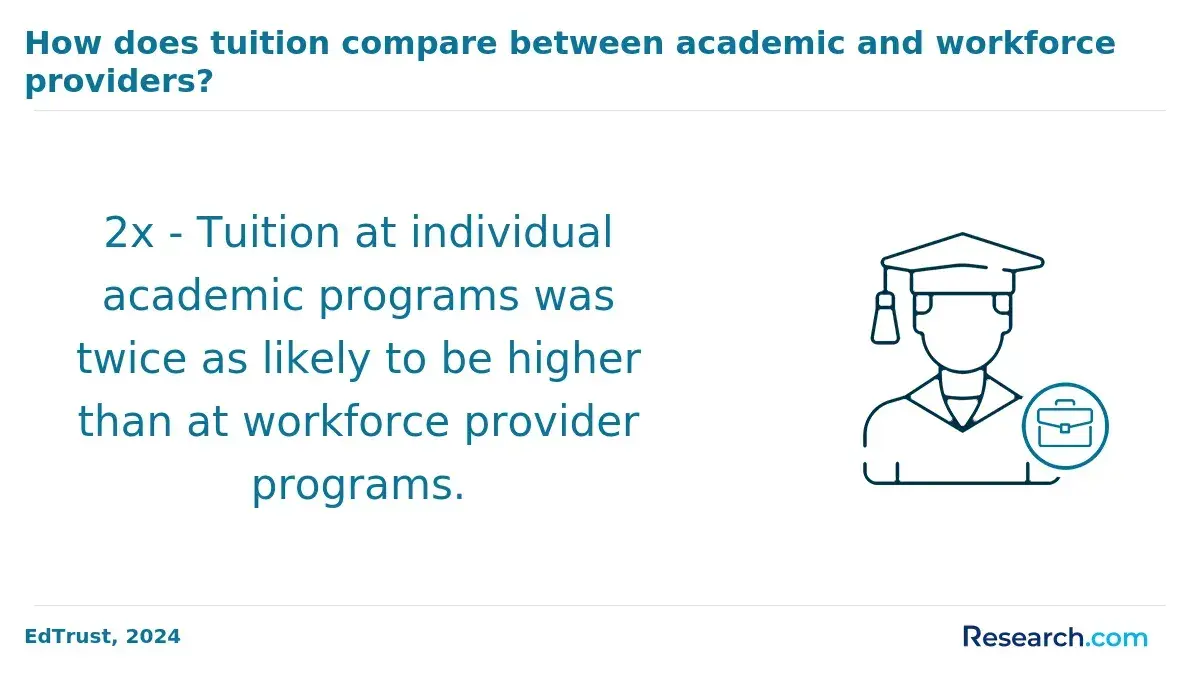
Career possibilities depend on the degree, prior qualifications, and experience. A DNP may support advanced nursing practice or clinical leadership for someone who also meets applicable certification and licensure rules. An EdD may support education leadership; a DBA or DPA may support organizational or public-sector work. A practice-focused doctorate can also strengthen a specialist's ability to evaluate evidence and lead projects, but it does not confer an executive job or faculty appointment.
Before enrolling, identify the actual positions you want and compare their requirements with your current qualifications. Some roles may be accessible through a master's degree, licensure, certifications, or experience. Even lists of high paying degrees describe educational alternatives, not evidence that a doctorate raises an individual's pay. Choose doctoral study when its specific preparation - not the title alone - adds value to your goal.
Occupational wages are useful context, not forecasts for doctoral graduates. For example, the Bureau of Labor Statistics reports a May 2024 median wage of $133,080 for software developers. A doctorate is not normally required to enter that occupation, so the figure cannot justify the cost of a computing doctorate by itself. Likewise, a leadership position may require years of experience beyond a doctoral credential.
Use current BLS occupation profiles to check pay, projected employment, and typical entry-level education for the specific role you want. Then weigh the program's full cost, lost work time, funding, and your existing credentials against a master's, certification, or continued employment. No national occupational median predicts an individual graduate's salary or promotion.
How Can You Choose a Reputable Doctorate Program?
A reputable option needs more than a convincing "no dissertation" advertisement. Confirm institutional accreditation, any relevant programmatic accreditation, the exact award and curriculum, and the requirements for your intended license or certification. For psychology, nursing, social work, and education, verify professional and state rules before relying on a program's career claims.
Use these questions to turn a promising program into a decision you can defend:
- Will you evaluate my graduate courses before I commit, and which degree requirements will approved credits replace?
- What is the official culminating requirement, and may I review its handbook, rubric, and presentation requirements?
- Which courses, practice hours, residencies, or project components must I complete through your institution?
- What will my remaining tuition and mandatory fees be, and what completion schedule applies to my entry pathway?
- Does this specific program meet the accreditation and licensure requirements for my intended role and state?
Be wary of promises that a master's automatically transfers, that professional experience automatically earns doctoral credit, or that an online doctorate has no scheduled requirements. The strongest next step is to obtain a written degree evaluation from each finalist and compare the remaining work - not just the credits a school says it will accept.
Other Things You Should Know About
No. The doctoral program decides whether graduate courses meet its subject, grade, recency, and equivalency rules. Request a written evaluation showing which requirements each approved course replaces.
Not necessarily. A scholarly project, capstone, clinical requirement, or applied research assessment can still be demanding and may require formal approval or presentation.
Most PhD programs require original research and a dissertation. Verify any claimed exception against the official doctoral catalog rather than assuming a professional doctorate awards a PhD.
Usually you should expect to complete the receiving program's culminating requirement. Ask the program explicitly whether any prior work can satisfy it; acceptance of coursework alone does not establish a waiver.
- Accreditation in the U.S. | ed.gov http://www.ed.gov/laws-and-policy/higher-education-laws-and-policy/college-accreditation/accreditation-in-the-us
- Professional doctorate: what you need to know | PhD/Doctorate | Capella University Blog https://www.capella.edu/blog/phd-doctorate/what-is-a-professional-doctorate/
- Transfer Student Requirements | University of Oregon https://www.uoregon.edu/admissions/undergraduate/find-your-path/transfer-students/
- College Transfer Credit | Official Catalog | Charter Oak State College https://www.charteroak.edu/catalog/current/sources_credit/college_transfer_credit.php
- What's the Difference Between a PhD and a Professional Doctoral Degree? | Walden University https://www.waldenu.edu/online-doctoral-programs/resource/what-is-the-difference-between-a-phd-and-a-professional-doctoral-degree
- Choosing a Doctoral Degree: PhD, EdD, DBA and DNP Compared | GCU https://www.gcu.edu/resources/doctoral/choosing-a-doctoral-degree