2027 Best Professional Doctorate Programs

Co-Founder and Chief Data Scientist
Choosing a professional doctorate means deciding whether years of advanced study will help you do work you cannot do - or cannot advance in - as readily with your current credentials. The stakes are substantial: the U.S. Bureau of Labor Statistics reports a 2024 median annual wage of $94,310 for psychologists, but that occupational figure is not a graduate salary or a return-on-investment guarantee.
This guide compares practice-focused doctoral fields and shows working professionals how to assess accreditation, licensing, projects, cost, and career fit before applying.
Key Things You Should Know
- Match the credential to the goal: a DNP supports advanced nursing practice, while a DBA or EdD generally emphasizes applied leadership; none is interchangeable with a research PhD.
- For context, the Bureau of Labor Statistics reports a 2024 median annual wage of $129,210 for nurse practitioners. That figure covers an occupation, not DNP graduates specifically, and a DNP alone does not confer licensure.
- The strongest program for you meets applicable accreditation and licensing requirements, has a feasible schedule, and offers a total cost and culminating project you can justify - not merely the lowest advertised tuition.
Top 10 Best Professional Doctorate Programs - Top Programs
Business / DBA Programs
A Doctor of Business Administration (DBA) is best suited to experienced managers who want to investigate organizational problems and apply findings at work. Compare programs by faculty expertise, research-methods training, employer-project access, and whether the final requirement is a dissertation or another substantial applied study. A DBA can support consulting or leadership development, but an MBA plus experience may be more efficient if you mainly need management fundamentals. For a research-intensive academic career, compare business PhD programs instead.
Education / EdD Programs
A Doctor of Education (EdD) typically prepares experienced educators to evaluate and improve practice in schools, colleges, or other learning organizations. Look for a specialization aligned with your setting, strong methods instruction, and a dissertation or problem-of-practice project you can complete with available data. An EdD does not automatically provide a teaching license or qualify you for a superintendent role. Compare it with an education PhD if your main goal is sustained academic research rather than applied change.
Educational Leadership Programs
Educational leadership doctorates often award an EdD, though program requirements vary. They are a strong fit when coursework in finance, policy, organizational change, and improvement connects to your intended leadership setting. Before applying, check whether the program serves K-12 or higher education and whether your state accepts its preparation for any credential you seek. School leadership jobs commonly require relevant experience and state certification; the doctorate alone is not a substitute.
Psychology Programs
A Doctor of Psychology (PsyD) usually emphasizes clinical training and practice, although substantial research may still be required. For a U.S. clinical licensure goal, examine American Psychological Association accreditation where applicable, clinical placements, internship outcomes, and your state board's rules. Ask who arranges placements and whether they require travel. Programs in organizational or applied psychology may have different purposes and should not be assumed to lead to psychologist licensure. A psychology PhD may offer a different balance of research, practice, and funding.
Nursing / DNP Programs
The Doctor of Nursing Practice (DNP) focuses on advanced nursing practice, evidence implementation, and systems improvement. Entry routes may include post-bachelor's and post-master's study; existing nursing education and certification affect what remains. Compare clinical-hour requirements, placement support, specialty preparation, and the final scholarly project. Verify nursing program accreditation and your state board's requirements for the intended role. A DNP does not replace an RN license or automatically qualify a graduate as a nurse practitioner. Choose a nursing PhD instead when original research is the primary goal.
Public Health Programs
A Doctor of Public Health (DrPH) generally targets experienced public health professionals preparing to lead programs, policy work, or population-health initiatives. Compare leadership training, quantitative methods, practice partnerships, and applied project requirements. Check Council on Education for Public Health accreditation where relevant and confirm whether the curriculum supports your specific career objective. A public health PhD is usually the closer fit for an original-research career; an MPH may suffice for many practice positions.
Computer Science Programs
Practice-oriented computing doctorates may be titled Doctor of Computer Science or Doctor of Science; the degree name alone does not establish the curriculum. Look for an applied research project tied to a real engineering, software, or organizational problem, plus instruction in methods and emerging technologies such as AI. Confirm that the credential is a professional doctorate rather than a PhD if practice-focused study is your goal. For many software careers, advanced experience or a focused master's degree may offer a better trade-off.
Cybersecurity Programs
Professional doctorates in cybersecurity, information assurance, or related computing fields can suit practitioners addressing governance, risk, and security operations at an organizational level. Compare technical depth with policy and leadership content; similarly named programs may have very different emphases. Check whether a workplace-based project is feasible without exposing confidential data. A doctorate is rarely an entry requirement for cybersecurity work, so weigh it against professional experience and role-relevant certifications.
Social Work / Human Services Programs
A Doctor of Social Work (DSW) commonly emphasizes advanced practice, supervision, or organizational leadership. Some human services doctorates address similar problems but may not meet social work-specific professional goals. Check admissions requirements for a master's in social work, existing licensure, and practice experience; then assess field projects and accreditation where applicable. A DSW does not independently grant a clinical social work license. If your aim is original research or a research-focused faculty role, compare social work PhD pathways.
Public Administration / Public Policy Programs
A Doctor of Public Administration (DPA) can help experienced public-service professionals evaluate programs, lead agencies, or apply evidence to policy implementation. Compare programs' emphasis on budgeting, evaluation, governance, and applied research. Public policy doctorates may instead prioritize analytical research, so inspect the actual degree and culminating requirement. Senior government positions typically depend on relevant experience and hiring criteria; a doctorate does not confer appointment. An MPA or MPP may be sufficient if you primarily need a foundation for public-service management.
What Is a Professional Doctorate Degree?
It is a doctoral degree organized around advanced professional practice, applied inquiry, leadership, or clinical preparation. Examples include the DBA, EdD, DNP, PsyD, DrPH, DPA, and DSW. Requirements can include research methods, a dissertation or doctoral project, fieldwork, and an oral defense. "Professional" does not mean less rigorous; it describes the degree's primary purpose, not its academic level.
A PhD generally places greater emphasis on producing original research for a scholarly field. The distinction is not absolute, so compare curricula and career outcomes rather than relying on abbreviations. If you are still comparing institutions and delivery models, a guide to the best online colleges can help you start a shortlist - but verify each doctorate separately.
Accreditation must be checked program by program. Start with the institution's recognized U.S. institutional accreditation, then look for any field-specific accreditation or approval required for your goal. For example, prospective clinical psychology students should investigate applicable American Psychological Association accreditation; nursing applicants should check the program's nursing accreditation and state-board requirements. Do not infer doctoral accreditation from an institution's undergraduate offerings.
A missing specialized accreditation is not equally consequential in every field. It can be critical for a regulated clinical pathway, while another professional doctorate may have no comparable programmatic requirement. Ask the program and the relevant state licensing board to confirm eligibility before you enroll.
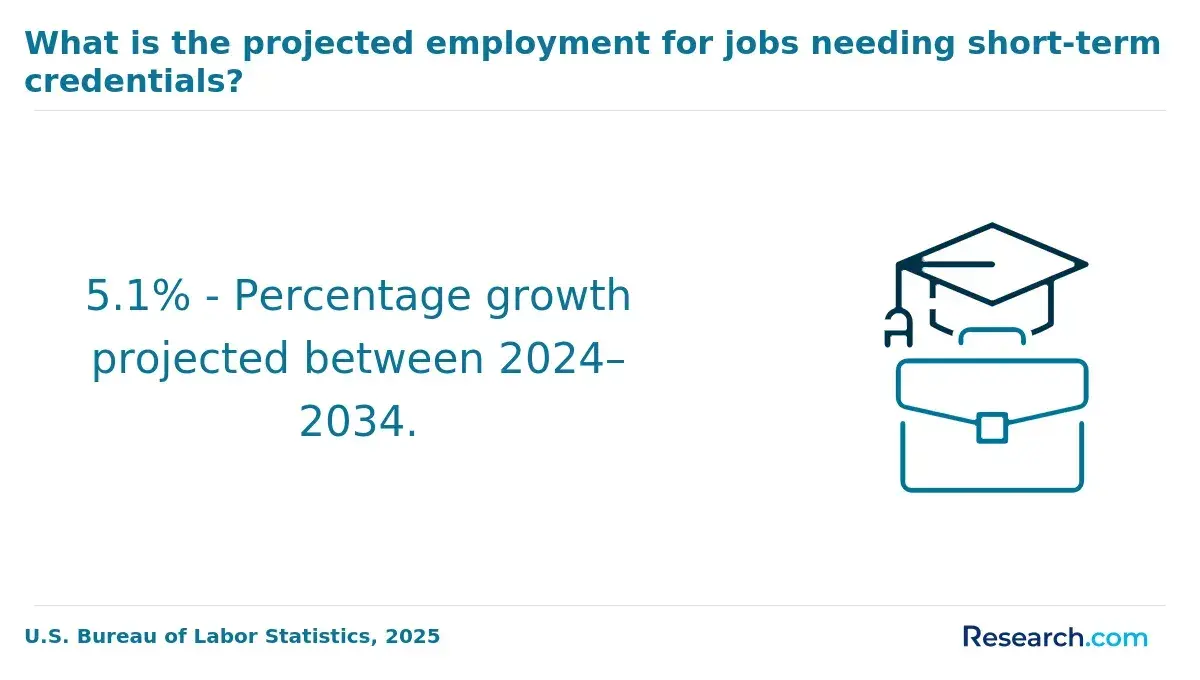
Requirements attach to occupations and licenses, not to the label "professional doctorate." Psychologist licensure generally involves a qualifying doctoral education, supervised training, examinations, and state approval. By contrast, business executives, school administrators, public health leaders, and cybersecurity managers often reach their positions through combinations of lower-level degrees and experience; a professional doctorate may be useful without being required.
Match the degree to the work you want to perform, then check actual job postings and licensing rules. If you are exploring specialist or analytical work rather than management, high paying careers for introverts offers another way to consider career fit; job characteristics and pay still vary by employer and role.
Neither format is inherently stronger. Online coursework may make continued employment possible, while campus study can provide easier access to facilities, faculty, and in-person peers. The decisive question is whether the complete program - not just its classes - fits your location and schedule.
Ask about live sessions, required visits, project meetings, clinical placements, practica, examinations, and defenses. A program advertised as online can still require scheduled participation or local supervised work. If you need part-time enrollment, obtain confirmation that the doctoral program permits it and that required courses are offered on a workable schedule.
Professional doctorates combine advanced field knowledge with methods for evaluating evidence and changing practice. Depending on the credential, students might study organizational strategy, educational improvement, clinical decision-making, population health, or policy analysis. They then demonstrate doctoral-level work through a dissertation, evidence-based practice project, applied study, portfolio, or other defined requirement.
Read the curriculum and final-project handbook together. A promising specialization offers limited value if its required project cannot be completed with the data, supervision, clinical access, or workplace cooperation available to you. An applied project is not necessarily quicker than a dissertation: approvals, data collection, revisions, and a defense can extend either path.
Admission usually requires at least a completed bachelor's degree, while many professional doctorates require or prefer a relevant master's degree and professional experience. Clinical or advanced-practice routes may also require an existing license, prerequisite coursework, or certification. Applications can involve transcripts, recommendations, a statement of purpose, a writing sample, a résumé, and an interview; GPA and test policies vary by program.
Applicants who have not yet earned a bachelor's degree should plan that step first. A guide to the cheapest bachelor degree online can inform an early cost comparison, but it does not establish eligibility for a later doctorate. If you already hold graduate credits, request a program-level evaluation: institutional acceptance does not mean those credits replace required doctoral coursework or projects.
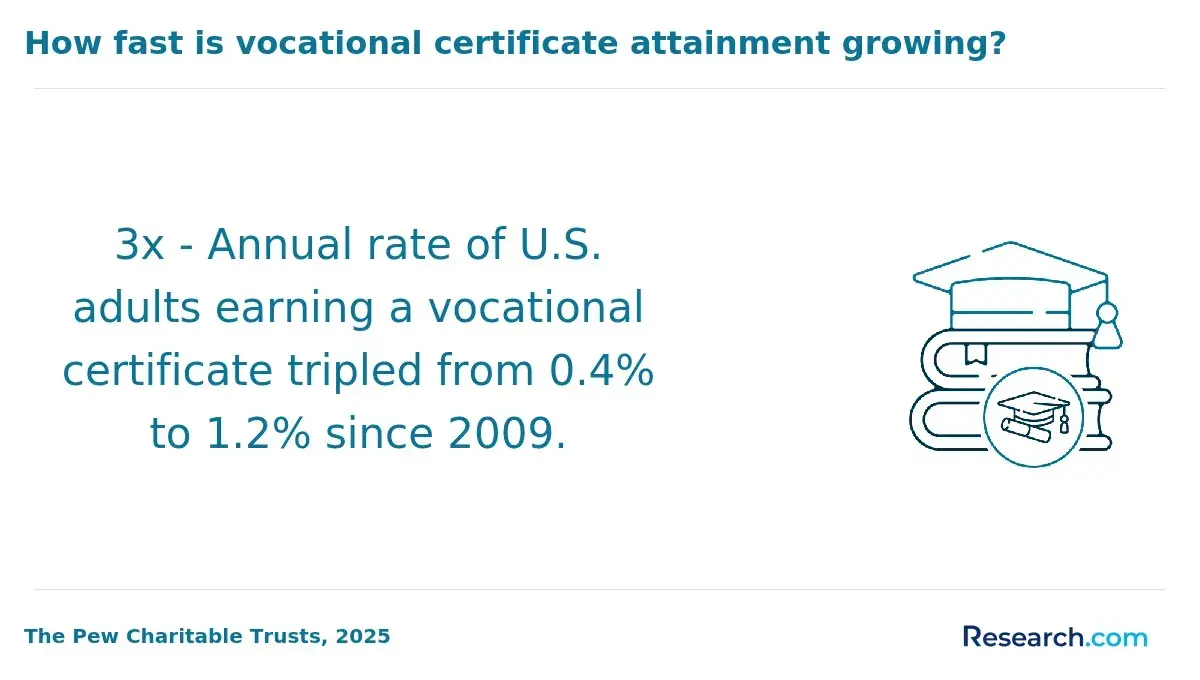
Completion time and cost depend on the entry route, enrollment pace, required courses, clinical or field hours, and progress on the culminating project. A post-master's pathway may require less coursework than a post-bachelor's pathway, but a master's degree does not automatically shorten every doctorate. Ask for the program's published time-to-completion expectations and what proportion of students finish on that schedule.
For a meaningful cost estimate, add tuition for all remaining credits, mandatory and program fees, travel, placement expenses, and possible extra terms for project work. Ask whether scholarships, assistantships, employer benefits, or federal aid apply to your enrollment status. A comparison of the cheapest doctorate degree online can provide a starting point, not a substitute for a personalized total-cost calculation.
There is no single reliable salary for "professional doctorate graduates": pay depends on occupation, location, experience, employer, and licensure. The Bureau of Labor Statistics' occupational medians describe people already working in those occupations, not the earnings increase caused by a degree. That distinction matters especially in leadership fields, where many workers do not hold doctorates.
For a personal return-on-investment estimate, compare your likely costs and time away from other work with the roles you can realistically pursue. Check whether those roles require the doctorate, reward it, or value experience just as highly. Treat published occupational pay as context - not as a forecast of your first job or a promise of promotion.
How Do You Choose the Best Professional Doctorate Program?
The best professional doctorate is the one that meets the requirements of your intended work and remains feasible through completion. Use the following sequence to narrow a shortlist before paying application fees.
- Define the role or practice problem you want to address, and check whether a doctorate is required or whether a master's degree, certification, or experience would suffice.
- Confirm institutional accreditation, any relevant programmatic accreditation, and state licensing eligibility directly with the appropriate authorities.
- Compare the full curriculum, final project, faculty supervision, placements, and any mandatory in-person or live-online commitments.
- Request a written estimate of remaining credits, total required costs, available funding, and how prior graduate work would apply to this specific degree.
- Ask about completion support and outcomes, then speak with current students or graduates about project supervision and scheduling.
Common red flags include vague answers about placement responsibility, an "online" label that omits visits, and a low per-credit price without a full degree-cost estimate. Rankings cannot resolve those issues. If a school cannot clearly explain how its program supports your credential or career goal, keep comparing.
Other Things You Should Know About
No. Professional doctorates generally emphasize advanced practice and applied inquiry; PhD programs generally emphasize original disciplinary research. Review the actual curriculum and final requirement because emphasis varies.
Often, but not automatically. Confirm part-time availability, class schedules, placement hours, required visits, and the expected weekly commitment to the final project.
No. Some require an applied doctoral project, clinical project, or other substantial culminating work. Check the official degree requirements rather than assuming a project will be shorter.
Not by itself. Licenses may require approved education, supervised experience, and exams; senior jobs commonly require substantial professional experience as well.
- Institutional Accrediting Agencies | ed.gov http://www.ed.gov/laws-and-policy/higher-education-laws-and-policy/college-accreditation/institutional-accrediting-agencies
- Cost of Attendance (Budget) | 2025-2026 Federal Student Aid Handbook https://fsapartners.ed.gov/knowledge-center/fsa-handbook/2025-2026/vol3/ch2-cost-attendance-budget
- Professional Counselor Licensure Requirements (LCPC) | Maryland.gov Enterprise Agency Template https://health.maryland.gov/bopc/pages/profcounselor.aspx
- Graduate Admissions & Requirements | UMBC https://umbc.edu/admissions/graduate/admissions-requirements/
- Completion Rates and Time to Degree Completion - Academic Affairs https://academicaffairs.uams.edu/irpa/office-of-institutional-studies/student-outcomes/completion-rates/
- Professional doctorate: what you need to know | PhD/Doctorate | Capella University Blog https://www.capella.edu/blog/phd-doctorate/what-is-a-professional-doctorate/
- Application Process | Maryland Applied Graduate Engineering https://mage.umd.edu/application-process
- What's the Difference Between a PhD and a Professional Doctoral Degree? | Walden University https://www.waldenu.edu/online-doctoral-programs/resource/what-is-the-difference-between-a-phd-and-a-professional-doctoral-degree
- Cost of Attendance - Financial Aid and Scholarships | The University of Utah https://financialaid.utah.edu/tuition-and-fees/cost-of-attendance.php
- 2025-2026 Estimated Cost of Attendance | howard.edu https://financialservices.howard.edu/tuition-fees/cost-attendance/2025-2026-estimated-cost-attendance