2027 Best Professional Doctorate Programs With Resume Help

Co-Founder and Chief Data Scientist
A professional doctorate can strengthen your practice or leadership skills, but career support matters only if it serves doctoral students and fits the jobs you want. The U.S. Bureau of Labor Statistics projects 46% employment growth for nurse practitioners from 2023 to 2033 - a reminder that opportunities vary sharply by occupation, not simply by degree level. This guide compares professional doctorate fields, explains what meaningful résumé help looks like, and shows how to check programs before investing years of study and substantial tuition.
Key Things You Should Know
- Verify the service: Ask whether doctoral students can receive individual résumé or CV reviews, field-specific feedback, and appointments in their study format; a university-wide career page is not enough.
- Match the credential to the goal: A DBA or EdD usually emphasizes applied leadership, while a DNP or licensure-oriented PsyD may involve clinical or regulatory requirements. None guarantees a promotion or job.
- Compare total cost, not just tuition: Required fees, travel, clinical placements, and time away from work can outweigh a lower advertised per-credit price.
Top 10 Best Professional Doctorate Programs With Resume Help - Top Programs
Business / DBA Programs
A Doctor of Business Administration (DBA) generally serves experienced managers applying research to organizational problems. Useful résumé help translates consulting projects, operational results, and doctoral research into evidence of business impact. Ask whether advisers understand executive résumés as well as academic CVs. Compare the DBA with an MBA or additional management experience: the doctorate is most compelling when substantial applied research directly supports your intended work, not when you need a general business credential.
Education / EdD Programs
A Doctor of Education (EdD) commonly emphasizes improving educational practice through leadership, evaluation, and applied inquiry. Career advisers should help candidates describe measurable school, district, or higher-education initiatives - not merely list coursework. Check whether the program requires a dissertation in practice, another substantial project, or both. An EdD does not automatically confer a teaching or administrative license; confirm state requirements separately if your target role is regulated.
Educational Leadership Programs
Educational leadership doctorates may prepare experienced professionals for district administration, higher-education management, or organizational improvement. Compare the curriculum with the exact roles you seek: superintendent positions, for example, may require state-specific credentials and prior experience. Strong résumé support should help document budgets managed, teams led, and student or institutional outcomes. Ask whether the program's career services work with doctoral candidates seeking roles outside their current school system.
Psychology Programs
A Doctor of Psychology (PsyD) may emphasize clinical practice, but not every psychology doctorate prepares graduates for psychologist licensure. If licensure is the goal, check program accreditation, state-board rules, required supervised training, internship arrangements, and examination eligibility before evaluating résumé services. Career support should address clinical CVs and applications for supervised placements as well as permanent positions. An organizationally focused psychology doctorate may lead to different, nonclinical work.
Nursing / DNP Programs
The Doctor of Nursing Practice (DNP) focuses on advanced nursing practice, systems leadership, or evidence-based improvement, depending on the track. Entry routes and clinical requirements differ for nurses entering with a bachelor's degree and those already holding a graduate nursing credential. Ask whether résumé advisers understand nursing specialties, certifications, and clinical accomplishments. A DNP alone does not grant advanced-practice licensure; verify the track's eligibility against the state and specialty requirements that apply to you.
Public Health Programs
A Doctor of Public Health (DrPH) typically prepares experienced practitioners for public health leadership and applied problem-solving. Look for career guidance that turns program evaluation, policy work, and cross-agency projects into clear evidence for employers. Compare required professional experience, applied projects, and any on-site sessions. If your goal is primarily original research or a research-intensive faculty career, compare the DrPH curriculum with a public health PhD rather than assuming they serve the same purpose.
Computer Science Programs
Practice-oriented computing doctorates are less standardized than DBAs or EdDs; some programs labeled "doctorate in computer science" are research PhDs instead. Verify the awarded credential and whether its culminating work addresses an industry problem. Résumé support is most useful when it helps explain technical leadership, deployed systems, and measurable results. For many software roles, a master's degree, portfolio, and relevant experience may be a more direct route than a professional doctorate.
Cybersecurity Programs
Professionally focused cybersecurity doctorates can support experienced practitioners pursuing security strategy, risk governance, or applied research. Look beyond the degree label: confirm the credential, project requirements, and whether faculty have relevant professional expertise. Career advisers should be able to frame incident response, risk reduction, and leadership without exposing confidential employer information. A doctorate is rarely the first step into cybersecurity; experience and role-relevant certifications may matter more for many openings.
Social Work / Human Services Programs
A Doctor of Social Work (DSW) often emphasizes advanced practice, teaching, or organizational leadership rather than the original-research focus commonly associated with a PhD. Résumé or CV guidance should distinguish clinical accomplishments from program management and teaching experience. Check admission requirements for an MSW, professional experience, and any practice obligations. A DSW does not replace a state social work license or its supervised-practice requirements.
Public Administration / Public Policy Programs
A Doctor of Public Administration (DPA) generally centers on applied public-sector leadership; similarly named policy doctorates can have different research expectations. Compare the actual curriculum and culminating project. Valuable résumé support helps candidates explain budget oversight, policy implementation, evaluation, and stakeholder outcomes in terms relevant to government or nonprofit hiring. If you already qualify for your target role through experience and a master's degree, weigh the doctorate's added value against its cost and time.
What Are Professional Doctorate Degrees and Who Are They For?
A professional doctorate is a doctoral credential designed chiefly to advance professional practice, applied problem-solving, or leadership. Examples include the DBA, EdD, DNP, PsyD, DrPH, DPA, and DSW. These credentials can still require demanding research; an applied project is not a shortcut around doctoral-level work. A PhD, by contrast, generally places greater emphasis on original research and preparation for research-intensive roles.
These programs usually suit people who already have substantial education and, often, relevant professional experience. Some accept applicants after a bachelor's degree; others require a master's degree, a professional license, or both. If you are still planning undergraduate study, guidance on good majors in college can help you build an appropriate foundation, but a major alone does not establish doctoral eligibility.
Choose a professional doctorate when its practice requirements and credential value match a defined goal. If the next job mainly calls for a master's degree, licensure, or experience, investigate those routes before paying for a doctorate.
The most useful programs to shortlist are accredited professional doctorates that confirm doctoral-student access to individual, career-relevant résumé help. Access can differ by school, campus, online status, and enrollment category. An institutional career-services webpage alone does not verify that a particular doctoral student can book an appointment.
Rather than treating an unverified service listing as a "best program" ranking, compare each candidate against the same evidence. Request the doctoral program's career-services eligibility policy, a description of available appointments, and examples of support for your intended occupation. Also confirm the exact degree awarded, required project or clinical work, institutional accreditation, applicable programmatic accreditation, and full cost.
Effective support may include individual résumé and CV reviews, interview practice, employer-specific application feedback, and help explaining an applied doctoral project. Ask who provides these services, whether online students can use them remotely, and whether appointments remain available during the project phase. Career-service access is a program feature, not evidence of job placement or salary outcomes. If a school cannot confirm doctoral eligibility in writing, do not count résumé help as a verified reason to enroll.
Online study can reduce commuting, but it does not necessarily remove scheduled classes, residencies, clinical placements, or in-person project work. Campus study may make face-to-face collaboration easier, while a hybrid program can combine remote coursework with periodic visits. The right format depends on whether you can complete every requirement without disrupting work or caregiving obligations.
Compare formats by separating coursework from all remaining obligations. An online doctoral student may still need live faculty meetings and fixed project deadlines; a nursing or psychology student may need supervised work at an approved site. Ask for a term-by-term schedule, the location of required activities, and confirmation that career appointments are available in the format you will use.
Professional doctorate curricula commonly combine advanced field knowledge, research or evaluation methods, and a substantial application of those methods to a practice problem. Depending on the field, that work may be called a dissertation in practice, doctoral project, capstone, clinical project, or dissertation. The name alone does not establish its scope.
Examine sample project topics and the program handbook before enrolling. A workplace-based project may fit someone improving an existing organization; a clinical doctorate may instead demand supervised hours and documented competencies. Ask how projects are approved, who supervises them, and what happens if an employer cannot provide access to needed data or a placement falls through.
Admissions requirements vary by credential and entry route. Schools may request prior graduate study, professional experience, a current license, prerequisite courses, recommendations, a statement of purpose, a writing sample, or an interview. GRE or GMAT rules and GPA thresholds must be checked with the individual doctoral program; undergraduate admissions policies are not a reliable guide.
Before applying, have the program confirm your entry pathway and whether any previous graduate courses satisfy degree requirements. Acceptance of a transfer course by the university does not necessarily mean it replaces a required doctoral course. If you still need an undergraduate credential, online colleges that start immediately may help you investigate that earlier step; their start dates say nothing about doctoral admissions.
Completion time depends on the entry route, course sequence, enrollment intensity, clinical or residency requirements, and progress on the doctoral project. Coursework can end well before a project is approved or defended. Request the program's published completion expectations for students with your qualifications, plus its policy on time limits and leaves of absence.
To estimate cost, multiply required credits by the applicable tuition rate, then add mandatory fees, travel, placement expenses, materials, and any tuition likely during project work. Check whether employer assistance, scholarships, assistantships, or federal aid are available to your specific program. Published per-credit tuition is not a total-cost estimate, and a master's degree does not automatically shorten a doctorate.
Readers comparing earlier educational steps may find most affordable online colleges for working adults useful, but undergraduate prices and aid structures should not be used to estimate doctoral costs.
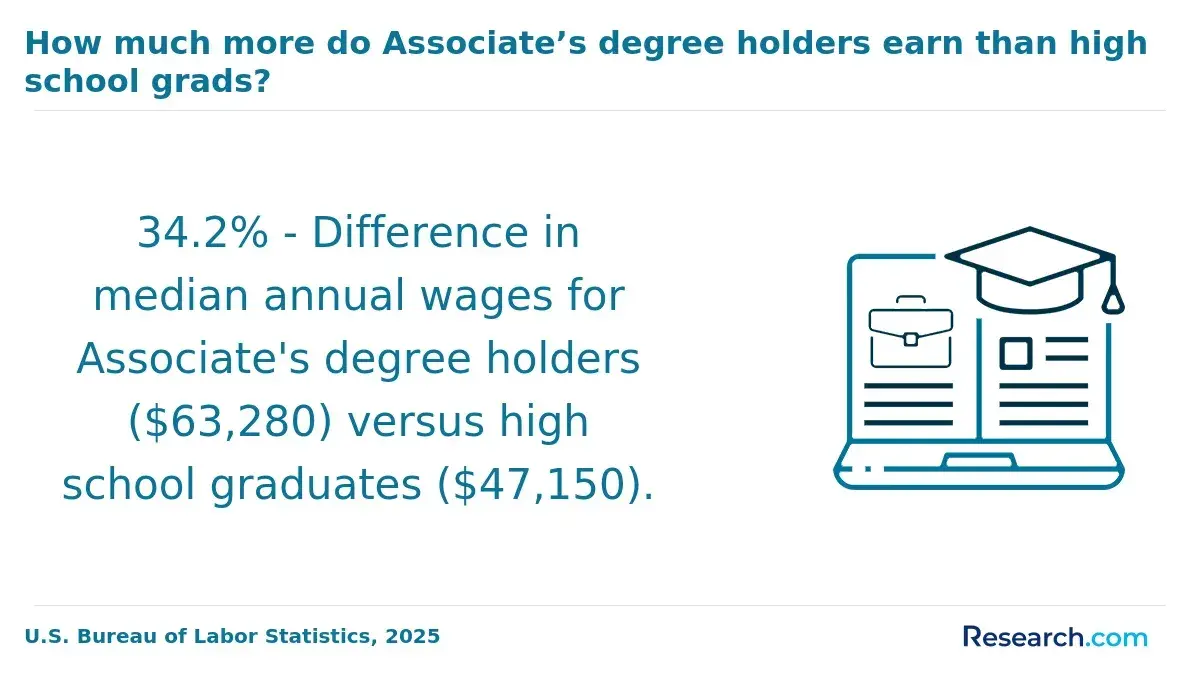
Professional doctorate graduates may seek advanced clinical practice, educational or public-sector leadership, consulting, organizational improvement, or specialized teaching roles. The plausible path depends on the degree, prior experience, licensing status, and employer - not the word "doctor" on a résumé. An experienced administrator earning an EdD, for example, faces a different job market from a new nursing graduate completing a DNP pathway.
Start with actual job postings for your target roles. Identify which require the doctorate, which accept a master's degree plus experience, and which demand a separate license or certification. For some career changes, quick certifications that pay well may be worth comparing with a longer degree, though a short credential cannot replace required doctoral clinical education or licensure.
Occupational statistics provide context, not a forecast of what a particular doctorate graduate will earn. The Bureau of Labor Statistics reported a May 2023 median annual wage of $126,260 for nurse practitioners. That figure covers workers in the occupation, not DNP graduates specifically; entering or advancing in the role also depends on nursing preparation, certification, and state licensure.
Use wage and employment projections for the job you want, then compare them with your current earnings, likely program costs, and time away from paid work. Growth in an occupation does not prove that its employers prefer doctoral graduates. Ask programs for career outcomes specific to their doctorate, including how many graduates responded to any employment survey and whether the results separate career advancement from a first job in the field.
How Can You Choose a Reputable Professional Doctorate Program?
Begin with institutional accreditation and, where relevant, the programmatic accreditation or approval tied to licensure. Then check fit: the awarded credential, entry requirements, curriculum, culminating project, faculty expertise, delivery schedule, total cost, and verified doctoral career support. A prestigious name or a polished job board cannot substitute for any of these checks.
Before committing, ask admissions and career staff these questions and keep their answers for comparison:
- Can students in my specific doctorate and study format book individual résumé or CV appointments, and who reviews the documents?
- What on-site sessions, placements, live meetings, and final-project requirements will I have after coursework?
- What is my estimated total cost after mandatory fees, and which funding options actually apply to this program?
- For my intended job or license, what additional experience, examination, certification, or supervised practice will I need?
Be wary of guaranteed-job language, vague claims that an online program requires no travel, or promises that prior graduate work will shorten the doctorate without a written degree evaluation. The strongest choice is the program whose documented requirements and support match your particular career goal.
Other Things You Should Know About
Sometimes. Ask the career center to confirm eligibility for your exact doctoral program and whether online students can receive individual appointments.
No. A review helps improve an application; it does not mean the school will arrange interviews or secure employment.
Follow the employer's instructions. Many industry and leadership applications call for a targeted résumé; academic, research, and some clinical opportunities may request a CV.
Not necessarily. Check required residencies, clinical placements, live sessions, project meetings, and defenses before enrolling.
- Accreditation in the U.S. | ed.gov http://www.ed.gov/laws-and-policy/higher-education-laws-and-policy/college-accreditation/accreditation-in-the-us
- Programmatic Accrediting Agencies | congress.gov https://www.congress.gov/crs_external_products/R/HTML/R43826.web.html
- Graduate outcomes: What the latest data reveals about employment, pay and job quality | universitiesuk.ac.uk https://www.universitiesuk.ac.uk/latest/insights-and-analysis/graduate-outcomes-what-latest-data
- Is a Professional Doctorate Worth It? Benefits & Career Value | Northeastern University Graduate Programs https://graduate.northeastern.edu/knowledge-hub/professional-doctoral-degrees/
- Penn State Alumni Association - FAQs https://directory.alumni.psu.edu/s/1218/16/interior.aspx
- Tuition & Expenses | Student Financial Services https://financialaid.wsu.edu/tuition-and-expenses/
- Applying to Residency | Office of Student Affairs https://www.med.unc.edu/md/student-affairs/for-current-students/advising/career-development/applying-to-residency/
- Doctoral Program Admissions Policies | John Glenn https://glenn.osu.edu/news/doctoral-program-admissions-policies
- Using Handshake After Graduation | arizona.edu https://career.arizona.edu/blog/2025/05/14/using-handshake-after-graduation/
- Tuition and Fees Charts - Student Financial Services https://sfs.gsu.edu/resources/student-acct/tuition-breakdown/