2027 Best Online Doctoral Programs for Students With Low GPA

Co-Founder and Chief Data Scientist
A low GPA can make doctoral admissions feel out of reach, but the number on your transcript rarely tells the whole story. The National Science Foundation counted 57,862 research doctorate recipients at U.S. institutions in 2023. Professional doctorates create additional, distinct pathways.
If you are considering an online program, the useful question is not which school is "easy," but where your academic record, recent work, and goals meet the program's actual requirements. This guide compares doctoral fields, explains how to assess GPA policies, and helps you avoid paying for a credential that does not serve your career.
Key Things You Should Know
- A 2.5 GPA does not automatically rule out every doctorate, but an unpublished minimum is not evidence that a program accepts applicants with that GPA. Check the specific program's policy.
- Compare your undergraduate GPA, graduate GPA, and recent coursework separately; a strong graduate record may matter more to some programs, but it does not override a stated cutoff.
- The best option is an accredited program whose admission rules you can meet, whose in-person requirements you can complete, and whose total cost makes sense for your goal, not simply the one with the lowest stated GPA.
Top 10 Best Online Doctoral Programs for Students With Low GPA - Top Programs
Business / DBA Programs
A Doctor of Business Administration (DBA) usually emphasizes applied research and organizational problems. It may suit an experienced manager whose older undergraduate GPA understates more recent achievements. Programs can require a master's degree, substantial professional experience, or both; neither experience nor an MBA automatically waives a GPA rule.
Ask whether admissions evaluates graduate grades separately and whether the culminating project can address your workplace. If your goal is promotion rather than applied research, compare the DBA's cost with an MBA, targeted certification, or additional management experience.
Education / EdD Programs
A Doctor of Education (EdD) generally prepares educators for applied inquiry and improvement in schools or other learning organizations. A sustained teaching or training record may help explain an older low GPA, but applicants still need to meet the program's published academic standards.
Compare required master's preparation, practitioner projects, dissertation requirements, and access to a suitable research setting. An EdD does not by itself grant a teaching, counseling, or administrative license; check state requirements before choosing a concentration.
Educational Leadership Programs
Educational leadership doctorates may be EdD or PhD programs, with different expectations for applied practice and original research. They can fit experienced school or college administrators, but some require an existing educator credential or leadership role.
If your GPA is below a stated minimum, ask whether recent graduate coursework, a petition, or conditional admission is available for this specific program. For a school-principal or superintendent goal, verify state-approved preparation separately; a broadly titled online leadership doctorate may not satisfy it.
Psychology Programs
Distinguish a research-focused psychology PhD, a practice-oriented PsyD, and a nonclinical doctorate. Their admissions standards, research expectations, costs, and licensing implications differ substantially. A nonclinical online psychology doctorate should not be treated as a route to psychologist licensure.
Applicants with low GPAs may benefit from strong research or recent graduate work, but clinical programs may also evaluate prerequisites, supervised experience, and fit. Confirm programmatic accreditation and your state board's rules before applying if clinical practice is your goal.
Nursing / DNP Programs
A Doctor of Nursing Practice (DNP) focuses on advanced practice or systems improvement; a nursing PhD centers on research. DNP entry may be available after a bachelor's or master's degree, with different curricula and admissions standards. Current nursing licensure and specialty preparation can be essential, regardless of GPA flexibility.
Online courses do not eliminate clinical hours, practice placements, or possible visits. Ask which GPA the program evaluates and whether its track meets the licensing and certification rules in the state where you intend to practice.
Public Health Programs
A Doctor of Public Health (DrPH) usually serves experienced public health practitioners pursuing leadership and applied research; a public health PhD typically emphasizes original research. Some programs expect a relevant master's degree or public health experience.
If earlier grades are weak, recent quantitative or graduate-level work may demonstrate readiness, subject to the program's actual policy. Compare required fieldwork, residencies, research methods, and project supervision. An MPH may be the more proportionate choice if you do not need doctoral-level responsibilities.
Computer Science Programs
Online computer science doctorates can differ sharply: a PhD requires a viable original research agenda, while a professional or applied doctorate may center on workplace problems. A portfolio and recent technical coursework can strengthen a low-GPA application, but they cannot be assumed to replace prerequisites or minimum grades.
For a PhD, ask whether a potential adviser accepts remote students and how research meetings, candidacy, and the defense work. Many software roles do not require a doctorate, so test the degree against your intended job.
Cybersecurity Programs
Cybersecurity doctorates may emphasize research, policy, or applied organizational security. Experienced professionals can show recent capability through technical work and graduate study, although certifications are not substitutes for required academic preparation.
Check whether the program expects programming, statistics, or research-methods proficiency and whether its project requires access to workplace data. A doctorate can support specialized research or leadership goals, but it is rarely the first credential needed for a security job; relevant experience and certifications may offer a lower-cost path.
Social Work / Human Services Programs
A Doctor of Social Work (DSW) commonly focuses on advanced practice and leadership, while a social work PhD prepares students for research. Admission may require a Master of Social Work, practice experience, or current licensure. Human services doctorates can have different prerequisites and should not be assumed to confer social work licensure.
If your undergraduate GPA is low, clarify whether the committee considers your MSW record separately. Compare supervision, any in-person components, and the degree's relevance to the roles you actually want.
Public Administration / Public Policy Programs
A Doctor of Public Administration (DPA) often emphasizes applied leadership; a public policy or administration PhD usually places greater weight on original research and faculty fit. Professional results may give context to a low undergraduate GPA, but admission can still require strong graduate grades or quantitative preparation.
Compare the proposed research or project with your agency's needs, and check whether remote study permits the required data access. For many government management roles, an MPA and relevant experience may be sufficient.
What Are Online Doctoral Programs for Students With Low GPA?
Online doctoral programs for students with low GPAs are not a separate type of degree. The phrase describes online or hybrid doctoral programs whose published admissions policies allow an applicant with a weaker academic record to be considered through a lower applicable minimum, a review of more recent graduate grades, or an explicitly available exception. It does not mean open admission or guaranteed acceptance.
The degree type matters as much as the delivery format. Research PhDs commonly require an adviser, qualifying milestones, and a dissertation; professional doctorates may culminate in an applied project, although some also require dissertations.
This comparison identifies fields worth investigating, not a verified ranking of individual low-GPA programs. Without a current, program-specific admissions policy, no school should be presented as meeting that claim.
Use your intended outcome to narrow the field before comparing GPA rules. The distinctions below can prevent an apparently accessible doctorate from becoming the wrong credential.
| Doctoral path | Primary emphasis | Key admissions or fit question |
| Research PhD | Original research and dissertation | Will faculty support your proposed work and consider your academic record? |
| Professional doctorate | Advanced practice, leadership, or applied research | Do you have the required graduate education, experience, or license? |
| Licensure-related doctorate | Preparation connected to regulated practice | Does this exact program meet requirements in your state? |
Admission with a low GPA is possible, but it depends on the specific doctorate and which GPA the school uses. A program might assess your last undergraduate credits, cumulative undergraduate record, master's record, or a combination. A higher graduate GPA can show improvement; it does not erase a mandatory undergraduate cutoff unless the published policy allows an exception.
Start by comparing your transcript with the current doctoral admissions page and graduate catalog. If the rule is unclear, ask admissions in writing whether your record qualifies for review, whether exceptions or conditional admission exist, and who approves them. Do not infer flexibility from an undergraduate "open admission" policy or from the absence of a GPA figure on a marketing page.
If no appropriate doctorate will consider your record yet, recent graded graduate coursework may provide stronger evidence than another application essay. That route costs time and money, so compare it with quick degree programs only if your immediate goal is a career change rather than doctoral research or advanced practice.
Expect doctoral programs to review far more than GPA. Requirements vary by degree and may include a completed bachelor's degree, a relevant master's degree, prerequisites, professional experience, a current license, recommendations, a statement of purpose, and a writing or research sample.
Some research programs assess faculty fit; GRE or GMAT rules, when applicable, must be checked at the program level.
If your grades need explanation, build an application around evidence of current readiness rather than a general plea for leniency. The following sequence also helps you avoid spending application fees on programs whose requirements you cannot meet.
- Calculate each GPA the program specifies and identify any stated minimum or exception process.
- Confirm prerequisites, degree and licensure requirements, tests, and any faculty-contact expectations.
- Use recent graded coursework, relevant work, research, or a substantial writing sample to demonstrate readiness.
- Explain the circumstances behind weaker grades briefly, then show what changed and how you will manage doctoral work.
A stated minimum is a screening rule, not a prediction of admission. Conversely, a competitive application cannot be assumed to overcome a rule the program says is nonwaivable.
For career flexibility, match the doctorate's training to the work you want, not to a broad field name.
A DBA or DPA may support applied organizational work across sectors; an EdD may suit learning and leadership roles; a research PhD can develop methods useful in academia, government, or industry. None guarantees a leadership title, faculty appointment, or particular work arrangement.
First check job postings for your target role: do they require a doctorate, prefer one, or prioritize a master's degree and experience? If flexibility means location, distinguish online study from remote employment.
The guide to what degrees allow you to work from home offers a separate way to assess that goal; a doctorate itself does not make a job remote.
Online and campus-based doctorates can lead to the same credential, but they organize access to people, facilities, and practical work differently. Neither format changes a program's GPA rule. An online option may reduce relocation costs while still requiring scheduled seminars, adviser meetings, clinical placements, residencies, examinations, or a defense.
These differences matter most when a low-GPA applicant is comparing a promising program with the time and support needed to finish it.
| Factor | Online or hybrid study | Campus-based study |
| Research access | Depends on remote adviser support, data, and available facilities | May offer easier access to laboratories and research groups |
| Schedule | May permit remote coursework but still impose live sessions and deadlines | May require regular presence and a fixed course schedule |
| Practical work | May require approved local placements or travel | May rely on nearby university or partner sites |
Request the complete residency and attendance schedule, not just a statement that courses are "online." For a research PhD, ask how remote students find advisers and participate in funded research.
Completion time depends on entry preparation, course sequencing, examinations, research or project approvals, clinical hours, and the defense, not merely the number of credits.
A post-master's pathway may reduce coursework without removing the doctoral project or dissertation. Ask for the program's typical completion time for students with your starting qualifications and enrollment schedule.
To compare cost, calculate required tuition and fees across the entire curriculum, then add travel, placement, technology, and research expenses. Ask separately about scholarships, employer assistance, assistantships, tuition remission, and stipends; funding that exists for campus PhD students may not extend to online students.
Federal aid eligibility also depends on the student and institution. If a doctorate is not essential to your goal, compare its full commitment with the most affordable masters degrees online before borrowing.
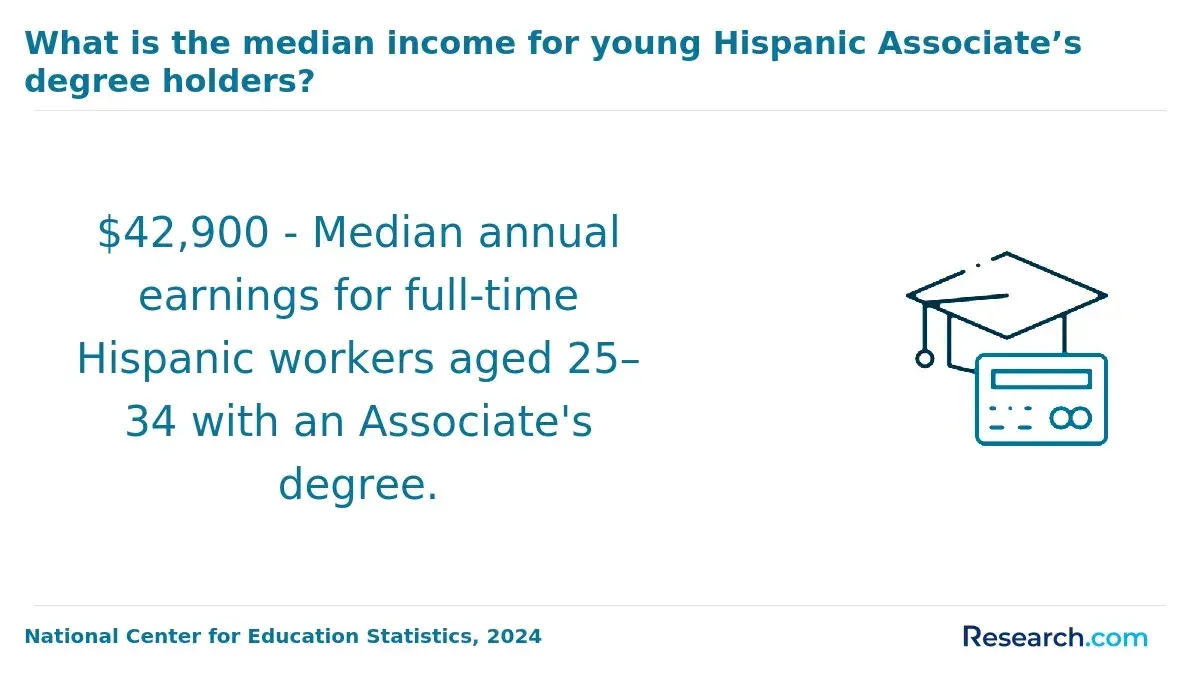
Doctoral graduates enter varied occupations, including research, teaching, advanced clinical practice, consulting, and organizational leadership. Those jobs do not share one "doctoral salary."
As one labor-market reference, the U.S. Bureau of Labor Statistics reported a May 2023 median annual wage of $145,080 for computer and information research scientists. That is an occupation-wide median, not the earnings of computer science doctorate graduates; employers may accept a master's degree, and research experience still matters.
For a realistic return-on-investment comparison, identify target jobs and check their education, licensing, and experience requirements. Then weigh likely program cost, available funding, time away from paid work, and whether a master's degree or professional experience could get you there. Be especially wary of claims that a doctorate alone secures a faculty post or executive role.
Some doctoral paths connect directly to regulated work; many do not. DNP applicants should check nursing licenses, clinical requirements, and specialty certification.
Prospective psychologists must verify their state board's education, supervised-practice, and examination rules before choosing an online PsyD or PhD. Educators and social workers should likewise check the exact credential required for the role and state.
A DBA, DPA, or nonclinical research doctorate generally should not be treated as a professional license. Even when an institution is accredited, its particular online program or placement arrangement may not meet every state's requirements. Obtain confirmation from the relevant licensing board rather than relying on a degree title or a general careers page.
How Can You Choose an Accredited Online Doctoral Program?
Begin with institutional accreditation recognized by the U.S. Department of Education, then check any programmatic accreditation relevant to your intended profession. Accreditation establishes an important baseline; it does not establish that admission is flexible, the program is affordable, or graduates qualify for licensure everywhere.
For each shortlisted program, request the current catalog, doctoral admissions policy, curriculum, tuition and fee schedule, and any state-authorization disclosures. Compare the applicable GPA calculation and exception rules, the total cost after confirmed funding, required visits or placements, supervision, and the culminating requirement.
Be cautious of an unverified "low-GPA friendly" claim or a recruiter who cannot identify the policy that applies to the doctorate.
If you need to improve your academic record before applying, cheap online colleges can be a starting point for comparing coursework costs. Confirm with prospective doctoral programs before enrolling whether particular courses would satisfy prerequisites or provide persuasive evidence of recent academic performance.
Other Things You Should Know About PhD Programs
There is no universal cutoff. Check the specific program's minimum, the transcript it uses to calculate GPA, and whether an exception or conditional review is explicitly available.
It can demonstrate academic improvement, but only the program can say whether it satisfies or offsets its admission requirements. Ask admissions to clarify its policy in writing.
Not necessarily. Online delivery does not determine selectivity; doctoral programs may still require research preparation, professional experience, faculty fit, or licensure.
Contact the program before paying an application fee. Apply only if it confirms that your record qualifies for an exception or another published admission pathway.
- Accreditation in the U.S. | ed.gov http://www.ed.gov/laws-and-policy/higher-education-laws-and-policy/college-accreditation/accreditation-in-the-us
- School-Determined Requirements | 2024-2025 Federal Student Aid Handbook https://fsapartners.ed.gov/knowledge-center/fsa-handbook/2024-2025/vol1/ch1-school-determined-requirements
- Graduate Programs Admission Eligibility | California State University Long Beach https://www.csulb.edu/admissions/graduate-programs-admission-eligibility
- What's the Difference Between a PhD and a Professional Doctoral Degree? | Walden University https://www.waldenu.edu/online-doctoral-programs/resource/what-is-the-difference-between-a-phd-and-a-professional-doctoral-degree
- Graduate Admission | Cal State LA https://www.calstatela.edu/admissions/graduate-admission
- Doctoral Tuition - Section 5: Tuition and Fees | Academics at Walden University https://academics.waldenu.edu/handbook/tuition/doctoral
- Professional doctorate: what you need to know | PhD/Doctorate | Capella University Blog https://www.capella.edu/blog/phd-doctorate/what-is-a-professional-doctorate/
- Graduate Admissions | NYU SPS - New York University https://www.sps.nyu.edu/join/graduate-admissions.html
- Online J.D. Program FAQs | Southwestern Law School https://www.swlaw.edu/jd-llm-programs/online-jd-program/online-jd-program-faqs