2027 BS in Business Administration and Project Management: How to Compare Internship and Capstone Requirements
Audited and Verified:
Our Editorial and Data Verification Process
Research.com uses government datasets, official education statistics and primary institutional information to support its career and degree guides. Our review process checks factual accuracy, occupational definitions, source dates and the requirements associated with the credentials discussed.
How This Article Was Fact-Checked
Our editorial team verifies salary estimates, employment projections, education requirements and program information against original data providers and official organizations. Salary figures are checked against the relevant occupational definitions and reporting periods. Information about licensure, accreditation and required in-person training is reviewed separately.
Fact-checked and verified on:

Co-Founder and Chief Data Scientist
Two business administration programs can teach similar project management courses yet require very different work to graduate. One may require a supervised internship; another may allow a workplace-based capstone, a simulated project, or both.
Those differences affect scheduling, access to an employer, use of confidential information, and the work samples you can show recruiters. This guide helps prospective and transfer students compare the requirements before enrolling - and identify which form of applied learning is feasible and useful for their goals.
Key Things You Should Know
- An internship and a capstone are not interchangeable: confirm whether each is required, how it earns credit, and who approves the site or project.
- Compare supervision, permitted work settings, data access, deliverables, and course timing - not just whether a program advertises "hands-on learning."
- For a career goal in project coordination, a feasible project with a schedule, budget assumptions, risks, and stakeholder reporting may be more valuable than an internship with little project-related work.
What Is a Business Administration and Project Management Bachelor's Degree?
Typically, this means a BS in Business Administration with a formal project management concentration or emphasis. Some schools instead offer a standalone project management bachelor's degree, while others offer only project management electives. The diploma title and concentration status matter: a few electives do not necessarily appear as a designated credential on a transcript.
The business core usually develops accounting, finance, management, operations, communication, and quantitative reasoning. Project management study adds methods for defining scope, planning schedules and resources, managing risks, and reporting progress to stakeholders. An internship applies those methods in an approved work setting; a capstone is an assessed academic project that integrates learning. Neither automatically substitutes for the other.
Check the catalog for the exact degree title and prerequisites before comparing applied requirements. A business administration applicant eligibility checklist can help you prepare questions, but the institution's requirements and degree audit control your path.
How Do Internship Requirements Differ Among Project Management Degree Programs?
Internship policies vary more than the word "internship" suggests. Some programs require a credit-bearing placement; others offer one as an elective or accept an approved project at a current job. Work experience, volunteer service, and prior-learning credit are separate arrangements unless the school explicitly approves them.
This comparison highlights the policy differences most likely to affect whether you can complete the requirement and gain relevant experience.
| Requirement to compare | What may differ | Why it matters |
| Site and duties | Approved employers, remote sites, existing jobs, or volunteer organizations; required project-related tasks | A familiar workplace may not qualify if the work lacks new learning objectives. |
| Supervision | Workplace supervisor qualifications, faculty oversight, and evaluation forms | A willing employer alone may not satisfy academic supervision rules. |
| Credit and timing | Enrollment in an internship course, minimum hours, prerequisites, and term deadlines | Hours completed before approval may not count, and a missed course can delay graduation. |
| Assessment | Learning agreement, activity log, reflection, presentation, or supervisor evaluation | The placement must produce evidence of learning, not just a job title. |
Ask the internship coordinator for the current handbook and an approval decision before accepting a placement or relying on your existing job. Discuss the duties, supervisor availability, pay arrangements, and any travel or fixed-hour commitments. For transfer students comparing ranked online business bachelor's completion routes, confirm when the internship course is offered; a short advertised completion timeline is unhelpful if placement approval pushes graduation into another term.
What Should a Project Management Capstone Project Include?
A strong capstone gives a defined decision-maker a usable project plan or evaluation, rather than merely describing project management concepts. For example, a student might propose an inventory-process improvement for a small organization. The proposal is academic work unless the organization authorizes implementation; projected savings are assumptions, not demonstrated results.
Use the faculty rubric to set the scope. A manageable capstone commonly connects these components:
- Problem and boundaries: the stakeholder's objective, intended users, deliverables, exclusions, and criteria for success.
- Evidence and assumptions: permitted data sources, a baseline where available, gaps in the evidence, and constraints on interpretation.
- Project plan: tasks and dependencies, schedule, resource and budget assumptions, roles, and communication points.
- Risk and assessment: likely obstacles, responses, measurable indicators, and how the proposed approach would be reviewed.
- Final deliverables: a written recommendation, supporting artifacts, and a presentation or reflection if required by the program.
Before using workplace records, obtain the necessary employer and faculty permissions and check privacy and intellectual-property rules. A portfolio version may need anonymized data or a fully hypothetical scenario. Ask whether the capstone requires a real client, allows a simulation, involves a team, or must be completed in a final-term course. When weighing the added term or project expense against other degree options, evaluate price duration and outcomes of business administration degrees using each school's actual capstone sequence.
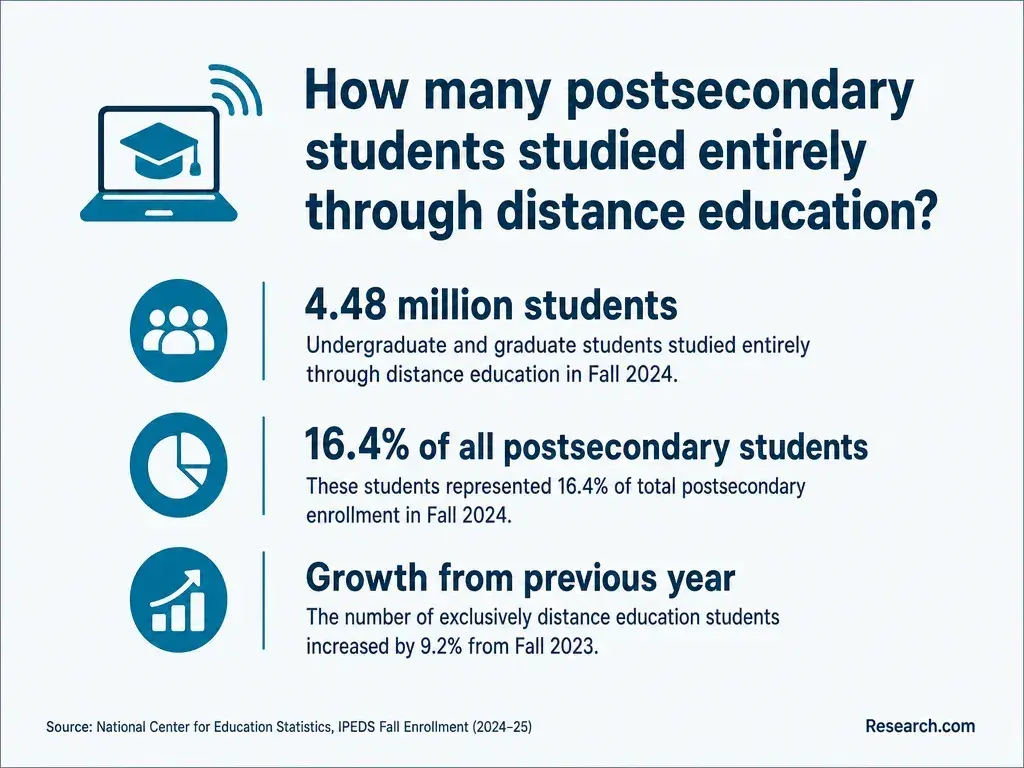
Delivery format changes how students coordinate applied work, but it does not determine whether the requirements are easier. An online student may be able to intern locally or use an approved employer project. That same student may face live presentations, group meetings, or an internship supervisor who must be available during business hours. Campus students may have easier access to local recruiting while still needing to secure their own placement.
Compare the actual obligations rather than the format label. Ask for a recent internship syllabus and capstone schedule, then check required meeting times, presentation format, placement geography, technology, campus visits, and whether courses run every term. If you work or provide care, map those commitments onto a normal week and the busiest project weeks. Resources to evaluate American online business school options can help create a shortlist, but only the program can confirm its applied-learning policies for your enrollment term.
Look beyond course titles to the assignments that prepare you for the required internship or capstone. Operations and managerial accounting can support process and cost decisions; statistics and spreadsheets can support baseline measures; organizational behavior and communication can support stakeholder work. Project-focused courses may cover scope, scheduling, budgeting, risk, procurement, and agile approaches, but the required depth and tools differ by school.
Read the course sequence alongside the applied-learning policy. If the capstone expects a budget model or risk register, identify which earlier course teaches it. If your target is primarily logistics or procurement rather than coordinating projects across functions, compare the project management track with supply chain undergraduate programs with shorter terms; verify both the specialization and actual remaining credits before treating a shorter calendar as a faster path.
Verify institutional accreditation through the school's stated accreditor and the U.S. Department of Education's accreditation database. Then check whether any claimed business accreditation - such as AACSB, ACBSP, or IACBE - covers the relevant business unit or program at the degree level you plan to enter. Institutional accreditation and business-program accreditation are different claims; neither proves that a particular internship will be available or that graduates will be hired.
Match the school name, campus or online location, degree title, and accreditor's scope before comparing programs. A guide to find accredited affordable business administration colleges with aid options may help form a shortlist, but verify accreditation and aid eligibility directly with each institution.
Schools generally distinguish admission to the institution from entry into the business major or concentration. Applicants may need secondary-school or college transcripts and may face GPA or prerequisite rules in areas such as mathematics, statistics, accounting, or economics. Transfer applicants should request an official evaluation showing which accepted credits satisfy the business core and which internship or capstone courses must still be completed.
Application cost is separate from program cost. Colleges that waive online application costs may reduce the expense of applying to several schools; confirm the waiver's eligibility and deadline with each one. Before committing, ask admissions and the program adviser whether applied-learning courses have prerequisites beyond admission to the major.
Completion time depends on accepted and applicable transfer credit, course sequencing, enrollment pace, and the term in which the internship or capstone is available. A placement search or delayed employer approval can extend the calendar even if few credits remain. Request a term-by-term degree plan that identifies the earliest eligible applied-learning term and a backup if a placement falls through.
For a meaningful cost comparison, calculate remaining tuition and required fees, then add internship-course charges, software, travel, supplies, and any reduced work hours. A capstone built around public or simulated data may avoid travel but still require scheduled team time. Compare aid and tuition at online project management schools using school-specific cost and aid information, and obtain a personalized estimate from each financial-aid office. Do not assume that an internship is paid or that employer reimbursement arrives before tuition is due.
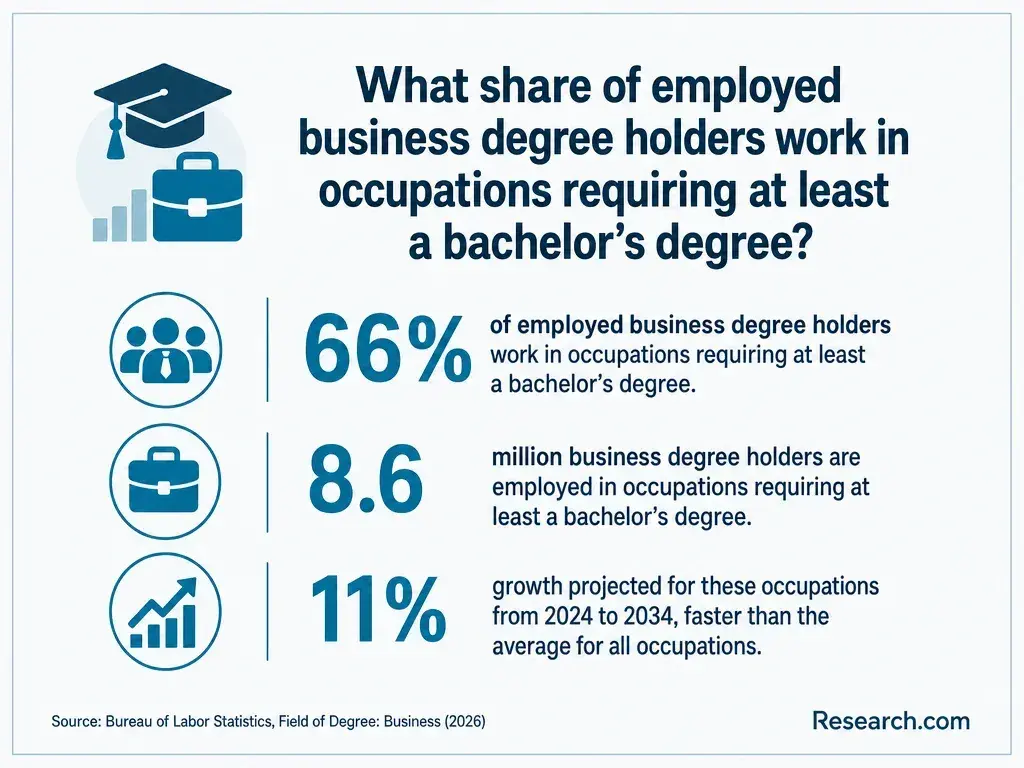
For a student early in a project management career, relevant starting points may include project coordinator, operations coordinator, or project support roles. Employers can assess whether an internship shows supervised stakeholder work or whether a capstone demonstrates a credible schedule, risk assessment, and concise recommendation. Neither a degree nor a classroom project automatically qualifies someone to manage a major budget or team.
The U.S. Bureau of Labor Statistics reports a $102,320 median annual wage in May 2025 for project management specialists, with 7% projected employment growth from 2025 to 2035. That occupation-wide median includes experienced workers; it is not an expected starting salary for a new graduate. Compare local job postings for duties, experience, tools, and industry knowledge, then choose applied work that helps close a specific gap. If cost is the main obstacle to building that evidence, review online degree options in project management at lower cost alongside employer-supported projects or targeted training.
Which Project Management Certifications Can Graduates Pursue?
Project management certification is separate from a bachelor's degree or concentration. The Project Management Institute's CAPM is designed for people building foundational knowledge, while its PMP has professional experience and education requirements that applicants must document. Other credentials may focus on particular methods or tools. Verify the certifier's current eligibility rules, exam coverage, maintenance requirements, and fees rather than assuming capstone or internship hours automatically count as qualifying experience.
Choose a credential only after checking the roles you want: an early-career applicant may benefit more from a well-documented project sample and relevant work than from collecting certificates. Budget for credentials separately from tuition. Information about federal aid for undergraduate project management study concerns eligible education costs, not an automatic source of payment for a separate certification exam.
Other Things You Should Know About Business Administration
Contact the internship coordinator immediately. Ask about the replacement-site deadline, whether completed work can be assessed, and how a change affects your course enrollment and graduation plan. Do not assume another site or a capstone can be substituted.
Yes, if the program allows team projects. Check how individual contributions are documented and graded so that you can accurately describe your own work to employers.
Not necessarily. Ask which tools each applied course requires, whether the school provides access, and whether a proposed workplace tool is permitted. Software familiarity is useful, but the quality of the plan matters more than a particular product name.
Keep copies only when school and employer rules permit it. Retain an approved, redacted description of your role and methods rather than confidential records, personal data, or work your employer owns.
- Student Intern Program: Frequently Asked Questions | ny.gov https://dos.ny.gov/student-intern-program-frequently-asked-questions
- Fact Sheet #71: Internship Programs Under The Fair Labor Standards Act | U.S. Department of Labor https://www.dol.gov/agencies/whd/fact-sheets/71-flsa-internships
- Work Experience Internships: Employer Requirements | Los Rios Community College District https://losrios.edu/academics/work-experience-and-internship-program/work-experience-internships-employer-resources/work-experience-internships-employer-requirements
- Concentration Project Management | Centenary University https://www.centenaryuniversity.edu/degrees-and-programs/bsba-project-management/
- 7 Essential Skills for Project Managers | Northeastern University Graduate Programs https://graduate.northeastern.edu/knowledge-hub/essential-project-management-skills/
- Project Management | Waldorf University https://waldorf.edu/degree-programs/bachelors/bs-business-administration/project-management/
- Prerequisites: Internship - Informatics Capstone Experiences https://infocpst.luddy.indiana.edu/internship/prerequisites.html
- Multiple, Single Subject and Education Specialist Internship Program | Cal State LA https://www.calstatela.edu/coe/edsp/multiple-single-subject-and-education-specialist-internship-program
- 10 Best Business Degrees for High Pay and Career Growth | Pace University New York https://www.pace.edu/news/best-business-degrees-undergrad-grad
- Internship Supervisors | Communication - Buffalo State https://communication.buffalostate.edu/internship-supervisors