2027 Best Doctoral Programs With Prior Learning Credit

Co-Founder and Chief Data Scientist
If you already have graduate coursework or substantial professional experience, the key question is whether it can reduce a doctorate's requirements - not merely strengthen your application. That distinction matters financially: U.S. Bureau of Labor Statistics data show median weekly earnings of $2,109 for workers with doctoral degrees in 2023, but that figure does not establish what any particular doctorate will earn you. This guide compares doctoral fields, explains which kinds of prior learning may count, and shows you how to request a degree-specific credit evaluation before committing to a program.
Key Things You Should Know
- Previous graduate coursework is the strongest credit candidate. Admission based on experience is not the same as awarding doctoral credit for it.
- There is no universal credit allowance. Ask each program which courses satisfy its doctoral requirements and which research, clinical, or residency components remain.
- Compare the remaining degree, not the advertised transfer maximum. A credit award saves time or tuition only if it replaces required coursework without delaying progression.
Top 10 Best Doctoral Programs With Prior Learning Credit
Business / DBA Programs
A Doctor of Business Administration (DBA) is worth screening if you have an MBA or related graduate business courses. Ask whether prior courses replace DBA foundations or electives; management experience may support admission without earning credit. Compare the remaining applied research project, residency requirements, and total tuition. A DBA may suit experienced leaders seeking practice-focused research, while a business PhD is usually a better match for intensive academic research. Neither degree substitutes for leadership experience.
Education / EdD Programs
Doctor of Education (EdD) programs may evaluate previous graduate education courses for specific requirements. A teaching license or years in a classroom should not be assumed to generate doctoral credit. Check whether an eligible master's degree changes the curriculum, whether transfer courses cover research methods, and whether a dissertation or applied project remains. Choose an EdD for a defined practice or leadership goal; consider an education PhD if original research and faculty mentorship are central to your plans.
Educational Leadership Programs
Educational leadership doctorates often serve school, district, or higher-education professionals, but the right pathway depends on your intended role. Ask whether previous graduate leadership courses count and whether a specialist credential satisfies any requirements. If you seek a principal or superintendent credential, confirm state-specific preparation and licensing rules separately: doctoral admission, transfer credit, and licensure eligibility are different decisions. Review internship, fieldwork, and project requirements before assuming prior employment will shorten the program.
Psychology Programs
Psychology PhD and Doctor of Psychology (PsyD) programs require especially careful credit checks. Previous graduate courses might satisfy coursework, but clinical practica, supervised hours, research milestones, and internships may have separate rules. If your goal is psychologist licensure, verify the program's accreditation and your state board's requirements before valuing any credit offer. A research-focused PhD and a practice-focused PsyD are not interchangeable; faculty fit or clinical training opportunities can matter more than a large transfer allowance.
Nursing / DNP Programs
Doctor of Nursing Practice (DNP) options commonly distinguish post-bachelor's and post-master's entry. A relevant nursing master's degree may place you on a different curriculum, but that is not necessarily an unrestricted transfer-credit award. Ask how prior graduate study applies to specialty courses and how the program accounts for required clinical education and the DNP project. Verify nursing licensure, certification eligibility, and clinical-placement arrangements for your state. A nursing PhD is a different choice for students prioritizing research.
Public Health Programs
A Doctor of Public Health (DrPH) may be attractive to applicants with an MPH and leadership experience. Confirm whether an MPH is required, whether it provides advanced standing, and whether previous epidemiology or biostatistics courses satisfy doctoral requirements. Leadership experience may be an admissions asset without generating credit. Compare applied practice and project expectations with those of a research-oriented public health PhD; choose according to the work you want to do, not the possibility of a course waiver alone.
Computer Science Programs
Computer science PhD applicants with prior graduate courses should ask which requirements those courses replace and whether research preparation matters more than credit volume. Programming work or industry certificates may demonstrate expertise without counting toward the doctorate. Faculty research fit, qualifying examinations, original research, and dissertation progress can determine the actual timeline. If your goal is an industry role rather than research, compare the doctorate's opportunity cost with a master's degree and additional technical experience.
Cybersecurity Programs
Cybersecurity doctorates can emphasize technical research, policy, or applied leadership. Match the program to your goal before asking about credit: previous graduate security courses might satisfy electives while leaving research methods and the culminating project untouched. Professional certifications and military experience may support admission, but neither should be treated as automatic doctoral credit. For a research PhD, investigate faculty expertise and funding; for a practice-oriented doctorate, examine the project and its relevance to your work.
Social Work / Human Services Programs
A Doctor of Social Work (DSW) typically serves a different purpose from a social work PhD: advanced practice or leadership versus sustained research preparation. An MSW may be an entry requirement rather than a source of transferable credit. Ask whether previous graduate courses reduce the remaining curriculum and whether field, project, or residency requirements still apply. For clinical practice, check state licensure rules; earning a doctorate or receiving credit does not by itself grant a license.
Public Administration / Public Policy Programs
Doctor of Public Administration (DPA), policy PhD, and related programs serve different goals. An MPA or MPP may provide relevant graduate courses, but a school must decide whether they replace doctoral core or elective requirements. Government service can strengthen an application without earning academic credit. Compare an applied leadership project with a research dissertation, and ask how much study must be completed through the awarding institution. For many management roles, experience or a master's degree may be a more direct investment.
What Is Prior Learning Credit in Doctoral Programs?
Prior learning credit means academic credit awarded for learning completed before entering the doctoral program. At this level, the clearest potential source is eligible graduate or doctoral coursework from another institution. Some programs instead offer a defined post-master's curriculum or recognize a prior credential through advanced standing. Neither arrangement means that all of a master's degree transfers.
Work, military service, professional training, and life experience can be valuable evidence of readiness. They should be called doctoral credit only when the institution publishes an applicable doctoral-level mechanism and approves that learning toward the specific degree. A course waiver may remove a prerequisite without reducing the credits needed to graduate. Ask which of these outcomes the school actually offers.
The best candidate is a program that applies your particular prior study to requirements you would otherwise have to complete. No doctoral field guarantees prior-learning credit, and a university's undergraduate credit-for-experience policy does not establish a doctoral policy. The comparison below identifies the most useful starting question for each program type - not a claim that every program in that field awards credit.
Use this comparison to narrow your search before requesting an individual evaluation.
| Program type | Prior preparation to ask about | Requirement to check separately |
| DBA, EdD, DPA, or DrPH | Related master's courses or a published post-master's pathway | Applied research, project, and institutional residency |
| DNP or DSW | Relevant professional master's education | Clinical, practice, project, and licensure-related requirements |
| PhD in a research field | Equivalent graduate coursework and research preparation | Qualifying exams, candidacy, dissertation, and faculty supervision |
| Licensure-oriented psychology doctorate | Approved graduate psychology coursework | Clinical training, internship, accreditation, and state rules |
If you have not yet earned a bachelor's degree, you normally need to complete that step before doctoral admission; compare best bachelor degrees against your eventual field requirements rather than expecting undergraduate credits to count directly toward a doctorate. For any shortlisted doctoral program, request its current catalog policy and a written explanation of how your courses would apply.
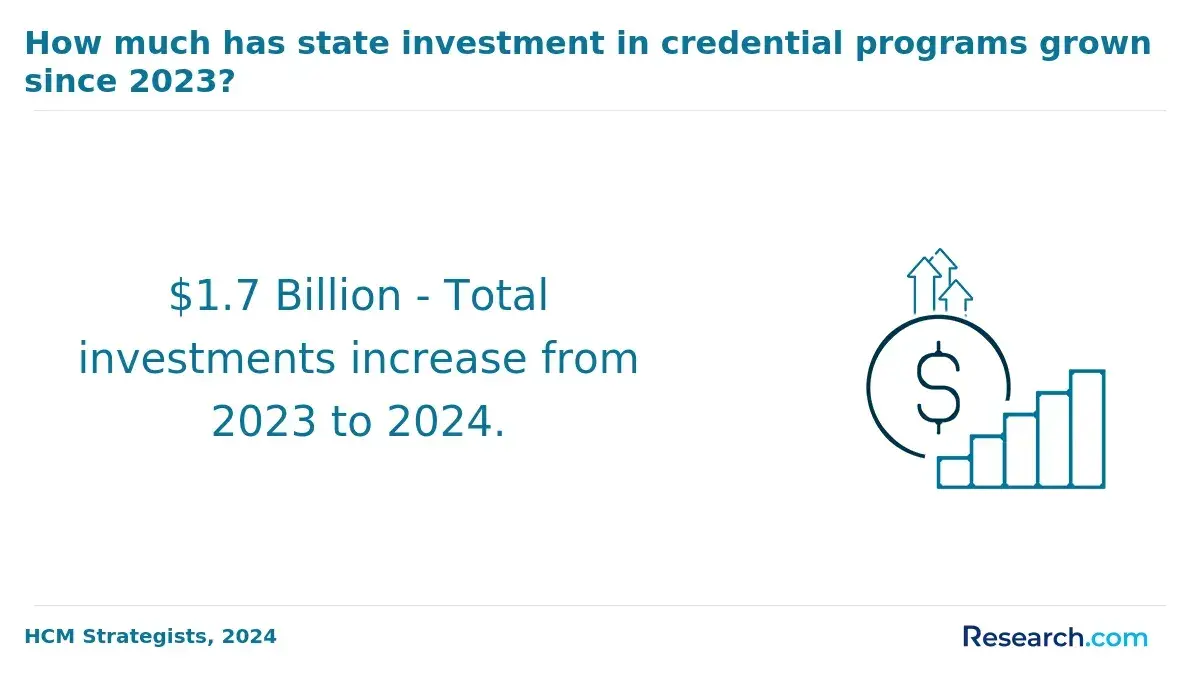
A prior learning assessment is a program-specific academic evaluation, not a promise made when you submit a résumé. Schools may review official transcripts, course descriptions, syllabi, grades, course age, accreditation, and equivalence to their own doctoral curriculum. A published maximum is a ceiling, not an award that every applicant receives.
To turn a general policy into a useful enrollment decision, follow this sequence:
- Collect graduate transcripts, syllabi, course descriptions, and documentation of any credential the program says it evaluates.
- Ask the doctoral program - not only central admissions - to identify which submitted learning can satisfy named degree requirements.
- Request a written degree plan showing remaining courses, institutional credit requirements, research or clinical milestones, and any evaluation or assessment fees.
- Compare that plan with a no-credit pathway to determine whether the award changes tuition, course sequencing, or expected completion time.
Be wary of a verbal promise that "your experience will count" without an explanation of the credit-awarding policy, academic level, and requirement it replaces. Dissertation work, candidacy, clinical training, and defenses may remain even after coursework is accepted.
Start with recognized institutional accreditation for the institution awarding the degree. Then check whether your intended occupation requires or strongly relies on specialized programmatic accreditation, state approval, or both. These questions are particularly important in psychology, nursing, social work, and education; requirements differ by profession and state.
Accreditation does not mean a different school must accept a course, nor does it guarantee that a transfer course will satisfy a doctoral requirement. Before enrolling, confirm the awarding school's current status, the program's status where relevant, and the rules of the licensing board or employer you hope to satisfy. A large credit offer is poor value if the resulting degree does not meet your professional objective.
Admission and credit evaluation are separate. Doctoral applicants normally need at least a completed bachelor's degree; many professional pathways require a relevant master's degree, experience, or an existing license. Research PhD programs may weigh research statements, faculty fit, writing samples, and prior methods training. Depending on the program, applications may also require recommendations, an interview, prerequisite courses, or a GRE or GMAT score. Check the current doctoral program policy rather than assuming a university-wide test waiver or GPA rule applies.
If a master's degree is required and you do not have one, compare the full educational sequence before looking for an accelerated doctorate. A shortest masters program may help you reach eligibility sooner, but its credits will not automatically shorten a later doctorate. Ask whether a prospective doctoral program requires a particular master's field or accepts a combined or direct-entry pathway.
Online coursework can reduce commuting, but it does not change the standard for awarding prior credit. Campus and online programs can both require scheduled seminars, adviser meetings, research activity, clinical placements, residencies, examinations, or an oral defense. Confirm the format of the entire remaining degree after your credit evaluation, not just the format of its first courses.
This comparison highlights commitments that can affect whether an accepted-credit pathway is workable.
| Format | Potential advantage | Commitment to verify |
| Online | Less routine travel for coursework | Live attendance, local placements, visits, and defense format |
| Hybrid or low-residency | Remote study with scheduled in-person work | Travel frequency, dates, and added expenses |
| Campus | Regular access to labs or research groups | Residence, scheduling, and assistantship expectations |
Students who relocate frequently can also compare online universities for military spouses, then check doctoral-level placement, residency, and state authorization rules individually. Online availability alone does not establish portability across states.
The relevant price is the cost of the degree you still must complete. Compare tuition for remaining credits, mandatory and program fees, travel for residencies, research or clinical expenses, and the income you may give up while studying. Ask whether accepted credit actually reduces billed credits; a waiver that requires replacement electives may not save tuition. Do not calculate savings from a transfer maximum before receiving a degree-specific evaluation.
Funding also changes the comparison. Some research PhD offers include assistantships, fellowships, stipends, or tuition remission, subject to their stated duration and conditions; do not assume every PhD is funded. Professional doctorates may rely more heavily on personal payment, employer assistance, or eligible financial aid. Compare written funding offers and total remaining costs, rather than choosing solely by published per-credit tuition.
Accepted coursework can shorten the course phase, but it may not shorten research or practice requirements. Time to completion depends on entry pathway, enrollment intensity, course sequencing, qualifying exams, adviser availability, proposal approval, data collection, clinical hours, and the final project or defense. Ask schools for an individualized plan that distinguishes the earliest possible finish from their usual completion pattern.
A search for the easiest PhD to get should not replace a review of actual research and dissertation requirements. A program with fewer courses can still require substantial original work. The avoidable mistake is treating a master's degree, short course terms, or a high transfer ceiling as proof of a short doctorate.
What Careers, Salaries, and Job Outlook Follow These Doctoral Degrees?
Career value depends on what the degree adds to qualifications you already have. A PhD can prepare you for specialized research, but faculty hiring may also depend on publications, teaching, research fit, and sometimes postdoctoral work. A DBA, EdD, DPA, or DrPH may support applied leadership goals without guaranteeing a promotion. DNP, PsyD, and other practice-oriented degrees must be evaluated alongside separate licensure, certification, and supervised-practice rules.
Use U.S. Bureau of Labor Statistics occupational wage and employment projections for your target occupation, not as a promised salary for graduates of a program. Wage figures cover workers with varied education and experience; some roles do not require a doctorate. Before enrolling, identify positions you want, check their actual requirements, and compare the doctorate's remaining cost and time with a master's degree, certification, or additional professional experience. The best credit offer is the one attached to a degree that advances a realistic goal.
Other Things You Should Know About
Not automatically. It may help you qualify for admission, but count it as degree credit only if the school documents a doctoral-level assessment policy and applies an award to your program.
Possibly. A program may offer a post-master's curriculum or accept equivalent graduate courses, but the degree itself does not guarantee advanced standing. Request a written evaluation.
Do not assume so. Ask the program which research or project milestones remain; course credit and approval to complete a culminating requirement are distinct.
Request a degree plan showing credits applied to named requirements, remaining tuition and fees, required visits or placements, funding conditions, and the steps still needed to graduate.
- School-Determined Requirements | 2024-2025 Federal Student Aid Handbook https://fsapartners.ed.gov/knowledge-center/fsa-handbook/2024-2025/vol1/ch1-school-determined-requirements
- Credit for Prior Learning - Ohio Department of Higher Education https://highered.ohio.gov/initiatives/access-acceleration/credit-for-prior-learning
- An Overview of Accreditation of Higher Education in the United States | Congress.gov | Library of Congress https://www.congress.gov/crs-product/R43826
- Accreditation in the U.S. | ed.gov http://www.ed.gov/laws-and-policy/higher-education-laws-and-policy/college-accreditation/accreditation-in-the-us
- Rule 3359-60-06.4 | Doctoral degree requirements. https://codes.ohio.gov/ohio-administrative-code/rule-3359-60-06.4
- Chapter 3: The Doctoral Degree | Undergraduate Admission https://www.k-state.edu/grad/student-success/graduate-handbook/chapter3.html
- SP 9-42 - Prior Learning Assessment Credit | Colorado Community College System https://cccs.edu/about/governance/policies-procedures/sp-9-42-prior-learning-assessment-credit/
- Transfer of Credit by Program: Doctoral - Section 4 | Academics at Walden University https://academics.waldenu.edu/handbook/transfer-credit-program/doctoral
- Credit for Prior Learning - Academic Catalog - CU Denver https://catalog.ucdenver.edu/cu-denver/graduate/records-registration/credit-for-prior-learning/
- Award of Credit by Prior Learning Assessment | UW Policies | Board of Regents https://www.wisconsin.edu/uw-policies/uw-system-administrative-policies/award-of-credit-by-prior-learning-assessment/