2027 Best PhD Programs With Low GPA Options

Co-Founder and Chief Data Scientist
A low GPA can make doctoral admissions feel uncertain, but it does not tell the whole story of your research potential. The National Center for Science and Engineering Statistics reports that U.S. institutions awarded 57,862 research doctorates in 2023, a reminder that doctoral study spans many disciplines and admissions models.
This guide is for applicants whose undergraduate record is weaker than their recent work. It explains which PhD fields to investigate, how to check actual GPA rules, and when a professional doctorate may be a better fit.
Key Things You Should Know
- A published 3.0 GPA minimum is not the same as a preferred GPA; ask whether exceptions, graduate-coursework review, or provisional admission apply to the specific PhD.
- For a research PhD, strong recent grades, research experience, and faculty fit may help explain an older low GPA, but none overrides a firm eligibility rule.
- DBA, EdD, DNP, and other professional doctorates may offer worthwhile alternatives, but they are not PhD programs and should be compared separately.
Top 10 Best PhD Programs With Low GPA Options
Business / DBA Programs
A business PhD prepares students for original research in areas such as management, accounting, or marketing. A Doctor of Business Administration (DBA) is generally oriented toward applied business problems; it is not a PhD substitute on a research-focused shortlist. If your GPA is low, examine whether a business PhD reviews later graduate grades and research preparation, and ask about adviser fit and funding. If your goal is solving problems in your current organization rather than pursuing sustained academic research, compare DBA requirements separately.
Education / EdD Programs
A PhD in education usually emphasizes research design and an original dissertation. A Doctor of Education (EdD) often emphasizes applying research to educational practice, although requirements vary. Applicants with a weak bachelor's GPA should ask which transcript the PhD committee weighs most and whether recent research or a master's thesis strengthens the application. An EdD may fit an experienced practitioner better, but do not assume its admissions rules are more lenient.
Educational Leadership Programs
Educational leadership PhDs can suit applicants studying school systems, higher education, or education policy. Committees may expect a clear research question and a faculty member whose work aligns with it. Educational leadership EdD programs serve a different, often practice-focused purpose. Neither degree alone grants a school-administrator credential: check your state's certification rules. If your GPA falls below a published minimum, confirm whether the PhD program permits an exception before investing in an application.
Psychology Programs
Psychology PhDs are often selective because research supervision and, in clinical programs, training placements are limited. A lower GPA makes evidence of research skills, relevant coursework, and faculty fit particularly important; it does not make an unpublished exception likely. A Doctor of Psychology (PsyD) is a distinct clinical pathway, not a low-GPA psychology PhD. For clinical practice, verify program accreditation, internship requirements, and state licensing rules before comparing admissions policies.
Nursing / DNP Programs
A nursing PhD is designed primarily for research, while a Doctor of Nursing Practice (DNP) generally emphasizes advanced practice or systems improvement. Many pathways require nursing preparation, and some require an active RN license; verify the specific entry route. If a recent nursing master's record is stronger than your undergraduate GPA, ask the PhD admissions office how both are assessed. A DNP may better match a clinical goal, but it is not evidence that a nursing PhD accepts low GPAs.
Public Health Programs
Public health PhDs focus on generating research in fields such as epidemiology or health policy. A Doctor of Public Health (DrPH) is a separate, typically practice-oriented degree. Applicants with uneven grades can strengthen a PhD application through quantitative coursework, research employment, or a well-matched proposal, depending on the discipline. First confirm any required statistics preparation and whether the program has a firm undergraduate or graduate GPA cutoff.
Computer Science Programs
Computer science PhDs typically depend on research-group capacity and preparation in areas such as algorithms, systems, or artificial intelligence. A portfolio of research code, publications, or substantial technical projects may provide context for older grades, but it cannot waive a stated minimum without an approved exception. Ask whether prospective advisers are accepting students and how the department evaluates graduate coursework. If your goal is primarily software employment, compare a master's degree or industry experience before committing to a research doctorate.
Cybersecurity Programs
Cybersecurity PhD work may sit within computer science, engineering, information systems, or policy. The department matters: technical research can require substantial mathematics and computing preparation, while policy research may emphasize different methods. Professional cybersecurity experience can help establish a research question but does not automatically compensate for missing prerequisites or a firm GPA cutoff. Check the exact degree awarded rather than assuming every cybersecurity doctorate is a PhD.
Social Work / Human Services Programs
A social work PhD usually prepares researchers studying services, policy, or interventions. A Doctor of Social Work (DSW) is a different, generally practice-focused credential. Some programs expect an MSW or relevant experience; requirements must be checked individually. A compelling practice background may inform your research interests, but ask whether the PhD considers recent graduate performance when an earlier GPA is low. For clinical social work, state licensure has requirements separate from either doctorate.
Public Administration / Public Policy Programs
Public administration and public policy PhDs may suit applicants interested in government, nonprofit, or policy research. A Doctor of Public Administration (DPA) is a separate professional doctorate. Methods preparation and faculty research fit can be more informative than an old GPA, but a published minimum still matters. If your goal is advancement in an existing public-service career rather than original research, compare the PhD with a relevant master's degree, professional experience, and DPA programs.
What Are the Best PhD Programs That Accept Low GPAs?
There is no defensible universal list: "low GPA" might mean below a preferred 3.0, below a firm minimum, or simply below the average admitted student's record. A program should be called a low-GPA option only after its current doctoral admissions policy confirms how your GPA can be considered. No individual PhD should be presented as accepting a particular GPA without that verification.
The comparison below identifies useful starting points by goal. It does not claim that every program in a field admits applicants below a stated threshold.
| Research goal | PhD field to investigate | Evidence that may strengthen an application |
| Study organizations or markets | Business | Research methods and a focused faculty match |
| Study learning or institutions | Education or educational leadership | Graduate research and a defined question |
| Study health or behavior | Public health, psychology, or nursing | Relevant methods and research experience |
| Develop new computing knowledge | Computer science or cybersecurity | Technical preparation and research projects |
| Evaluate services or policy | Social work or public policy | Research experience and substantive field knowledge |
Build a shortlist from faculty fit first, then obtain written confirmation of the GPA rule, available exceptions, funding, and whether the prospective adviser is recruiting. A strong program that cannot consider your application is not a practical option.
Yes, potentially, but it depends on the degree, the GPA being measured, and whether the stated threshold is mandatory. Some departments may weigh a later master's record, advanced coursework, research output, or an explanation of a documented interruption. Others cannot review an application below their minimum. An absence of a published cutoff does not establish that the program has no GPA standard.
If you are still completing a bachelor's degree, first establish eligibility for doctoral study. An easy bachelor degrees comparison is not a shortcut around PhD prerequisites: choose undergraduate preparation that builds the research and subject skills your intended field requires.
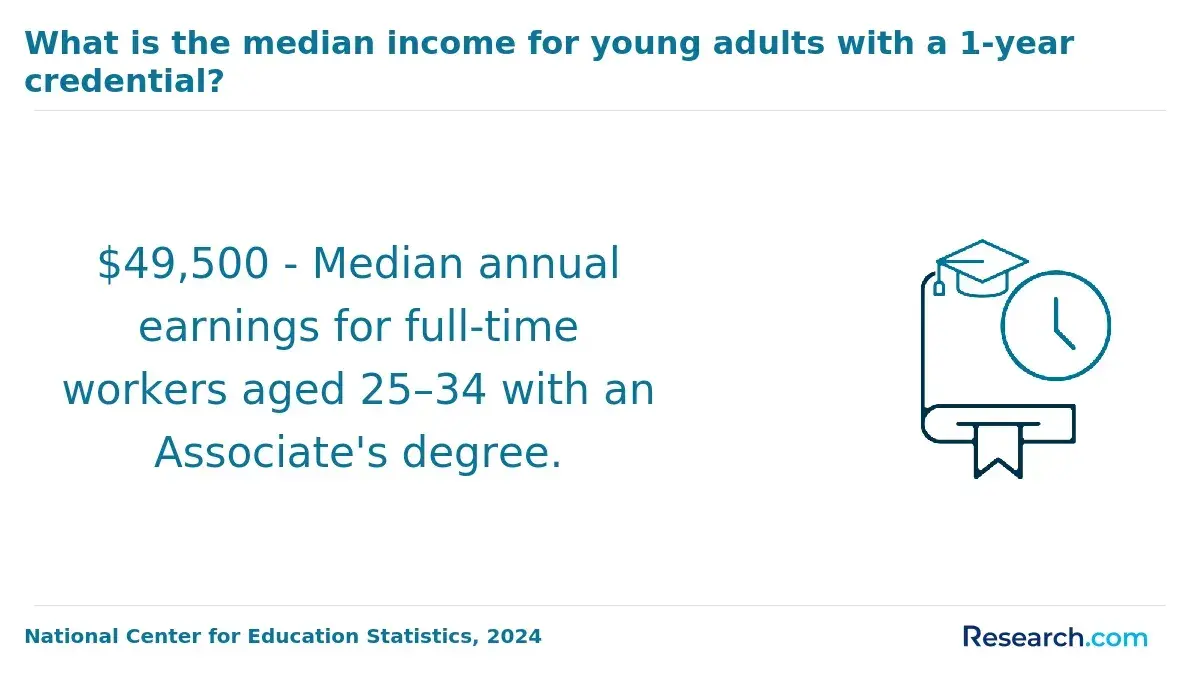
Requirements vary by program. Typically, applicants need an eligible bachelor's degree, transcripts, recommendations, a statement of purpose, and evidence of field preparation. Depending on the PhD, they may also need a master's degree, writing sample, research proposal, GRE or GMAT scores, an interview, or contact with a potential adviser.
Before paying an application fee, ask admissions and the department these specific questions:
- Is the GPA threshold a firm minimum, and does it apply to undergraduate, graduate, or both records?
- Are exceptions or provisional admission available for this PhD, and who approves them?
- Can recent coursework or a completed master's degree address weak earlier grades?
- Must I identify an adviser, and are faculty in my research area recruiting?
Explain a weak record briefly and factually; devote more of your statement to demonstrated improvement and a feasible research direction. Do not assume test-optional admission also means GPA-flexible admission.
Online coursework can reduce commuting, while campus study may offer more routine access to laboratories, archives, and research groups. Neither format changes the need for appropriate supervision or an original dissertation. Even an advertised online PhD may require scheduled seminars, residencies, research activity, or an in-person defense; confirm each requirement with the department.
Format and career fit should be assessed separately. Lists of online programs that pay well can help you explore alternatives, but they do not establish a PhD program's salary outcome or admissions flexibility.
A PhD normally combines advanced disciplinary coursework with research methods, supervised inquiry, and an original dissertation. Programs may require qualifying or comprehensive examinations, a dissertation proposal, candidacy approval, and an oral defense. Laboratory, clinical, fieldwork, or teaching obligations depend on the discipline.
For a low-GPA applicant, the curriculum is also an admissions check: identify prerequisites you lack and address them with strong, relevant coursework. Ask whether prior graduate courses can satisfy specific requirements; holding a master's degree does not automatically shorten the PhD.
PhD study commonly spans several years, but coursework length alone is a poor completion estimate. Research progress, adviser availability, data collection, candidacy, and dissertation approval can extend the timeline. Short online classes even offerings discussed alongside 5 week college courses online do not establish a short doctoral completion time.
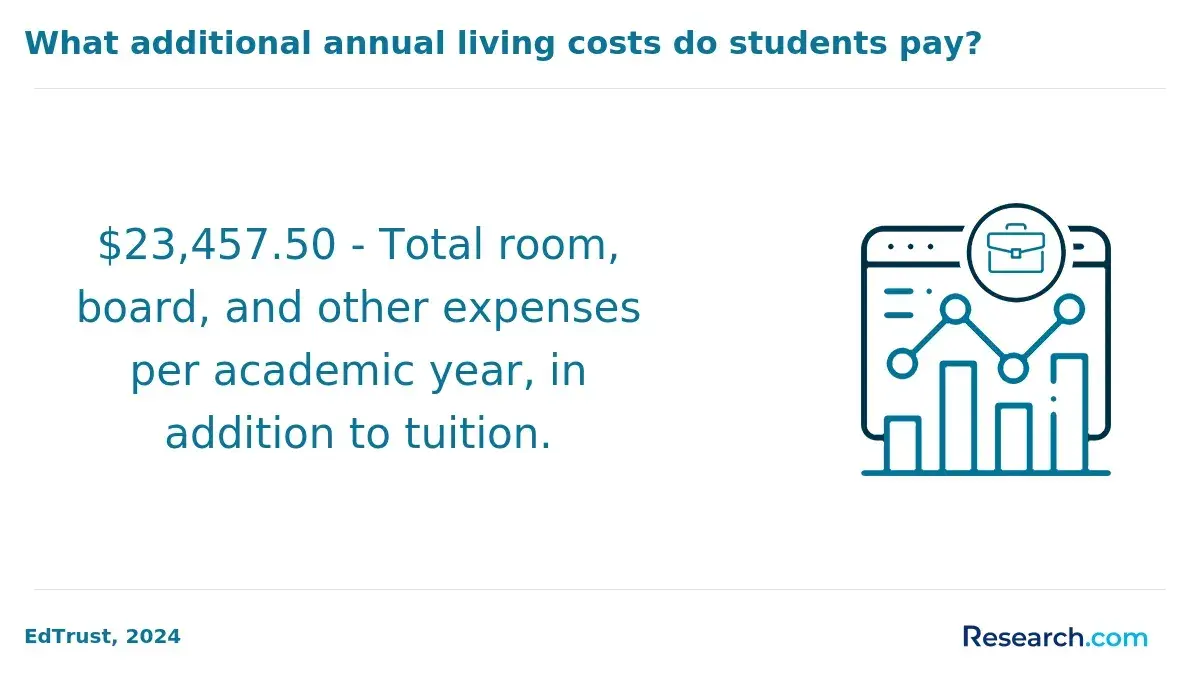
Compare each offer's tuition and mandatory fees after tuition remission, plus stipend, health-insurance support, summer funding, and the number of funded years. Ask what happens if the dissertation outlasts the funding offer. A low published tuition rate may cost more out of pocket than a higher-priced, funded PhD.
Depending on the field and your research, possibilities include university teaching, government or nonprofit research, laboratory work, and industry research. Some roles also require postdoctoral training, publications, a professional license, or substantial experience. A PhD does not guarantee a faculty appointment or promotion.
Start with the job you want: inspect actual role requirements, then compare the PhD with a master's degree, certification, or additional experience. Someone choosing among the most lucrative majors should not assume the same ranking predicts the return on a research doctorate.
Earnings depend more directly on occupation, field, location, experience, and employer than on the degree title alone. For context, the U.S. Bureau of Labor Statistics reported a median annual wage of $140,910 for computer and information research scientists in May 2024. That is an occupational median - not the expected salary of computer science PhD graduates - and employers' education requirements vary.
For a personal return-on-investment estimate, compare likely career opportunities with your funding offer, any borrowing, years of study, and earnings you would forgo. A doctorate can be valuable for research access even when a master's degree is the less costly route to a particular job.
How Can You Choose an Accredited PhD Program?
Confirm the university's institutional accreditation with a recognized accreditor, then check whether your intended licensed profession requires particular programmatic accreditation. Accreditation establishes an important baseline; it does not verify low-GPA admission, funding, or career outcomes.
Avoid three common mistakes: treating a preferred GPA as a guaranteed exception, relying on general graduate-school rules instead of the PhD's rules, and choosing on rankings without checking adviser fit. Request the current catalog requirements and admissions policy, speak with prospective faculty where appropriate, and compare written funding offers before enrolling.
Other Things You Should Know About
There is no universal cutoff. If your GPA is below a program's firm minimum, ask whether an approved exception exists; if none does, focus on other programs.
Strong graduate grades can demonstrate improvement, but each PhD decides how it evaluates both records. A master's degree does not automatically waive a cutoff or reduce degree requirements.
Contact an adviser about research fit if the program encourages it. Direct questions about minimums and exceptions to admissions staff or the graduate director, who can clarify the policy.
Not necessarily. DBA, EdD, DNP, and other professional doctorates have distinct purposes and their own admissions requirements. Choose one because it fits your goal, not because you assume it overlooks grades.
- Admissions Eligibility | Colorado Department of Higher Education Home https://cdhe.colorado.gov/admissions-eligibility
- School-Determined Requirements | 2024-2025 Federal Student Aid Handbook https://fsapartners.ed.gov/knowledge-center/fsa-handbook/2024-2025/vol1/ch1-school-determined-requirements
- Holistic Review in Applicant Selection: A Scoping Review - PMC https://pmc.ncbi.nlm.nih.gov/articles/PMC11776880/
- Graduate Admission Requirements | Cleveland State University https://www.csuohio.edu/international-admissions/graduate-admission-requirements-0
- Application Requirements - Graduate Admissions https://graduate.admissions.gwu.edu/application-requirements
- Holistic Admissions Toolkit - Indiana University Graduate School https://graduate.indiana.edu/faculty-staff-resources/holistic-admissions-toolkit/index.html
- Cost & Funding - Graduate School - University of Arkansas https://graduate-students.uark.edu/cost-and-funding/
- Funding FAQ | Graduate Division https://graduatedivision.ucmerced.edu/FAQ_Student_Funding
- How Are Fellowships Different from Assistantships? | Oregon State University https://graduate.oregonstate.edu/finance/graduate-fellowships-and-scholarships/how-are-fellowships-different-assistantships
- Provisional and Conditional Admission to the Graduate School | University of Louisiana at Lafayette https://louisiana.edu/graduateschool/admissions/after-you-apply/provisional-and-conditional-admission-graduate-school