2027 Best Professional Doctorate Programs With Evening Classes

Co-Founder and Chief Data Scientist
Finding a professional doctorate that fits around a full-time job takes more than spotting "flexible" on a program page. Evening coursework may still come with daytime clinical hours, campus visits, or fixed project meetings.
The stakes are significant: the U.S. Bureau of Labor Statistics reports a $93,600 median annual wage for registered nurses in 2024, but a DNP does not automatically increase that wage. This guide compares practice-focused doctoral fields and shows working professionals how to check schedules, requirements, costs, and career value before applying.
Key Things You Should Know
- Start with the schedule: Confirm that required doctoral courses - not just electives - meet in the evening, and ask whether that pattern continues through graduation.
- Check obligations outside class: Clinical placements, residencies, internships, and doctoral projects may require daytime or in-person work even when coursework meets at night.
- Match the degree to the goal: The Bureau of Labor Statistics reports a $133,080 median wage for software developers in 2024, but that occupation does not normally require a doctorate; compare the degree's added value with experience or a shorter credential.
Top 10 Best Professional Doctorate Programs With Evening Classes - Top Programs
Business / DBA Programs
A Doctor of Business Administration (DBA) suits experienced managers who want to investigate workplace problems through applied research. Scheduled evening seminars can work well for employed students, but project supervision and any required residencies need a separate calendar check. Compare programs by the relevance of their specializations, project expectations, total cost, and whether evening courses are available throughout the degree. An MBA or additional management experience may be a better investment if your goal does not require doctoral-level inquiry.
Education / EdD Programs
A Doctor of Education (EdD) commonly focuses on improving educational practice or systems. Evening classes may suit teachers and administrators, although school-based research and group work can still occur during business hours. Ask whether the program requires a dissertation, an applied inquiry project, or another culminating requirement - and whether you can complete it at your workplace. For research-intensive faculty goals, compare the EdD with a PhD in education rather than assuming they serve identical purposes.
Educational Leadership Programs
Educational leadership doctorates often award an EdD and emphasize organizational change, policy, or school improvement. They can fit employed educators when required seminars meet after school hours. Check the entire course sequence, not a sample term: cohort classes may run only once a year. If you seek a principal or superintendent credential, confirm state-specific certification rules separately. An EdD alone does not necessarily meet them, and an experienced educator may find a targeted certification pathway more direct.
Psychology Programs
A Doctor of Psychology (PsyD) may emphasize clinical practice, but evening lectures do not make clinical training an evening-only commitment. Practicum, internship, supervision, and licensure requirements can substantially limit scheduling flexibility. Before choosing a program, verify its accreditation, placement arrangements, and eligibility under the licensing rules of the state where you intend to practice. A nonclinical psychology doctorate serves a different purpose; do not assume its graduates qualify for psychologist licensure.
Nursing / DNP Programs
A Doctor of Nursing Practice (DNP) develops advanced clinical or systems-level nursing practice. Some coursework may be scheduled after work, but clinical hours and project activities depend on placement and supervisor availability. Entry routes differ for bachelor's-prepared and master's-prepared nurses, so compare the curriculum and timeline for your starting credential. If your goal is an advanced practice role, verify state licensure and certification eligibility; a DNP and a nursing PhD prepare students for different kinds of work.
Public Health Programs
A Doctor of Public Health (DrPH) generally emphasizes public health leadership and applied population-health work. Evening seminars may accommodate employed practitioners, while fieldwork, collaborative projects, or residencies may not. Compare programs by their practice partnerships, culminating project, and schedule for required courses. A Master of Public Health may be sufficient for many public health positions; choose a DrPH when its advanced leadership and applied inquiry requirements clearly support your next step.
Computer Science Programs
Practice-oriented doctorates in computing may use credentials such as the Doctor of Computer Science or Doctor of Science; the exact degree and purpose vary by institution. Look for applied technology projects rather than assuming a research PhD is equivalent. Evening classes can help employed technologists, but team projects and faculty meetings may have fixed daytime slots. Compare the doctorate with specialist experience or industry credentials, particularly if your target job does not require doctoral education.
Cybersecurity Programs
A professional doctorate in cybersecurity may focus on organizational risk, security leadership, or applied technical problems. The credential name and curriculum vary, so inspect the awarded degree and required project before applying. Evening courses can suit security professionals, but incident-response jobs have unpredictable hours that may conflict with fixed seminars. If your goal is a specific technical role, compare the doctorate's cost and time with relevant experience and professional certifications.
Social Work / Human Services Programs
A Doctor of Social Work (DSW) typically emphasizes advanced practice, leadership, or program improvement. Evening seminars may suit working social workers, but field-based projects and synchronous meetings still need planning. Confirm whether admission requires a social work master's degree, professional experience, or licensure. A DSW does not replace state licensing requirements. If your objective is primarily research or an academic research career, compare it with a social work PhD.
Public Administration / Public Policy Programs
A Doctor of Public Administration (DPA) and other practice-focused policy doctorates may serve experienced government or nonprofit professionals. Evening seminars can make continued employment possible, but applied policy projects may require access to organizations and stakeholders during working hours. Check whether the curriculum emphasizes implementation and leadership or original academic research. For many management roles, a relevant master's degree plus public-sector experience may be the more direct route.
What Are Professional Doctorate Programs With Evening Classes?
Professional doctorate programs with evening classes are practice-focused doctoral programs that schedule at least some required instruction outside conventional work hours. "Evening" describes a class schedule, not the delivery method or the availability of every requirement. The DBA, EdD, DNP, PsyD, DrPH, DSW, and DPA are possible degree types, but no credential guarantees evening study.
The best fit is the accredited program whose required schedule you can actually complete and whose training advances your goal. If you want to produce original academic research rather than solve an applied professional problem, compare a research doctorate, including options described as PhD online. A PhD is not interchangeable with a professional doctorate, regardless of when its classes meet.
Business, education, nursing, psychology, public health, social work, public administration, and some applied computing fields offer professional doctoral pathways. Evening availability is a program-level fact, not a degree-level feature: schools may schedule the same type of doctorate differently, and required courses may change from term to term.
Choose by the work you intend to do, then test the scheduling claim. Ask for the required-course sequence and recent or planned meeting times. If you need a narrower skill rather than advanced practice or leadership preparation, quick certifications may be worth comparing with a multi-year doctorate.
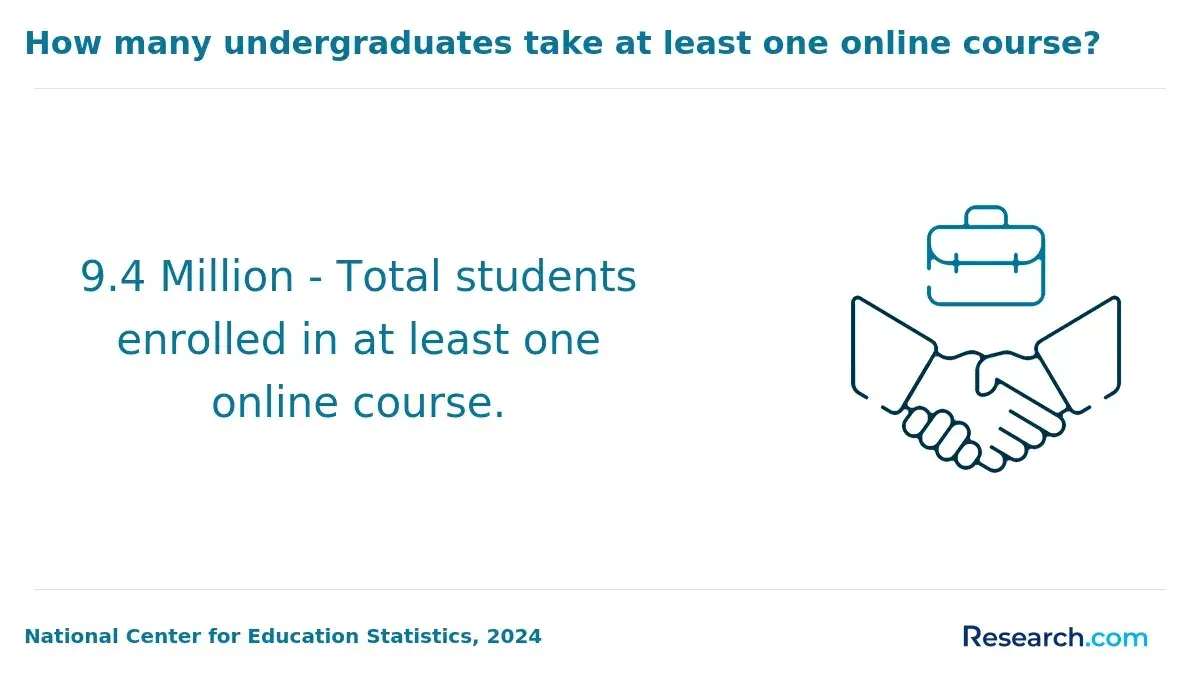
Evening doctoral classes can be online, on campus, or hybrid. A live online seminar at night still requires attendance at a set time; an asynchronous course may have no class meeting but can retain fixed deadlines. Neither format guarantees that projects, clinical work, or examinations fit an evening schedule.
The distinctions below help identify which format questions to ask before you commit.
| Format | Potential advantage | Scheduling constraint to check |
| Live online evenings | No routine classroom commute | Required attendance, time zone, and meeting frequency |
| Campus evenings | In-person access to classmates and faculty | Commute and any daytime campus requirements |
| Hybrid | Mix of remote work and in-person activities | Residency dates and travel costs |
| Asynchronous online | Greater choice of study hours | Fixed deadlines and scheduled project or faculty meetings |
Ask whether the published format covers the whole degree, including any orientation, residency, practicum, internship, clinical placement, examination, and defense.
Start with institutional accreditation recognized by the U.S. Department of Education. Then check programmatic accreditation where it affects your goal. For example, psychology applicants pursuing licensure should investigate American Psychological Association accreditation and their intended state's rules; DNP applicants should check the nursing program's relevant accreditation and certification eligibility.
Accreditation alone does not prove that an evening program meets a particular state's licensing or educator-certification requirements. Check with the state board before enrolling, especially if you will study across state lines. A program that cannot clearly explain its accreditation or required placements is a red flag.
Professional doctorate applicants generally need at least a bachelor's degree; many programs require a relevant master's degree, professional experience, a license, or a combination of these. Requirements vary by credential and entry route. A post-master's DNP applicant, for example, may face different prerequisites from a bachelor's-prepared nurse.
Expect schools to evaluate prior coursework, a statement of purpose, recommendations, and evidence that your professional goal fits the curriculum. Some also request writing samples, interviews, or standardized tests. Confirm requirements with the doctoral program rather than relying on a university-wide graduate admissions page, and ask whether any eligible graduate coursework can satisfy specific degree requirements.
Most professional doctorates combine advanced field coursework, methods for evaluating evidence, and a substantial culminating requirement. The work differs by field: a DBA student might study organizational decision-making, while a DNP student may examine clinical quality improvement. A project or capstone is not an absence of doctoral-level work.
Request a degree plan showing required courses, electives, prerequisites, examinations, placements, and the final project or dissertation. That document reveals both academic fit and whether a required course or project activity creates a daytime conflict.
Evening professional doctorates generally take multiple years, but there is no reliable completion time based on class hours alone. Entry pathway, enrollment intensity, course rotation, approved graduate credit, clinical requirements, project approval, and faculty availability all matter. A qualifying master's degree does not automatically shorten a doctorate.
Be skeptical of timelines that describe only coursework. Even searches for 1 year PhD programs online no dissertation do not establish that a practice-oriented doctorate - or a PhD - can be completed in a year. Ask admissions for the expected time to finish every requirement for someone with your credentials and work schedule.
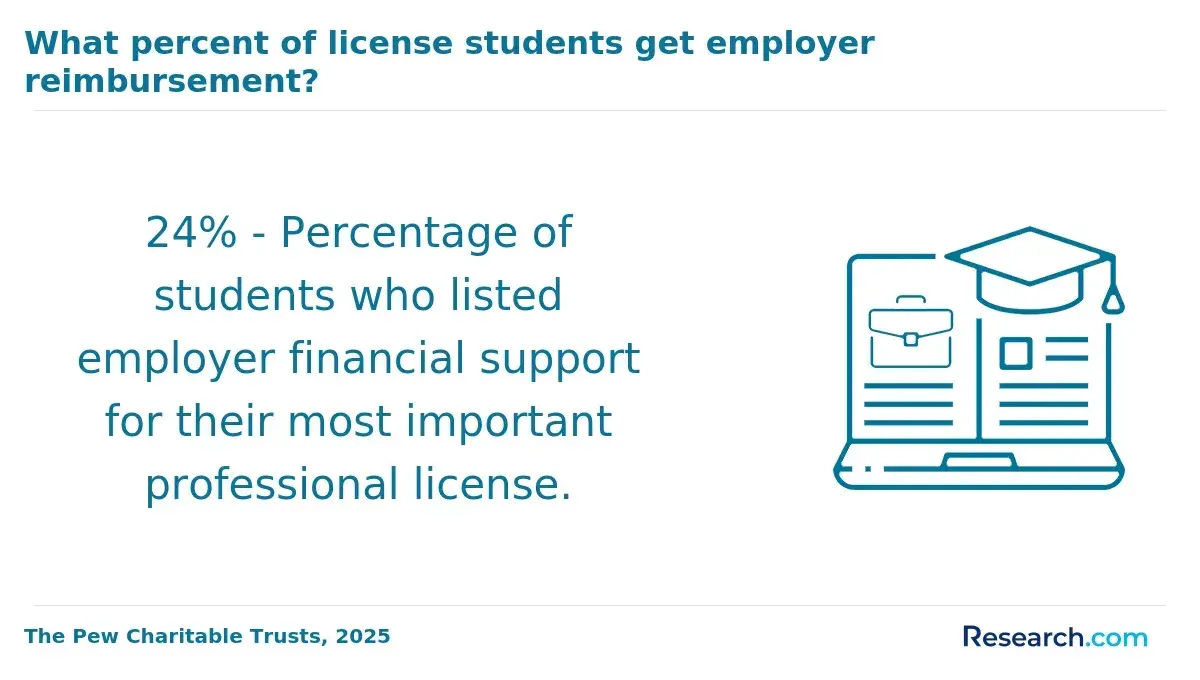
Total cost depends on required credits, tuition and mandatory fees, time to completion, travel, books or technology, and any unpaid clinical or project time. Compare a written estimate for the entire degree, not a per-credit figure. Ask whether tuition changes by residency status and whether scholarships, employer assistance, or other aid apply to your exact doctoral pathway.
Many professional doctorate students continue working, making predictable scheduling financially valuable. Still, lost work hours and additional terms can outweigh a modest tuition difference. If your career goal is achievable without doctoral study, compare the total commitment with cheapest masters online options before borrowing.
What Careers and Salaries Do Professional Doctorate Graduates Earn?
Professional doctorates can support advanced practice, organizational leadership, or specialized work, but a degree alone does not secure a promotion, license, or higher salary. Experience, employer requirements, state rules, and the role itself remain decisive. Bureau of Labor Statistics wages describe occupations, not earnings caused by a doctorate.
These national wage figures illustrate why career fit matters: neither listed occupation ordinarily requires a professional doctorate for entry.
| Occupation | U.S. median annual wage, 2024 | Doctoral decision |
| Registered nurses | $93,600 | Compare a DNP with the specific advanced practice or leadership role you seek; additional credentials may be required. |
| Software developers | $133,080 | Check whether a computing doctorate adds value beyond technical experience for your target role. |
Before applying, identify the job or scope of practice you want, review its actual qualifications, and ask prospective programs for outcomes relevant to that goal. Treat claims that evening study will produce a particular salary as a red flag.
Other Things You Should Know About
Possibly, but do not assume so. Ask whether every required course meets in the evening and whether clinical work, residencies, meetings, or project activities require other hours.
No. Class timing and permitted enrollment load are separate policies. Confirm that the program officially allows a part-time pathway if you need one.
Choose the credential that matches your career goal and has a documented schedule you can sustain. A DBA, EdD, or DPA may fit some experienced professionals; clinical degrees require closer scrutiny of placements.
Not automatically. Verify the program's accreditation, clinical or supervised-training requirements, and eligibility with the licensing board in the state where you plan to practice.
- Distance Education Resources | Texas Higher Education Coordinating Board https://www.highered.texas.gov/new-program-development/distance-education-resources/
- Certification Procedures - Questions and Answers http://www.ed.gov/laws-and-policy/higher-education-laws-and-policy/certification-procedures-questions-and-answers
- Estimate your college cost | USAGov https://www.usa.gov/estimate-college-cost
- Partnering with Students to Develop a Capstone for a... - PMC https://pmc.ncbi.nlm.nih.gov/articles/PMC11732519/
- Admission Requirements https://graduate.appstate.edu/graduate-admissions/apply-graduate-school/application-requirements
- Doctoral Tuition - Section 5: Tuition and Fees | Academics at Walden University https://academics.waldenu.edu/handbook/tuition/doctoral
- 4.1.21 Instructional Modalities and Distance Education | Illinois State https://policy.illinoisstate.edu/academic/4-1-21
- Cost of Attendance | College of Southern Nevada https://www.csn.edu/financial-aid/cost-of-attendance