2027 Best Doctorate Degrees With Subscription Tuition

Co-Founder and Chief Data Scientist
A flat tuition rate per term can make a doctorate easier to budget—but only if the rate applies to the doctoral program and covers the time needed to finish its research or clinical requirements. The stakes extend beyond tuition: the U.S. Bureau of Labor Statistics reports a $140,910 median annual wage for computer and information research scientists in 2024, but a doctorate does not guarantee that job or salary.
This guide helps prospective students compare doctoral fields, recognize unverified subscription claims, and ask the questions that reveal the likely total cost.
Key Things You Should Know
- Verify the degree, not just the school: A university's flat-rate undergraduate or master's tuition does not establish subscription pricing for its doctorates.
- Compare time as well as price: Paying for 4 terms costs twice as much as paying for 2 at the same term rate, before fees; research or clinical delays can change that calculation.
- There is no verified field-wide winner: The 10 doctoral fields below are comparison starting points, not a ranking of confirmed subscription-tuition programs.
Top 10 Best Doctorate Degrees With Subscription Tuition - Top 10 Doctorates
Business / DBA Programs
A Doctor of Business Administration (DBA) generally emphasizes applied research and organizational problems rather than the academic research focus typical of a business PhD. It can suit experienced managers seeking a structured inquiry into their workplace; an MBA or additional management experience may be more useful for someone seeking a near-term promotion. Ask whether any advertised term rate applies to DBA dissertation or doctoral-project enrollment, not just courses. Continued enrollment while a proposal awaits approval could add billed terms. Do not treat a school's subscription-priced MBA as evidence that its DBA uses the same model.
Education / EdD Programs
A Doctor of Education (EdD) usually focuses on improving educational practice through research or an applied project. An education PhD is often a better match for someone whose main goal is original scholarly research. For an EdD, compare the term rate with the scheduled sequence of methods courses, project milestones, and any required residencies. A predictable course pace does not make project approval predictable. Confirm that doctoral project terms retain the advertised subscription rate and whether school-district tuition assistance can be used.
Educational Leadership Programs
Educational leadership doctorates may be EdD or PhD degrees, so compare the actual credential and curriculum rather than the concentration name. An EdD may fit a working administrator pursuing practice-based change; a PhD may better fit a research goal. A leadership doctorate alone does not confer principal or superintendent certification: state requirements may include prior licensure and experience. Check whether the doctoral subscription rate covers field-based work, leadership internships, and extended project enrollment before comparing it with conventional tuition.
Psychology Programs
Psychology doctorates include research-oriented PhDs and practice-oriented PsyDs; their career and licensing implications differ substantially. Prospective clinicians should verify programmatic accreditation, supervised training, and the requirements of the state where they intend to practice. Online coursework does not eliminate clinical placements. If a PsyD is advertised with a flat term price, ask whether dissertation, practicum, internship, and continuation terms use that price. Compare the resulting total with funded PhD offers, where tuition remission may matter more than published tuition.
Nursing / DNP Programs
A Doctor of Nursing Practice (DNP) emphasizes advanced nursing practice and commonly culminates in a practice-focused scholarly project; a nursing PhD emphasizes research. Entry routes may differ for nurses with a bachelor's or master's degree. Existing licensure, clinical experience, and supervised practice requirements can affect eligibility and scheduling. A term-based price is useful only after the school confirms its doctoral applicability and explains how clinical placement, project, and continuation terms are billed. The DNP itself does not replace state advanced-practice licensure requirements.
Public Health Programs
A Doctor of Public Health (DrPH) generally centers on public health leadership and applied practice, while a public health PhD typically emphasizes original research. Applicants should compare professional experience requirements, practice components, and culminating projects. A subscription could favor a student able to maintain steady progress, but a placement or project dependent on an outside organization may extend enrollment. Confirm whether a published flat rate belongs to the DrPH or only to a related public health master's program.
Computer Science Programs
A computer science PhD is generally a research doctorate requiring faculty fit, original work, and a dissertation. Someone seeking an industry software role may gain more from experience or a master's degree. Before pursuing a subscription-priced option, compare its likely total cost with offers that include assistantships, stipends, and tuition remission. Verify that the rate covers research enrollment and that the program permits the intended online or part-time pathway; neither follows automatically from online course availability.
Cybersecurity Programs
Cybersecurity doctorates may be research-focused PhDs or applied professional degrees. The better fit depends on whether the goal is original security research, advanced professional practice, or leadership. Many cybersecurity jobs do not require a doctorate, so weigh the degree against relevant experience and credentials. If comparing subscription tuition, obtain the doctoral rate, required enrollment periods, research expectations, and any in-person obligations in writing. A flat-priced cybersecurity master's degree does not establish the same pricing for a doctorate.
Social Work / Human Services Programs
A Doctor of Social Work (DSW) often emphasizes advanced practice, teaching, or organizational change; a social work PhD is generally more research-oriented. Human services doctorates may have different professional aims and do not automatically qualify graduates for social work licensure. Compare required prior degrees and licenses, fieldwork, and the culminating project. Ask whether a subscription remains available through project revisions and whether required activities can be completed locally. For clinical practice, check state rules separately from the university's degree description.
Public Administration / Public Policy Programs
A Doctor of Public Administration (DPA) commonly emphasizes applied public-sector leadership, while a public policy or public administration PhD generally centers on research. Experienced public servants might use an applied doctorate to study a policy or organizational problem, but a master's degree plus experience may be sufficient for many management roles. Compare doctoral research requirements, employer assistance, and the number of billed terms. Do not assume a flat-rate policy for the school's MPA also covers its DPA or PhD.
What are subscription-tuition doctorate degrees, and how do they work?
Subscription tuition means a school charges an eligible student a stated amount for a defined enrollment period rather than billing each course or credit separately. The definition alone says nothing about whether fees are included, how much work may be completed per term, or whether doctoral research enrollment qualifies. At the doctoral level, those details determine whether the model saves money.
These billing structures can look similar in an advertisement but create different costs when a doctoral project runs long:
| Billing structure | What determines the tuition bill | Doctoral cost risk |
| Subscription or flat rate per period | Number of eligible billing periods | Additional dissertation, project, or clinical terms |
| Per-credit tuition | Credits billed, subject to school policies | Extra credits or separate continuation charges |
| Funded doctoral offer | Published charges minus documented funding | Fees, funding conditions, or years beyond the award |
A term rate is not proof of self-paced study. Doctoral milestones, faculty supervision, and clinical schedules can remain fixed even when tuition is flat.
Accredited institutions award doctorates across the fields above, but institutional accreditation does not verify a subscription-tuition policy. No named doctorate in this guide is represented as a confirmed subscription-priced program. That distinction matters: a university may publish flat-rate pricing for another degree level while charging doctoral students by credit or under a separate schedule.
For any candidate program, check the official doctoral tuition schedule and catalog for the exact degree, academic year, enrollment status, and research or continuation stage. In regulated fields, also check the relevant programmatic accreditation and state licensing rules. An accredited institution, an appropriately accredited professional program, and a verified doctoral billing model are separate findings.
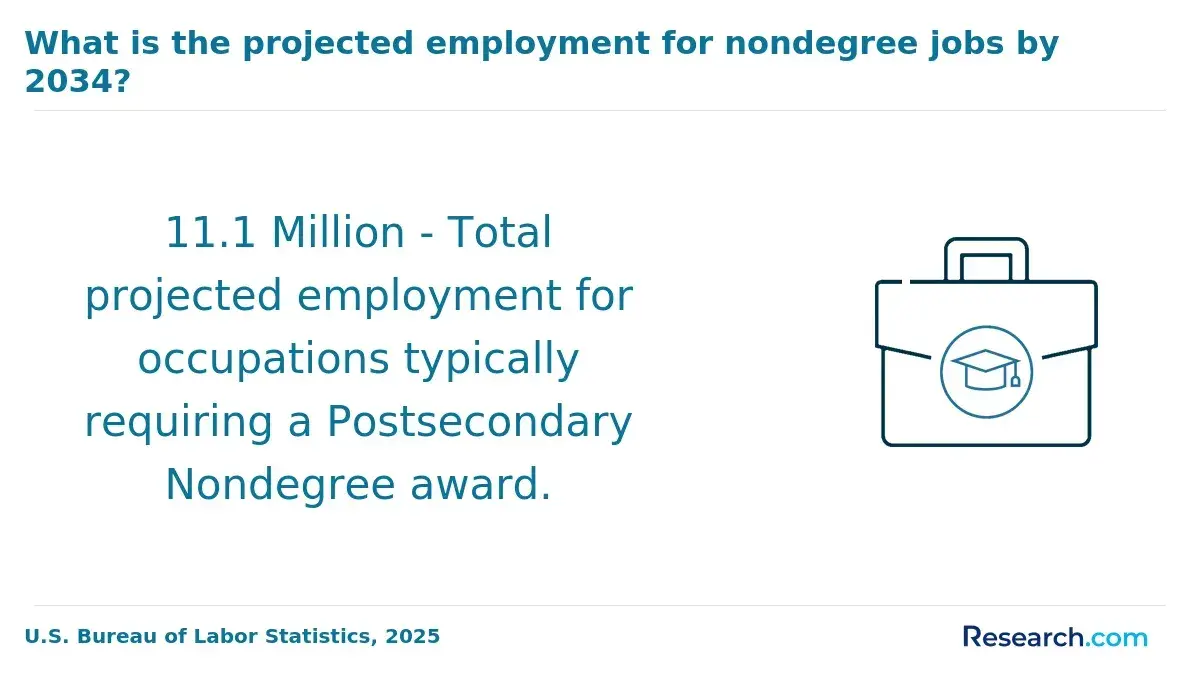
The likely tuition cost of a verified subscription-priced doctorate is the rate per billing period multiplied by the periods you expect to pay for. Add mandatory fees, required visits, clinical travel, research expenses, and any differently priced continuation terms. An advertised term rate is therefore not a reliable total-program price on its own.
To compare a subscription with per-credit tuition or a funded offer, use the same assumptions for required work and likely completion time:
- Request the official doctoral rate and identify what it includes, the maximum allowable course load, and whether rates may change.
- Map coursework, examinations, research, clinical work, and the final project onto expected billing periods; price a reasonable delay scenario as well.
- Subtract only funding or employer assistance for which you are eligible, then add fees and other required expenses.
If the school cannot document doctoral-level subscription pricing, compare its published conventional charges instead. A cheap doctorate degree online may have a lower total cost without using a subscription model.
Online coursework is available in various professional and research doctoral fields, but online delivery and subscription tuition are independent features. An online doctorate qualifies for this comparison only when the school explicitly applies its periodic flat rate to that doctoral program. The field name—or an online label—is not enough to establish either its price or its ability to be completed remotely.
Ask whether attendance is asynchronous or scheduled and whether residencies, labs, local clinical placements, internships, oral examinations, or defenses require in-person participation. In particular, a remote classroom cannot substitute for supervised practice required by a nursing or psychology program. Choose the format that supports the actual degree requirements, not merely the most convenient course advertisement.
Admissions requirements depend on the credential. Many professional doctorates expect a relevant master's degree, professional experience, or an existing license; some doctoral pathways admit qualified bachelor's degree holders. Research PhDs may place particular weight on preparation in research methods, a statement of purpose, and fit with potential faculty advisers. Programs may also request transcripts, recommendations, writing samples, interviews, or field-specific prerequisites.
Subscription billing does not make doctoral admission open or automatic. Check the program's own entry requirements and whether its quoted timeline assumes a particular prior degree. Applicants still completing undergraduate education need to finish an eligible degree first; a guide to the easiest online bachelor degree options may help identify a starting point, but it cannot establish admission to a particular doctorate.
Doctorates typically combine advanced coursework with a substantial culminating requirement, but that requirement varies. A PhD commonly involves original research and a dissertation; a DBA or EdD may require applied research; a DNP commonly includes a practice-focused project. Programs may also require methods courses, comprehensive examinations, proposal approval, clinical hours, or an oral defense.
These requirements are central to subscription cost because they can continue after scheduled classes end. Ask which milestones require enrollment, what faculty approval is needed to progress, and whether project or dissertation terms carry the same rate. A claim that a doctorate has "no dissertation" should be checked against its official culminating requirements—not interpreted as an absence of doctoral-level scholarly work.
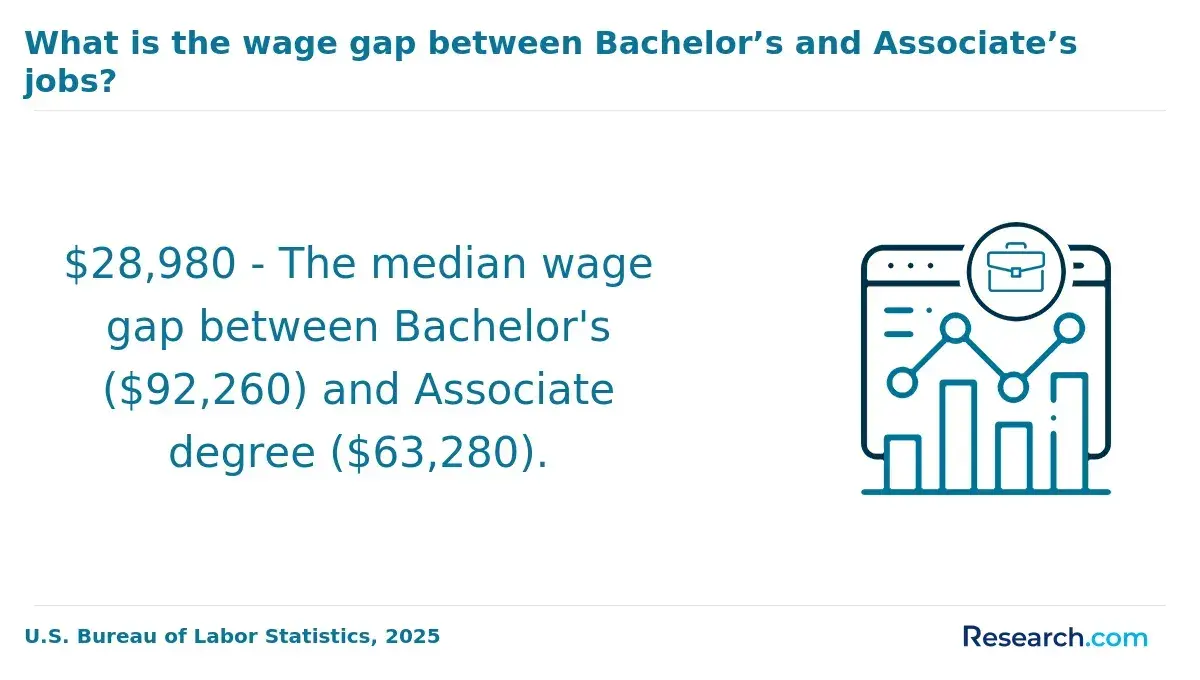
There is no dependable completion time for subscription doctorates as a group. Previous graduate preparation, course sequencing, enrollment intensity, adviser availability, research approval, data collection, and clinical placements all affect the finish date. Faster coursework may reduce billed terms, but it cannot ensure that a dissertation or project will finish on the same schedule.
Request both the program's published completion guidance and its rules for maximum enrollment, breaks, and continuation charges. Ask current students or program staff how progression works after coursework, while treating individual experiences as examples rather than guarantees.
If the immediate goal is job preparation rather than doctoral-level practice or research, short certificate programs that pay well online may be a quicker alternative in suitable fields; they do not replace a credential required for licensure.
Doctoral career outcomes depend on the field and the job's other requirements. PhDs can support research careers; professional doctorates can support advanced practice, teaching, or applied leadership. None independently guarantees a faculty appointment, executive role, professional license, or pay increase. The BLS wage figure cited earlier describes an occupation—not the earnings of graduates from a computer science doctorate.
Before paying subscription tuition, identify jobs you actually want and check whether employers require a doctorate, prefer one, or principally value experience. Compare the likely incremental benefit with a master's degree, licensure, or relevant certificate programs. That comparison is especially important if the doctorate would be largely self-funded or require time away from work.
How can students choose a reputable subscription-tuition doctorate program?
A reputable choice must meet two tests: the doctorate fits your career or research goal, and its doctoral-level subscription terms are documented. Do not rely on a school-wide pricing slogan, a third-party ranking, or the assumption that fewer course terms mean fewer research terms.
Use these checks before applying or paying a deposit:
- Confirm institutional accreditation, the exact awarded degree, and any programmatic accreditation or state approval needed for your intended profession.
- Obtain the official doctoral tuition and fee schedule; ask how coursework, dissertation or project enrollment, leaves, and additional terms are billed.
- Request a written degree plan showing entry prerequisites, remaining requirements, in-person activities, and a realistic progression schedule.
- Compare the likely total cost with documented assistantships, tuition remission, scholarships, and employer support—not just another school's advertised term rate.
- For a PhD, discuss research fit, supervision, and funding conditions with the department; for a licensed profession, confirm eligibility with the relevant state board.
Walking away from an unverifiable flat-rate claim is better than committing to a doctoral bill whose most expensive stages are unclear.
Other Things You Should Know About
No. A flat billing rate does not remove course deadlines, faculty approvals, clinical schedules, or dissertation milestones.
It can if the doctoral rate is verified and you complete the requirements within relatively few billed periods. Extra terms and fees can erase the advantage.
No. Check the specific doctorate for residencies, labs, clinical placements, examinations, and defenses.
Request the official doctoral tuition schedule and a degree plan that identifies how every required course, project, clinical, and continuation period is billed.
- Measuring Student Success In IPEDS: Graduation Rates (GR), Graduation Rates 200% (GR200), And Outcome Measures (OM) https://nces.ed.gov/ipeds/use-the-data/measuring-student-success-in-ipeds
- Your financial path to graduation | consumerfinance.gov https://www.consumerfinance.gov/paying-for-college/your-financial-path-to-graduation/
- Cost of Attendance (Budget) | 2025-2026 Federal Student Aid Handbook https://fsapartners.ed.gov/knowledge-center/fsa-handbook/2025-2026/vol3/ch2-cost-attendance-budget
- Cost of Attendance | Office of Student Financial Aid https://financialaid.umd.edu/resources-policies/cost-attendance
- How the PhD Program Works - Doctoral https://doctoral.wharton.upenn.edu/overview/degree-requirements/
- Eligibility and Requirements | kumc.edu https://www.kumc.edu/school-of-health-professions/academics/departments/physical-therapy-rehabilitation-science-and-athletic-training/academics/doctor-of-physical-therapy-on-campus-pathway/eligibility-and-requirements.html
- Doctoral Learning and Resources - Section 7. Learning Modalities and Resources - Academics at Walden University https://academics.waldenu.edu/handbook/learning-modalities/doctoral-research-resources
- Degree requirements for Ph.D. students - Graduate School https://gradschool.wayne.edu/students/phd/requirements
- Doctoral Degree Requirements | Graduate School Handbook https://handbook.unc.edu/phd.html