2027 Best Doctorate Degrees With No GPA Requirement

Co-Founder and Chief Data Scientist
A low undergraduate GPA can make doctoral applications feel out of reach, but it does not tell you which programs will consider your full record. This guide compares 10 doctoral fields, explains what "no GPA requirement" must mean in an actual admissions policy, and shows you how to check eligibility before applying. The stakes can be substantial: the U.S. Bureau of Labor Statistics (BLS) reports a $140,910 median annual wage for computer and information research scientists in 2024. That is an occupational figure, not a promise of earnings from a doctorate - making career fit as important as admissions flexibility.
Key Things You Should Know
- "No published minimum GPA" is not the same as a verified no-GPA admissions policy; check the specific doctorate and graduate-school rules.
- The 10 fields below are options to investigate, not a list of programs confirmed to waive GPA requirements. A strong recent academic or professional record may help, but admission remains selective.
- Compare the full degree—not just the cutoff—including accreditation, prerequisites, funding, required research or clinical work, and total cost.
Top 10 Best Doctorate Degrees With No GPA Requirement - Best Doctorates
Business / DBA Programs
A Doctor of Business Administration (DBA) usually emphasizes applied research for experienced managers. It may make sense if you want to investigate problems in your organization; an MBA or additional management experience may be a better investment if you mainly want a promotion. If your GPA is weak, ask whether the DBA considers professional accomplishments, a recent master's degree, and an interview—and whether its graduate school imposes a separate minimum. Do not assume a program has no cutoff because its webpage omits one.
Education / EdD Programs
A Doctor of Education (EdD) commonly focuses on improving educational practice through research or an applied project. A PhD in education generally places greater emphasis on original research and faculty fit. Applicants with uneven grades can ask whether recent graduate coursework and school-based leadership experience receive particular weight. Check both program and graduate-school GPA policies, as well as any required educator credentials. An EdD does not automatically confer a teaching or administrator license.
Educational Leadership Programs
Educational leadership doctorates may award an EdD or PhD, with different expectations for practice and research. They suit applicants pursuing school-system or higher-education leadership questions, but experience and state credentials often matter more than the doctorate alone for specific jobs. Ask whether the program requires a master's degree, current leadership employment, or an administrator license. Verify its doctoral admissions policy directly; flexible review of professional experience does not establish that there is no GPA cutoff.
Psychology Programs
Psychology doctorates include research-focused PhDs and practice-oriented PsyDs. Neither should be treated as an easier-admission substitute for the other: clinical programs may require extensive preparation, and research PhDs often assess faculty fit and research experience. If licensure is your goal, check the program's accreditation and your intended state's educational and supervised-practice rules before applying. Confirm any GPA policy with the specific doctoral program; an unpublished cutoff is not evidence of a waiver.
Nursing / DNP Programs
A Doctor of Nursing Practice (DNP) emphasizes advanced nursing practice and often includes clinical work and a scholarly project. Entry routes differ for bachelor's- and master's-prepared nurses, and an active RN license or specialty preparation may be required. A nursing PhD is a different, research-centered route. Applicants concerned about GPA should ask which academic record is reviewed and whether the nursing school has a stricter standard than the university. Check specialty certification and state practice rules separately.
Public Health Programs
A Doctor of Public Health (DrPH) generally prepares experienced professionals for applied public health leadership; a public health PhD emphasizes original research. Programs may weigh quantitative preparation, professional experience, and a statement of purpose alongside grades. Ask whether a relevant master's degree is required and whether either the graduate school or department sets a GPA minimum. Choose the research route for a research-intensive goal and the practice route when its curriculum better matches your work.
Computer Science Programs
A computer science PhD centers on original research, so faculty interests, research preparation, and adviser availability can be decisive. Some doctoral routes admit applicants after a bachelor's degree; others expect graduate preparation. A weak GPA does not eliminate the need to demonstrate mathematical and computing readiness. Check published GPA rules with both the department and graduate school, and ask about research-assistant funding. A master's degree or industry experience may be more appropriate if your goal does not require doctoral research.
Cybersecurity Programs
Cybersecurity doctorates may emphasize original computing research or applied organizational security problems; the credential and curriculum determine which. Before considering admissions flexibility, check required technical preparation, research supervision, and whether your desired role actually calls for a doctorate. Security experience or certifications may be more directly useful for many practitioner roles. Request the exact doctoral GPA policy rather than relying on a university-wide description, and verify whether online study includes scheduled research meetings or campus requirements.
Social Work / Human Services Programs
A Doctor of Social Work (DSW) often serves experienced practitioners pursuing advanced practice, teaching, or organizational change; a social work PhD generally prioritizes research. Human services doctorates can have different purposes and entry rules. Ask whether a master's degree, practice experience, or clinical license is required and whether recent graduate performance can offset older grades. A doctorate does not replace state social-work licensing requirements, and professional experience alone does not prove that a program waives GPA standards.
Public Administration / Public Policy Programs
A Doctor of Public Administration (DPA) commonly addresses applied governance and management problems, while a public policy or administration PhD typically emphasizes research methods and original scholarship. Compare these with a master's in public administration and additional policy experience before committing to doctoral study. Applicants with low GPAs should ask which transcripts are assessed and whether writing, quantitative preparation, and public-service experience can strengthen the application. Confirm any claimed absence of a GPA cutoff at the doctoral-program level.
What Does No GPA Requirement Mean for Doctoral Programs?
"No GPA requirement" should mean that the applicable doctoral admissions rules do not prescribe a minimum GPA for eligibility. It does not mean transcripts are ignored or admission is automatic. A department may use holistic review while its graduate school still requires a minimum, or it may consider grades without publishing a numerical cutoff. Neither situation should be advertised as a confirmed no-GPA program without clarification from admissions.
Ask for the policy covering your entry route and application term in writing. For a research PhD, a compelling proposal and faculty fit can matter greatly, but they do not override an applicable eligibility rule. If you need to rebuild your academic record before applying, accelerated online degrees may be relevant when you have not yet completed the bachelor's degree required for standard doctoral entry.
No doctoral field can be reliably labeled "no GPA requirement" as a whole. The 10 fields above contain different degree types, institutions, and admissions pathways. Without a verified policy for a named doctoral program, they are fields to investigate—not confirmed examples of GPA-free admission.
The distinction between a research doctorate and a professional doctorate can narrow your search. This comparison shows what each path tends to evaluate beyond grades; individual program rules still control.
| Doctoral path | Typical purpose | Admissions evidence to examine |
| Research PhD | Original scholarship | Research preparation, methods skills, faculty fit, and potential adviser availability |
| Professional doctorate, such as a DBA, EdD, DPA, or DrPH | Applied research or professional leadership | Relevant graduate study, experience, writing, and the proposed practice problem |
| Clinical or practice doctorate, such as a PsyD or DNP | Advanced practice or clinical preparation | Prerequisites, credentials, placements, and profession-specific eligibility |
Start with the degree that fits your intended work, then screen individual programs for a documented GPA policy. If your goal does not require a doctorate, a master's degree, certification, or further experience may offer a more direct path.
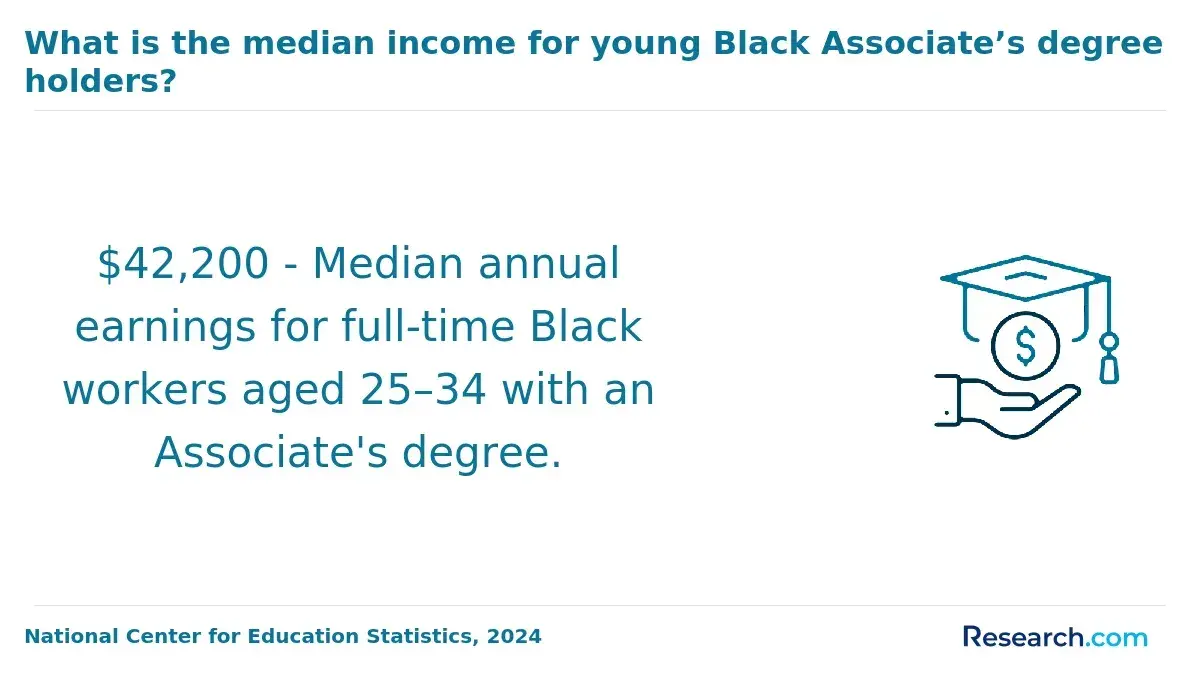
Even when a program confirms that it has no minimum GPA, applicants usually submit transcripts and must meet other requirements. These may include an accredited bachelor's degree, a relevant master's degree, prerequisite courses, recommendations, a statement of purpose, a writing sample, a résumé, an interview, or professional credentials. Research PhDs may assess faculty fit; clinical programs may require licensure or placement eligibility. GRE or GMAT policies also vary, so a test waiver should not be mistaken for a GPA waiver.
A short verification process can prevent wasted application fees and reveal whether another entry route would work better:
- Read the current doctoral program page, graduate catalog, and graduate-school admissions policy for the same entry term.
- Ask admissions whether any minimum GPA applies to undergraduate work, graduate work, the last credits completed, or prerequisite courses.
- Ask whether exceptions, conditional admission, or recent graduate coursework are considered, and request the answer in writing.
- Check program-specific prerequisites, experience, test, interview, and faculty-adviser requirements before preparing an application.
Military applicants should make the same doctoral-level checks rather than infer admissions rules from a school's broader veteran services. A list of military friendly online colleges can help identify institutions to investigate, but it does not establish any doctorate's GPA policy.
First, confirm the institution's accreditation through the U.S. Department of Education's accreditation database or the Council for Higher Education Accreditation directory. Match the institution's name and current status rather than relying on a logo on a program webpage.
Next, check whether your intended profession requires or favors specialized program accreditation. This is especially important for clinical psychology and nursing, where program recognition can affect training opportunities, certification, or licensure. Finally, ask the relevant state licensing board whether that specific degree and program meet its educational rules. Institutional accreditation alone does not establish professional eligibility.
Yes—an online doctorate can be legitimate if the institution is appropriately accredited, its doctoral requirements are substantive, and the degree fits your goal. Online delivery does not verify a no-GPA policy, however, and "online" does not necessarily mean self-paced or entirely remote. Scheduled seminars, adviser meetings, residencies, clinical placements, examinations, and defenses may still apply.
Request the full completion plan, including any required travel or local placements, before comparing formats. If you are considering a research study alongside employment, information about online PhD programs for working professionals can help frame the scheduling questions—but confirm the actual research, attendance, and admissions rules with each program. Treat promises of effortless admission or a doctorate awarded largely for life experience as red flags.
There is no reliable single time or price for a "no-GPA doctorate": GPA policy does not determine credits, research progress, or tuition. A post-master's professional doctorate may have a different course of study from a bachelor's-entry research PhD. Dissertations, doctoral projects, clinical hours, proposal approval, adviser availability, and part-time enrollment can all change the finish date.
For a useful cost comparison, obtain a written estimate of remaining tuition and mandatory fees, then add travel, placements, research expenses, and foregone earnings where relevant. Subtract only funding you are actually offered. Ask PhD departments whether an assistantship or fellowship includes tuition remission, a stipend, and guaranteed years; do not assume every student is funded. Applicants exploring accelerated online degrees should distinguish shorter course terms from a verified shorter doctoral completion timeline.
Most doctorates combine advanced field coursework with research methods, but the culminating work differs. A PhD commonly involves qualifying or comprehensive examinations, a dissertation proposal, original research, and an oral defense. A professional doctorate may use an applied dissertation, workplace research project, or other substantial scholarly project. A DNP study can include advanced clinical preparation and a practice-focused project.
Review the actual curriculum rather than relying on the degree abbreviation. Ask when students choose an adviser, how projects are approved, what happens after coursework ends, and whether required clinical work or research meetings fit your schedule. Flexible admission does not reduce the academic standard for completing the doctorate.
Doctoral study can support specialized research, clinical practice, or professional leadership, but it does not independently secure a job or salary. The BLS figures below describe U.S. occupations, not the earnings of graduates from the doctoral fields in this guide. They are useful for testing whether the career you want warrants the degree's cost and time.
| Occupation | 2024 U.S. median annual wage | Doctorate decision |
| Computer and information research scientist | $140,910 | Some research roles value a PhD; check employer requirements and research fit. |
| Information security analyst | $124,910 | A doctorate is not the usual entry requirement; experience and technical preparation may be more direct. |
Source: U.S. Bureau of Labor Statistics occupational wage data. For education, public service, nursing, psychology, and social work, compare the qualifications for your specific target role before using a doctorate as a salary strategy. Experience, licensure, employer needs, and location affect outcomes. Academic jobs may also depend on publications, teaching, and research opportunities rather than the degree alone.
Do Doctorate Graduates Need Licenses or Professional Certifications?
Sometimes. A doctorate and a professional license are separate qualifications. Psychology practice typically involves state licensing rules that can include approved education, supervised experience, and examinations. Nurses must maintain applicable nursing credentials, while advanced-practice roles may have state and specialty certification requirements. School leadership and social work roles can also have state-specific credential rules.
Other paths, including many business, computing, and public-policy roles, do not have a general doctorate-based license. Before enrolling, identify the job and state where you intend to work, consult that state's licensing board when relevant, and ask the program to explain how its curriculum supports—not guarantees—eligibility.
Other Things You Should Know About
Possibly. A program may consider recent graduate grades, research, or professional experience. Ask whether a binding minimum applies and whether exceptions are available before paying an application fee.
No. The department or graduate school may have an unpublished or separately stated rule. Obtain confirmation for the specific doctorate and entry term.
Choose by career and research goal first. Verify the GPA policy second; these credentials are not interchangeable, and a flexible review process is not guaranteed admission.
It may strengthen an application, but it does not automatically satisfy a required degree, waive prerequisites, change your transcript, or earn doctoral credit. Ask what the program explicitly permits.
- Cost of Attendance (Budget) | 2025-2026 Federal Student Aid Handbook https://fsapartners.ed.gov/knowledge-center/fsa-handbook/2025-2026/vol3/ch2-cost-attendance-budget
- DAPIP | Homepage - Office of Postsecondary Education (OPE) https://ope.ed.gov/dapip/
- An Overview of Accreditation of Higher Education in the United States | Congress.gov | Library of Congress https://www.congress.gov/crs-product/R43826
- Understanding U.S. Accreditation | EducationUSA https://educationusa.state.gov/understanding-us-accreditation
- Graduate Degrees | University of Florida Catalog https://gradcatalog.ufl.edu/graduate/degrees/
- Graduate Admissions | University of Texas at Arlington University Catalog https://catalog.uta.edu/academicregulations/admissions/graduate/
- Admission Requirements - Pritzker School of Medicine | The University of Chicago https://pritzker.uchicago.edu/admissions/admissions-process
- International Students - Graduate School of Arts & Science https://gsas.nyu.edu/admissions/arc/international-students.html
- Microbiology, PHD | School of Life Sciences https://sols.asu.edu/node/9865
- Doctoral Admission - University of Northern Colorado Catalogs https://unco.smartcatalogiq.com/en/2027-2028/graduate-catalog/general-information/doctoral-degrees-specific-requirements/doctoral-admission