2027 Best Doctorate Degrees With Flexible Deadlines

Co-Founder and Chief Data Scientist
Missing a doctoral application deadline can mean waiting for another admission cycle - but not every doctorate follows the same calendar. In its 2023 Survey of Earned Doctorates, the National Center for Science and Engineering Statistics counted 57,862 research doctorates awarded by U.S. institutions.
That scale masks substantial differences among programs: some recruit for a single research cohort, while others offer multiple entry points. This guide helps prospective students compare doctoral fields, distinguish flexible application deadlines from flexible coursework, and identify the policies to confirm before spending time or money on an application.
Key Things You Should Know
- Start dates belong to programs, not degrees. A DBA or EdD may offer more application opportunities than a cohort-based PhD, but only a program's published doctoral admissions calendar can confirm that.
- NCSES counted 57,862 U.S. research doctorate recipients in 2023; admission timing says nothing about how long research, clinical work, or a final project will take.
- Compare the whole commitment. Check the next available start, decision date, funding deadline, required attendance, and total cost before treating a later deadline as the better option.
Top 10 Best Doctorate Degrees With Flexible Deadlines
Business / DBA Programs
A Doctor of Business Administration (DBA) generally emphasizes applied inquiry for experienced managers. Its practitioner audience may make multiple starts worth investigating, but do not assume rolling admission: ask for the DBA's own deadline, cohort schedule, and project requirements. An MBA or additional management experience may be a better investment if you do not need doctoral-level research. Business PhDs are different: faculty research fit and funding may matter more than the convenience of an application date.
Education / EdD Programs
A Doctor of Education (EdD) often serves educators pursuing applied research or organizational improvement. Compare each program's admission cycles with its course sequence and dissertation or doctoral-project calendar; a convenient start may still lead to a fixed cohort schedule. An education PhD may suit original research and academic goals better. Check whether a master's degree or professional experience is required, and do not assume an EdD changes your teaching or administrative license.
Educational Leadership Programs
Educational leadership doctorates may award an EdD or PhD and can target schools, districts, colleges, or other organizations. The strongest fit depends on your intended role and existing experience, not just the next deadline. Request the admissions calendar alongside any leadership-experience requirement, residency schedule, and project expectations. If you seek a principal or superintendent credential, verify your state's approved preparation and certification rules before applying.
Psychology Programs
Psychology PhD and Doctor of Psychology (PsyD) programs can differ substantially in research emphasis, clinical training, and funding. A convenient deadline should not outweigh faculty fit, supervised-placement access, or - if you seek psychologist licensure - applicable program accreditation and state requirements. Ask whether the specific doctoral program offers another start; a university-wide rolling-admissions policy is not enough. Completing a psychology doctorate alone does not confer a license.
Nursing / DNP Programs
Doctor of Nursing Practice (DNP) pathways may serve registered nurses entering advanced practice or nurses who already hold a relevant graduate credential. Entry route, licensure, certification, clinical placement, and the required DNP project matter more than a convenient start date. Compare the deadline for your specific pathway, because post-bachelor's and post-master's applicants may follow different requirements. A nursing PhD instead centers on research preparation; neither credential automatically grants advanced-practice authority.
Public Health Programs
A Doctor of Public Health (DrPH) generally focuses on advanced public health practice and leadership, while a public health PhD emphasizes original research. If you work in the field, investigate whether a DrPH program accepts applications for more than one cohort and whether its residencies or applied project fit your schedule. Compare prerequisites and professional-experience expectations. A Master of Public Health may be sufficient for many public health roles, making the doctorate's added value an important question.
Computer Science Programs
Computer science PhDs are research degrees, so an available application window is useful only if faculty expertise, laboratory opportunities, and funding match your goals. Ask whether admission depends on finding an adviser and whether assistantship consideration has an earlier deadline than admission. Some doctoral pathways admit students after a bachelor's degree; others expect graduate preparation. For industry software work, compare the doctorate with a master's degree and substantial project experience before committing to research training.
Cybersecurity Programs
Cybersecurity doctorates may emphasize original technical research, applied security practice, or policy. Degree labels alone will not reveal the curriculum or admission schedule. Compare the specific program's research supervision, laboratory access, funding, and entry requirements before prioritizing a later deadline. Many security jobs do not require a doctorate; relevant experience and certifications may be more direct routes. A doctorate makes more sense when its research or specialized leadership preparation serves a clearly defined goal.
Social Work / Human Services Programs
A Doctor of Social Work (DSW) may emphasize advanced practice or leadership, while a social work PhD usually emphasizes research. Human services doctorates can have different professional aims, so examine the awarded credential and curriculum. Ask about admissions cycles, practice-experience requirements, any in-person components, and the final research or applied project. For clinical social work, a doctorate does not replace the master's-level preparation, supervised experience, examinations, or other requirements imposed by the relevant state board.
Public Administration / Public Policy Programs
A Doctor of Public Administration (DPA) may suit experienced public-sector practitioners, whereas a public policy or public administration PhD typically prepares students for original research. Application timing, faculty interests, and funding can therefore carry different weight. Check whether the precise program accepts more than one cohort, requires prior professional experience, and expects a dissertation or applied project. For many government roles, an MPA, MPP, or additional policy experience may be the more efficient choice.
What Are Doctorate Degrees With Flexible Application Deadlines?
Doctorate degrees with flexible application deadlines are doctoral fields in which a prospective student may find programs offering multiple annual application windows, rolling review, or later deadlines. Flexibility is a program-level admissions policy, not a property of a DBA, EdD, PhD, or other credential. Rolling review can also close when a cohort fills; a later general deadline may not apply to funding or a desired specialization.
For this comparison, the best option is the program whose verified application schedule works and whose degree purpose, accreditation, cost, and completion requirements fit your goal. No field in this guide should be taken as a promise of flexible deadlines at every institution.
The most flexible format depends on the program, not the degree abbreviation. Practice-oriented programs designed for employed professionals may offer online coursework or part-time routes, but they can still require fixed classes, campus meetings, placements, or projects. Research PhDs may require regular laboratory access and adviser meetings even when some courses are online.
This comparison separates conveniences that are often mistakenly grouped together. Use it to identify the schedule you actually need before asking a program about its policies.
| Format | Potential advantage | Commitment to verify |
| Asynchronous online coursework | More choice over when to view course materials | Assignment deadlines, live meetings, and examinations |
| Part-time cohort | Lower course load alongside employment | Official part-time permission and fixed course sequence |
| Low-residency or hybrid study | Less routine campus travel | Required visit dates and travel costs |
| Campus-based research study | Direct access to advisers and facilities | Laboratory, teaching, and full-time expectations |
If location flexibility matters because of your eventual career, compare degrees for remote jobs separately from doctoral delivery: online study does not guarantee remote employment. Ask programs for a sample term schedule and the attendance rules for every required stage, including the defense or final project.
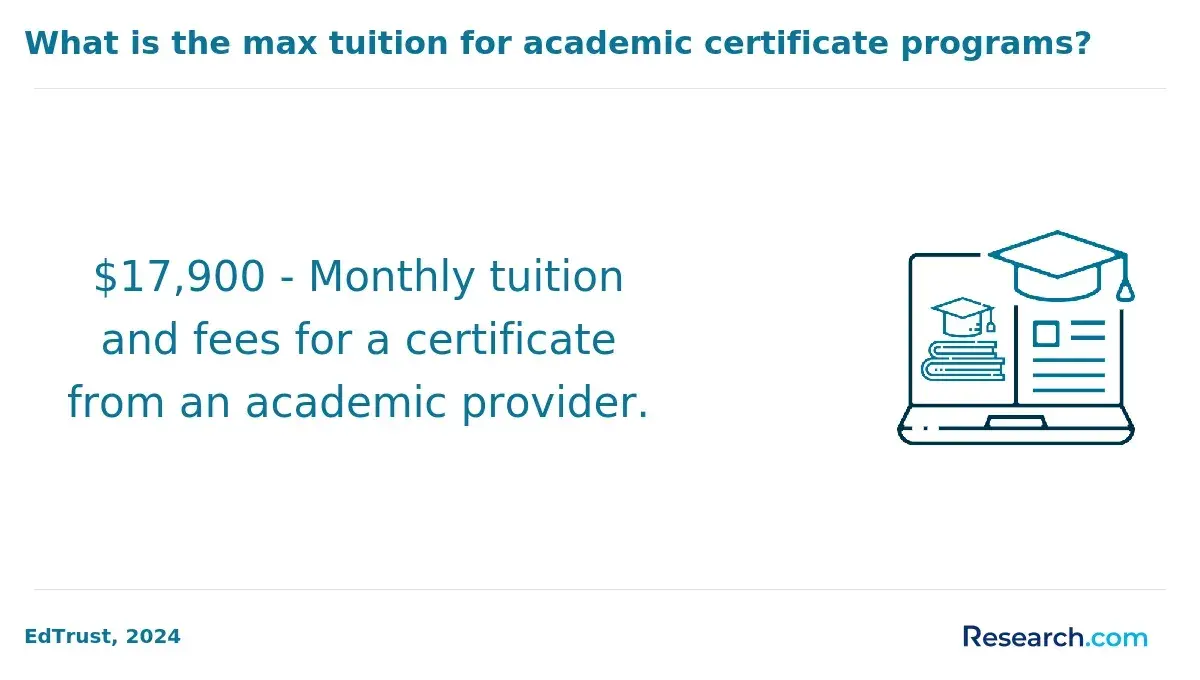
Check accreditation and deadlines independently. Confirm an institution's recognized institutional accreditation using its accreditor's directory or the U.S. Department of Education's accreditation database. Then check whether a separate programmatic accreditor matters for your intended occupation, especially in clinical psychology, nursing, or another regulated field. Institutional accreditation alone does not establish eligibility for a particular license.
To test a flexible-deadline claim, use the official doctoral program page and current graduate catalog, not an undergraduate admissions page. If the schedule is unclear, ask admissions to confirm the following in writing:
- Is this deadline for my exact doctoral degree, specialization, and entry pathway?
- Are applications reviewed as received, at set dates, or only for one cohort?
- Do assistantships, scholarships, adviser matching, and international or clinical placements have earlier deadlines?
- If I miss this date, what is the next available start rather than merely the next application window?
An advertised "rolling" university policy is a red flag if the doctoral department cannot explain how it applies to its own cohort and funding decisions.
Requirements vary more by program purpose than by deadline policy. Doctoral applicants normally need at least a completed bachelor's degree; some professional doctorates require a relevant master's degree, license, or work experience. Research programs may evaluate research preparation and faculty fit, while practice-oriented programs may place more weight on professional experience and an applied problem of interest.
Expect to check the program's rules for transcripts, prerequisite coursework, recommendations, a statement of purpose, a writing sample or proposal, an interview, and any GRE or GMAT requirement. Do not infer that there is no GPA or testing standard simply because none appears on a university's general admissions page. A later deadline also does not mean admission is less selective.
If you have not completed a bachelor's degree, compare preparation options such as a cheap online bachelor degree first. Prior undergraduate study alone normally does not qualify someone for doctoral admission or count as doctoral transfer credit.
Online can reduce travel without reducing scheduled obligations. Campus study may provide easier access to laboratories, clinical facilities, research groups, and face-to-face supervision. Online study may make coursework easier to combine with employment, but research meetings, clinical placements, residencies, examinations, and defenses can still occur at set times or locations.
For a fair comparison, request the entire degree plan rather than judging the delivery label. A program's current students can help clarify how predictable meetings and project milestones are, while the catalog and handbook should establish the actual requirements. If you need a fully remote academic experience, obtain written confirmation of every in-person obligation before accepting an offer.
A flexible application date does not shorten a doctorate. Professional doctorates and research PhDs follow different timelines, and students within the same program may finish at different times. Coursework is only part of the commitment: examinations, adviser availability, proposal approval, data collection, clinical hours, a dissertation or doctoral project, and a defense can determine the finish date.
Ask each program for its published time-to-degree information, maximum time limit, course rotation, and the completion assumptions behind any advertised timeline. If you hold a master's degree, request a program-level evaluation of which graduate credits satisfy specific doctoral requirements; admission with a master's does not automatically grant advanced standing.
Short classes are not short doctorates. Comparing 6 week online courses with certificates may be useful for targeted skill development, but a doctoral course's length cannot establish how quickly research or clinical requirements will be completed.
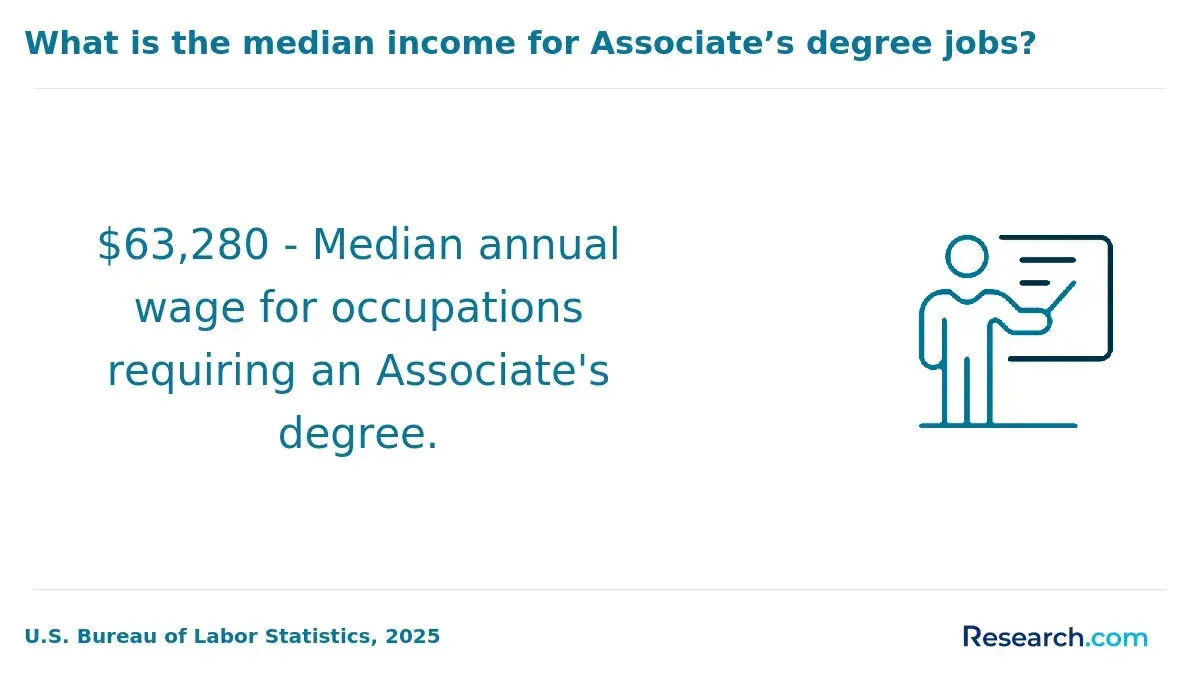
There is no reliable single price for a flexible-deadline doctorate. Total cost depends on the institution, residency classification, required terms, fees, travel, and whether institutional funding covers tuition. A lower per-credit price can cost more overall if a program requires more credits or years; a PhD with high published tuition may cost a funded student less out of pocket than an unfunded professional doctorate.
Compare offers using the same cost categories. These expenses matter particularly when a convenient start date changes funding eligibility:
- Tuition for the remaining required doctoral credits and any continuation or dissertation-enrollment terms.
- Mandatory, technology, clinical, laboratory, and program-specific fees.
- Travel and lodging for required visits, placements, or research.
- Funding actually offered, including tuition remission, stipend, assistantship duties, and the period covered.
- Likely foregone earnings if the program restricts outside work or requires full-time study.
Request a written estimate for your entry pathway and ask which costs can change. Compare employer assistance, scholarships, federal aid eligibility, and payment options without assuming any will cover the full degree.
A doctorate's career value depends on the occupation and what you already qualify to do. Research degrees can support scholarly and specialized research careers; professional doctorates can deepen advanced practice or applied leadership. Neither automatically produces a faculty appointment, promotion, executive role, or license.
For context, the U.S. Bureau of Labor Statistics reported a 2024 median annual wage of $140,910 for computer and information research scientists and $124,910 for information security analysts. These are occupation-wide medians, not doctoral-graduate salaries. A research doctorate may be relevant to certain research scientist positions, while information security analyst jobs typically do not require one. The figures therefore cannot establish the financial return from either doctorate.
If you are still choosing a discipline, explore best college majors as an earlier-stage decision, then compare doctoral study with a relevant master's degree, certification, or experience. For an established professional, the useful question is what opportunity the doctorate opens that those alternatives do not.
How Do You Verify Doctoral Licensing and Certification Requirements?
Check the destination state's rules before choosing a licensure-oriented doctorate. A school may admit you and award a degree without meeting every requirement for your intended credential or practice location. This is particularly important for psychology, advanced nursing practice, educational administration, and clinical social work.
Use the relevant state licensing or certification board's current rules as the starting point. Then compare them with the program's published curriculum and ask both parties to clarify any uncertainty:
- Identify the exact occupation, credential, and state where you intend to practice.
- Confirm required degree type, institutional or programmatic accreditation, coursework, and supervised hours.
- Check examinations, existing-license requirements, placements, and any post-degree supervised practice.
- Ask the program whether its specific pathway meets those requirements, and retain the written response.
Repeat the check if you change states or specializations. A program's flexible admissions calendar cannot compensate for a mismatch with your licensing goal.
Other Things You Should Know About
Some individual doctoral programs may review applications on a rolling basis, but a degree type does not have a universal admissions policy. Confirm the policy and next start with the department.
It can. Assistantships, fellowships, and scholarships may have separate, earlier consideration dates. Ask which funding remains available for your intended start.
Not necessarily. An application deadline governs when you apply; coursework, research meetings, clinical work, and final projects may still follow fixed schedules.
Only if the program also fits your career goal, accreditation needs, budget, and attendance requirements. Waiting for a better-aligned or better-funded cohort may be the stronger decision.
- Accreditation in the U.S. | ed.gov http://www.ed.gov/laws-and-policy/higher-education-laws-and-policy/college-accreditation/accreditation-in-the-us
- Academic Years, Academic Calendars, Payment Periods, and Disbursements | 2025-2026 Federal Student Aid Handbook https://fsapartners.ed.gov/knowledge-center/fsa-handbook/2025-2026/vol3/ch1-academic-years-academic-calendars-payment-periods-and-disbursements
- Verify Accreditation of a College or University - Certification https://www.nj.gov/education/certification/usaccred.shtml
- Rule 3341-3-06 - Ohio Administrative Code https://codes.ohio.gov/ohio-administrative-code/rule-3341-3-06
- Ed.D. Policies | 2026-2027 School of Education Graduate Bulletin https://soegrbul.sites.iu.edu/policies-and-procedures/edd.html
- 2025-2026 Tuition and Fees - Student Account Services | University of Kentucky https://studentaccount.uky.edu/tuition-and-fees/past-tuition-and-fees/2025-2026-tuition-and-fees
- Doctoral Degrees | mit.edu https://oge.mit.edu/graduate-admissions/programs/doctoral-degrees/
- Academic Affairs Course Scheduling Policy | Ferris State University https://www.ferris.edu/policies/academic-affairs-course-scheduling-policy.htm
- What to Expect as a Graduate Student | Graduate School https://gradsch.osu.edu/current-students/graduate-student-experience/what-expect-graduate-student
- Ph.D. Admission & Academic FAQs | columbia.edu https://stat.columbia.edu/frequently-asked-questions-phd-admissions/