2027 Best Part-Time Doctoral Programs for Students With Low GPA

Co-Founder and Chief Data Scientist
A low undergraduate GPA need not end your doctoral plans, but it changes what you must verify before applying. Part-time enrollment does not make admission easier, and a program's flexibility says nothing about its GPA policy. The stakes are substantial: according to the U.S. Bureau of Labor Statistics (BLS), workers with doctoral degrees had median weekly earnings of $2,109 in 2023—a workforce-wide figure, not a predicted payoff from enrolling.
This guide compares doctoral fields, explains how to establish academic readiness, and shows you how to identify programs that genuinely allow part-time study and consider your application.
Key Things You Should Know
- A suitable program must explicitly permit part-time doctoral enrollment; online courses alone do not establish that option.
- "Low GPA" is not a standard admissions category. Ask whether a published minimum applies to your undergraduate GPA, graduate GPA, or both, and whether exceptions or provisional admission are possible.
- Compare the full commitment—not just admission odds—including research or project requirements, accreditation, fees, and any in-person obligations.
Top 10 Best Part-Time Doctoral Programs for Students With Low GPA - Top 10 Programs
Business / DBA Programs
A Doctor of Business Administration (DBA) generally emphasizes applied organizational research and leadership; a business PhD usually places greater weight on original scholarly research. DBAs may suit experienced managers studying part-time, but professional experience does not automatically override a GPA minimum. Ask whether admissions evaluates your most recent graduate work separately from undergraduate grades, whether exceptions are documented, and whether executive weekends or residencies are compulsory. An MBA or additional management experience may be more appropriate if you do not need doctoral-level inquiry.
Education / EdD Programs
A Doctor of Education (EdD) often centers on improving practice through applied research or a problem-of-practice project. Some education PhDs instead prioritize research and faculty fit. Working educators should confirm that a program formally offers part-time enrollment and that its project sequence fits their employment schedule. Applicants with weak undergraduate records can ask whether a strong graduate transcript, writing sample, and relevant professional accomplishments receive substantial consideration. Neither credential automatically grants a teaching or administrator license.
Educational Leadership Programs
Educational leadership doctorates commonly take the form of an EdD, though PhD options also exist. Their value depends on your intended role: a school-system leadership track may differ sharply from higher-education administration or policy research. Check required leadership experience, any master's prerequisite, part-time cohort rules, and whether fieldwork requires access to a workplace. If you need a principal or superintendent credential, verify your state's requirements independently; admission flexibility does not establish licensure eligibility.
Psychology Programs
Psychology PhDs and Doctor of Psychology (PsyD) programs can differ in research emphasis, clinical training, and funding. A part-time pathway may be difficult to reconcile with supervised clinical placements, so obtain written confirmation of the actual enrollment option. A low GPA may be weighed alongside later graduate work, research experience, and interviews, but clinical programs can have additional admission standards. For a psychologist license, verify the program's accreditation, state education rules, supervised hours, and examination requirements before applying.
Nursing / DNP Programs
The Doctor of Nursing Practice (DNP) focuses on advanced nursing practice or systems improvement; a nursing PhD is generally research-oriented. Eligibility may depend on an active nursing license and a qualifying nursing degree. Part-time coursework may still involve fixed clinical hours or a substantial practice project. If your earlier GPA is weak, ask whether the program considers a later nursing GPA or graduate record and whether it permits exceptions. Confirm that the specific track meets your state's advanced-practice requirements where relevant.
Public Health Programs
A Doctor of Public Health (DrPH) typically targets experienced public health professionals seeking practice or leadership roles; a public health PhD is generally more research-focused. Check whether the program requires a relevant master's degree, public health experience, or quantitative preparation before treating it as a realistic low-GPA option. Part-time students should examine cohort sequencing and the time needed for an applied project or dissertation. If your goal is an entry-level public health role, a master's degree may be the more direct route.
Computer Science Programs
A computer science PhD normally requires sustained original research, making faculty fit and research preparation central admissions considerations. Relevant graduate grades, publications, or substantial research work may help explain an older low GPA, but none guarantees an exception. Ask departments whether they admit part-time students, require laboratory presence, or restrict outside employment for funded students. If you primarily want stronger applied software skills, compare the doctorate with a master's degree or targeted professional experience.
Cybersecurity Programs
Cybersecurity doctorates may be research-focused PhDs or applied professional degrees; the credential alone does not reveal the curriculum. Compare faculty expertise, research methods, technical prerequisites, and the culminating project. Applicants with low GPAs can demonstrate current capability through rigorous recent coursework and documented technical or research work, subject to each program's admissions rules. Verify part-time status rather than assuming that online delivery permits it. For many industry roles, experience and relevant certifications may offer a less costly alternative.
Social Work / Human Services Programs
A Doctor of Social Work (DSW) often emphasizes advanced practice or organizational change, while a social work PhD generally emphasizes research. Human services doctorates vary more widely in purpose. Ask whether admission requires an accredited social work degree, a license, or practice experience, and whether part-time students can complete field-based work on schedule. A later strong master's record may strengthen a low-GPA application, but the program must confirm its policy. A doctorate does not replace state social work licensing requirements.
Public Administration / Public Policy Programs
A Doctor of Public Administration (DPA) may emphasize applied public-sector leadership; a public policy or administration PhD often emphasizes research and analytical methods. Compare the program's purpose with your intended career before focusing on admissions flexibility. For an older low GPA, recent graduate-level statistics or policy coursework can provide useful evidence of readiness. Verify any minimum GPA, whether professional experience is required, and whether part-time enrollment extends through dissertation or project work—not merely the taught courses.
What part-time doctoral programs accept students with a low GPA?
There is no dependable universal list of doctoral programs that "accept a low GPA." A school may consider applications below its usual threshold, weigh graduate grades more heavily, or offer provisional admission—but these are different policies. Likewise, a program must explicitly allow part-time doctoral enrollment. Without current, program-specific confirmation of both features, it would be misleading to label an individual doctorate a best choice for low-GPA, part-time applicants.
The degree families above are starting points, not verified admissions recommendations. The following comparison clarifies which requirements deserve particular attention as you build a shortlist:
| Pathway | Potential admissions evidence beyond an older GPA | Part-time constraint to investigate |
| DBA or EdD | Relevant graduate work and professional accomplishments | Cohort schedules, residencies, and applied projects |
| Research PhD | Recent methods courses, research output, and faculty fit | Adviser availability, research participation, and funding conditions |
| DNP or clinical psychology doctorate | Field-specific preparation, credentials, and recent academic work | Clinical placements and licensure-related requirements |
| DrPH, DSW, or DPA | Relevant graduate study and documented practice experience | Workplace access, cohort sequencing, and capstone work |
A preparatory master's can establish a more recent academic record, but admission to that degree does not promise later doctoral admission. If you are exploring that route, compare fields rather than assuming the easiest online masters degree will meet your intended doctorate's prerequisites.
Start by identifying which GPA the doctoral program evaluates. A published graduate-school minimum may coexist with a higher program-level standard; some programs also distinguish cumulative, major, and most-recent-degree GPAs. The absence of a posted cutoff does not mean GPA is irrelevant.
A focused application can show what has changed since your lower grades. These steps help you test eligibility before paying application fees:
- Calculate your undergraduate and graduate GPAs separately, using the program's stated method where available.
- Ask the doctoral admissions office whether it permits exceptions or provisional admission and what conditions apply.
- Complete relevant, rigorous graduate coursework if you need current evidence of academic readiness; first confirm that the courses address program prerequisites.
- Explain the earlier record briefly and specifically, then document subsequent grades, research, writing, or professional work.
- For research doctorates, ask whether prospective advisers are accepting part-time students and how faculty fit affects selection.
Do not assume a master's degree erases undergraduate grades or reduces doctoral requirements. If additional preparation is necessary, the cheapest masters degree online comparison is a cost starting point—not a substitute for checking course fit and accreditation.
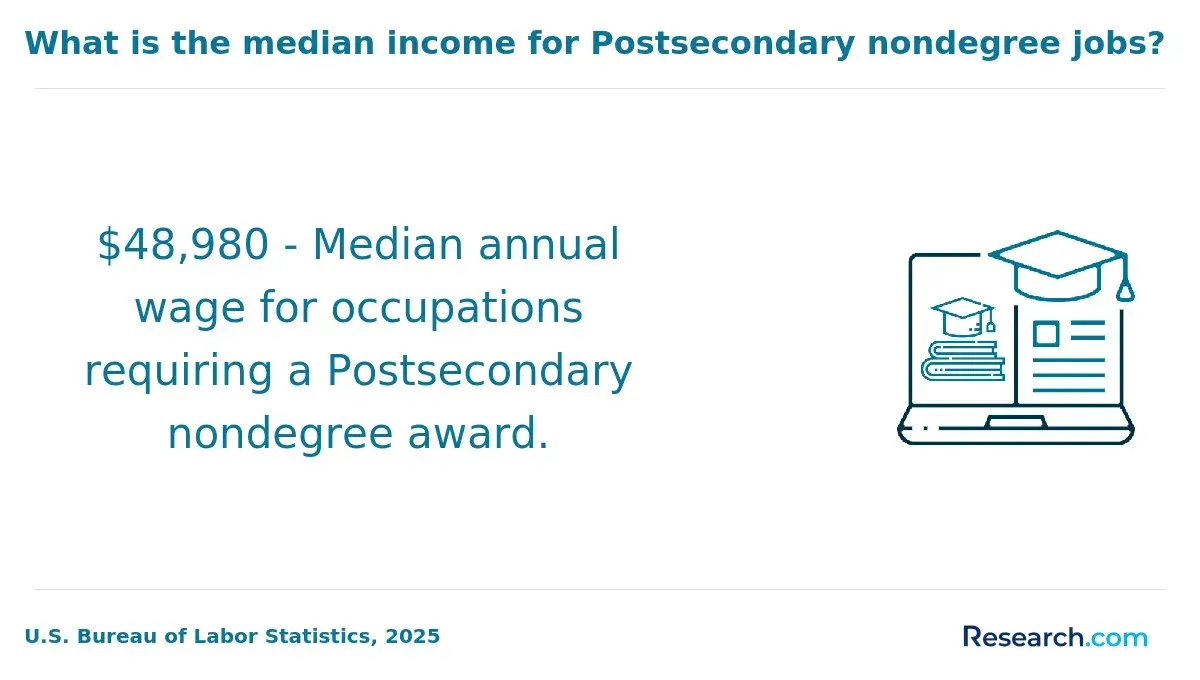
Neither online nor campus study is inherently better for a low-GPA applicant. Admissions standards and the strength of your recent academic evidence matter more than delivery format. Choose the format that lets you meet research, clinical, and scheduling requirements while continuing to perform well.
These format differences can help you identify conflicts before applying; actual obligations depend on the specific program:
| Format | Potential advantage | Requirement to verify |
| Online | Less routine travel | Live meetings, residencies, placements, and defenses |
| Hybrid | Remote coursework plus scheduled in-person contact | Travel frequency and costs |
| Campus-based | Regular access to facilities and faculty | Whether courses and research meetings accommodate part-time students |
"Online" does not mean self-paced, and asynchronous courses may still have fixed deadlines. Request a sample part-time course sequence and a complete list of required visits.
Accreditation and licensure eligibility are separate questions. A properly accredited university can offer a program that does not meet a particular state's licensing requirements. When comparing non profit online colleges, verify accreditation for the institution and, when applicable, the exact doctoral program rather than relying on an institution-wide description.
Part-time study spreads coursework over a longer period, but it can also extend fees, travel, and the time needed to finish a dissertation or project. There is no reliable single price or completion timeline across these fields. A prospective student should request the program's current tuition schedule, required doctoral credits, part-time sequence, and typical time to completion.
To compare total cost rather than a misleading per-credit figure, account for these charges and offsets:
- Tuition, mandatory fees, program fees, and any continuing-enrollment or dissertation fees.
- Required travel, residencies, clinical placements, research expenses, and time away from paid work.
- Confirmed scholarships, employer assistance, or assistantships—including eligibility and duration.
Research PhD funding and professional doctorate financing can differ substantially. Do not assume a PhD is funded or that an employer will reimburse doctoral tuition. Ask whether funding requires full-time enrollment, whether a part-time student remains aid-eligible, and which costs are not covered.
Doctoral coursework typically develops advanced field knowledge and research or evaluation methods. A research PhD commonly adds qualifying examinations, candidacy, a proposal, original dissertation research, and a defense. A professional doctorate may instead require an applied project, clinical project, or other substantial culminating work; the exact requirement must be checked in the program's catalog.
Finishing courses is not the same as finishing the doctorate. Adviser availability, research approvals, data collection, clinical hours, and project revisions can lengthen a part-time timeline. Before enrolling, ask whether examinations and the dissertation or project phase can also be completed part-time, what support is available, and whether a maximum time-to-degree rule applies.
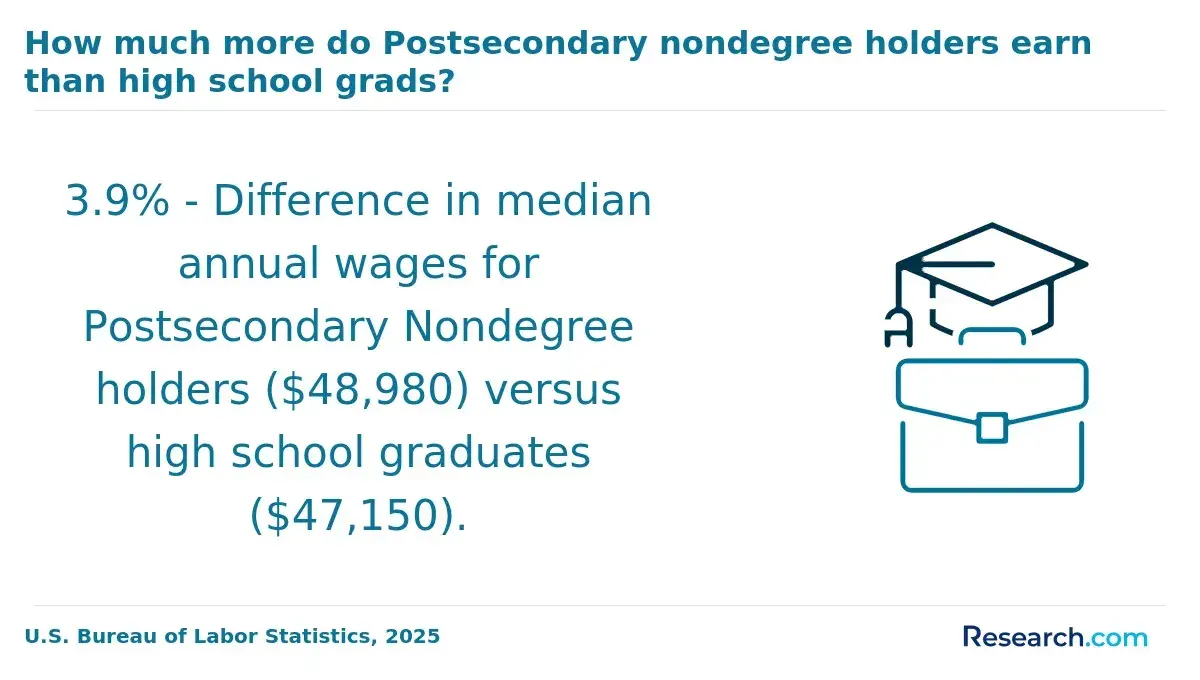
Career fit depends on the specific doctorate and your existing qualifications. A DBA, EdD, DPA, DrPH, or DSW may support advanced practice, organizational improvement, or leadership work. A research PhD can prepare students for research roles in universities, government, healthcare, or industry. A DNP supports advanced nursing preparation, while a clinical psychology doctorate can be part of a psychologist-licensure pathway.
None of these degrees independently guarantees a faculty appointment, promotion, executive role, or professional license. Experience, publications, examinations, supervised practice, and state rules may also matter. If a target role is accessible with a master's degree plus experience, compare that route's cost and time before committing to a doctorate.
Pay varies more by occupation and career stage than by doctoral title. For example, BLS reported a 2023 median annual wage of $145,080 for computer and information research scientists. That is an occupational median—not the expected pay of a computer science doctoral graduate—and employers may require particular research skills or experience.
Use salary data for the job you intend to pursue, not for every job loosely associated with a degree. Compare its entry requirements with your current qualifications, then weigh possible career value against tuition, unfunded time, and foregone earnings. A doctorate may have strong intellectual or professional value even where its financial return is uncertain.
How should you compare reputable part-time doctoral programs?
The best choice is the program that meets your admissions, scheduling, academic, financial, and career needs—not necessarily the one advertising the easiest application. Use the same questions for every program on your shortlist:
- Does the official doctoral policy permit part-time study through completion, and what attendance is required?
- Which GPA is evaluated, what is the published minimum, and are exceptions or provisional pathways available?
- Do the degree purpose, faculty expertise, and dissertation or project match your goal?
- What is the likely total cost after confirmed funding, and what happens if completion takes longer?
- Does the institution—and, where needed, the program—meet accreditation and state licensing requirements?
Request written answers from program staff rather than relying on a general university admissions page. Returning students, including those comparing degrees for seniors, should pay particular attention to current prerequisites, technology expectations, and a realistic part-time completion plan. Treat an unverified promise of "easy admission" or a guaranteed career outcome as a red flag.
Other Things You Should Know About
Possibly, but policies vary. Ask the specific program whether it has a minimum, which degree's GPA it uses, and whether exceptions or provisional admission are permitted.
It can demonstrate recent readiness, but it does not automatically override an undergraduate cutoff. Confirm how each program evaluates both transcripts.
Not necessarily. Part-time describes the enrollment schedule, not a lower admissions standard; some programs also limit part-time places or funding.
Sometimes, but online coursework may still involve live sessions, campus visits, clinical placements, research meetings, or an in-person defense. Check the full degree requirements.
- Rule 3341-3-76 - Ohio Administrative Code | Ohio Laws https://codes.ohio.gov/ohio-administrative-code/rule-3341-3-76
- Accreditation in the U.S. | ed.gov http://www.ed.gov/laws-and-policy/higher-education-laws-and-policy/college-accreditation/accreditation-in-the-us
- School-Determined Requirements | 2025-2026 Federal Student Aid Handbook https://fsapartners.ed.gov/knowledge-center/fsa-handbook/2025-2026/vol1/ch1-school-determined-requirements
- Cost of Attendance - ASU tuition - Arizona State University https://tuition.asu.edu/cost
- Why Is Accreditation Important? | ACE Blog https://ace.edu/blog/why-is-accreditation-important/
- GSH Section 2 - Admissions | Graduate School https://gradsch.osu.edu/graduate-school-handbook-gsh/gsh-section-2-admissions
- What's the Difference Between a PhD and a Professional Doctoral Degree? | Walden University https://www.waldenu.edu/online-doctoral-programs/resource/what-is-the-difference-between-a-phd-and-a-professional-doctoral-degree
- Academic Load and Time Status for all Graduate Students | charlotte.edu https://provost.charlotte.edu/policies-procedures/academic-policies-and-procedures/academic-load-and-time-status-all-graduate/
- What Is an Accredited University? Understanding Accreditation | National University https://www.nu.edu/blog/what-is-an-accredited-university/
- PhD Residence Status | uchicago.edu https://socialsciences.uchicago.edu/academic-development/phd-residence-status