2027 Best Doctorate Degrees That Pay Well

Co-Founder and Chief Data Scientist
A high occupational salary does not necessarily make a doctorate a good investment. Some well-paid jobs require doctoral training; others are accessible through a master's degree and experience. The distinction matters: the U.S. Bureau of Labor Statistics (BLS) reported a May 2024 median wage of $223,210 for nurse anesthetists, a role with substantial education and licensing requirements.
This guide compares doctoral fields for prospective researchers, clinicians, and working professionals. It connects pay to realistic career paths so you can weigh the degree's added value against its time, cost, and alternatives.
Key Things You Should Know
- Highest pay is not the same as best return. BLS reports a May 2024 median wage of at least $239,200 for physicians and surgeons, but medical training also involves residency and potentially substantial debt.
- Check whether the doctorate is necessary. Computer and information research scientists had a May 2024 median wage of $140,910, yet a master's degree is the occupation's typical entry-level education, according to BLS.
- Compare the complete pathway. Tuition, funding, foregone earnings, licensure, and experience matter more than an occupational median alone; BLS projects 23% employment growth for medical and health services managers from 2024 to 2034, but a doctorate is not normally required for that role.
Top 10 Best Doctorate Degrees That Pay Well - Top Doctorates
Business / DBA Programs
A Doctor of Business Administration (DBA) is generally a practice-oriented degree for experienced managers who want to investigate organizational problems and apply research at work. A business PhD is more research-oriented and may better fit someone seeking a scholarly career.
Neither degree independently qualifies a graduate for an executive job or executive pay. Compare the DBA's total tuition and time away from work with an MBA, targeted certifications, or additional management experience. Ask whether the program's applied project addresses a problem relevant to your career.
Education / EdD Programs
A Doctor of Education (EdD) commonly emphasizes applied inquiry into teaching, policy, or organizational practice; an education PhD generally places greater emphasis on original research. The distinction depends on the curriculum, not just the abbreviation.
An EdD may suit an experienced educator pursuing a specific leadership or improvement goal, but it does not itself confer a school administrator's license or a salary increase. Check state requirements and employer pay policies before enrolling. An educator seeking a research-intensive faculty path should also compare PhD preparation, faculty fit, and funding.
Educational Leadership Programs
Educational leadership doctorates, often awarded as an EdD or PhD, may focus on district administration, higher education, or education policy. Choose by intended role: a practice-focused EdD may support improvement work in a school system, while a research-focused PhD may better support scholarly inquiry.
Principal and superintendent positions typically require relevant experience and state-specific credentials; the doctorate alone is insufficient. Before committing, ask whether graduates in your target sector actually need doctoral preparation and whether the program's internship, research, and scheduling requirements fit your job.
Psychology Programs
Clinical and counseling psychology doctorates may lead toward psychologist licensure, but eligibility depends on the program, supervised training, examinations, and state rules. A Doctor of Psychology (PsyD) often emphasizes clinical practice, while a psychology PhD typically includes more extensive research training; both can have clinical requirements.
An unrelated online psychology doctorate may not provide a path to licensure. Compare accreditation, internship placement requirements, funding, and debt before choosing. For some counseling careers, a qualifying master's degree is a shorter route than a psychology doctorate.
Nursing / DNP Programs
A Doctor of Nursing Practice (DNP) emphasizes advanced nursing practice, leadership, and quality improvement; a nursing PhD centers on research. The DNP's value depends on the role: nurse practitioner and nurse anesthetist pathways have different educational, certification, clinical, and state-licensing requirements.
A DNP alone does not grant advanced-practice authority. Practicing nurses should compare post-bachelor's and post-master's entry routes, required clinical placements, and whether their target employer rewards the additional degree. Ask programs to confirm eligibility for the specific certification and state where you intend to practice.
Public Health Programs
A Doctor of Public Health (DrPH) typically serves experienced professionals pursuing applied population-health leadership; a public health PhD emphasizes original research. Neither automatically leads to a health department directorship or a higher salary.
A Master of Public Health (MPH) plus substantial experience may be the better value for many roles. Compare the doctorate's methods training, employer connections, project or dissertation requirements, and funding with the work you actually want to do. Clinical occupations within public health can carry separate licensing requirements.
Computer Science Programs
A computer science PhD can be valuable for original research in areas such as artificial intelligence, systems, or security. It usually involves close faculty supervision, research milestones, and a dissertation, often after admission from either a bachelor's or master's pathway. It is not generally needed to become a software developer.
If your goal is an industry research role, compare doctoral research opportunities and funding with the jobs available after a master's degree. AI's rapid development makes current faculty expertise and access to computing resources especially important.
Cybersecurity Programs
Cybersecurity PhD programs can prepare students for research on topics such as secure systems or privacy; professional doctorates may focus more on organizational practice. Most security engineering and management jobs do not require a doctorate. For those roles, experience, a relevant degree, and employer-valued certifications may offer a less costly path.
A doctorate is easier to justify when the target work requires independent research or advanced specialization. Examine faculty expertise, laboratory access, research funding, and employer requirements rather than treating a high cybersecurity salary as a doctoral outcome.
Social Work / Human Services Programs
A Doctor of Social Work (DSW) commonly focuses on advanced practice or leadership; a social work PhD generally prepares students for research. Neither replaces the master's degree, supervised experience, and state requirements commonly involved in clinical social work licensure. Many human-services leadership roles also depend heavily on experience.
Before paying for a doctorate, identify the position you want and ask whether its employer requires, prefers, or merely accepts one. Compare program funding and any workplace-based project with the advancement available through experience or specialized training.
Public Administration / Public Policy Programs
A Doctor of Public Administration (DPA) often addresses applied government or nonprofit leadership problems, while a public policy or administration PhD usually prioritizes research. Neither is a standard prerequisite for most public-sector management jobs. A Master of Public Administration (MPA) or policy master's plus relevant experience may be sufficient.
A doctorate makes more sense when your goal calls for sustained research, specialized analysis, or a clearly defined professional project. Check the program's methods requirements, funding, and graduate outcomes in your intended sector.
What are the highest-paying doctorate degrees in the United States?
Medicine and nurse anesthesia are among the clearest routes from doctoral-level professional preparation to highly paid occupations. Research doctorates can also lead to well-paid specialist work, but the degree's contribution to pay is harder to isolate. These BLS occupational medians describe people working in each occupation - not the starting salaries or expected earnings of new doctoral graduates.
The comparison below uses BLS May 2024 U.S. median wages. Read the pathway column alongside the wage: it shows why salary alone is a poor way to rank degrees.
| Doctoral pathway and related occupation | Occupational median wage | Essential qualification context |
| MD or DO; physicians and surgeons | At least $239,200 | Medical school is followed by residency and state licensure. |
| Nurse anesthesia doctorate; nurse anesthetists | $223,210 | Requires nursing preparation, substantial clinical training, certification, and state authorization. |
| Computer science PhD; computer and information research scientists | $140,910 | A master's degree is the occupation's typical entry-level education; a PhD may matter for particular research roles. |
"Best" depends on the incremental benefit of the doctorate: the work it enables compared with a less expensive credential, its funding, and the years before you can enter or advance in the occupation. A high-wage clinical path may require the doctorate and additional training; a high-wage management or technology role may not.
Strong salary and strong job growth do not always occur in jobs that require doctorates. Computer and information research is a plausible fit for a research PhD; advanced clinical nursing has a defined credential pathway. Healthcare management offers growth but is usually an experience-driven career rather than a reason, by itself, to earn a doctorate.
The figures below are BLS national projections for 2024-2034. They measure expected occupational employment growth, not the chance that an individual doctoral graduate will get hired.
| Career area | Projected employment growth | How to interpret it |
| Computer and information research scientists | 20% | A research PhD may help with specialized roles, but a doctorate is not the occupation's universal entry requirement. |
| Medical and health services managers | 23% | Growth can create opportunities, but management experience and sector knowledge commonly matter more than a doctorate alone. |
If your target job values practical skills rather than doctoral research, compare the doctorate with experience and 12-month certificate programs that pay well. Check actual job postings for required credentials before interpreting a growth projection as a reason to enroll.
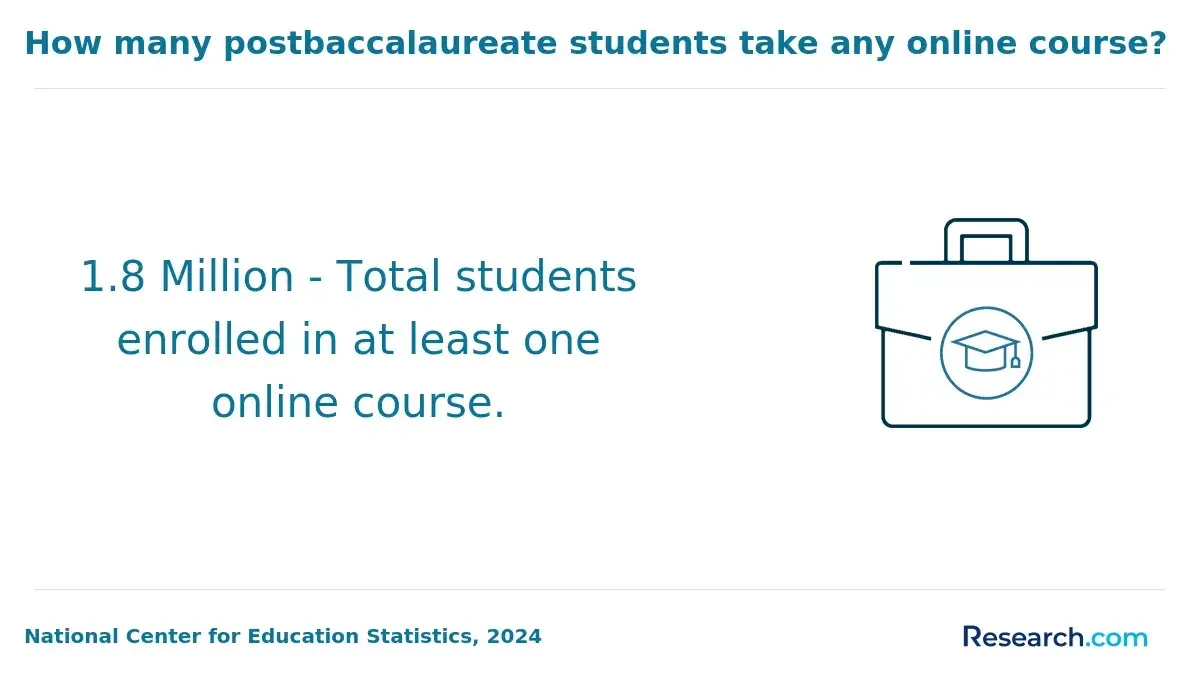
Research doctorates and professional doctorates serve different career goals. A PhD generally develops original research through advanced methods, candidacy milestones, and a dissertation. Professional credentials - including the DBA, EdD, DNP, PsyD, DrPH, DPA, and DSW - may emphasize advanced practice, clinical preparation, leadership, or applied inquiry. Requirements vary by program; a professional doctorate can still require substantial research or a dissertation.
Start with the role, then work backward to its actual entry requirements. A future research scientist should investigate PhD adviser fit and funding. A clinician should start with licensing-board requirements. An experienced manager should determine whether a doctorate adds value beyond a master's degree and experience. If you are still exploring careers and have not completed a bachelor's degree, best associate degrees are an earlier educational decision - not a direct route into doctoral admission.
Choose accreditation for the career you intend to enter, not as a box to check after enrollment. Confirm the institution's recognized accreditation, then determine whether your field also requires or strongly favors programmatic accreditation. In clinical psychology, nursing, and other regulated fields, the particular program and state licensing rules can determine eligibility; institutional accreditation alone may not be enough.
Use the same comparison questions for every school so a compelling salary claim does not conceal a poor fit:
- Ask the program to identify its accreditor and explain how its curriculum meets requirements for your intended state and occupation.
- Request the full degree plan, including research, project or dissertation milestones, clinical work, and in-person requirements.
- Compare published total costs, available funding, funding conditions, and any documented career outcomes relevant to your goal.
For a PhD, speak with potential advisers when the department permits it. A research mismatch or uncertain supervision can matter more to completion than a school's general reputation.
An online doctorate can be respected, but delivery format does not establish quality or licensing eligibility. Employers may care about the institution, relevant research or practice, and your ability to do the job. Licensing boards assess the applicable educational and supervised-practice requirements, which can vary by state.
Ask whether "online" still involves scheduled seminars, campus residencies, local clinical placements, laboratory work, adviser meetings, or an oral defense. Likewise, asynchronous coursework is not necessarily self-paced degrees: doctoral projects and faculty review usually have fixed milestones. Verify where any required in-person activity must occur before accepting an offer.
Doctoral admission starts with academic preparation, but requirements depend on the degree. Some research PhDs admit applicants after a bachelor's degree; many professional doctorates require a relevant master's degree, professional experience, an existing license, or a combination. Programs may request transcripts, recommendations, a statement of purpose, a writing sample or research proposal, and an interview. Tests and minimum GPAs are program-specific; do not infer their absence from a general university admissions page.
Research applicants should explain their methods preparation and fit with available faculty. Clinical applicants should verify prerequisites and licensure status. If you already have a master's degree, ask whether it satisfies an entry requirement or actually reduces doctoral coursework - those are different benefits. Previous graduate credit does not automatically transfer into the intended degree.
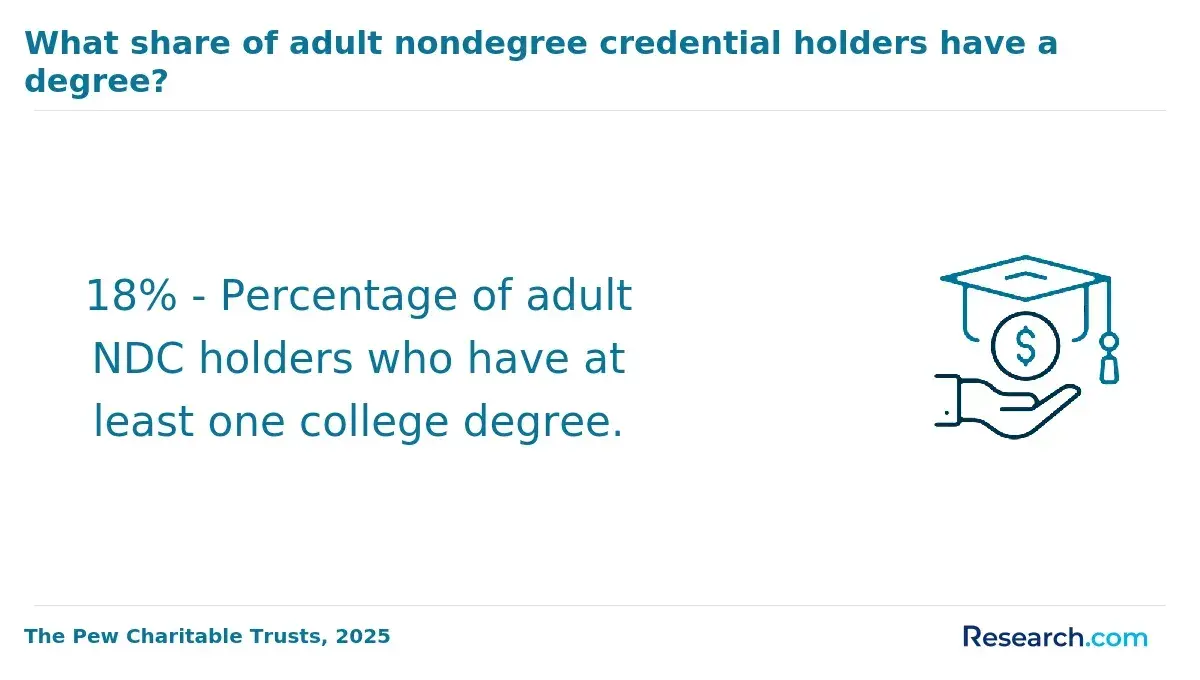
Plan in years and total out-of-pocket cost, not advertised course length. Research doctorates often take several years because examinations, data collection, publications, and dissertation approval continue beyond coursework. Professional programs can also require lengthy clinical placements or applied projects. Entry route, enrollment intensity, accepted graduate credit, and adviser availability change the timeline.
These cost categories help distinguish a low published tuition rate from a genuinely manageable financial commitment:
| Cost category | Why it matters |
| Tuition and mandatory fees | Required credits, enrollment terms, and program fees determine the billed total. |
| Funding and earnings | Assistantships, fellowships, or employer support can reduce costs; reduced work hours can increase opportunity cost. |
| Completion expenses | Residencies, travel, clinical placement, research, and extra enrollment terms may add costs. |
Request a written estimate covering the expected duration, funding eligibility and renewal, and charges during dissertation or project enrollment. A funded PhD with tuition remission may cost less out of pocket than a shorter, student-funded doctorate, although stipends and funding terms vary. If speed is your priority, compare the entire pathway - not just coursework - with fast degrees online and other less time-intensive ways to reach your goal.
Coursework is only one part of doctoral study. Research PhDs commonly combine advanced subject study and methods with qualifying or comprehensive examinations, a dissertation proposal, original research, and a defense. Some professional doctorates culminate in an applied project, clinical project, or dissertation; clinical programs may also require supervised placements. Ask for the current degree requirements rather than assuming every program uses the same model.
Review the sequence of milestones and who approves each one. In particular, find out whether a project can be based at your workplace, how advisers are assigned, and what happens if research access or a clinical placement falls through. Those dependencies can delay completion even when every course is finished.
Which licenses and certifications do doctorate graduates need?
A doctorate and a professional license are separate qualifications. Physicians need state medical licensure and postgraduate training. Psychologists generally must meet state education, supervised-experience, and examination requirements. Advanced practice registered nurses need applicable nursing authorization and role-specific certification. School leadership and clinical social work can also involve state credentials that a doctorate does not replace.
Before applying to a clinical or education program, identify the state where you plan to work and consult that state's licensing board. Ask the school to document whether its specific program meets that state's educational requirements and what examinations or supervised hours remain after graduation. If the program cannot clarify your intended pathway, treat that as a serious enrollment risk.
Other Things You Should Know About
Neither credential guarantees higher pay. A PhD may be valuable for specialized research; a professional doctorate may be necessary or useful for a particular clinical or practice goal. Compare the occupations each degree actually opens to you, along with funding and total cost.
No. Many management and technology jobs do not require one. Check the entry requirements and hiring patterns for your specific target role before committing to doctoral study.
Some programs permit part-time study, while others expect full-time research or intensive clinical work. Confirm the official enrollment options, scheduled activities, placement requirements, and funding restrictions with each program.
There is no universal winner. The strongest potential return comes when a degree is required for your goal, offers a credible path into the work you want, and has manageable net cost and opportunity cost. Compare that outcome with what you could achieve through a master's degree, experience, or certification.
- Occupation Finder: Occupational Outlook Handbook | bls.gov https://www.bls.gov/ooh/occupation-finder.htm
- Annual Earnings by Educational Attainment - COE https://nces.ed.gov/programs/coe/indicator/cba/annual-earnings
- Occupational profile and work tasks of Canadian PhDs | Government of Canada, Statistics Canada https://www150.statcan.gc.ca/n1/pub/36-28-0001/2022012/article/00002-eng.htm
- Survey of Earned Doctorates (SED) 2024 - NCSES - NSF https://ncses.nsf.gov/surveys/earned-doctorates/2024
- United States Bureau of Labor Statistics Education and Training Classification System | ca.gov https://labormarketinfo.edd.ca.gov/LMID/BLS_Training_Levels.html
- Research Summary: Education and Lifetime Earnings | ssa.gov https://www.ssa.gov/policy/docs/research-summaries/education-earnings.html
- Is a Professional Doctorate Worth It? Benefits & Career Value | Northeastern University Graduate Programs https://graduate.northeastern.edu/knowledge-hub/professional-doctoral-degrees/
- Types of Doctoral Degrees to Consider | Digital Crafts https://www.trident.edu/articles/types-of-doctorate-degree-programs-what-to-consider/
- Graduate degrees pay - but it's complicated | Brookings https://www.brookings.edu/articles/graduate-degrees-pay-but-its-complicated/
- What's the Difference Between a PhD and a Professional Doctoral Degree? | Walden University https://www.waldenu.edu/online-doctoral-programs/resource/what-is-the-difference-between-a-phd-and-a-professional-doctoral-degree