2027 Best PhD Programs With No GPA Requirement

Co-Founder and Chief Data Scientist
A low college GPA can make doctoral applications feel like a closed door, but a program that publishes no minimum GPA is not necessarily easy to enter. The National Science Foundation's Survey of Earned Doctorates recorded 57,862 research doctorates awarded by U.S. institutions in 2023 - a reminder that doctoral study is a substantial, research-intensive commitment. This guide is for prospective applicants comparing PhD options. It explains how to verify GPA policies, assess research fit and funding, and decide whether a PhD - or a different credential - best serves your goal.
Key Things You Should Know
- No published GPA minimum is not the same as no GPA consideration. Confirm the PhD program's policy directly; graduate-school rules may differ from departmental rules.
- A strong application needs evidence beyond grades. Relevant research, a persuasive writing sample, appropriate preparation, and faculty fit can matter greatly, but none guarantees admission.
- Compare the whole offer. Check accreditation, adviser availability, dissertation expectations, and written funding terms - not just whether an admissions page lists a GPA cutoff.
Top 10 Best PhD Programs With No GPA Requirement
Business / DBA Programs
A business PhD trains researchers who study topics such as management, accounting, or marketing. Admissions committees may weigh quantitative preparation, research interests, and faculty fit alongside transcripts. A Doctor of Business Administration (DBA) is a distinct, generally practice-oriented doctorate - not a substitute for a business PhD on a no-GPA list. Ask each business PhD department whether it has a minimum GPA and whether a graduate-school threshold also applies.
Education / EdD Programs
A PhD in education typically emphasizes original research into learning, policy, or educational systems. A Doctor of Education (EdD) often emphasizes applied leadership or practice; it should not be presented as a PhD. Education PhD applicants can use relevant research or evaluation work to demonstrate readiness, but must still verify the program's GPA policy. Compare potential advisers, research methods training, dissertation requirements, and funding before applying.
Educational Leadership Programs
Educational leadership PhD programs may suit applicants aiming to research school systems, higher education, or organizational policy. Many similarly named programs instead award an EdD, so check the exact credential first. Professional leadership experience can strengthen an application without replacing academic or research requirements. If your goal is a school leadership position, check your state's certification rules; a PhD alone does not confer an administrator license.
Psychology Programs
Psychology PhD admission can depend heavily on research preparation and alignment with a faculty member's work. A missing published GPA cutoff does not erase prerequisite or selective-admission requirements. A PsyD is a different credential and should not be counted as a psychology PhD. If clinical practice is your goal, verify the program's accreditation and your state's supervised-practice, examination, and licensure requirements before applying.
Nursing / DNP Programs
A nursing PhD centers on research and knowledge development; a Doctor of Nursing Practice (DNP) focuses on advanced practice and applying evidence in care settings. They are not interchangeable. Nursing PhD applicants should check degree and licensure prerequisites, research expectations, and any program-specific GPA rule. If your objective is an advanced clinical role, compare the required nursing credential and state licensure pathway rather than assuming a research PhD qualifies you for practice.
Public Health Programs
A public health PhD generally prepares students to conduct original population-health research. A Doctor of Public Health (DrPH) is a separate, typically practice-oriented degree. Applicants with uneven grades may be able to show research readiness through strong methods coursework, publications, or substantive project work. Confirm the exact GPA policy, faculty research capacity, funding, and any on-campus data or laboratory requirements with the PhD department.
Computer Science Programs
Computer science PhD programs assess whether applicants can undertake research in areas such as systems, artificial intelligence, or theory. Projects, research experience, mathematical preparation, and adviser fit may help contextualize a low GPA; industry experience alone may not show research readiness. Check both departmental and graduate-school GPA rules. Ask prospective advisers about available projects and funding rather than assuming a flexible admissions policy means an open research position.
Cybersecurity Programs
Cybersecurity research may sit within a computer science, information systems, or engineering PhD rather than a degree named "PhD in Cybersecurity." Confirm the awarded degree, research focus, and applicable GPA policy. Professional certifications and security work can support an application, but a dissertation requires research preparation. Applicants interested mainly in advancing within security operations should compare the PhD's time and funding demands with experience or industry credentials.
Social Work / Human Services Programs
A social work PhD prepares researchers to study services, policy, and interventions; a Doctor of Social Work (DSW) is a separate credential often focused on practice or leadership. Some PhD programs expect a social work master's degree or relevant experience, so verify entry requirements as well as GPA policy. A research doctorate does not itself grant social work licensure. Check state licensing rules if clinical practice is your aim.
Public Administration / Public Policy Programs
Public administration and public policy PhD programs can prepare students for research on government, organizations, and policy outcomes. A Doctor of Public Administration (DPA) is distinct from a PhD. Quantitative coursework, policy analysis, and a well-matched research proposal may help an applicant explain weaker grades. Verify any minimum GPA at both admission levels, then compare faculty expertise, methods training, dissertation support, and funding.
What Are PhD Programs With No GPA Requirement?
In the strict sense, they are Doctor of Philosophy programs that explicitly state there is no minimum GPA for admission. That statement does not mean transcripts are unnecessary, grades are ignored, or admission is open to everyone. A department might review applicants holistically while its graduate school still imposes a minimum or requires an exception.
Other policies are different: a program may waive a cutoff for qualified applicants, admit students conditionally, or consider a later graduate GPA instead of a weaker undergraduate record. Those options may help a low-GPA applicant, but they should not be labeled "no GPA requirement."
A dependable list requires current, explicit confirmation for each PhD program and its graduate school. No named program should be treated as meeting this criterion merely because its website omits a GPA number. Without a confirmed program-level policy, it would be misleading to rank schools as no-GPA options.
Use the distinction below when evaluating a prospective program's published language. It helps separate genuine eligibility from policies that still require a threshold or exception.
| Published policy | What it establishes |
| Explicitly states that the PhD has no minimum GPA, with no conflicting graduate-school rule | Supports describing the program as having no minimum GPA; transcripts may still be evaluated. |
| States a minimum GPA but permits exceptions | An exception pathway, not a no-minimum policy. |
| Lists transcripts but says nothing about a minimum | Insufficient evidence to claim there is no GPA requirement. |
| States only that applications receive holistic review | Insufficient evidence unless the minimum-GPA policy is also clear. |
For any candidate, check the official PhD admissions page, graduate catalog, and graduate-school rules for the same admissions cycle. If they leave the question unresolved, request written clarification from the department before paying an application fee.
Start by identifying where your record is weakest: overall undergraduate work, courses central to your proposed research, or later graduate study. Then build an application that directly addresses readiness rather than hoping reviewers overlook the transcript.
These steps help you use your time on evidence a research-focused committee can assess:
- Check eligibility first, including degree prerequisites, graduate-school minimums, and any documented exception process.
- Demonstrate research ability through a substantial project, thesis, research-assistant work, or a strong writing sample.
- Address weak grades briefly and specifically, emphasizing what changed and any stronger later coursework.
- Identify faculty whose current research matches your question; ask whether they expect to consider new students.
- Request recommendations from people who can describe your research skills and recent academic performance.
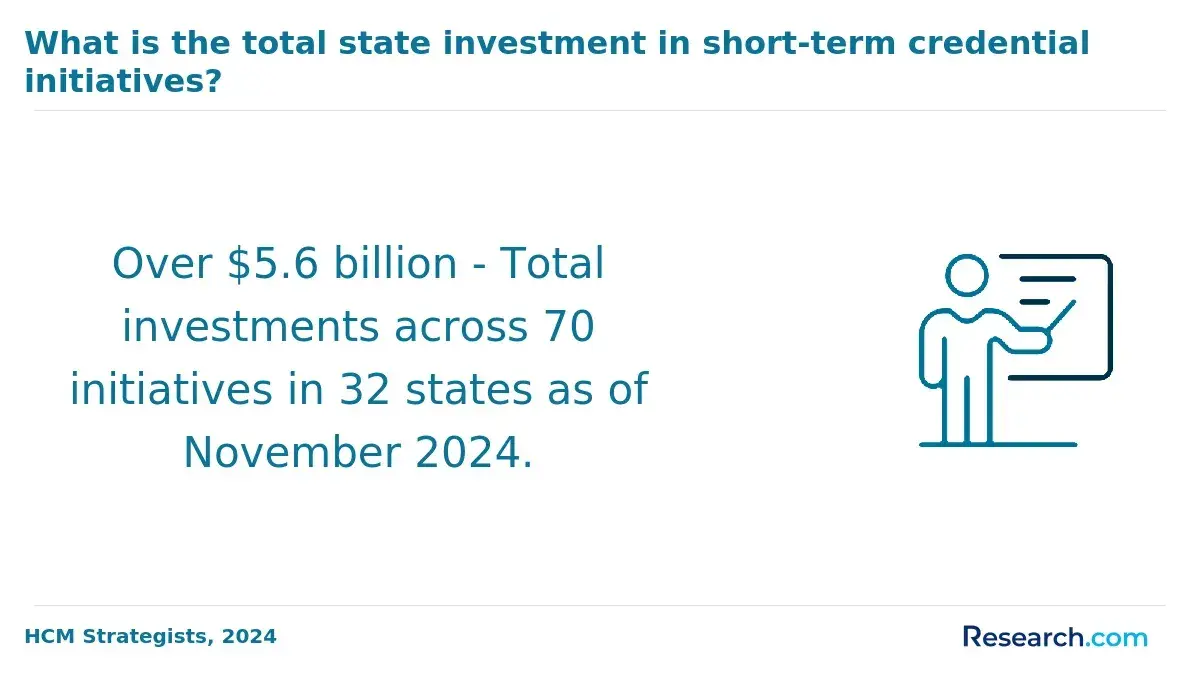
If the career goal does not require original research, compare the time and expense of a PhD with a master's degree, professional experience, or short term certificate programs. A shorter credential will not replace PhD training, but it may better fit a narrowly defined skills goal.
No-minimum-GPA does not mean no academic standards. Departments may evaluate prior coursework, a statement of research interests, a writing sample or portfolio, recommendations, an interview, relevant experience, and compatibility with available faculty supervision. Some programs require a GRE or other field-relevant test; others do not. A bachelor's degree is generally necessary, while master's-degree requirements vary by program.
Research fit deserves particular attention. A qualified applicant may still be unsuccessful if no adviser can supervise the proposed work. Ask whether applicants should contact faculty before applying and whether admission is to the department, a specific laboratory, or an adviser's research group.
Online delivery and a flexible GPA policy do not, by themselves, establish or undermine legitimacy. Check the institution's recognized accreditation, the exact degree awarded, faculty qualifications, research supervision, and the official dissertation and defense requirements. For a regulated profession, confirm whether the program meets relevant programmatic accreditation and state licensing rules.
Do not assume "online" means entirely remote or self-paced. Scheduled seminars, adviser meetings, research activity, residencies, examinations, or a dissertation defense may have fixed times or locations. Get these requirements in writing before enrolling.
If paying for an unfunded PhD would strain your budget, compare its purpose and total expense with narrower training such as easy certifications to get online. A certification cannot replace a PhD for a research goal, but it may avoid unnecessary doctoral debt for a skills-focused one.
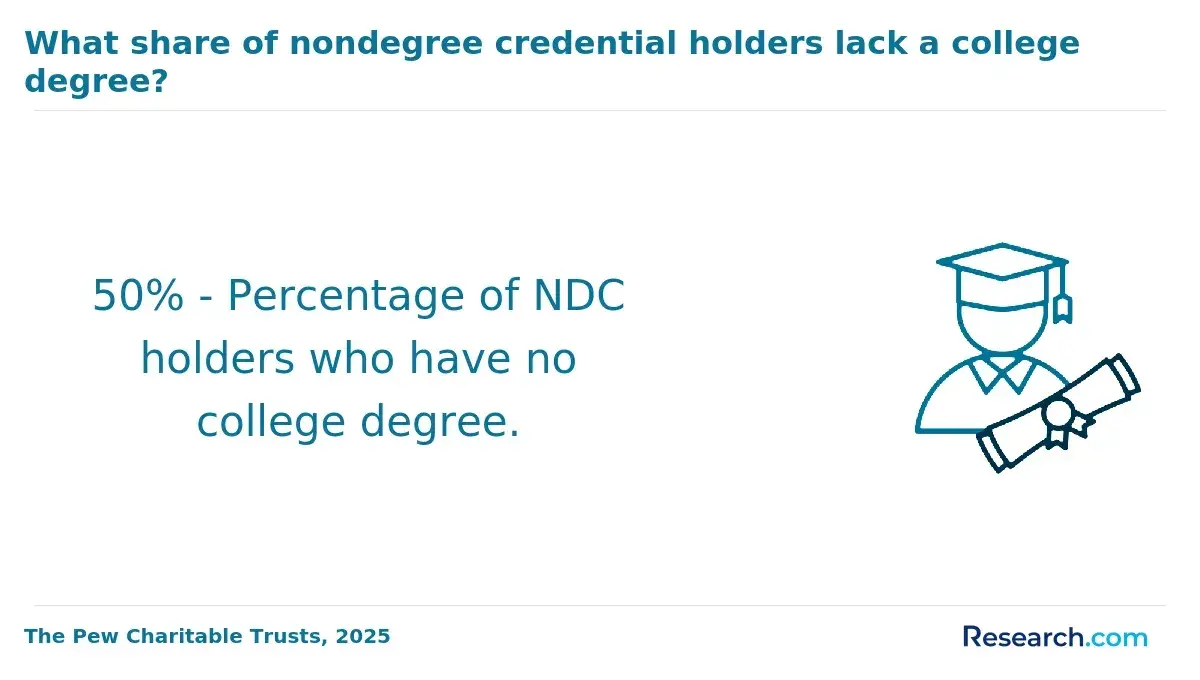
The GPA policy does not change the degree's academic purpose. PhD students generally develop field knowledge and research methods, complete advanced coursework, meet any qualifying or comprehensive examination requirements, advance to candidacy, and produce and defend original dissertation research. Requirements vary by discipline and institution.
Choose a curriculum based on the methods and supervision your research question requires, not the apparent ease of admission. For a goal centered on a specific workplace skill rather than original research, high paying certificate jobs can provide a useful comparison point - but occupational pay should not be mistaken for a promised outcome of any credential.
The admissions policy does not determine earnings. PhD holders may pursue academic, government, nonprofit, or industry research, depending on their field and experience. Faculty roles can also depend on publications, teaching, postdoctoral work, and hiring conditions; clinical roles may require licensure. A PhD alone guarantees none of these outcomes.
For salary planning, use occupation-specific U.S. Bureau of Labor Statistics wage data for your intended role, then check whether that role actually requires a doctorate. Occupational medians describe workers in a job - not the earnings of graduates of a particular PhD. If income is your primary objective, compare the doctoral route with alternatives covered in what degree makes the most money, while accounting for funding, time out of the workforce, and the work you want to do.
How Should You Choose a Reputable No-GPA PhD Program?
Treat an explicit, current no-minimum-GPA statement as an eligibility starting point, not a quality ranking. A strong match has suitable faculty, credible research resources, clear dissertation requirements, and funding terms you can sustain.
Before applying or accepting an offer, use these checks to catch the most consequential mistakes:
- Confirm in writing that neither the PhD department nor the graduate school imposes a minimum GPA; ask how exceptions work if a threshold exists.
- Verify institutional accreditation and, where your career requires it, applicable programmatic accreditation or licensing eligibility.
- Speak with prospective advisers about supervision capacity, research fit, expected milestones, and recent students' experiences.
- Compare written funding packages, required fees, enrollment rules, and support beyond the initially offered period.
- Check online attendance, campus visits, laboratory or clinical obligations, and dissertation-defense requirements before committing.
Be wary of a school that calls admission "guaranteed," treats an undergraduate open-admission policy as proof of PhD access, or cannot explain who will supervise your research. If you cannot verify the defining no-GPA claim, keep the program on a general low-GPA shortlist - not a confirmed no-GPA list.
Other Things You Should Know About
Possibly, if the program explicitly permits exceptions or conditional admission. Ask the department and graduate school which rule applies and what evidence an exception requires.
No. A program can consider the whole application while still enforcing a minimum GPA. Check its published eligibility rules or request written clarification.
No. Strong graduate performance may demonstrate recent readiness, but programs decide which transcripts they consider. A master's degree also does not automatically shorten a PhD.
They may fit certain professional goals, but they award different degrees. Compare their admissions policies and career purpose separately; do not count them as PhD programs.
- Requirements | The Graduate School - The University of Virginia https://graduate.as.virginia.edu/requirements
- How to Add Research Experience to Your Resume or CV | Binghamton University, State University of New York https://careertools.binghamton.edu/resources/how-to-add-research-experience-to-your-resume-or-cv/
- Application Materials | Washington Program - UC Davis https://washingtonprogram.ucdavis.edu/internships/application-materials
- Graduate Admission Requirements | University of Cincinnati Admissions https://www.admissions.uc.edu/apply/graduate/requirements.html
- Admission Requirements and Materials - UA Graduate School https://graduate.ua.edu/applicants/requirements/
- Graduate Admissions - Minimum Requirements | Graduate College https://grad.illinois.edu/admissions/graduate-admissions-minimum-requirements