2027 Best PhD Programs for Veterans

Co-Founder and Chief Data Scientist
Choosing a PhD after military service means deciding whether years of original research will advance your goals - and how to pay for that time. The stakes can be substantial: the U.S. Bureau of Labor Statistics reported a $145,080 median annual wage for computer and information research scientists in May 2023, but a PhD does not guarantee that job or salary. This guide helps veterans compare research fields, funding, GI Bill rules, program formats, and career alternatives so they can build a shortlist around their own experience and ambitions.
Key Things You Should Know
- The best veteran-friendly PhD is the one with strong adviser fit, sufficient funding, appropriate research opportunities, and workable military-benefit policies - not necessarily the highest-ranked school.
- Post-9/11 GI Bill recipients generally have up to 36 months of entitlement; a PhD can last longer, so compare the benefit timeline with the department's written funding offer.
- Keep degree types distinct: a research PhD is not interchangeable with a DBA, EdD, DNP, or other practice-focused doctorate, even when programs share a subject area.
Top 10 Best PhD Programs for Veterans - Veteran PhD Programs
Business / DBA Programs
A PhD in business prepares students to conduct original research in areas such as management, finance, or operations. Veterans with logistics or leadership experience may bring useful questions to a research group, but experience alone does not replace quantitative preparation or faculty fit. A Doctor of Business Administration (DBA) usually emphasizes applied organizational problems and is a different credential. Choose the PhD for a research-centered career; compare a DBA or MBA if your primary goal is advancement in practice.
Education / EdD Programs
A PhD in education suits veterans who want to study learning, policy, or educational outcomes through original research. A Doctor of Education (EdD) often centers on improving practice within an organization. Military training experience can suggest research topics, but neither degree automatically qualifies a graduate for a school leadership license. Compare faculty methods, dissertation requirements, and any state credential rules before choosing between the two.
Educational Leadership Programs
Educational leadership PhDs investigate how schools, colleges, or training systems operate; possible topics include veteran student transitions and workforce education. Applicants should distinguish research-intensive PhDs from practice-oriented EdDs bearing a similar specialization name. Some leadership jobs require prior teaching, administrative experience, or state certification rather than a doctorate alone. A working veteran should also check whether the research schedule - not just the course schedule - fits existing responsibilities.
Psychology Programs
Psychology PhDs may focus on experimental research, clinical training, or both. Veterans interested in trauma or rehabilitation should first decide whether they want to conduct research, provide clinical care, or pursue both. Clinical licensure has separate state requirements, including supervised experience and examinations. For a clinical pathway, check program accreditation and internship arrangements; for a research pathway, prioritize adviser fit and laboratory access. A PsyD is a separate doctoral credential, not a substitute name for a PhD.
Nursing / DNP Programs
A nursing PhD prepares nurse scholars to produce original research, potentially on veteran health or care delivery. A Doctor of Nursing Practice (DNP) emphasizes advanced nursing practice and evidence-based improvement instead. These paths generally require nursing preparation; military medical experience alone does not establish eligibility for nursing licensure. Compare each program's entry requirements, clinical or research obligations, and whether your goal requires a nursing doctorate at all.
Public Health Programs
Public health PhDs prepare researchers in disciplines such as epidemiology, biostatistics, and health policy. Veterans could investigate service-related exposures or access to care, provided a potential adviser has relevant expertise. A Doctor of Public Health (DrPH) generally targets applied public health leadership rather than the same research pathway. Check quantitative prerequisites, data access, research funding, and whether a master's in public health would meet your career goal sooner.
Computer Science Programs
A computer science PhD suits veterans seeking original research in areas such as AI, systems, or human-computer interaction. Technical military experience can inform a research question, but admission also depends on academic preparation and faculty fit. Compare research groups, computing resources, publication expectations, and funding. If the target is a software engineering role rather than research, industry experience or a master's degree may offer a more direct path.
Cybersecurity Programs
Cybersecurity research may sit within a PhD in computer science, information science, engineering, or another discipline; confirm the awarded degree rather than relying on a concentration label. Veterans with cyber operations experience should match their interests to faculty working on topics such as secure systems or privacy. A PhD makes sense for original research, not automatically for a security analyst role. Check whether the research requires restricted data, specialized facilities, or scheduled laboratory work.
Social Work / Human Services Programs
A social work PhD centers on research, teaching, and evidence about services and policy; veteran family support may be one research area. A Doctor of Social Work (DSW) is a distinct, more practice-oriented credential. Many social work PhDs expect prior social work education or professional preparation, so check eligibility carefully. Clinical social work licensure depends on separate state education and supervised-practice rules; neither doctoral title should be treated as an automatic license.
Public Administration / Public Policy Programs
PhDs in public administration or policy prepare students to study government decisions, organizations, and outcomes. Veterans may bring insight into defense, housing, or benefits policy, but research-methods preparation and an appropriate adviser remain essential. A Doctor of Public Administration (DPA) is a separate, generally practice-oriented option. If your aim is a policy job rather than original research, compare a relevant master's degree and professional experience before committing to doctoral study.
What Are the Best PhD Programs for Veterans?
The best PhD programs for veterans depend on the intended research and the actual financial offer. A strong candidate provides an adviser whose work matches yours, feasible access to research resources, clear completion requirements, and funding that remains viable if GI Bill entitlement runs out. Veteran services matter, but they cannot compensate for a poor research match.
These established U.S. PhD programs illustrate different starting points for a shortlist, not a ranked list or a claim that each offers veteran-specific funding. Confirm current admissions, faculty availability, and benefit certification directly with each institution.
| Research goal | PhD program to investigate | Most important fit question |
| Computer science research | Stanford University, PhD in Computer Science | Which faculty and research groups align with the proposed topic? |
| Population health research | Johns Hopkins University, PhD in Epidemiology | Do methods training and adviser projects match the question? |
| Nursing research | University of Washington, PhD in Nursing Science | Does the applicant meet nursing entry requirements? |
| Government and policy research | George Washington University, PhD in Public Policy and Public Administration | Is the program's research focus preferable to a practice-oriented degree? |
For a useful comparison, request each department's written funding terms, typical research milestones, full-time expectations, and recent time-to-degree information. Ask a prospective adviser about project availability and mentorship. Do not assume a university-wide veteran benefit or graduate funding statement applies to your particular PhD offer.
Eligible veterans can generally use Post-9/11 GI Bill benefits for an approved graduate program, including a PhD. At the applicable benefit percentage, payments may cover eligible tuition and mandatory fees, with potential housing and book allowances under VA rules. Limits differ for public and private institutions, and enrollment status and course delivery can affect payments. A school's Yellow Ribbon participation may help with otherwise uncovered tuition, but participation and award availability must be checked for the specific year and program.
Before accepting an offer, ask the school's certifying official to explain how it reports doctoral coursework, research enrollment, and dissertation credits to the VA. Request a term-by-term estimate that separates GI Bill payments from assistantship tuition remission, fees, and living costs. Do not assume two funding sources will pay the same charge twice or that housing payments continue unchanged after coursework ends.
Federal aid is another possible financing route for eligible students, though doctoral aid and institutional funding differ from undergraduate packages. Lists of best online colleges that accept FAFSA can explain aid terminology, but verify graduate aid eligibility and the PhD's actual funding terms with the university.
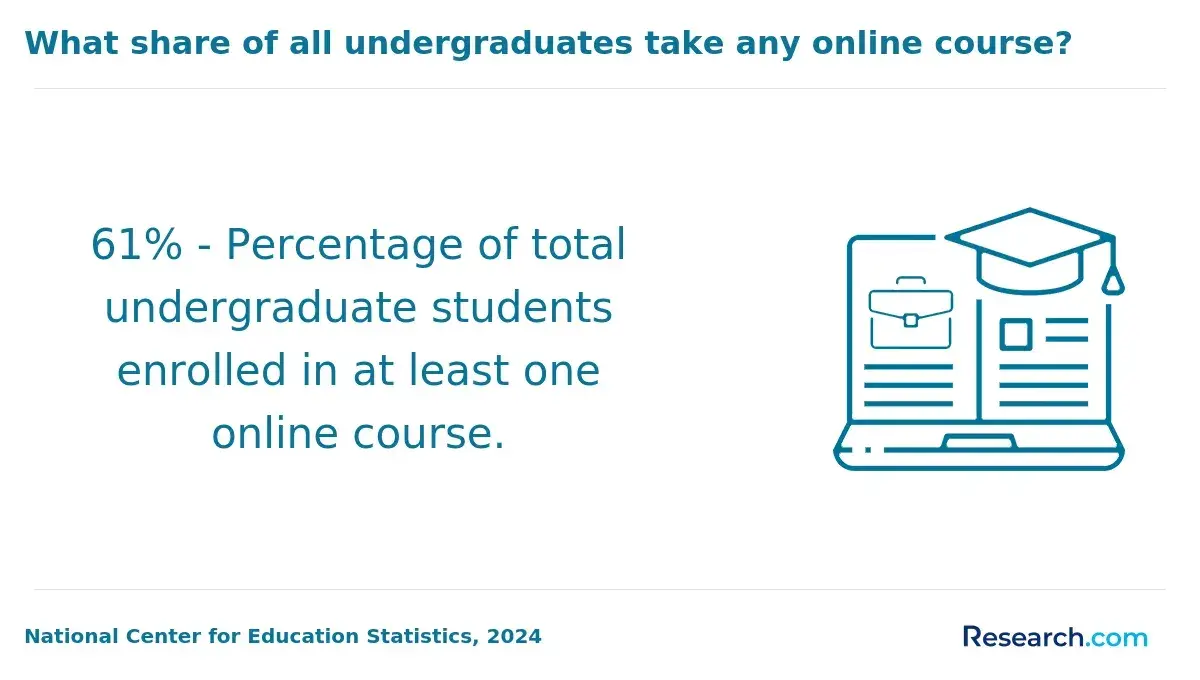
Online study can work for veterans, but an online course schedule does not make an entire PhD remote or self-paced. Research meetings, laboratory access, clinical placements, qualifying exams, residencies, and dissertation defenses may impose fixed times or locations. Some research fields also depend heavily on in-person collaboration.
First verify that the university holds recognized institutional accreditation. Then check whether the intended occupation or license calls for programmatic accreditation. For example, the accreditation status of a clinical psychology program can matter substantially to internship, licensure, and employment pathways; rules vary by state and employer. Nursing and social work applicants should likewise check the requirements that apply to their intended role rather than assuming every PhD has the same professional purpose.
Ask the department and the relevant state board about any unclear licensure claim before enrolling. Accreditation establishes an important baseline; it does not establish adviser fit, funding quality, or a guaranteed professional outcome.
PhD admission normally requires at least a completed bachelor's degree; some programs require or prefer a relevant master's. Departments may assess grades, prerequisite coursework, research experience, a statement of purpose, writing samples, recommendations, interviews, and faculty fit. GRE or GMAT policies vary by program. Veterans can explain how military work shaped a research question, but service is not automatically doctoral credit or a substitute for required academic preparation.
Check the program's own admissions page for whether you should contact potential advisers before applying. If you lack a prerequisite, ask whether a master's degree, specific courses, or research experience would make you a stronger applicant. A reader still completing undergraduate study might explore an easiest bachelor degree to get online comparison for that earlier stage, but doctoral eligibility and research preparation must be assessed separately.
Many research PhDs take several years beyond the bachelor's or master's degree, but no single duration applies to all fields or students. Coursework and qualifying exams may be followed by candidacy, a dissertation proposal, data collection, original research, and an oral defense. Adviser availability, research setbacks, clinical obligations, and enrollment intensity can change the timeline even after coursework is complete.
Published tuition is not the same as the cost a veteran will pay. A funded PhD offer may include tuition remission and a stipend; another offer may leave substantial tuition and living expenses to the student. This comparison identifies the figures to obtain in writing before making a decision.
| Cost or funding component | What to compare |
| Tuition and mandatory fees | Charges for coursework and dissertation enrollment, including fees not covered by remission |
| Assistantship or fellowship | Stipend, duties, eligibility conditions, and number of funded years |
| Benefits | Remaining GI Bill entitlement and any applicable Yellow Ribbon award |
| Other expenses | Housing, health coverage, research travel, equipment, and required campus visits |
Compare written offers over the likely entire degree, not just the first year. Ask whether summer support and later dissertation years are funded. Previous graduate study does not automatically shorten a PhD: the department must decide which eligible credits satisfy degree requirements, and research milestones may remain unchanged.
PhD students build expertise in a field, learn advanced research methods, and produce an original dissertation. The work may involve experiments, statistical analysis, archival research, interviews, computational models, or a combination of methods. Students commonly complete seminars and qualifying or comprehensive exams before advancing to candidacy and defending their research.
Veterans can turn questions arising from service into research proposals, but a workable topic also needs suitable methods, data access, and faculty supervision. When comparing departments, read faculty publications and ask how students join projects and select advisers. A compelling topic without an available mentor is a warning sign.
A PhD can prepare veterans for university research and teaching, government or nonprofit research, laboratory work, and research-intensive industry roles. The best destination depends on the field and the skills developed during doctoral study. Faculty hiring can be competitive, and some research careers involve postdoctoral training; a PhD alone does not secure an appointment.
If your target job values operational expertise more than original research, compare the doctorate with a master's degree, professional experience, or an appropriate credential. Exploring easy licenses and certifications to get may help identify shorter alternatives, but check whether any credential is actually recognized for your intended occupation and whether it requires separate examination or licensure.
What Salaries and Job Outlook Can PhD Graduates Expect?
BLS occupational data offers context, not a forecast of a PhD graduate's earnings. For example, the median annual wage for information security analysts was $120,360 in May 2023. That occupation does not generally require a PhD, so the figure is not evidence that doctoral study causes higher pay. Research roles, academic positions, and clinical occupations have different entry requirements and labor markets.
To judge return on investment, compare your realistic target roles with the time spent studying, foregone earnings, likely stipend, remaining tuition, and existing military or professional qualifications. Current demand for AI and cybersecurity skills may create research opportunities, but employers still evaluate specific methods, experience, and results. Use occupation-specific BLS wage and projection data when assessing a particular career; do not choose a dissertation topic from a broad salary headline.
Other Things You Should Know About
Not automatically. GI Bill benefits, Yellow Ribbon awards, and departmental funding may substantially reduce costs, but coverage depends on eligibility, school charges, enrollment, and the written funding offer.
Service can strengthen an application or inform research. It does not automatically earn doctoral credit; ask the specific department whether eligible prior graduate coursework can satisfy degree requirements.
Choose a PhD when original research is central to your goal. Consider a DBA, EdD, DNP, or another professional doctorate when its practice-focused requirements better match your career and you meet its entry criteria.
Some programs permit part-time enrollment, but research, meetings, and funding conditions may still conflict with full-time work. Get the program's schedule and assistantship rules before committing.
- Doctorate Recipients from U.S. Universities: 2023 | NCSES | NSF https://ncses.nsf.gov/pubs/nsf25300/report/data-source
- Yellow Ribbon Program | Veterans Affairs https://www.va.gov/education/about-gi-bill-benefits/post-9-11/yellow-ribbon-program/
- Use The Data - National Center for Education Statistics (NCES) https://nces.ed.gov/ipeds/use-the-data
- Veterans and Military Families | ed.gov http://www.ed.gov/higher-education/veterans-and-military-families
- Uniformed Services University of the Health Sciences Department of Medical and Clinical Psychology | navy.mil https://www.med.navy.mil/Medical-Service-Corps/Clinical-Psychology/Navy-Clinical-Psychology-Training-Programs/Uniformed-Services-University-of-the-Health-Sciences-Department-of-Medical-and-Clinical-Psychology/
- How to join VA's Research: A Plain-Language Guide for Research Scientists https://www.research.va.gov/funding/how-to-join-va-research.cfm
- School and Department Funding | gwu.edu https://gradfellowships.gwu.edu/school-and-department-funding
- SAASS PhD Programs - Air University https://www.airuniversity.af.edu/SAASS/PHD-Programs/
- Medschool, Admissions, Application Requirements | usuhs.edu https://medschool.usuhs.edu/admissions/application-requirements
- Types of Financial Aid for Graduate Students | University of Denver https://www.du.edu/admission-aid/financial-aid-scholarships/graduate-financial-aid/types-aid