2027 Best PhD Programs With Monthly Start Dates

Co-Founder and Chief Data Scientist
A monthly start can save you from waiting for the next academic year - but only if the PhD program itself, not just its university, admits new students that often. The National Science Foundation's 2023 Survey of Earned Doctorates counted 57,862 research doctorate recipients in the U.S., a reminder that doctoral study is a substantial research commitment, not simply another set of courses.
This guide helps prospective students distinguish genuine monthly entry from rolling applications, compare PhD fields, and check the admissions, funding, and dissertation requirements that matter more than a convenient start date alone.
Key Things You Should Know
- "Applications accepted year-round" does not establish that a PhD cohort begins every month; ask for the next 12 program-specific entry dates.
- A PhD is a research doctorate. An EdD, DBA, DNP, or other professional doctorate cannot be counted as a monthly-start PhD.
- Treat accreditation, adviser availability, research requirements, and net cost as essential comparisons even when two programs offer equally convenient entry dates.
Top 10 Best PhD Programs With Monthly Start Dates
Business / DBA Programs
A PhD in business is generally aimed at original research in areas such as management, accounting, or organizational behavior. A Doctor of Business Administration (DBA) is a different credential and should not be listed as a PhD, even if it offers more frequent starts. Ask whether your intended business PhD specialization admits students monthly, whether an adviser is available at each entry point, and how research-methods courses are sequenced. Choose a DBA instead only if its practice-oriented purpose better matches your goal.
Education / EdD Programs
A PhD in education emphasizes research on learning, policy, instruction, or related questions. An EdD may focus more directly on problems of educational practice; its start calendar does not verify a PhD's calendar. Compare faculty research interests, dissertation expectations, and whether courses needed by new PhD students actually begin each month. If your goal is school administration rather than research, check whether a doctorate is necessary and whether your state requires a separate administrator credential.
Educational Leadership Programs
A PhD in educational leadership can suit researchers studying school systems, higher education, or organizational change. Programs with similar names may instead award an EdD, so confirm the credential before comparing starts. Ask whether monthly entrants can join a research-methods sequence immediately or must wait for a cohort. Leadership roles also commonly depend on relevant experience and, in some school settings, state certification; the PhD alone does not confer either.
Psychology Programs
Psychology PhDs vary substantially: a research-focused program and a clinical program have different supervision, placement, and training needs. A university's frequent online course starts do not establish monthly admission to either PhD pathway. If you intend to become a licensed psychologist, verify the program's training model, applicable accreditation, supervised-practice requirements, and the rules of your intended state. A PsyD is a separate degree, not a substitute entry on a PhD shortlist.
Nursing / DNP Programs
A PhD in nursing develops research skills; a Doctor of Nursing Practice (DNP) generally emphasizes advanced practice or systems improvement. Do not use a DNP's monthly start dates as evidence that a nursing PhD admits monthly. For a nursing PhD, compare research mentors, methods preparation, and funding. For clinical work, check nursing licensure and role-specific certification separately: earning a research doctorate does not itself authorize advanced clinical practice.
Public Health Programs
A public health PhD centers on original research, often within a defined area such as epidemiology or health policy. The Doctor of Public Health (DrPH) is a distinct, usually practice-oriented credential. For a purported monthly-start PhD, confirm that your specialization - not merely a general graduate application portal - accepts entrants each month. Ask how new students access faculty supervision, research data, and required methods courses without waiting for an annual cohort.
Computer Science Programs
A computer science PhD depends heavily on research-group fit, whether the work concerns AI, systems, security, or another area. Frequent university-wide starts mean little if a laboratory recruits only for a particular term. Ask potential advisers whether they are accepting students for your proposed start and whether funding begins then. A master's degree or industry experience may be a better route if your goal is software work rather than sustained original research.
Cybersecurity Programs
A cybersecurity PhD may study cryptography, usable security, systems, or policy; confirm that the award is a PhD rather than a professional doctorate with a similar title. Before prioritizing a monthly start, examine faculty expertise, access to suitable research facilities or data, and dissertation expectations. If your goal is an operational security role, compare the PhD's time and cost with relevant experience, a master's degree, or a professional certification.
Social Work / Human Services Programs
A social work or human services PhD is chiefly a research pathway, not an automatic route to clinical licensure. A Doctor of Social Work (DSW) is a separate credential. Check the exact degree, faculty supervision, and program-specific entry dates before calling an option monthly-start. For licensed clinical practice, examine your state's education, examination, and supervised-experience rules; the research doctorate may not replace them.
Public Administration / Public Policy Programs
A PhD in public administration or public policy can prepare students for original research in governance, organizations, or policy analysis. A Doctor of Public Administration (DPA) is not a PhD. Some research opportunities depend on faculty projects, data access, and course sequences, so verify whether each advertised entry month offers a workable path into those requirements. A master's degree plus policy experience may serve applicants whose primary goal is practitioner advancement.
What are the best PhD programs with monthly start dates?
There is no defensible universal "best" monthly-start PhD list without current, program-specific doctoral entry calendars. A school may accept applications every month while admitting PhD students only once or twice a year. Accordingly, the fields above are options to investigate, not a ranking of verified monthly-start programs. The strongest choice is a PhD whose published start date, available adviser, research training, funding, and career purpose all fit the applicant.
The comparison below helps narrow a search before requesting written confirmation of start dates. It compares research goals, not unverified claims that any field or institution admits monthly.
| PhD area | Best reason to investigate it | Entry-date question to ask |
| Education or educational leadership | Research on teaching, institutions, or policy | Can new students begin required research courses in every advertised month? |
| Psychology, nursing, or public health | Health or behavioral research with field-specific supervision | Will a suitable research supervisor and any required placements be available at entry? |
| Computer science or cybersecurity | Original technical research | Is a relevant adviser recruiting and able to fund a student for that start? |
| Business, human services, or public policy | Research on organizations, services, or governance | Does the PhD specialization - not just the graduate school - admit then? |
They can be, but a monthly calendar says nothing about academic quality. Verify the university's institutional accreditation through the accreditor's directory or the U.S. Department of Education's accreditation database. Then check whether programmatic accreditation matters for your intended field or license. Psychology and some health professions, for example, require closer examination of the specific program and intended state's rules.
Accreditation is a starting point, not a research-quality rating. Compare faculty publications and availability, dissertation supervision, graduate outcomes when published, and the actual award name. A guide to the best online universities can help generate questions about institutional options, but verify the particular PhD and its entry dates separately.
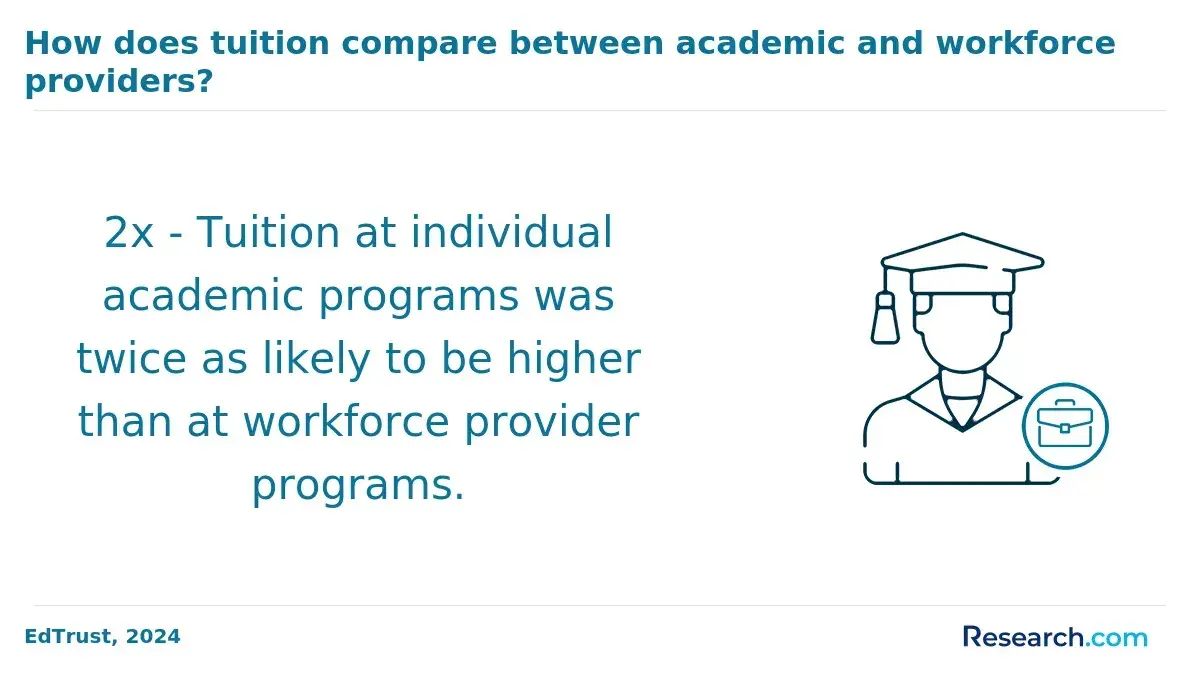
Online study can reduce travel for coursework; campus study can offer easier day-to-day access to laboratories and research groups. Neither format determines start frequency, and "online" does not necessarily mean asynchronous or free of in-person requirements.
This comparison highlights commitments that can affect whether an advertised monthly start is practical for your research and work schedule.
| Format | Potential advantage | Requirement to verify |
| Online | Coursework may be accessible from home | Live seminars, adviser meetings, residencies, exams, and defense arrangements |
| Hybrid or low-residency | Remote work combined with planned in-person contact | Frequency, location, and cost of required visits |
| Campus-based | Regular access to faculty, peers, and facilities | Residency expectations, research-group capacity, and permitted enrollment intensity |
Request the doctoral handbook, not just a course-delivery label. It should clarify where research, examinations, and the dissertation defense occur.
PhD admission normally requires at least a completed bachelor's degree; some programs require or prefer a relevant master's degree. Depending on the field, applicants may need prerequisite coursework, research experience, a statement of purpose, writing sample, recommendations, an interview, or a proposed faculty match. GRE or GMAT policies and minimum GPA standards vary by program. A university-wide rolling-admission policy does not override a PhD department's application deadline.
If you are still completing undergraduate study, a guide to easy degrees to get online may help you consider an earlier educational step; it does not establish readiness for doctoral research. Before paying an application fee, ask the department whether your preparation meets its requirements and whether applicants for your intended month will actually be considered.
A PhD typically combines advanced subject courses and research methods with original research. Depending on the program, students may complete qualifying or comprehensive examinations, advance to candidacy, secure approval of a dissertation proposal, conduct research, and defend a dissertation. Clinical, laboratory, or field-based PhDs can add placement or facility requirements.
These milestones explain why monthly entry should not be mistaken for self-paced completion. Check when required methods courses run, how advisers are assigned, and whether a student starting in a given month can progress without an avoidable wait. Previous graduate coursework may satisfy particular requirements only after a program-level evaluation; a master's degree does not automatically waive candidacy or dissertation work.
A monthly start changes when you can begin, not how quickly you can finish. Completion depends on entry preparation, enrollment intensity, course sequencing, examinations, adviser availability, proposal approval, data collection, and the dissertation defense. Clinical or laboratory requirements can add constraints that a course-credit estimate misses.
Ask programs for their published time-to-degree information and separate it from a minimum advertised timeline. If a shorter pathway assumes an eligible master's degree or accepted graduate credits, request an individual evaluation showing which requirements remain. Also ask whether funding continues through the expected dissertation period; an early start has limited value if it leaves you facing an unfunded final stage.
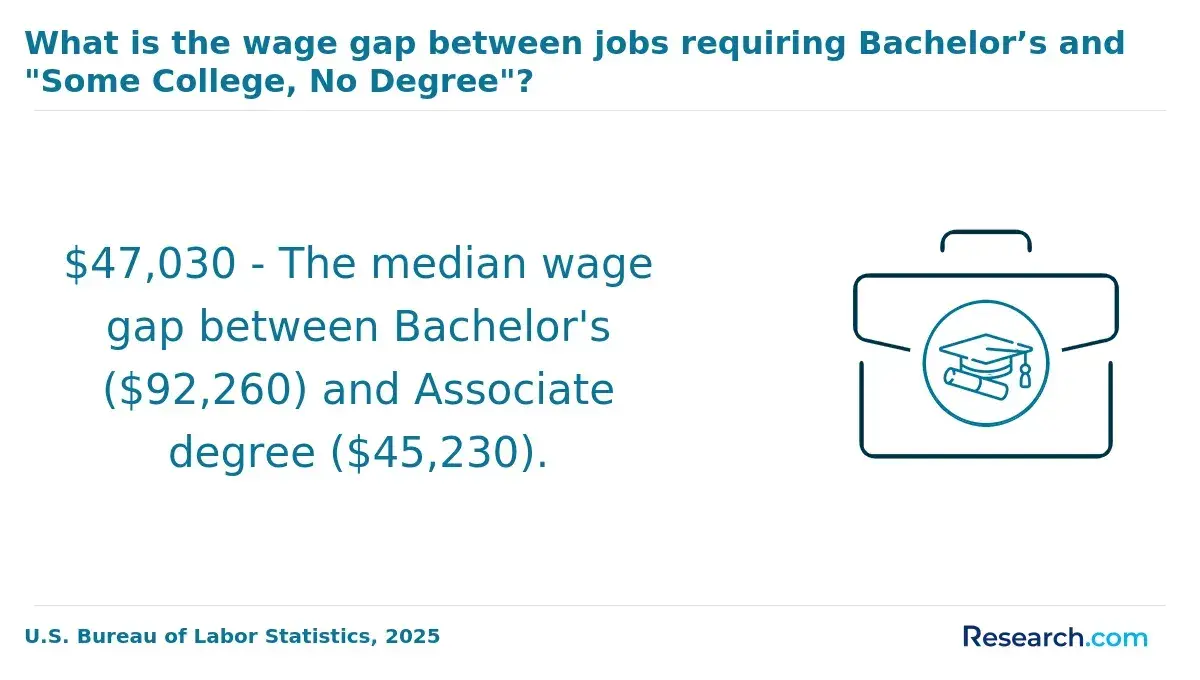
Published tuition alone cannot establish the cost of a PhD. Compare mandatory fees, required campus travel, research expenses, and living costs with any tuition remission, stipend, fellowship, or assistantship. Ask whether funding is guaranteed, for how long, under what conditions, and whether summer support or health-insurance assistance is included. Never assume that every PhD is funded - or that a high sticker price is what a funded student pays.
For a useful comparison, request the same cost and funding details from each program. The following items expose expenses that a per-credit price can hide.
- Estimated tuition and mandatory fees for the remaining degree requirements, after any approved graduate transfer credit.
- Written funding terms, including covered fees, stipend conditions, work duties, and the number of funded years.
- Required travel, residency, placement, equipment, and research expenses, plus likely costs if dissertation work extends beyond funding.
Lists of cheap doctoral programs can suggest schools to examine, but compare the net cost of an actual PhD - and verify its monthly entry - before calling it affordable.
A PhD can support academic research, government or nonprofit research, and specialized industry work, depending on the field and a graduate's experience. It does not guarantee a faculty appointment, leadership role, or particular salary. For context, the U.S. Bureau of Labor Statistics reports a May 2024 median annual wage of $140,910 for computer and information research scientists. That is an occupational median, not the pay of computer science PhD graduates; employers and positions have differing education and experience requirements.
Evaluate the career you want before accepting the cost and time of doctoral study. A research-centered role may make a PhD especially relevant, while some practitioner roles may be accessible through a master's degree, certification, licensure, or experience. If you are exploring independent analytical work, descriptions of good paying jobs for introverts may broaden your search, but job fit depends on the role and workplace - not on a PhD title.
How should you choose the right monthly-start PhD program?
Start with the research question or career goal, then compare only programs awarding a PhD in the relevant field. Do not let a convenient application portal outweigh a poor faculty match or uncertain funding. These checks turn "monthly start" into a verifiable admissions criterion rather than a marketing impression.
- Request the program's next 12 doctoral entry dates in writing; distinguish application deadlines, admission decisions, orientation, courses, and actual PhD matriculation.
- Confirm that a suitable adviser is accepting students for your proposed month and ask when research supervision and required courses begin.
- Check institutional accreditation, field-specific requirements, degree title, dissertation milestones, and any campus or clinical commitments.
- Compare written net-cost and funding offers alongside the program's published time-to-degree information and your likely foregone earnings.
A common mistake is treating a university's rolling graduate admissions as proof of monthly PhD cohorts. Another is choosing the earliest date without checking research fit. If a department cannot confirm its entry calendar or who will supervise your work, keep it off a verified monthly-start shortlist until it can.
Other Things You Should Know About
No. Rolling admission describes how applications are reviewed. Ask the PhD department for its actual matriculation dates and the first term in which required coursework begins.
Some programs admit qualified bachelor's graduates; others require or prefer a master's degree. Check the specific program's prerequisites, research expectations, and admissions policy.
Not necessarily. More frequent entry does not reduce selection standards, examinations, original research, or dissertation requirements.
Possibly, but do not assume so. Confirm any residencies, laboratory or clinical work, in-person examinations, and dissertation-defense requirements directly with the program.
- Cost of Attendance (Budget) | 2025-2026 Federal Student Aid Handbook https://fsapartners.ed.gov/knowledge-center/fsa-handbook/2025-2026/vol3/ch2-cost-attendance-budget
- Survey of Earned Doctorates (SED) 2024 - NCSES - NSF https://ncses.nsf.gov/surveys/earned-doctorates/2024
- How the PhD Program Works - Doctoral https://doctoral.wharton.upenn.edu/overview/degree-requirements/
- Dissertation & Thesis Information | University of Denver https://www.du.edu/graduate-education/current-student-resources/dissertation-thesis-information
- Applying to Grad School - The City University of New York https://www.cuny.edu/admissions/graduate-studies/prepare/
- Cost & Funding - Graduate School - University of Arkansas https://graduate-students.uark.edu/cost-and-funding/
- Types of Aid - USC Financial Aid https://financialaid.usc.edu/graduate-professional-financial-aid/prospective-students/types-of-aid/
- Dissertation Process | Richard and Loan Hill Department of Biomedical Engineering | University of Illinois Chicago https://bme.uic.edu/graduate/phd-programs/dissertation-process/
- Funding FAQs | UCLA Graduate Programs https://grad.ucla.edu/funding/faqs/
- What's the Difference Between a PhD and a Professional Doctoral Degree? | Walden University https://www.waldenu.edu/online-doctoral-programs/resource/what-is-the-difference-between-a-phd-and-a-professional-doctoral-degree