2027 Best Doctoral Programs With Payment Plans

Co-Founder and Chief Data Scientist
A monthly payment plan can make a doctoral tuition bill easier to manage, but it does not make the degree less expensive. The distinction matters when you may spend years paying for coursework, research, and required projects. The National Center for Science and Engineering Statistics reports that U.S. institutions awarded 57,862 research doctorates in 2023 - a reminder that doctoral study is a substantial commitment, not a short financing decision.
This guide helps prospective PhD and professional-doctorate students compare fields, identify realistic payment options, and calculate what they would owe before signing an enrollment agreement.
Key Things You Should Know
- A payment plan usually divides a term's bill into installments; it is not a tuition discount, scholarship, or promise that every doctoral fee is covered.
- Compare the full degree cost and funding first. A funded PhD may cost a student less than a lower-tuition, self-funded professional doctorate.
- Do not assume a university's general installment policy applies to doctoral tuition. Confirm program eligibility, enrollment deadlines, fees, and missed-payment rules in writing.
Top 10 Best Doctoral Programs With Payment Plans - Top Doctoral Programs
Business / DBA Programs
A Doctor of Business Administration (DBA) generally emphasizes applied research and organizational practice; a business PhD typically emphasizes original research and scholarly careers. Many DBA candidates are experienced professionals paying tuition while employed, so installment eligibility and predictable term charges matter. Ask whether executive residencies, dissertation or applied-project enrollment, and continuation terms can be included in a plan. Compare the total expense with an MBA or additional management experience if your goal does not require a doctorate.
Education / EdD Programs
A Doctor of Education (EdD) often serves experienced educators pursuing practice-focused leadership or improvement projects, while an education PhD usually places greater emphasis on research. Payment-plan terms are particularly important if project work continues after classes end. Check whether the school bills for continuing enrollment, campus sessions, or fieldwork. An EdD does not automatically confer a principal or superintendent credential; verify your state's separate requirements before budgeting for the degree.
Educational Leadership Programs
Educational leadership doctorates may award an EdD or PhD, with different research expectations and career aims. A school administrator should confirm that the curriculum matches the intended district, higher-education, or policy role before comparing installments. Ask whether required internships occur during work hours and whether employer tuition assistance pays before or after each term's bill comes due. A manageable monthly charge is less useful if the program requires unpaid time away from work.
Psychology Programs
Psychology PhDs, PsyDs, and other doctorates are not interchangeable. If independent clinical practice is the goal, check the program's accreditation, supervised-training requirements, and eligibility under the licensing rules of the state where you plan to practice. Practica and internships can add travel costs or limit paid work. Confirm whether an installment plan covers those enrollment periods; also compare PhD funding rather than assuming every psychology doctorate must be self-funded.
Nursing / DNP Programs
A Doctor of Nursing Practice (DNP) is a practice-focused credential; a nursing PhD primarily prepares students for research. Entry routes and required clinical hours differ, so compare programs only after confirming your nursing license, prior degree, specialty, and state authorization meet their requirements. Ask whether a payment plan covers clinical-course fees and summer enrollment. The DNP alone does not grant advanced-practice licensure or certification; those requirements remain separate.
Public Health Programs
A Doctor of Public Health (DrPH) commonly emphasizes applied leadership and public-health practice, whereas a public-health PhD usually prioritizes research. Compare the program's professional-experience requirements, practicum or residency obligations, and culminating project before evaluating its installment schedule. Students supported by employers should ask when reimbursement arrives: a school payment may be due well before an employer pays. An MPH or focused professional experience may be the better-value route for some roles.
Computer Science Programs
Computer science PhDs center on original research, faculty fit, and often substantial time in a laboratory or research group. For these programs, an assistantship with tuition remission may matter more than a monthly payment plan. Verify the actual funding offer, its duration, and any uncovered fees. An employed applicant seeking advancement in software development should compare the research commitment with a master's degree or industry experience before paying for a self-funded doctorate.
Cybersecurity Programs
Cybersecurity doctorates range from research-oriented PhDs to practice-focused degrees in computing or technology. Check the credential awarded and whether the program's research, governance, or technical emphasis matches your goal. If you are paying while working, ask whether the installment plan includes dissertation or project-continuation charges. For many security jobs, experience and relevant certifications may offer a less costly next step than doctoral study.
Social Work / Human Services Programs
A Doctor of Social Work (DSW) generally emphasizes advanced practice or leadership; a social work PhD more commonly prepares researchers. Related human-services doctorates can have different professional purposes. Compare required practice projects, residencies, and continuation fees alongside the installment amount. A doctorate does not replace a state social-work license or supervised-practice requirements. If your goal is clinical licensure, establish the required master's-level pathway first.
Public Administration / Public Policy Programs
A Doctor of Public Administration (DPA) often targets applied public-sector leadership, while public policy and public administration PhDs generally emphasize research and analysis. Ask whether the degree requires an agency-based project, research residency, or dissertation, and whether those periods are billed differently. A payment plan may help a working public servant manage tuition, but a doctorate is not automatically necessary for promotion; compare agency requirements and employer education benefits first.
What Are the Best Doctoral Programs With Monthly Payment Plans?
The best doctoral program with a monthly payment plan is the one that both fits your career goal and has a confirmed, affordable installment arrangement for your specific doctoral charges. There is no reliable universal ranking: institutional plans can change by term, and a university-wide plan may exclude particular doctoral programs or fees. Without a current doctoral-level payment agreement, a school should not be treated as a verified monthly-payment option.
This comparison shows which financing question should lead your search in each program type. It distinguishes an installment plan from funding that may reduce what you owe.
| Program type | Most important financing comparison | Potential complication |
| Research PhD | Written offer for tuition remission, stipend, and funded years | Unfunded fees or funding that ends before completion |
| Working-professional doctorate | Installment eligibility and total tuition across required terms | Employer reimbursement arriving after payment deadlines |
| Clinical or practice doctorate | Coverage of clinical, practicum, and summer charges | Travel or reduced working hours during placements |
Use a school's official doctoral tuition schedule and student-accounts agreement - not a general marketing statement - to verify an option. Compare at least two eligible offers on the same expected completion path before calling either the better deal.
A payment plan changes when you pay, not the published cost of the doctorate. Total expense depends on required credits or terms, tuition increases, mandatory fees, research or clinical expenses, travel, and how long you remain enrolled. A plan may also have an enrollment fee or penalties for missed payments. Request a term-by-term estimate through the expected dissertation or project completion date, not just through the last taught course.
Subtract confirmed grants, tuition remission, and employer assistance from that estimate, then check the timing of each payment. Borrowing to cover installments creates a separate repayment obligation and possible interest costs. Federal graduate-loan rules can change, so confirm current eligibility and limits with the financial-aid office rather than relying on an older borrowing example. If doctoral study is optional for your goal, compare the full expense with a cheapest online master's degree that meets your actual career requirements.
Some online doctoral programs are accredited, but online delivery and a convenient billing arrangement do not establish accreditation. Check the institution's current status with its recognized institutional accreditor. Then check field-specific accreditation where it affects licensure, certification, employment, or clinical placements - particularly in psychology, nursing, and some education pathways.
Accreditation answers a different question from payment-plan eligibility. Ask the school to identify the accrediting organization, the exact program covered, and any state restrictions relevant to where you live or intend to practice. A legitimate installment agreement cannot fix a degree that fails to meet your professional requirements.
DBA, EdD, DNP, DrPH, DSW, and some other practice-focused doctorates may offer online or hybrid coursework; research PhDs may require regular access to faculty, laboratories, or campus resources. The format of a course is not necessarily the format of the whole degree. Scheduled seminars, research meetings, residencies, clinical placements, examinations, and defenses can still apply to online students.
Request a complete calendar of required attendance before choosing a plan. Compare its travel and time-off costs with the monthly tuition charge. Likewise, self paced online college options illustrate learner-controlled pacing, but an asynchronous doctoral course should not be assumed to make the dissertation, project, or clinical schedule self-paced.
Most doctoral curricula combine advanced field study with research methods or evidence-based practice. A research PhD commonly adds qualifying examinations, candidacy, an original dissertation, and a defense. Professional doctorates may instead require an applied research project, clinical project, capstone, or dissertation, depending on the program; an applied project is still substantial doctoral work.
These requirements affect financing. Coursework may end while dissertation supervision, project approval, data collection, or clinical work continues to incur enrollment charges. Ask for the catalog's exact culminating requirements and the tuition and payment-plan rules for every remaining stage.
Admission generally requires at least a bachelor's degree; many professional doctorates require or prefer a relevant master's degree, professional experience, or an active license. Research PhD admissions may place particular weight on research preparation and faculty fit. Applications can also require transcripts, recommendations, a statement of purpose, writing or research samples, an interview, and a program-specific test where applicable.
Check the doctoral program's requirements rather than assuming a university-wide graduate policy controls admission. If you have previous graduate coursework, request a program-level evaluation: accepted transfer credit does not necessarily replace required doctoral courses, candidacy, a dissertation, or clinical work. Ask for that decision before committing to an installment schedule.
Doctoral completion time varies with entry qualifications, enrollment intensity, course sequencing, and the culminating requirement. A post-master's professional pathway may differ substantially from a direct-entry PhD. Research approval, adviser availability, clinical placements, and dissertation or project progress can extend enrollment after formal classes end.
Ask each program for its published typical time to degree, any maximum time limit, and what preparation its advertised timeline assumes. Then ask student accounts how installments work during summer terms and dissertation or project continuation. A small payment during coursework can be misleading if extra enrolled terms increase the total bill.
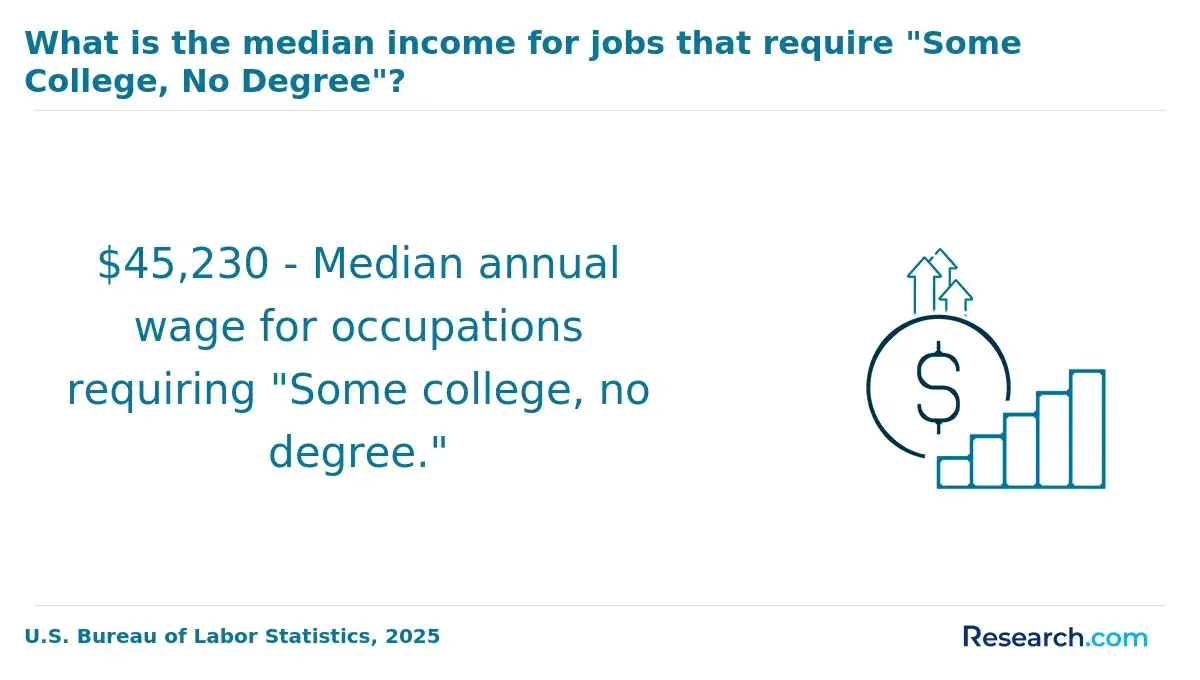
Doctoral study can support research, teaching, advanced clinical practice, public service, or professional leadership, but occupational pay is not a measure of what graduates of a particular program earn. The U.S. Bureau of Labor Statistics publishes wages by occupation - not a salary promised by a DBA, EdD, or PhD. Academic hiring can depend on publications and research experience; regulated clinical work can require licensure, examinations, and supervised practice.
Judge potential value against the role you actually want. Ask employers whether the doctorate is required, preferred, or unnecessary, and compare that answer with the cost and time away from paid work. In some fields, best certifications for jobs and relevant experience may be more direct routes to the next position.
How Can You Choose a Reputable Doctoral Program and Payment Plan?
Start with career fit, then compare accredited programs using the same cost horizon and verified financing terms. A low advertised installment is a red flag if the school will not show the full tuition schedule or explain what happens when funding ends. Use these questions to obtain comparable written answers:
- Does the installment plan explicitly cover my doctoral program, enrollment status, and every required term?
- Which tuition, fees, clinical or research charges, and continuation costs are excluded, and what are the deadlines and penalties?
- What grants, assistantships, tuition remission, or employer benefits are confirmed, and when will they appear on my bill?
- What accreditation, in-person requirements, and career or licensing conditions apply to my intended path?
If the answers do not support the career benefit you need, consider a smaller commitment first. online courses with certificates can help you test an area of interest, though they do not substitute for a required doctorate or professional license.
Other Things You Should Know About
No. It generally divides an amount you already owe into installments. Scholarships, tuition remission, and some employer benefits can reduce that amount; loans finance it and may add interest.
Possibly, but do not assume so. Ask student accounts whether continuation or research enrollment is eligible and whether the plan has a minimum balance or enrollment deadline.
Funding should be evaluated first. A student with confirmed tuition remission may need a plan only for uncovered charges, while another student may have no funding. Read the individual offer and its renewal conditions.
No. Compare total tuition, fees, required visits, and likely enrollment time. Monthly affordability and total affordability are different decisions.
- What are the different ways to pay for college or graduate school? | Consumer Financial Protection Bureau https://www.consumerfinance.gov/ask-cfpb/what-are-the-different-ways-to-pay-for-college-or-graduate-school-en-545/
- Rule 3361:20-31-05 | Fees: payment and refund of fees. https://codes.ohio.gov/ohio-administrative-code/rule-3361:20-31-05
- Foreign School Frequently Asked Questions - Students https://fsapartners.ed.gov/knowledge-center/faqs/foreign-school-frequently-asked-questions-students
- Types of Financial Aid: Grants, Work-Study, and Loans | studentaid.gov https://studentaid.gov/understand-aid/types
- Financial Support - Northern Illinois University - NIU Catalog https://catalog.niu.edu/content.php
- Financial Obligations and Payment - UAA Catalog | University of Alaska Anchorage Academic Catalog https://catalog.uaa.alaska.edu/academicpoliciesprocesses/tuitionfees/financialobligations/
- Student Account Financial Policy | Brown University https://policy.brown.edu/policy/student-account-financial
- Tuition Payment Options | stjohns.edu https://www.stjohns.edu/admission/tuition-and-financial-aid/payment-options
- Late payment consequences - One Stop Student Services https://onestop.umn.edu/finances/billing-and-payment/late-payment-consequences
- Doctoral Programs | Graduate School https://grad.temple.edu/academics/doctoral-programs