2027 Best Online Professional Doctorate Programs for Students With Some College Credit

Co-Founder and Chief Data Scientist
If you have some college credit but no degree, an online professional doctorate is a long-term goal - not your next enrollment step. You will generally need to finish a bachelor's degree first, and many practice-focused doctorates also require a master's degree or professional license. The financial stakes make that sequence worth planning: the U.S. Bureau of Labor Statistics reports median annual pay of $93,600 for registered nurses in 2024, but that occupation-wide figure is not a DNP salary premium. This guide compares doctorate fields and shows what to verify before committing.
Key Things You Should Know
- Start at your actual entry point: Incomplete undergraduate credit ordinarily applies toward a bachelor's degree, not a doctorate; a completed bachelor's degree is normally the minimum for doctoral admission.
- Compare the whole pathway: Check whether your intended doctorate requires a master's degree, license, graduate transfer evaluation, clinical hours, or in-person attendance before comparing tuition.
- Do not use occupational pay as a promised return: BLS reports $124,910 in 2024 median annual pay for information security analysts, an occupation that does not ordinarily require a doctorate for entry.
Top 10 Best Online Professional Doctorate Programs for Students With Some College Credit - Top 10 Programs
Business / DBA Programs
A Doctor of Business Administration (DBA) suits experienced professionals who want to investigate workplace problems and strengthen executive or consulting practice. Applicants generally need a completed bachelor's degree; many programs expect a master's degree and substantial management experience. Compare how each DBA evaluates prior graduate business coursework, whether it requires a dissertation or applied project, and how often students must attend live sessions or residencies. An MBA or additional management experience may be a better first investment if you are still establishing your career.
Education / EdD Programs
A Doctor of Education (EdD) typically emphasizes improving educational practice through applied inquiry. Specializations may address curriculum, learning design, or higher education. Many programs seek applicants with a master's degree and relevant work experience; previous graduate education does not necessarily reduce doctoral requirements. Compare project supervision, access to workplace-based research settings, and any campus visits. An EdD can support professional development, but it does not automatically confer a teaching or administrator license. Choose an education PhD instead if sustained original research is your primary goal.
Educational Leadership Programs
Educational leadership doctorates often award an EdD and focus on organizational change, school systems, or college administration. They are most relevant to educators and administrators who can apply doctoral inquiry in their workplaces. Check whether a program's leadership concentration meets your state's administrator-certification rules; the degree alone may not. Ask whether a principalship, district role, or higher education position requires prior experience that you do not yet have. If you hold only undergraduate credit, complete the required degrees and professional preparation first.
Psychology Programs
A Doctor of Psychology (PsyD) emphasizes professional practice, but psychology doctorates differ sharply in clinical training and licensure outcomes. Do not assume an online PsyD can be completed remotely: supervised practica, internships, and other in-person requirements may be substantial. Before applying, check the exact program's accreditation, state licensing-board rules, placement arrangements, and admission prerequisites. Some nonclinical applied-psychology doctorates do not prepare graduates for psychologist licensure. If your goal is organizational work rather than clinical practice, a relevant master's degree may suffice.
Nursing / DNP Programs
A Doctor of Nursing Practice (DNP) develops advanced nursing practice, systems leadership, or both. Entry pathways vary: some accept nurses with a Bachelor of Science in Nursing, while post-master's options serve nurses with graduate preparation. A nursing license and specified clinical background are typically essential. Compare required practice hours, placement support, certification alignment, and whether prior graduate clinical hours can count under the program's rules. Online coursework does not eliminate local clinical work. A DNP and a nursing PhD serve different practice and research goals.
Public Health Programs
A Doctor of Public Health (DrPH) prepares experienced practitioners for applied public health leadership, policy, and population-health work. Programs commonly expect a relevant master's degree and professional experience. Compare whether the curriculum fits your intended setting, how the applied project is supervised, and whether fieldwork or residencies require travel. Prior Master of Public Health coursework may establish eligibility without reducing the DrPH curriculum. If you primarily want to enter public health, a master's degree and relevant experience may be a more direct route.
Computer Science Programs
Practice-focused computing doctorates may use credentials such as a Doctor of Science or Doctor of Engineering; confirm the exact award rather than assuming a PhD is a professional doctorate. These programs may suit experienced technical leaders pursuing applied systems research. Check programming and mathematics prerequisites, employer-project access, required on-campus work, and the final project's scope. Fully online professional options may be limited in a particular specialization. For many software roles, a master's degree, portfolio, and experience offer a more direct route than doctoral study.
Cybersecurity Programs
A practice-oriented cybersecurity doctorate may emphasize risk governance, secure systems, or organizational resilience. Degree names and requirements vary, so verify that a prospective program awards a professional doctorate rather than a research PhD. Ask whether its applied research can use workplace data without violating confidentiality rules, and whether any labs or defenses require attendance. For someone seeking an initial security job, technical experience and relevant credentials generally deserve attention before a doctorate. Advanced leadership roles also depend on demonstrated experience, not the credential alone.
Social Work / Human Services Programs
A Doctor of Social Work (DSW) commonly centers on advanced practice, organizational leadership, or practice improvement. Programs may expect a Master of Social Work and relevant experience. Check whether your intended role requires an active social work license, supervised experience, or state approval beyond the doctorate. Human services doctorates can have different entry rules and may not qualify graduates for social work licensure. Compare applied-project support and residency requirements, then ask whether a master's degree plus professional experience would meet your goal.
Public Administration / Public Policy Programs
A Doctor of Public Administration (DPA) can support applied work in government and nonprofit leadership; professional policy doctorates may focus on program design and evaluation. They often suit applicants who already have graduate education and substantial sector experience. Compare opportunities to study real agency problems, data-access requirements, and any in-person components. A policy PhD is a different, research-oriented path. If you are seeking your first policy or public-service position, a bachelor's or master's degree and relevant work may be more useful initially.
What Are Online Professional Doctorate Programs for Students With Some College Credit?
These are practice-oriented doctoral degrees, not a direct continuation of unfinished undergraduate study. "Online" usually describes coursework delivery; a program may still require scheduled classes, residencies, clinical placements, or an in-person defense. Because no single field or school is best for everyone, compare the credential with your career goal and starting qualifications rather than relying on a general ranking.
If your current credits do not complete a degree, an associates degree may be an intermediate milestone. Ask a prospective bachelor's program how those credits will apply before deciding whether that route saves time.
The following comparison shows why your current credential changes the next sensible application - not just the eventual doctorate you might choose.
| Current preparation | Likely next step | Doctoral question to save for later |
| Some undergraduate credit; no degree | Complete a bachelor's degree and required prerequisites | Which professional field fits your intended work? |
| Completed bachelor's degree | Check whether the chosen doctorate permits direct entry or requires graduate study | Will you need professional experience or a license? |
| Relevant master's degree | Request a program-level review of prior graduate coursework | Which requirements, if any, can that coursework satisfy? |
Usually not if the credits are undergraduate credits. They may help complete a bachelor's degree, but doctoral transfer credit generally concerns eligible graduate or doctoral coursework. Even when a university accepts a course for transfer, the doctoral program must determine whether it satisfies a requirement. A completed master's degree does not automatically shorten the doctorate.
To get a meaningful answer, send the doctoral program your transcript and course syllabi before enrolling. Ask which courses meet its grade, subject, age, accreditation, and residency rules; whether they replace required courses or only electives; and which project, research, clinical, or defense requirements remain. Obtain the determination in writing. If you are still building an undergraduate pathway, compare easiest degree to get options for fit and credit acceptance - not as a shortcut around doctoral admission.
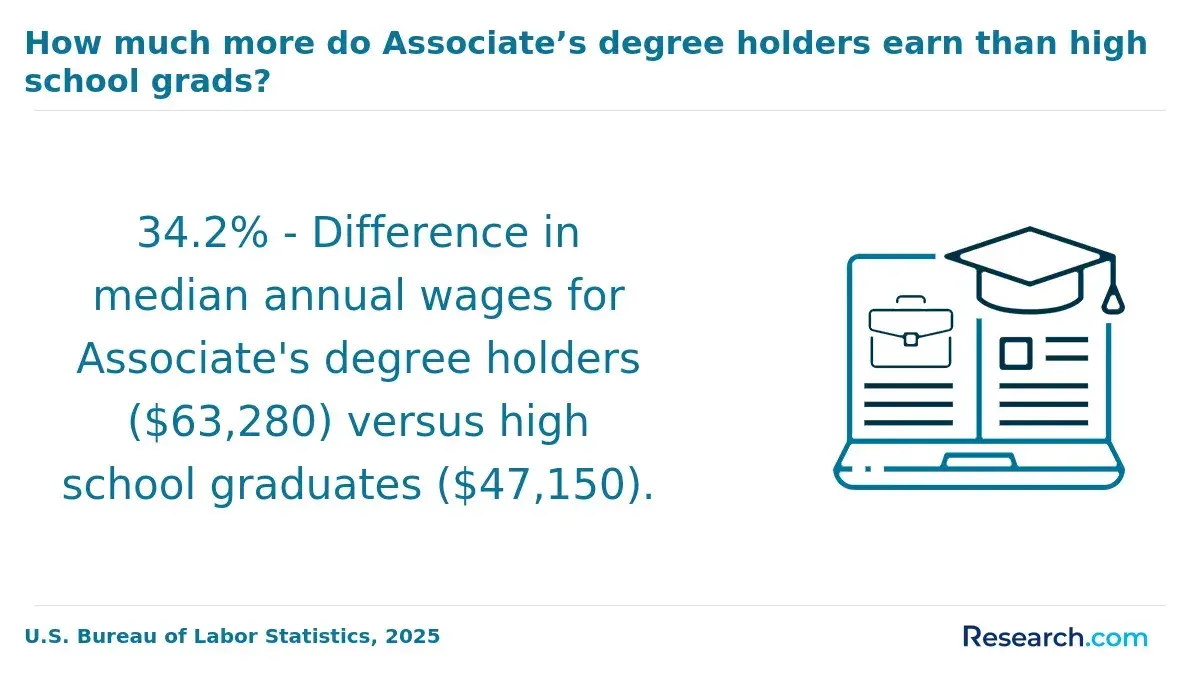
Professional doctorate applicants normally need at least a completed bachelor's degree. Depending on the field and entry pathway, a program may also require a relevant master's degree, professional experience, prerequisites, an active license, or clinical preparation. Applications may include transcripts, recommendations, a statement of purpose, a writing sample, and an interview. GPA standards and GRE or GMAT policies must be checked with the specific program; undergraduate admissions policies do not establish doctoral eligibility.
If you have some college credit but no bachelor's degree, your immediate admissions task is to find out how much of that credit applies to a bachelor's program. If you already hold graduate credits, ask the doctoral admissions office separately about admission eligibility and degree applicability: a course can help demonstrate preparation without reducing the doctorate.
Start with institutional accreditation recognized by the U.S. Department of Education. Then check whether your intended occupation calls for programmatic accreditation or approval by a state board. This distinction is especially consequential for clinical psychology, nursing, and licensed social work pathways: institutional accreditation alone does not establish that a specific program meets every professional requirement.
Check the accreditor's and relevant licensing board's current records, not just a school's marketing page. Verify the exact degree, campus or online pathway, and intended state of practice. A school's accreditation does not mean every professional doctorate it offers leads to licensure.
Completion time depends on the entry pathway and the work remaining after coursework: applied research, proposal approval, project supervision, clinical hours, placements, and defenses can all extend the timeline. Part-time enrollment may make study manageable without making the degree shorter. Ask each program for its published completion expectations for your entry pathway and whether the schedule assumes a qualifying master's degree.
Be skeptical of claims suggested by searches for 1 year PhD programs online free. A PhD is a research doctorate, not an interchangeable name for a professional doctorate, and a short course term does not establish a short or free degree. Request the complete curriculum and culminating-project timeline before treating any advertised duration as achievable.
There is no reliable single price for an online professional doctorate. Your total depends on tuition structure, the number of credits you must complete, mandatory fees, enrollment duration, travel, and field-specific requirements. Accepted applicable graduate credit may reduce coursework costs, but it may leave the project or clinical requirements unchanged. Ask for a personalized written cost estimate before comparing offers.
These cost categories show why a low advertised per-credit rate may not produce the lowest total bill.
| Cost component | What to compare across programs |
| Tuition | Your remaining required credits and applicable tuition rate |
| Mandatory charges | Technology, program, graduation, and continuing-enrollment fees |
| In-person requirements | Travel, lodging, and time away from work for residencies or placements |
| Project or clinical work | Required terms, placement expenses, and research-related costs |
| Available support | Scholarships, employer assistance, payment plans, and any verified institutional funding |
Eligible students may be able to use federal financial aid, but borrowing adds repayment costs. Compare a doctorate's expected incremental benefit with the cost of a master's degree, certification, or additional experience; do not assume a future promotion will repay the difference.
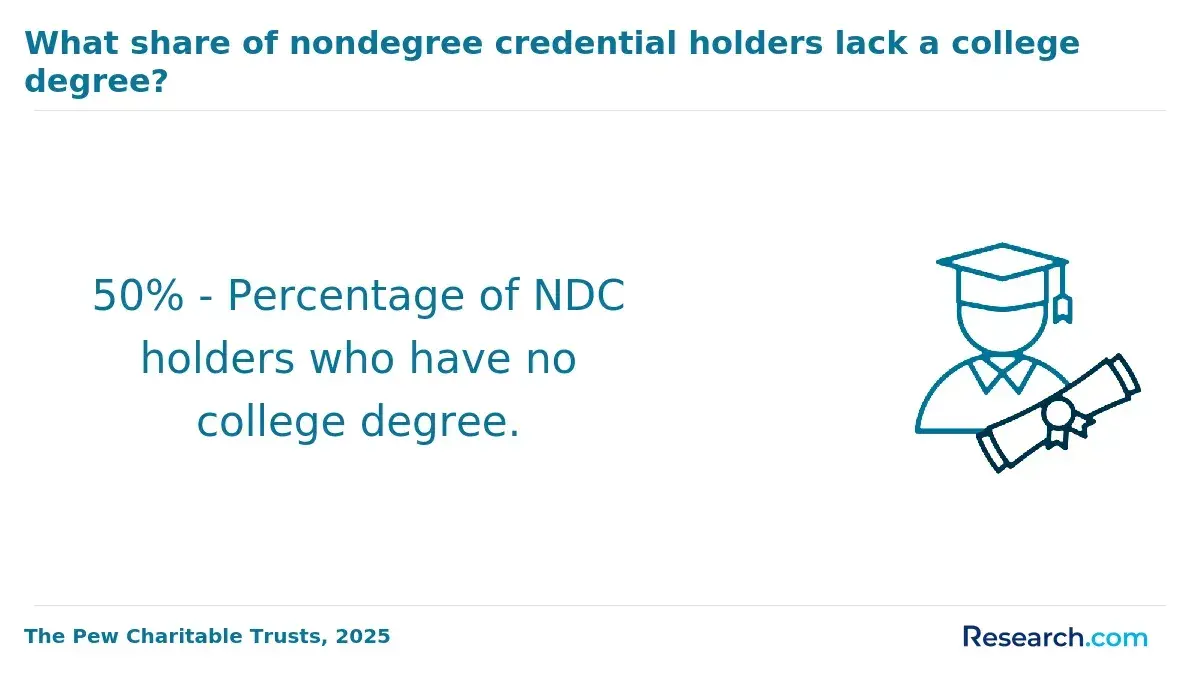
Most professional doctorates combine advanced field coursework with methods for evaluating evidence and solving practice problems. The final requirement might be an applied research project, evidence-based practice project, capstone, clinical project, or dissertation, depending on the program. Calling it a "project" does not make it less substantial or remove the need for faculty supervision and approval.
Review the catalog for required courses, examinations, clinical or practicum work, residencies, and the final deliverable. Then ask how a student in your work setting obtains data, supervision, and any required placement. A curriculum built around an inaccessible workplace project may be a poor fit even if its online classes look convenient.
Career possibilities depend more on the field, existing qualifications, and experience than on the word "doctor" in a credential. A DBA may support management or consulting work; an EdD may support education leadership; a DNP may advance an already licensed nurse's practice; and a DrPH may support public health leadership. None independently guarantees appointment to an executive role.
Licensed occupations require particular care. A PsyD does not replace state examinations or supervised-practice requirements, and a DNP does not replace nursing licensure or any applicable specialty certification. Before enrolling, examine job postings for the role you want: distinguish "doctorate required" from "doctorate preferred," and note the experience and licenses employers also request.
How Do You Choose a Reputable Online Professional Doctorate Program?
The best choice is the verified program that fits your current qualifications and intended role, not necessarily the shortest or least expensive option. No institution should be treated as a match for "students with some college credit" solely because it accepts undergraduate transfers elsewhere. If you are still completing a bachelor's degree, a comparison of best online colleges can help you begin that separate search.
Use this sequence to narrow doctoral options without mistaking a general school policy for a program-specific one:
- Identify the job or practice goal and check whether it actually requires a professional doctorate rather than a master's degree, license, or experience.
- Confirm the exact doctoral credential, admission pathway, institutional accreditation, and any field-specific approval or licensing alignment.
- Request a written evaluation of eligible graduate credits and a list of remaining coursework, project, clinical, residency, and defense requirements.
- Compare personalized total costs and realistic schedules, including fees, travel, placements, and employer or institutional support.
Red flags include promises of doctoral credit for unfinished undergraduate study without an explicit doctoral policy, claims of fully remote study despite required campus activities, and salary claims that treat an occupation's median pay as a graduate outcome.
Other Things You Should Know About
Normally, no. First complete a bachelor's degree; your chosen doctorate may also require a master's degree, professional experience, or a license.
Undergraduate credits may shorten your path to a bachelor's degree, but they ordinarily do not replace doctoral coursework. Ask the doctoral program to evaluate any eligible graduate courses separately.
No. Check for residencies, clinical placements, practica, examinations, and defenses, as well as scheduled online meetings.
Choose based on the work you want to do. Professional doctorates generally emphasize applied practice; PhDs generally emphasize original research. Compare the specific curricula, funding, and career requirements before deciding.
- College Credit for Military Training & Experiences | dantes.mil https://www.dantes.mil/credit4training/
- Cost of Attendance (Budget) | 2025-2026 Federal Student Aid Handbook https://fsapartners.ed.gov/knowledge-center/fsa-handbook/2025-2026/vol3/ch2-cost-attendance-budget
- Pathways to Credentialing | Commission https://www.ctc.ca.gov/aspiring-educators/roadmap-to-teaching/pathways-to-credentialing/
- Psychology Internship Program Handbook | Veterans Affairs https://www.va.gov/central-california-health-care/work-with-us/internships-and-fellowships/pgy2-psychiatric-pharmacy-residency-program/psychology-internship-program/
- Clinical Practicum and Field Placement Sequence | NYU Steinhardt https://steinhardt.nyu.edu/degree/online-ms-communicative-sciences-and-disorders/clinical-practicum-and-field-placement
- Doctoral Education Programs | ACE https://ace.edu/degree-programs/doctoral-degrees/doctoral-education/
- Credit Policies - Graduate School - The University of Utah https://gradschool.utah.edu/navigating-grad-school/graduate-policies/credit.php
- Curriculum and Degree Information | cuny.edu https://www.gc.cuny.edu/psychology/training-areas/clinical-psychology-john-jay-college/curriculum-and-degree-information
- Do you need a master's to get a PhD? A complete guide | Capella University https://www.capella.edu/blog/phd-doctorate/do-you-need-a-masters-to-get-a-phd/
- What Is a PhD Completion Pathway - and Is It Right for You? | News & Updates from the Antioch University Community https://commonthread.antioch.edu/what-is-a-phd-completion-pathway-and-is-it-right-for-you/