2027 Best Doctorate Degrees for Job Security

Co-Founder and Chief Data Scientist
A doctorate can open a specialized career path, but it cannot make a job recession-proof. The useful question is whether a degree leads to work that employers need, and whether that work actually requires doctoral training. For example, the U.S. Bureau of Labor Statistics (BLS) projects nurse practitioner employment to grow 40% from 2024 to 2034.
That outlook makes nursing worth investigating, but entry requires nursing credentials and clinical preparation. This guide compares doctoral fields, career fit, costs, and licensing requirements so you can decide whether a doctorate is a sound investment for your goals.
Key Things You Should Know
- A Doctor of Nursing Practice (DNP) can support advanced nursing practice, but state licensure and role-specific certification, not the doctorate alone, determine eligibility.
- BLS projects 29% growth for information security analysts from 2024 to 2034; most positions do not require a cybersecurity doctorate.
- The BLS reports a May 2024 median wage of $129,210 for nurse practitioners, an occupational figure that does not represent DNP graduates' earnings.
Top 10 Best Doctorate Degrees for Job Security - Best Doctorates
Business / DBA Programs
A Doctor of Business Administration (DBA) is generally aimed at experienced professionals applying research to organizational problems. It may support consulting, leadership, or teaching goals, but executive employment depends heavily on experience and results.
A PhD in business is usually a better fit for original research and research-intensive academic work; neither credential guarantees a faculty position. If your goal is promotion within your current organization, compare the DBA's full cost and time commitment with an MBA, targeted training, and additional management experience.
Education / EdD Programs
A Doctor of Education (EdD) typically emphasizes applied research and improvement in schools or other learning organizations. A PhD in education more often emphasizes original research. Neither degree makes an education job inherently secure: funding, enrollment, and local hiring matter.
Experienced educators considering an EdD should check whether their target role requires a doctorate or instead values a master's degree, experience, and a state credential. Compare dissertation or applied-project requirements with the work you want to do.
Educational Leadership Programs
Educational leadership doctorates may prepare experienced educators for district leadership, higher education administration, or organizational improvement. These are usually advancement pathways, not direct routes into administration. Public-school leadership roles can require state-specific certification and prior teaching or administrative experience; college leadership hiring is similarly experience-dependent.
An EdD may suit a practitioner solving institutional problems, while a research-focused PhD may better serve someone studying education policy or leadership. Verify the credential required for the exact position and state before enrolling.
Psychology Programs
A clinical or counseling psychology PhD or PsyD can lead toward licensed practice, a career serving continuing mental health needs. The PhD generally places greater emphasis on research; the PsyD generally emphasizes clinical practice, although curricula vary. Neither degree alone authorizes practice: states require qualifying education, supervised experience, examinations, and licensure.
Applicants should confirm that a program supports licensure in their intended state and examine its internship outcomes. For some counseling or therapy goals, a qualifying master's-level license may be a less costly route.
Nursing / DNP Programs
The Doctor of Nursing Practice (DNP) focuses on advanced nursing practice, clinical leadership, or systems improvement. It is distinct from a nursing PhD, which centers on original research. DNP pathways vary: some admit registered nurses with a bachelor's degree, while others require a nursing master's degree and advanced-practice credentials.
For nurse practitioner goals, confirm the program's population focus, clinical placement arrangements, state eligibility, and certification preparation. A DNP can broaden practice or leadership preparation, but many nurse practitioner roles remain accessible through qualifying master's programs.
Public Health Programs
A Doctor of Public Health (DrPH) generally prepares experienced professionals for applied public health leadership; a public health PhD is more research-oriented. Public health agencies and employers also hire people with master's degrees, so doctoral study is most defensible when a target role calls for advanced research or leadership preparation.
Government budgets and grant funding can affect stability even in fields with enduring public needs. Compare a program's quantitative training, practice requirements, and employer connections against an MPH plus relevant work experience.
Computer Science Programs
A computer science PhD can be valuable for research roles involving algorithms, artificial intelligence, or other specialized computing problems. It commonly requires faculty research fit, qualifying milestones, and an original dissertation.
Demand for computing skills does not mean every software job requires a doctorate: many are open to bachelor's- or master's-level applicants. The strongest case for a PhD is a specific research goal that would be difficult to pursue otherwise. Examine adviser availability, research funding, and graduates' industry or academic destinations.
Cybersecurity Programs
A cybersecurity doctorate may suit someone pursuing security research, advanced technical specialization, or teaching. It is rarely the standard entry credential for a security analyst job. Employers often place substantial weight on technical experience, demonstrated judgment, and relevant certifications; hiring conditions also vary by sector.
A PhD may be appropriate for original security research, while a practice-oriented doctorate may emphasize applied leadership. Before investing, compare either path with a security-focused master's degree and hands-on experience in the roles you actually want.
Social Work / Human Services Programs
A Doctor of Social Work (DSW) commonly emphasizes advanced practice or leadership, whereas a social work PhD generally prepares researchers. Both can serve careers addressing sustained social needs, but nonprofit budgets and public funding influence hiring.
Clinical social work licensure has separate state requirements, including supervised practice; a DSW does not replace them. Because many direct-service and clinical roles require a qualifying master's degree rather than a doctorate, assess whether doctoral training will materially change your responsibilities, research opportunities, or advancement prospects.
Public Administration / Public Policy Programs
A Doctor of Public Administration (DPA) is typically practice-oriented, while a public policy or administration PhD usually emphasizes research and analysis. Government, nonprofit, and policy roles may offer varied employers and missions, but funding cycles and hiring rules differ.
Senior positions usually require substantial experience; doctoral credentials do not substitute for a record of managing programs or producing useful analysis. If you want an applied leadership role, compare a DPA with an MPA and work experience. For a research career, investigate PhD faculty fit and funding.
What Are the Best Doctorate Degrees for Job Security?
The best doctorate for job security is the one that qualifies you for your intended work and adds value beyond a less costly credential. "Job security" is not a property of a degree.
It depends on demand for an occupation, barriers to entry, employer funding, location, and your qualifications. The comparison below separates fields with a clear doctoral or licensing connection from fields where a doctorate is more often optional.
| Doctoral path | Where it can add value | Important limit |
| DNP | Advanced nursing practice or clinical leadership | Role-specific certification and state licensure still apply; some roles accept a master's degree. |
| Clinical psychology PhD or PsyD | Preparation for psychologist licensure and clinical specialization | Supervised training, exams, and state approval remain necessary. |
| Computer science or cybersecurity PhD | Specialized research and some advanced technical roles | Most computing and security jobs do not require a doctorate. |
| EdD, DrPH, DBA, DPA, or DSW | Applied leadership or specialization for established professionals | Experience, employer needs, and budgets often matter more than the degree alone. |
A shorter path is not automatically safer. If completion time is your concern, compare the research and career requirements behind claims about the easiest PhD to get rather than assuming speed will improve employment prospects.
Healthcare and specialized computing have particularly strong projected growth, but the occupations are what the projections measure. These BLS projections for U.S. employment from 2024 to 2034 provide a starting point for comparing demand.
| Occupation | Projected employment growth | What it means for doctoral applicants |
| Nurse practitioners | 40% | Investigate qualifying nursing pathways, clinical training, certification, and state licensure. |
| Information security analysts | 29% | Demand supports security careers, but a doctorate is generally not an entry requirement. |
Growth is not the same as low layoff risk or plentiful local openings. A smaller, faster-growing occupation may offer fewer openings than a larger, slower-growing one. Check the BLS Occupational Outlook Handbook for the occupation's entry requirements and annual openings, then compare postings in the location where you plan to work. AI may change particular tasks in computing and analysis; it does not establish that a credential is future-proof.
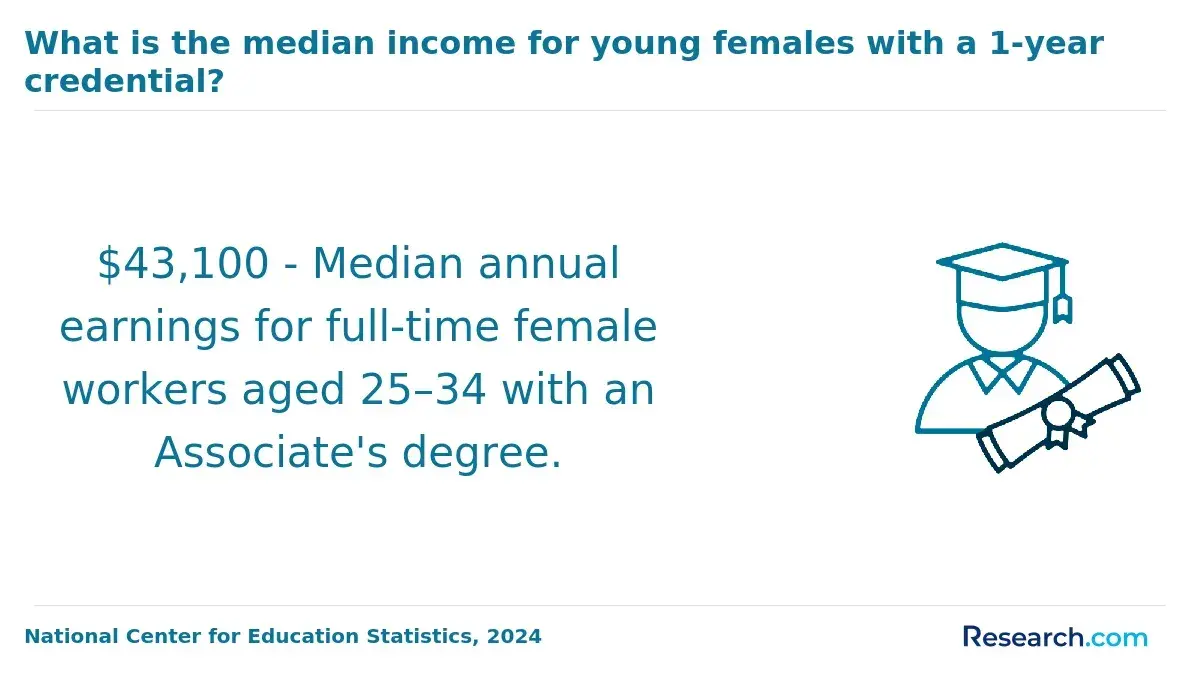
Doctoral graduates do not share a single salary. Earnings vary by occupation, experience, employer, geography, and license. For example, the BLS reports a May 2024 median annual wage of $129,210 for nurse practitioners. That is the median for people working in the occupation, not a predicted salary increase from earning a DNP.
For a useful return-on-investment comparison, estimate the pay and roles realistically available to you with the doctorate and without it. Include tuition, fees, required travel, debt interest, and earnings you may give up while studying.
A funded PhD with tuition remission and a stipend has a different financial profile from a largely self-funded professional doctorate, but funding terms and the number of supported years must be checked with each program.
High demand does not always mean a doctorate is the best route into a career. Nurse practitioner and licensed psychologist pathways make doctoral program and licensing details especially consequential, though qualifying master's-level nurse practitioner routes also exist.
Computer research positions can reward doctoral-level original research, while security analysis, public administration, and many leadership roles often place greater weight on experience.
Start with a target job title and examine current employer requirements. If most suitable openings ask for a master's degree, a professional license, or substantial experience rather than a doctorate, test that route first. If they require advanced research, psychologist licensure preparation, or a particular clinical specialization, doctoral study may have a clearer purpose.
Admission depends on the field and entry pathway. Some PhD programs admit applicants after a bachelor's degree; many professional doctorates expect a relevant master's degree, professional experience, licensure, or a combination.
Applications may require transcripts, recommendations, a statement of purpose, writing or research samples, an interview, and evidence of prerequisite coursework. Research PhD applicants may also need a strong match with available faculty advisers. Check each department's current GRE or GMAT policy rather than assuming a university-wide rule applies.
If you are still completing undergraduate education, that is an earlier decision. Online associate degree programs may be one step toward a bachelor's degree, but an associate degree alone does not qualify someone for doctoral admission.
Doctoral timelines depend on more than coursework. A research PhD often takes several years because qualifying exams, research approval, data collection, and a dissertation can continue after classes end.
A professional doctorate may use an applied project instead, while clinical programs add supervised placements. Bachelor's-entry, post-master's, full-time, and part-time pathways can differ substantially. A prior master's degree does not automatically reduce doctoral requirements.
Ask programs for a personalized remaining-requirements plan and a written cost estimate covering tuition, mandatory fees, clinical or research expenses, and any required travel. Confirm how long assistantships, tuition remission, stipends, or employer support last.
If your budget is tight, a comparison of the cheapest tuition online college options can illustrate why advertised tuition is only a starting point; doctoral funding and total program cost require a separate comparison.
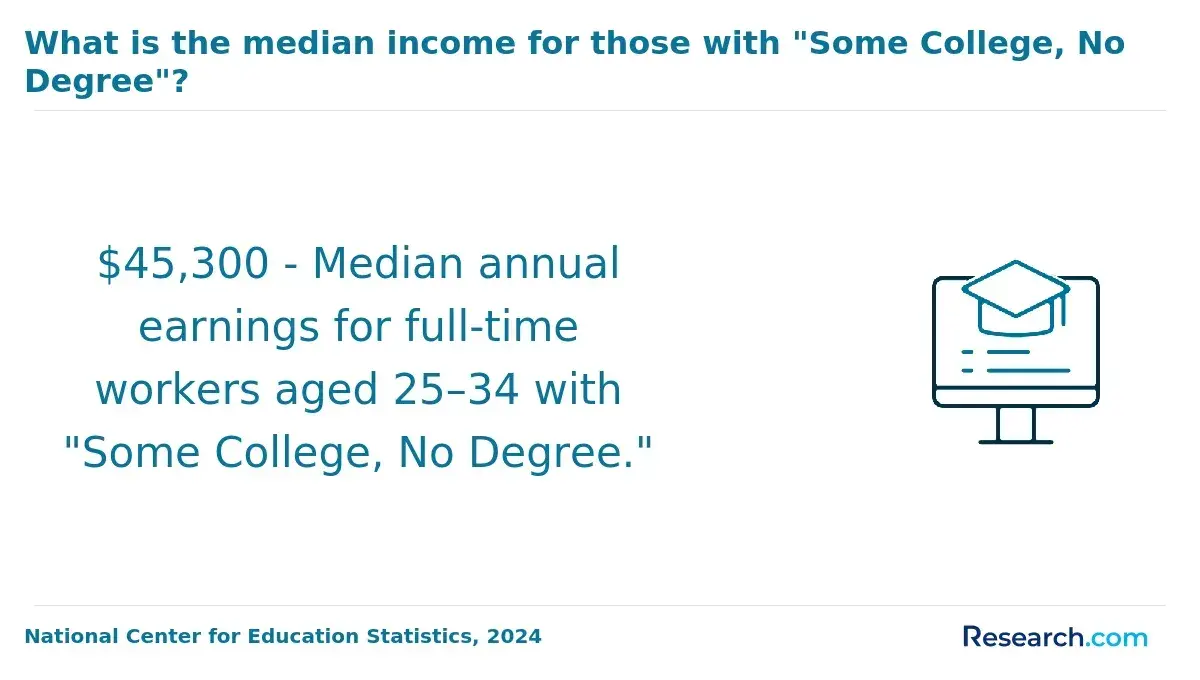
An online doctorate can be valuable when its institution, curriculum, supervision, and career fit meet the same standards you would apply on campus. Delivery format alone does not establish quality or licensure eligibility.
An online program may still require scheduled seminars, campus residencies, local clinical placements, research meetings, or an in-person defense. Ask where every required component takes place and whether the program supports licensing in your state.
Online access can matter especially to students rebuilding an education or career after a conviction, but doctoral admission and professional licensing need separate checks. Information on online colleges that accept felons may help with an earlier educational step; it does not establish eligibility for a particular doctorate, clinical placement, or license.
Check accreditation and career eligibility before applying. Confirm that the university holds recognized institutional accreditation. For clinical psychology, examine whether the specific program's accreditation meets the rules of the state where you intend to practice.
Nursing applicants should verify appropriate nursing-program accreditation and the clinical and certification requirements for their intended role. Education and social work applicants should check applicable state credential or licensing rules.
Licensure is a separate process from graduation and can require examinations, supervised hours, background checks, and state approval. A program's statement that it prepares students for a profession is not a substitute for confirmation from the relevant state board.
How Can You Choose a Reputable Doctoral Program?
Choose a program by its fit with a defined career goal, not its ranking or degree abbreviation. For a research PhD, examine faculty expertise, adviser capacity, dissertation expectations, graduates' destinations, and the exact duration and conditions of funding.
For a professional doctorate, examine applied-project supervision, required placements, employer relevance, total price, and whether graduates enter roles resembling your target job.
Before accepting an offer, request the written degree requirements and ask how many students finish, how long completion typically takes, what funding continues beyond coursework, and which requirements must be completed in person.
If you have prior graduate credit, obtain a program-level evaluation showing which requirements it actually satisfies. Red flags include vague licensing claims, unexplained fees, promises of guaranteed promotion, and an advertised short timeline that leaves out the dissertation or clinical work.
Other Things You Should Know About PhD Programs
No doctorate guarantees it. A DNP tied to a qualifying advanced-practice nursing pathway and a licensure-oriented psychology doctorate have clearer connections to specific professions than many general leadership doctorates, but eligibility and local demand still matter.
Not necessarily. Qualifying master's and DNP pathways exist. Check your state's requirements, the program's clinical preparation, and the certification rules for your intended population focus.
It may be for a defined research or advanced specialization goal. For many security analyst jobs, technical experience and relevant credentials offer a more direct route than doctoral study.
Compare the roles each program prepares you for, licensing eligibility where applicable, typical completion time, remaining research or clinical requirements, total cost after verified funding, and graduates' career outcomes. Choose the offer that best supports your specific goal.
- Employment Projections Home Page: U.S. Bureau of Labor Statistics https://www.bls.gov/emp/
- Delayed Time-to-Degree and Post-college Earnings - PMC https://pmc.ncbi.nlm.nih.gov/articles/PMC7875953/
- Survey of Earned Doctorates (SED) 2024 - NCSES - NSF https://ncses.nsf.gov/surveys/earned-doctorates/2024
- New Humanities Indicators on Career Outcomes for Recipients of Advanced Degrees | amacad.org https://www.amacad.org/news/new-humanities-indicators-career-outcomes-recipients-advanced-degrees