2027 Best Doctoral Programs With Student Success Coaching

Co-Founder and Chief Data Scientist
A doctoral program can offer strong academic advising yet leave you to manage deadlines, funding questions, and competing responsibilities alone. Student success coaching may help bridge that gap - but its availability and scope vary by program. The National Center for Science and Engineering Statistics counted 57,862 U.S. research doctorates awarded in 2023, underscoring the scale of doctoral study without showing which supports improve completion. This guide helps prospective PhD and professional-doctorate students compare coaching, supervision, cost, and degree requirements before committing.
Key Things You Should Know
- The best choice is a doctoral program that fits your career goal and documents coaching available to its doctoral students - not simply a school that advertises support generally.
- Ask who your coach is, how often you can meet, and whether support continues through candidacy, clinical work, and the dissertation or doctoral project.
- Compare completion rates, time to degree, total cost, and funding alongside coaching; access to a coach does not establish that a program improves outcomes.
Top 10 Best Doctoral Programs With Student Success Coaching
Business / DBA Programs
A Doctor of Business Administration (DBA) usually emphasizes applied research and organizational problems, while a business PhD generally centers on original research. Working executives may benefit from coaching that helps coordinate course milestones and an employer-based project. Ask whether a coach assists during the doctoral project or dissertation, when scheduling support may matter most. Confirm the required experience, campus visits, project approvals, and total tuition. If your goal is management advancement rather than doctoral-level research or teaching, compare the DBA with an MBA and additional leadership experience.
Education / EdD Programs
Doctor of Education (EdD) programs commonly prepare practitioners to investigate problems in educational settings; education PhDs generally place greater emphasis on research preparation. A success coach can help a working educator plan coursework around school calendars, but faculty must still supervise the dissertation or applied project. Compare project expectations, access to a suitable research site, and whether the program permits the enrollment schedule you need. An EdD does not automatically confer a teaching or administrator license; check your state's rules and the program's stated licensure purpose.
Educational Leadership Programs
Educational leadership doctorates may award an EdD or PhD, and the distinction matters more than the program label. Look for coaching that supports milestone planning alongside faculty guidance on research design and district approvals. If you intend to become a principal or superintendent, check state certification rules and required professional experience before enrolling. For higher-education leadership, ask whether the curriculum and mentoring fit your intended role. Compare residencies, cohort schedules, and the ability to pursue a project relevant to your workplace.
Psychology Programs
Psychology PhD and Doctor of Psychology (PsyD) programs can differ substantially in research emphasis, funding, and clinical training. Coaching may help with academic planning, but it cannot replace clinical supervision, placements, or dissertation mentorship. If your goal is psychologist licensure, confirm that the specific program meets relevant accreditation and state-board requirements, including internship and supervised-experience rules. An online course format does not remove in-person clinical obligations. Ask how students secure placements and who supports them if an internship delays graduation.
Nursing / DNP Programs
A Doctor of Nursing Practice (DNP) focuses on advanced nursing practice and systems improvement; a nursing PhD prepares students primarily for research. DNP coaching is most useful when it helps students sequence courses, clinical requirements, and the evidence-based practice project. Entry routes vary, including pathways for bachelor's- and master's-prepared nurses. Confirm required nursing licensure, certification implications, clinical hours, placement responsibilities, and whether coaching continues through the final project. A DNP alone does not grant an advanced-practice license.
Public Health Programs
A Doctor of Public Health (DrPH) generally targets public health leadership and applied work, while a public health PhD emphasizes research. Ask whether coaching addresses internship or practice requirements, project milestones, and career planning, rather than only course registration. Compare faculty expertise with your interests in epidemiology, policy, or community health. Some public health jobs do not require a doctorate; a Master of Public Health plus relevant experience may be a better value if your target role does not call for doctoral training.
Computer Science Programs
A computer science PhD typically depends on research fit, a faculty adviser, and sustained work toward an original dissertation. A success coach can help with planning and university resources but cannot substitute for an available, engaged research supervisor. Ask prospective advisers about meeting practices, lab expectations, publication goals, and funding conditions. If your aim is software engineering advancement rather than research, compare the doctorate with a master's degree or industry experience. An online course option does not necessarily make laboratory or research work remote.
Cybersecurity Programs
Cybersecurity doctorates may emphasize original research, applied security leadership, or policy. Match the credential and culminating requirement to the work you want to do. Coaching can help working professionals manage study and project timelines, while research advisers provide technical direction. Verify faculty expertise, laboratory or data access, employer restrictions on using workplace information, and any required campus activity. Many security roles value experience and certifications; do not assume a doctorate is necessary unless your intended research or leadership path makes its added cost worthwhile.
Social Work / Human Services Programs
A Doctor of Social Work (DSW) often emphasizes advanced practice or leadership; a social work PhD commonly prepares researchers. Human services doctorates have varied purposes, so inspect the curriculum rather than relying on the title. Coaching may help students coordinate employment, research approvals, and project deadlines, but faculty supervise scholarly work. If clinical social work is your goal, verify the state's licensure requirements separately: a doctorate does not replace required supervised practice or examinations. Compare the program with a master's-level credential if it already qualifies you for your intended work.
Public Administration / Public Policy Programs
A Doctor of Public Administration (DPA) often centers on applied leadership; public policy and administration PhDs usually require more extensive original research. Coaching can help students manage agency-based projects and degree milestones, but access to data and an appropriate faculty adviser remain critical. Ask whether the program supports part-time study and how students handle confidential government information in research. For many management roles, a Master of Public Administration and substantial experience may be more relevant than a doctorate.
What are doctoral programs with student success coaching?
Doctoral programs with student success coaching provide a designated person or structured service to help doctoral students plan their studies, navigate institutional processes, and stay engaged through major milestones. The coach may help with scheduling, referrals, accountability, or problem-solving. Duties differ by institution, and a school's general claim that it supports students does not establish that a particular doctoral program provides coaching.
Coaching is not the same as academic advising, faculty research mentorship, clinical supervision, or career placement. Before treating it as a reason to enroll, ask whether doctoral students receive an assigned coach, whether meetings are proactive or student-initiated, and whether access lasts through the final dissertation, defense, or project.
Accreditation and coaching must be checked separately. A college can hold recognized institutional accreditation without providing doctoral success coaching, and a university-wide coaching page may not establish eligibility for every doctoral program. No specific institution should be considered a verified match solely on the basis of a general student-services description.
Build a shortlist from programs that award the degree you want, then request the doctoral student handbook or written confirmation of coaching eligibility. For regulated careers, also check applicable programmatic accreditation and state requirements. This comparison shows the support evidence worth seeking for different program types; it is not a ranking of institutions.
| Program type | Coaching evidence to request | Separate support to verify |
| Research PhD | Graduate or doctoral coaching eligibility and access during candidacy | Faculty supervision, research fit, and funding terms |
| Applied doctorate, such as DBA or EdD | Assigned-coach duties through the final project | Project adviser, approvals, and workplace research access |
| Clinical doctorate, such as DNP or PsyD | Coaching access during clinical and project stages | Placement support, clinical supervision, and licensure fit |
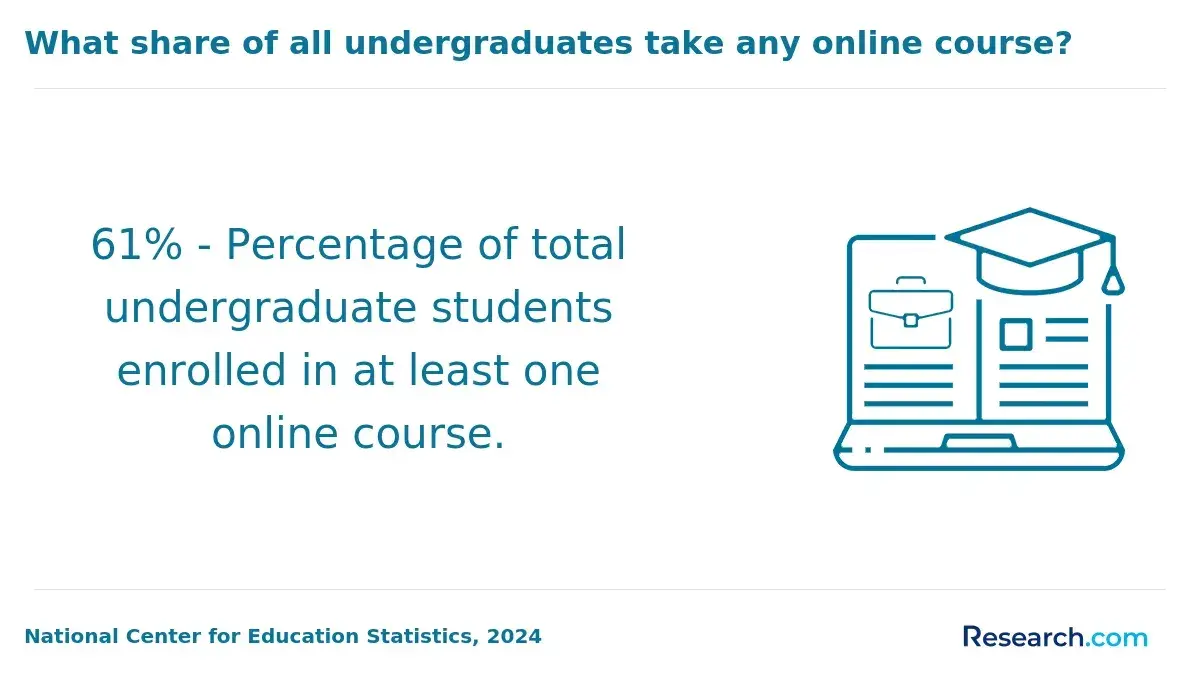
Coaching can support completion by helping students turn a long degree plan into manageable milestones, identify problems early, and reach the right office for academic or personal support. Its potential value is especially clear at transitions: choosing an adviser, advancing to candidacy, securing a clinical placement, or starting a dissertation or project.
That is a plausible mechanism, not proof of an outcome. Coaching availability alone does not demonstrate a higher completion rate. Ask programs for completion and time-to-degree figures for your degree, enrollment format, and entry pathway. Also ask what happens when a student falls behind and whether a coach can intervene or only make referrals.
Research PhDs and professional doctorates can both include coaching, but the service should match the degree's hardest stages. A PhD student may need help navigating candidacy and funding alongside close faculty mentorship. A DBA, EdD, DrPH, DPA, or DSW student may need a workable applied-project schedule. DNP and PsyD students may also need support coordinating clinical requirements. None of these coaching functions replaces the faculty member or licensed professional responsible for academic or clinical supervision.
If you are weighing a doctorate against a shorter credential for career advancement, consider whether a 12 month certificate program addresses your goal without the research and time commitments of doctoral study. The two pathways are not substitutes when an occupation specifically requires doctoral training.
An online doctoral program with coaching can be a good fit, but online delivery and coaching do not establish that it is as effective as a particular campus program. Compare the actual degree requirements, supervision, student outcomes, and opportunities to work with faculty. Scheduled seminars, adviser meetings, residencies, laboratories, local clinical placements, or an oral defense may still apply.
For working adults, ask how coaching appointments are scheduled across time zones and whether the program officially permits part-time enrollment. A campus program may offer easier access to a laboratory or research community; an online program may reduce commuting. Choose based on the activities your doctorate requires, not the delivery label alone.
There is no standard price or admissions checklist for doctoral programs with coaching. Budget for tuition, mandatory and program fees, required travel, research expenses, and the time you may spend away from paid work. Determine whether coaching is included in tuition or carries a separate charge. For a PhD, compare written offers for tuition remission, stipends, assistantship duties, and the length and conditions of funding; do not assume every student is funded.
Most applicants need at least a bachelor's degree; many practice doctorates require a relevant master's degree, professional experience, or licensure. Research PhDs may assess research preparation and faculty fit. Application materials can include transcripts, recommendations, a statement of purpose, and a writing sample or interview. Ask the program - not just the university - about tests, prerequisites, and whether prior graduate credits apply to this doctorate.
If cost is your main concern and your career does not require a doctorate, compare the total commitment with alternatives such as 6 month certificate programs. A shorter credential will not provide equivalent research or clinical preparation.
Completion time depends on entry preparation, enrollment intensity, course sequencing, research approvals, adviser availability, and the dissertation or doctoral project - not just the number of credits. Clinical hours and placements can extend a practice doctorate; data collection and revision can extend a research PhD. A coach may help students plan around these steps but cannot waive them.
If a short advertised timeline attracts you, check the required master's degree, accepted graduate credit, start point, and remaining culminating requirements. Resources on 1 year PhD programs online no dissertation can prompt useful questions, but verify the exact credential and official curriculum: an unusually short course schedule is not evidence that a PhD can be completed in a year or without original research.
Doctoral graduates may pursue research, teaching, advanced practice, policy, or leadership roles, depending on their field and prior qualifications. The U.S. Bureau of Labor Statistics reported a May 2024 median annual wage of $83,980 for postsecondary teachers. That is an occupational median, not the expected salary of a doctoral graduate; hiring may also depend on teaching, publications, professional experience, and the academic job market.
Coaching access is not job-placement evidence. Request program-specific career outcomes where available, and check whether your target occupation needs a doctorate at all. A certificate, master's degree, license, or additional experience may be a more direct route to some jobs.
How should you choose a reputable doctoral program with coaching?
Start with the career or research question you want the doctorate to address. Then compare programs using the same evidence: degree requirements, verified doctoral coaching access, faculty or clinical support, accreditation, total cost and funding, completion information, and required in-person work. A low tuition figure or prominent support advertisement should not outweigh poor fit.
These questions can reveal the difference between a meaningful coaching service and a name on a webpage:
- Will I have an assigned coach, when will we meet, and does access continue through the final project or defense?
- Who supervises my research or clinical work, and how are adviser or placement problems resolved?
- What do students in this specific program pay, how are PhD students funded, and what is the typical time to degree?
- Which accreditation and state requirements apply to my intended career, and what outcomes can the program document?
A common mistake is starting with a school ranking before establishing eligibility and career fit. If your starting point is an earlier-stage search such as Barbados Community College, map the bachelor's-level preparation you still need before considering doctoral admissions; an associate-level pathway is not direct entry to a doctorate.
Other Things You Should Know About
No. A coach generally helps with planning and navigating resources; a faculty adviser directs and evaluates scholarly research. Ask who performs each role.
Not necessarily. Request outcomes for the specific program and ask how completion is measured. Coaching access alone does not establish its effect.
They may be able to, but eligibility varies. Confirm that the service covers your degree and continues during research, clinical work, or the final project.
No. First confirm that its degree, accreditation, supervision, cost, and requirements fit your goal. Coaching is one useful comparison factor, not a substitute for those essentials.
- Cost of Attendance (Budget) | 2025-2026 Federal Student Aid Handbook https://fsapartners.ed.gov/knowledge-center/fsa-handbook/2025-2026/vol3/ch2-cost-attendance-budget
- Chapter 3 - Courses and Enrollment, Full Course of Study, and Reduced Course Load | USCIS https://www.uscis.gov/policy-manual/volume-2-part-f-chapter-3
- Student support in higher education: campus service... - PMC https://pmc.ncbi.nlm.nih.gov/articles/PMC9834745/
- Distance Learning Instruction Planning Guidance | ca.gov https://www.cde.ca.gov/ls/he/hn/guidanceplanning.asp
- Academic Coaching: Advising's Growing Little Sister - NACADA https://nacada.ksu.edu/Resources/Academic-Advising-Today/View-Articles/Academic-Coaching-Advisings-Growing-Little-Sister
- Dissertation Resources | Center for Teaching and Learning https://ctl.stanford.edu/students/dissertation-resources
- Student Success Coaching - Academic Affairs https://academicaffairs.du.edu/office-academic-advising/student-success-coaching
- Academic Coaching & Student Support | Pathways to Excellence | The University of Iowa https://pathways.uc.uiowa.edu/academic-coaching-student-support
- What's the Difference Between a PhD and a Professional Doctoral Degree? | Walden University https://www.waldenu.edu/online-doctoral-programs/resource/what-is-the-difference-between-a-phd-and-a-professional-doctoral-degree
- Academic Coaching - Academic Resource Center https://academicresourcecenter.harvard.edu/what-we-offer/academic-coaching/