2027 Best Professional Doctorate Programs With Monthly Start Dates

Co-Founder and Chief Data Scientist
A monthly start date can help you begin a professional doctorate when you are ready - but it does not mean every course, clinical placement, or doctoral project begins on demand. The distinction matters if you are planning around work or family. The U.S. Bureau of Labor Statistics reports that management analysts earned a median of $101,190 in 2024, illustrating the appeal of advanced professional careers, though a doctorate is not required for that occupation. This guide helps working professionals compare doctorate fields and determine whether a school's specific program actually offers monthly entry.
Key Things You Should Know
- Monthly starts must be confirmed for the exact doctoral program and entry pathway; a university-wide calendar or rolling application policy is not enough.
- Professional doctorates serve different goals: a DBA or EdD may support applied leadership work, while a DNP or licensure-oriented PsyD can involve substantial clinical requirements.
- The BLS reported a $101,190 median annual wage for management analysts in 2024, but that is an occupational figure - not a promised return on a DBA or any other doctorate.
Top 10 Best Professional Doctorate Programs With Monthly Start Dates - Top Programs
Business / DBA Programs
A Doctor of Business Administration (DBA) usually emphasizes applied research and organizational decision-making for experienced professionals. Compare the doctoral project or dissertation, faculty expertise, and whether the curriculum addresses your industry. An MBA or additional management experience may be a better investment if you do not need doctoral-level inquiry. Do not assume a business school's frequent MBA starts also apply to its DBA; ask for the next several DBA cohort dates and application deadlines.
Education / EdD Programs
A Doctor of Education (EdD) commonly prepares practitioners to investigate problems in teaching, learning, or education systems. Depending on the program, the culminating work may be an applied dissertation or doctoral project. Confirm whether monthly admission includes your concentration and whether courses follow a fixed cohort sequence. For school leadership roles, check state certification rules first: an EdD alone may not establish eligibility.
Educational Leadership Programs
Educational leadership doctorates often overlap with EdD programs but focus specifically on leading schools, districts, colleges, or education organizations. Compare K-12 and higher-education tracks against your intended workplace; their practica and certification implications can differ. A monthly university intake may not apply to a leadership concentration with a cohort or field-placement schedule. If your goal is principal or superintendent licensure, obtain written confirmation that the pathway meets your state's requirements.
Psychology Programs
A Doctor of Psychology (PsyD) may prepare students for clinical practice, but not every psychology doctorate is licensure-oriented. Clinical training, supervised hours, internship placement, and state rules can constrain scheduling even when classes have frequent starts. Check the program's applicable accreditation and licensure disclosures for the state where you intend to practice. A leadership- or organizational-psychology doctorate should not be mistaken for a pathway to psychologist licensure.
Nursing / DNP Programs
A Doctor of Nursing Practice (DNP) emphasizes advanced nursing practice, systems improvement, or clinical leadership. Entry pathways differ: a bachelor's-prepared registered nurse may face a substantially different curriculum from a master's-prepared nurse. Confirm required RN licensure, clinical hours, placement responsibility, and whether your specialty accepts new students monthly. A DNP does not by itself grant advanced-practice certification or state licensure.
Public Health Programs
A Doctor of Public Health (DrPH) generally centers on public health practice and leadership rather than the research emphasis typical of a public health PhD. Compare required professional experience, applied projects, and any fieldwork or residency. Ask whether monthly starts apply to the DrPH itself, not just to a school's Master of Public Health. A DrPH may be valuable for a defined leadership goal, but many public health positions do not require one.
Computer Science Programs
Practice-oriented computing doctorates may be labeled Doctor of Science or use another institution-specific credential; many computer science doctorates are research PhDs instead. Check the awarded degree, applied-project requirements, and whether the curriculum addresses the technical problems you want to solve. Monthly entry is especially important to verify where advanced courses run infrequently. For many industry roles, a master's degree plus experience may offer a more direct route.
Cybersecurity Programs
Professional cybersecurity doctorates may focus on security leadership, risk governance, and applied investigation. Degree titles vary, so read the curriculum rather than relying on the word "cybersecurity." Compare technical depth, faculty practice, and project access before paying for a doctorate. Certifications and relevant security experience may be more useful for some positions. Request the doctoral program's actual start calendar; a school's frequent cybersecurity certificate starts do not establish monthly doctoral admission.
Social Work / Human Services Programs
A Doctor of Social Work (DSW) commonly focuses on advanced practice, teaching, or organizational leadership. Human services doctorates may have different entry and professional requirements. Confirm whether an accredited social work degree, current license, or practice experience is required. A DSW does not replace the supervised practice and state requirements for clinical social work licensure. Check whether an advertised monthly start applies to the doctorate's concentration and project sequence.
Public Administration / Public Policy Programs
A Doctor of Public Administration (DPA) can support applied work in government and nonprofit management. Policy-focused professional doctorates may instead emphasize policy design and evaluation. Compare the degree's methods training, capstone, and relevance to your target employer. Public-sector advancement also depends heavily on experience and hiring rules. Verify the DPA's start schedule separately from any frequently starting Master of Public Administration program.
What Is a Professional Doctorate and Who Should Pursue One?
A professional doctorate is a doctoral degree organized around advanced practice or the application of scholarship to professional problems. It can include rigorous research, but its purpose is usually different from a PhD centered on original academic research. For example, an EdD student might evaluate an intervention in a school system; a PhD student might pursue a broader research question through a dissertation.
Choose a professional doctorate when the credential, specialized preparation, or applied project advances a clearly defined goal that a master's degree, license, certification, or experience cannot meet as well. If your main goal is independent academic research, compare the professional pathway with an online PhD. Neither credential guarantees a faculty appointment or promotion.
There is no reliable universal list of professional doctorates with monthly starts. Start dates can vary by degree, specialization, entry pathway, and term, and a published school-wide statement may not apply to doctoral admission. Without confirmation from the current doctoral calendar or admissions office, a named program should not be presented as a verified monthly-start option or ranked as "best" on that basis.
The most useful comparison is therefore a short list of programs that meet your professional goal, followed by a documented start-date check. For each candidate, request the next several available starts, the corresponding completed-application deadlines, and confirmation that your intended concentration and entry pathway are open at each start. A program that starts roughly every month but admits your specialization only twice a year does not meet the same scheduling need.
Do not confuse these policies: Rolling admission describes when applications are reviewed; multiple annual starts describe several entry points; monthly starts mean the specific doctoral pathway admits new students approximately every month. None establishes that required courses or project supervision will be available whenever you choose.
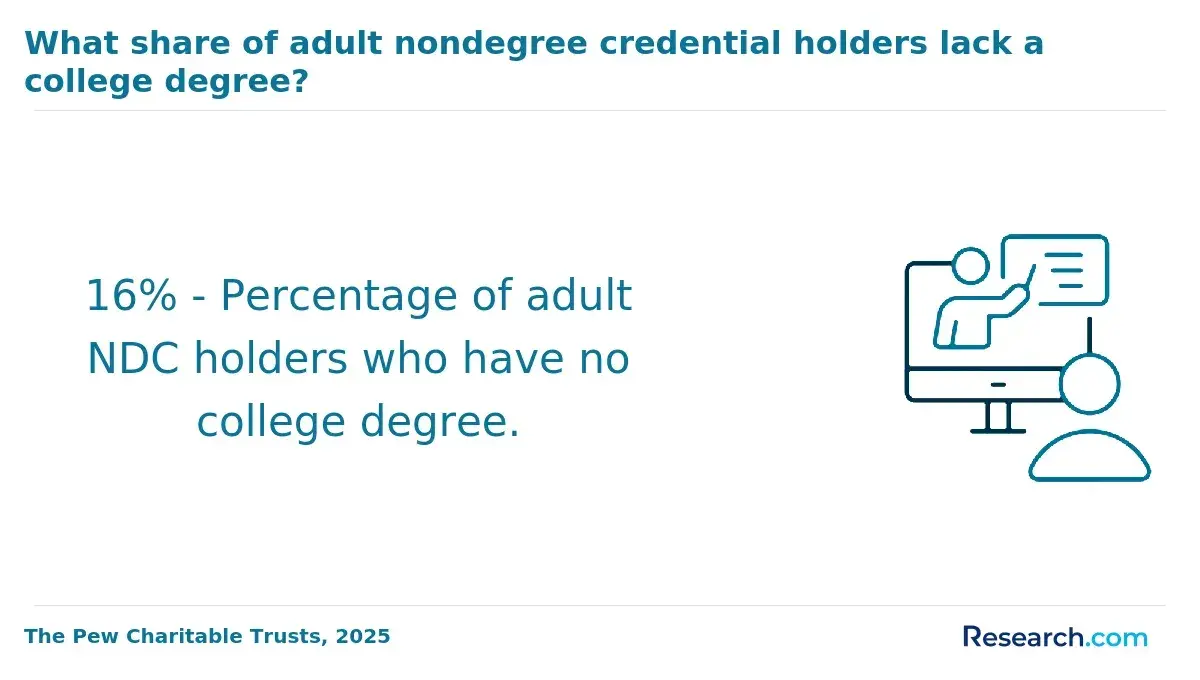
Online delivery can reduce commuting, while campus study may provide easier access to in-person facilities and colleagues. Neither format, on its own, establishes flexibility or quality. The comparison below highlights commitments that can still affect a working student after admission.
| Format | Potential advantage | Commitment to check |
| Online | Remote access to coursework | Live sessions, fixed deadlines, residencies, and local placements |
| Hybrid or low-residency | Remote study with periodic in-person contact | Travel frequency, required dates, and related costs |
| Campus-based | Regular in-person access to faculty and facilities | Commute, course schedule, and enrollment expectations |
Even students familiar with online colleges should check doctoral-specific obligations. Ask whether a project defense is live, whether a clinical placement must be completed near home, and whether the institution helps arrange it. "Online coursework" is not a promise that every degree requirement can be completed remotely.
Professional doctorates normally require a completed bachelor's degree; many require a relevant master's degree, professional experience, or both. Regulated fields may also require an active license. Programs can additionally request transcripts, recommendations, a statement of purpose, a résumé, a writing sample, an interview, or evidence of readiness for doctoral work. GPA and GRE or GMAT policies vary by program; the absence of a published threshold is not proof that none applies.
For a monthly-start program, distinguish eligibility from timing. Ask when every document must be received, whether interviews or prerequisite reviews delay entry, and whether a post-master's or bachelor's-entry applicant uses a different calendar. Having a master's degree does not automatically reduce doctoral requirements; request a program-level evaluation of any graduate coursework you hope to apply.
There is no defensible single price or completion time for professional doctorates. Requirements vary by entry pathway, credit load, clinical hours, project approval, and course sequencing. Monthly starts may shorten the wait to enroll without shortening the degree itself. Claims about fast track degree programs should be checked against the full doctoral timeline, not just the length of a course.
Compare schools using an individualized total-cost estimate. The following figures belong in that estimate because a low tuition rate can conceal a more expensive path:
- Tuition for the remaining required doctoral credits and any prerequisite courses.
- Mandatory, technology, clinical, project, and graduation fees.
- Travel and lodging for required residencies or campus visits.
- Expected extra-term charges if the project, placement, or defense takes longer.
- Scholarships, employer assistance, or assistantships that the program confirms are available to you.
Request both a planned course sequence and the school's rules for extending project enrollment. Federal aid eligibility, employer benefits, and funding conditions should be checked before accepting an offer. An earlier start is not necessarily worth a higher total cost.
Most professional doctorate curricula combine advanced field coursework, research or evaluation methods, and a substantial culminating requirement. A DBA might include organizational strategy and applied inquiry; an EdD might include improvement methods and education policy; a DNP typically includes evidence-based practice and clinical or systems work. The exact mix depends on the credential and entry pathway.
A doctoral project is not the same as having no major scholarly requirement. Before applying, obtain the curriculum and handbook description of the proposal, approvals, supervision, and final presentation. Be especially cautious about broad claims involving 1 year PhD programs online no dissertation: a research PhD and a professional doctorate are different credentials, and a short coursework schedule does not remove doctoral-level culminating work.
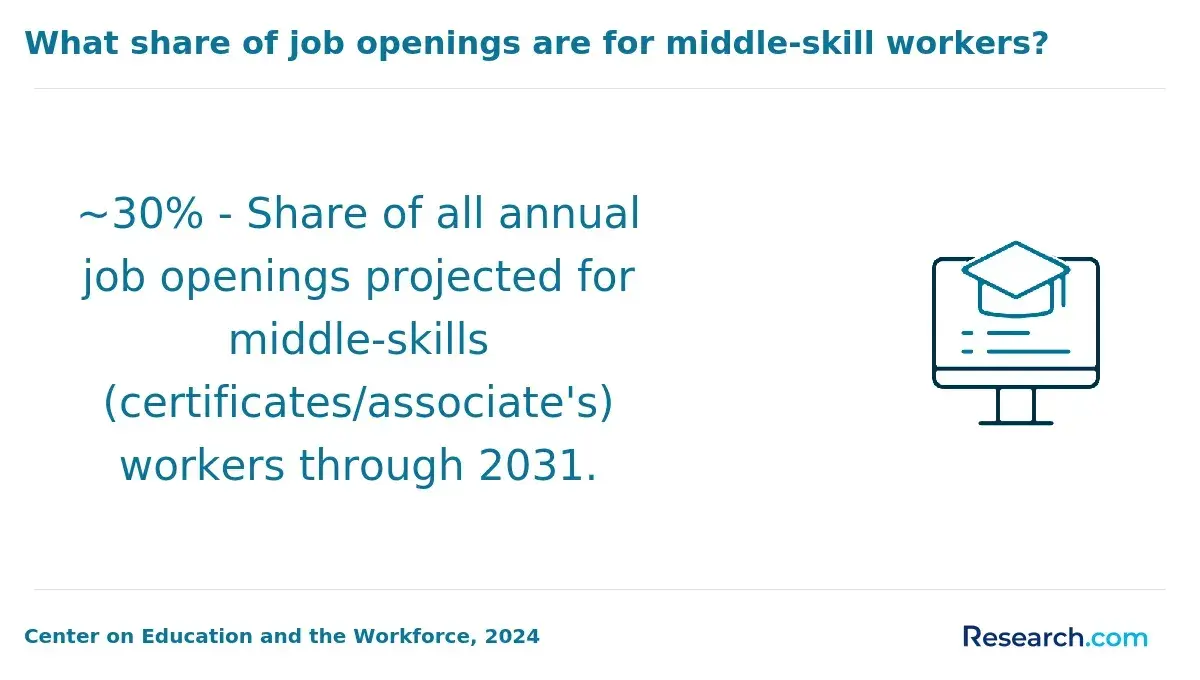
Professional doctorates can be relevant to leadership, advanced practice, program evaluation, consulting, teaching, or specialized service - but the degree's value depends on the role. A DNP may align with an advanced nursing pathway, a DrPH with public health leadership, and a DBA with organizational consulting. Employers can still require substantial experience, and academic teaching positions have separate hiring expectations.
Work backward from actual roles you want. If their requirements call primarily for a license, certification, or management experience, complete or strengthen that qualification first. For psychology, nursing, education, and social work, confirm state-specific licensing or certification rules before treating any doctorate as a qualifying route.
BLS occupational data can help establish a career benchmark, but it cannot predict a doctoral graduate's pay. For example, the BLS reported a 2024 median annual wage of $101,190 for management analysts. That figure includes workers with different education and experience levels; it is not the typical salary of DBA graduates, and the occupation does not ordinarily require a doctorate.
Job outlook is similarly occupation-specific, not degree-specific. Compare the outlook for your intended role with its actual hiring requirements, then weigh possible advancement against tuition, time away from work, and the value of alternatives. A doctorate may be worthwhile for a particular professional objective without producing a measurable salary increase.
How Can You Choose the Right Professional Doctorate Program?
Choose first for career and credential fit, then verify whether the start-date flexibility is real. A convenient intake cannot compensate for a program that does not meet licensing requirements, provide suitable supervision, or fit your budget. Use these checks with each admissions office so competing offers can be compared on the same basis:
- Confirm the awarded doctoral degree, institutional accreditation, and any programmatic accreditation or state-licensure relevance.
- Request the next several starts and deadlines for your exact program, specialization, and entry pathway.
- Obtain the required-course sequence, project or clinical requirements, and any live or in-person attendance dates.
- Ask for a written estimate of remaining credits, total charges, available funding, and graduate-credit applicability.
- Compare those commitments with a master's degree, certification, licensure, or additional professional experience.
Two common red flags are using an undergraduate admissions calendar to support a doctoral monthly-start claim and quoting tuition without fees or project-extension costs. If a school cannot confirm essential requirements in current program materials or in writing, keep looking before you enroll.
Other Things You Should Know About
No. They mean a qualifying program may offer approximately monthly entry points. Application deadlines, specialization availability, and course schedules can still restrict your start.
Not necessarily. Frequent entry dates describe scheduling, not admission standards. The program may still require graduate preparation, experience, licensure, and a competitive application.
Only if the specific program's requirements allow it. Clinical placements, residencies, live sessions, or defenses may still be required.
It may reduce the wait before your first term. Completion still depends on course sequencing, enrollment, clinical work, and progress on the doctoral project or dissertation.
- Cost of Attendance (Budget) | 2025-2026 Federal Student Aid Handbook https://fsapartners.ed.gov/knowledge-center/fsa-handbook/2025-2026/vol3/ch2-cost-attendance-budget
- Certification Procedures - Questions and Answers http://www.ed.gov/laws-and-policy/higher-education-laws-and-policy/certification-procedures-questions-and-answers
- Estimate your college cost | USAGov https://www.usa.gov/estimate-college-cost
- Federal Regulation & State Authorization | ku.edu https://codl.ku.edu/federal-regulation-state-authorization
- Program Prerequisites | School of Medicine Student Affairs https://somsa.ucr.edu/program-prerequisites
- Costs - UGA Student Financial Aid - University of Georgia https://osfa.uga.edu/costs/
- State Authorization | txst.edu https://www.distancelearning.txst.edu/about-oxp/state-authorization.html