2027 Best Part-Time Doctoral Programs for Working Adults

Co-Founder and Chief Data Scientist
A doctorate may advance your work, but can you finish one without leaving your job? The National Center for Science and Engineering Statistics counted 57,862 research doctorates awarded by U.S. institutions in its 2023 Survey of Earned Doctorates—a measure of the scale of doctoral education, though it excludes professional doctorates. For working adults, the harder question is which program officially permits part-time study and offers a manageable path through research or clinical requirements.
This guide compares doctoral fields and shows you how to evaluate schedules, costs, credentials, and career value before applying.
Key Things You Should Know
- Start with the goal: A DBA, EdD, or DNP generally emphasizes professional practice; a PhD generally emphasizes original research. The better choice depends on the work you want to do.
- Verify the schedule: Online courses do not establish that a doctorate permits part-time enrollment or eliminates live meetings, residencies, clinical work, and defenses.
- Compare total commitment: The U.S. Bureau of Labor Statistics reports a 2024 median wage of $140,910 for computer and information research scientists, but that occupational figure is not a doctoral graduate salary or a return-on-investment promise.
Top 10 Best Part-Time Doctoral Programs for Working Adults - Mobile header: Top Programs
Business / DBA Programs
A Doctor of Business Administration (DBA) can suit experienced managers who want to investigate workplace problems while remaining employed. Compare officially permitted part-time course loads, cohort meeting times, residencies, and whether an applied project or dissertation can draw on your organization's data. A business PhD is usually the stronger match for someone seeking intensive academic research preparation. Neither degree substitutes for management experience, and a DBA may offer less incremental value than an MBA or targeted training if your goal is a near-term promotion.
Education / EdD Programs
A Doctor of Education (EdD) commonly serves educators studying problems in schools, colleges, or learning organizations. Working adults should examine whether classes meet after work, whether the inquiry project requires access to a workplace, and how often an adviser provides feedback. An education PhD may fit a stronger research-career goal. Check the specific program rather than assuming every EdD is part time or dissertation-free. State educator and administrator credentials have separate requirements; an EdD alone may not satisfy them.
Educational Leadership Programs
Educational leadership doctorates may be EdDs or PhDs, but the job you want matters more than the label. A working principal might value a practice-focused project and predictable evening meetings; a prospective education researcher may need close faculty mentorship and extensive methods training. Ask whether leadership internships, school-site research approvals, or campus sessions must occur during business hours. If you seek superintendent or principal certification, confirm the program's alignment with your state's rules before enrolling.
Psychology Programs
Psychology PhDs and Doctor of Psychology (PsyD) programs differ in research and practice emphasis, although requirements vary. For someone seeking clinical licensure, the decisive checks are programmatic accreditation, state eligibility, supervised clinical placements, internship requirements, and whether those commitments can realistically coexist with employment. An online class schedule cannot make in-person clinical training remote. If your aim is organizational research rather than clinical practice, compare nonclinical psychology doctorates instead of assuming a clinical credential is necessary.
Nursing / DNP Programs
The Doctor of Nursing Practice (DNP) is a practice-focused doctorate for eligible nurses; a nursing PhD focuses more heavily on producing research. Entry routes differ for nurses holding bachelor's and master's degrees, so compare prerequisites and the remaining curriculum. Verify clinical-hour requirements, placement support, practice-project expectations, and whether your employer can accommodate them. A DNP does not itself confer an advanced-practice license: role-specific certification and state nursing-board rules still apply.
Public Health Programs
A Doctor of Public Health (DrPH) often targets experienced professionals leading population-health initiatives; a public health PhD generally places greater emphasis on original research. Look beyond online coursework to required fieldwork, applied projects, synchronous collaboration, and data access. Public health experience and a relevant master's degree may be expected, but admissions rules differ. Choose a DrPH for a defined leadership or practice objective, not on the assumption that the credential alone will secure a director-level role.
Computer Science Programs
A part-time computer science PhD may suit a working researcher whose employer can support sustained investigation, but laboratory access, adviser availability, and research meetings can constrain the schedule. Some applied computing doctorates have different goals; confirm the exact credential before comparing them. Ask whether faculty accept part-time students and whether outside employment conflicts with funding or research expectations. For many software or data roles, a master's degree plus substantial project experience may be the more direct route.
Cybersecurity Programs
Cybersecurity doctorates can emphasize research, policy, or applied organizational security. A working professional should match the curriculum to a specific goal: publishing technical research calls for different supervision than improving enterprise risk practices. Confirm part-time admission, access to labs or restricted data, and dissertation or project expectations. Before paying for a doctorate, compare its likely added value with security certifications, a relevant master's degree, and hands-on experience—especially if the target job does not require doctoral study.
Social Work / Human Services Programs
A Doctor of Social Work (DSW) commonly focuses on advanced practice, organizational change, or applied scholarship; a social work PhD usually emphasizes research preparation. Human services doctorates may have different professional purposes. Check weekend intensives, field or workplace-project requirements, and whether part-time study is formally available. If clinical social work is the goal, a doctorate does not replace the master's-level education, supervised experience, examination, or state licensure requirements that apply to the occupation.
Public Administration / Public Policy Programs
A Doctor of Public Administration (DPA) may appeal to experienced public-sector leaders pursuing applied policy or management work. Public policy and public administration PhDs typically demand more original research, although individual curricula differ. Compare whether a dissertation requires data your agency can release, whether seminars meet during working hours, and whether part-time enrollment affects access to faculty or funding. If your goal is a promotion rather than research or specialized practice, first assess whether experience or a master's degree is sufficient.
What are the best part-time doctoral programs for working adults?
The best choice is a specific, accredited program that explicitly permits part-time enrollment and fits your career goal, weekly availability, budget, and culminating requirement. No field or school is universally best. The ten fields above are starting points for a shortlist, not a ranking of verified institutional programs.
Compare prospective programs in this order so an attractive online format does not obscure an unworkable doctoral schedule:
- Match the exact credential and curriculum to the research, practice, clinical, or leadership work you intend to do.
- Confirm the program's published part-time pathway, course rotation, live-session schedule, and maximum time to degree.
- Map every required campus visit, placement, exam, project milestone, and defense against your work calendar.
- Request an individual cost and funding estimate through completion, then compare it with the value of a master's degree or additional experience.
A program should not make your shortlist merely because its courses are online. Ask for its doctoral handbook or degree plan before treating it as a workable part-time option.
They can be, but online delivery and part-time availability do not establish quality. Verify the institution's accreditation through the U.S. Department of Education or its recognized accreditor. For regulated careers, also check applicable programmatic accreditation and ask the relevant state board whether the program meets educational requirements where you plan to practice.
Reputation is more specific than a school's ranking. Examine faculty expertise, access to an adviser, doctoral completion support, published requirements, and how students conduct research or clinical work. Be cautious if a school will not clearly identify the credential awarded, required in-person activities, or the process for reaching candidacy and completing the final project.
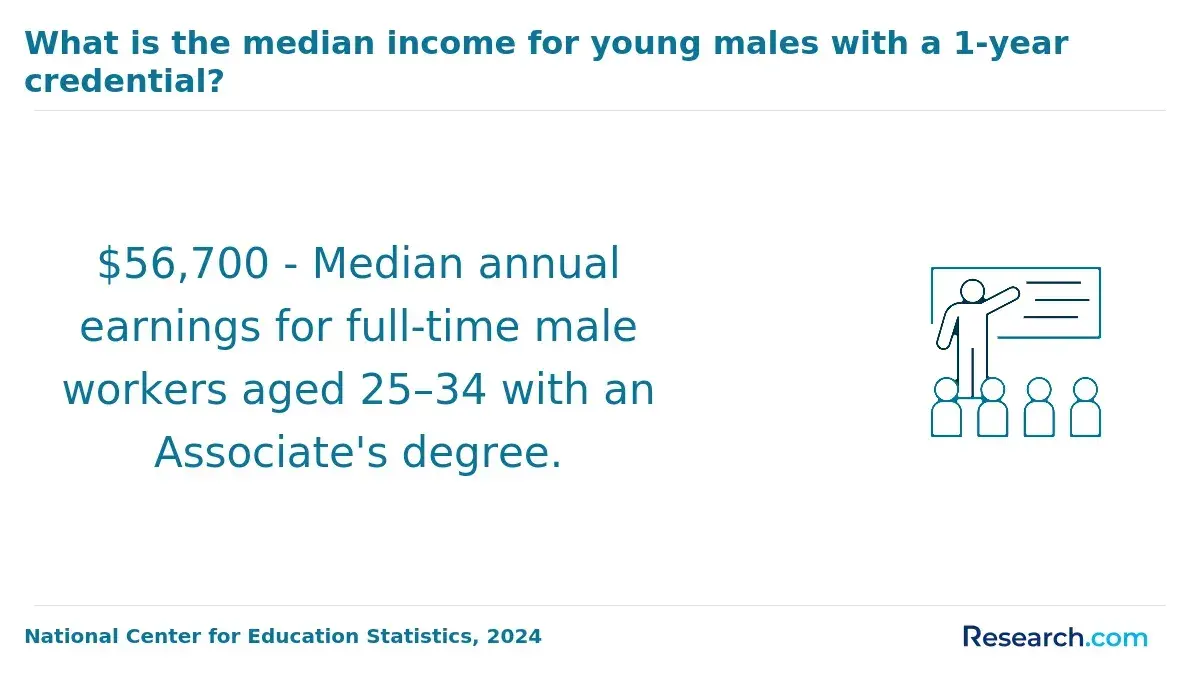
There is no reliable single price or timeline across these fields. Calculate cost from the credits you must take, tuition and mandatory fees, required visits, research or placement expenses, and any funding you can actually use. A funded PhD and a largely self-funded professional doctorate can have very different out-of-pocket costs even when their published tuition appears similar.
Part-time study can spread payments across more terms, but it can also extend fees and delay completion. Coursework is only part of the timeline: proposal approval, data collection, clinical hours, adviser feedback, and a defense may continue after classes end. 6 week college courses online illustrate a distinction worth keeping in mind: short individual courses do not make an entire doctorate quick. Request a term-by-term plan showing both coursework and the culminating requirement.
Potential options include research-oriented PhDs and practice-oriented doctorates such as the DBA, EdD, DNP, PsyD, DrPH, DPA, and DSW. Availability depends on the individual program's published enrollment policy, not its degree abbreviation.
The comparison below helps you choose a direction before investigating specific programs. It describes typical purposes, not a promise that every program offers a part-time route.
| Degree route | Usually the better fit when you want to... | Key part-time question |
| PhD | Produce original research or pursue research-intensive work | Will an adviser support part-time progress and outside employment? |
| Professional or practice doctorate | Apply advanced evidence to professional problems | Can required projects, residencies, or placements fit your work schedule? |
| Clinical or licensure-oriented doctorate | Prepare for a profession requiring doctoral-level clinical education | Are placements and state eligibility compatible with your location and availability? |
If your goal does not require doctoral research or practice preparation, compare a master's degree, certification, or professional experience first. Even fast online degrees address a different educational goal; speed alone should not determine whether to pursue a doctorate.
Coursework commonly includes advanced field knowledge, research methods, and a specialization. Research PhDs may add qualifying exams, candidacy, a dissertation proposal, original research, and an oral defense. Professional doctorates may culminate in a dissertation, applied research project, clinical project, or another substantial scholarly requirement.
Part-time status normally changes the pace, not the standard of work. Ask when the program assigns an adviser, how often research or project meetings occur, and what happens if a required course is offered only once a year. Those details often matter more to working adults than the length of a standard class session.
Applicants generally need at least a bachelor's degree; many professional doctorates require or prefer a relevant master's degree, professional experience, or licensure. Programs may assess previous coursework, grades, recommendations, a statement of purpose, writing or research samples, interviews, and—where applicable—faculty fit. GRE or GMAT rules vary by program.
Check admission to the part-time pathway separately from general graduate admission. A prospective PhD student should ask whether a potential adviser is accepting part-time researchers. If you are starting with the easiest online associates degree, that is an earlier educational step, not direct eligibility for doctoral admission. A prior master's degree also does not automatically reduce doctoral requirements; request a program-level evaluation of any eligible graduate coursework.
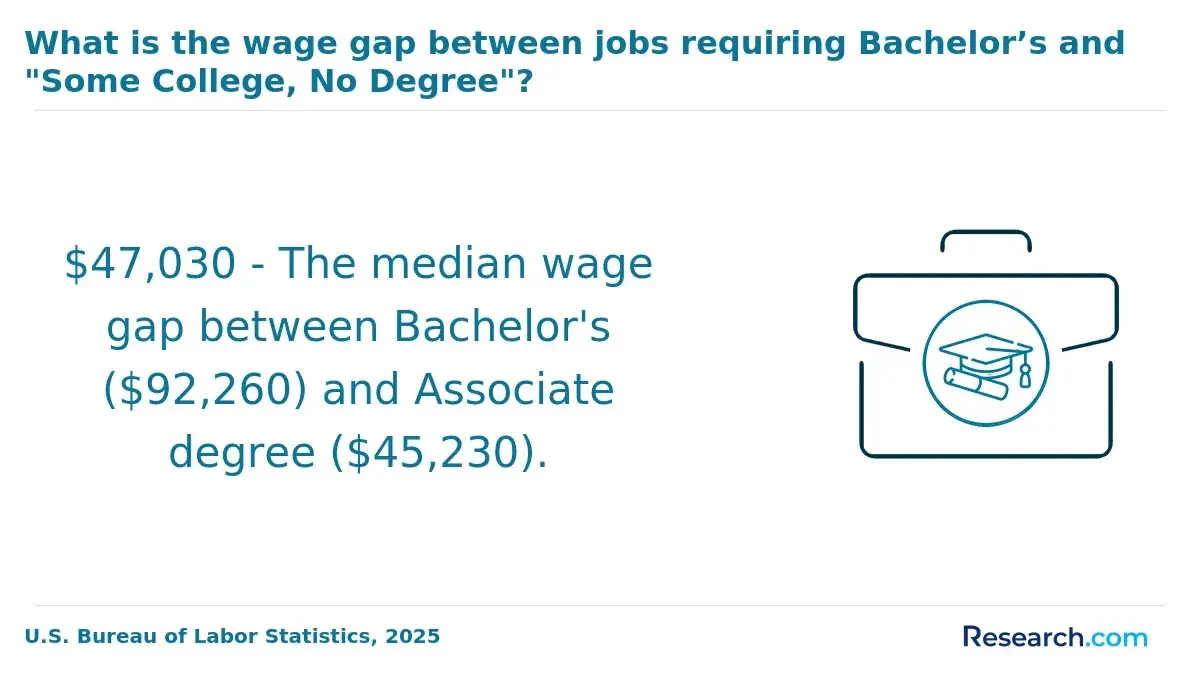
Online study can reduce routine travel, while campus study may offer more regular access to laboratories, faculty, and peers. Hybrid programs combine elements of both. None of these formats, by itself, confirms that part-time study is permitted.
This format comparison identifies the scheduling question most likely to affect a working adult's ability to finish. Check the answer against the specific program's handbook and course schedule.
| Format | Potential advantage | Commitment to verify |
| Online | Less routine commuting | Live meetings, fixed deadlines, visits, placements, and defenses |
| Hybrid or low-residency | Remote coursework with planned in-person contact | Frequency, timing, and cost of required visits |
| Campus-based | Regular access to facilities and research groups | Daytime attendance and travel throughout the degree |
Resources on accelerated online degree programs for working adults may help you compare formats, but do not assume a doctoral program shares another degree's pacing. Request a sample weekly schedule for both coursework and the dissertation or project stage.
Doctorates can support research, advanced clinical practice, teaching, and specialized leadership, depending on the field. They do not independently guarantee a job, promotion, faculty appointment, or salary. Some occupations require separate licensure, supervised practice, substantial experience, or a strong publication record.
Occupational pay is useful as context, not as a forecast of what a program's graduates earn. For example, the Bureau of Labor Statistics reports a 2024 median annual wage of $140,910 for computer and information research scientists. That figure covers workers in the occupation, not just doctorate holders; compare it with the degree requirements of jobs you actually want and the full cost of reaching them.
How can you choose a reputable part-time doctoral program?
Begin with three programs aligned with the same career goal and request each program's current degree plan, doctoral handbook, tuition schedule, and part-time enrollment policy. Ask an admissions representative and, where relevant, a potential adviser to explain how students make progress while employed.
Use the following checks before committing; they catch common mistakes that a ranking or headline tuition figure may miss:
- Confirm institutional accreditation and any programmatic approval or state licensure alignment your target occupation requires.
- Obtain a realistic calendar for course rotation, research supervision, residencies, placements, and the final defense.
- Compare estimated total cost after documented funding or employer assistance, including fees and travel.
- Ask how many part-time students have completed the program and what support is available if research or a project stalls.
If a school cannot clarify these points, keep looking. The right doctorate is one you can realistically complete and use—not simply one you can enter.
Other Things You Should Know About
Possibly. Confirm that the program permits part-time enrollment and check whether live classes, research meetings, clinical placements, or required visits conflict with your work hours.
Some do, but eligibility varies. Ask whether assistantships, tuition remission, stipends, and scholarships are available to part-time students and whether they restrict outside employment.
Some programs may allow remote academic work, while others require campus visits, laboratories, clinical placements, or in-person exams. Verify every requirement for the specific program.
Not necessarily. A program may award advanced standing or apply eligible graduate credits, but it may still require its own research, clinical, residency, and culminating work.
- Cost of Attendance (Budget) | 2025-2026 Federal Student Aid Handbook https://fsapartners.ed.gov/knowledge-center/fsa-handbook/2025-2026/vol3/ch2-cost-attendance-budget
- Measuring Student Success In IPEDS: Graduation Rates (GR), Graduation Rates 200% (GR200), And Outcome Measures (OM) https://nces.ed.gov/ipeds/use-the-data/measuring-student-success-in-ipeds
- Understanding College Costs | studentaid.gov https://studentaid.gov/resources/prepare-for-college/students/choosing-schools/consider-costs
- Academic Load and Time Status for all Graduate Students | charlotte.edu https://provost.charlotte.edu/policies-procedures/academic-policies-and-procedures/academic-load-and-time-status-all-graduate/
- Synchronous vs Asynchronous | University of Bridgeport https://www.bridgeport.edu/news/synchronous-vs-asynchronous/
- How Does Online Learning Work? | Drexel University Online https://www.online.drexel.edu/about/how-does-online-learning-work.aspx
- Course Modes & Definitions - Office of the University Registrar https://registrar.washington.edu/classrooms/course-modes/
- Time to Degree | wisc.edu https://search.data.wisc.edu/glossary/170022
- Completion Rates and Time to Degree Completion | Academic Affairs https://academicaffairs.uams.edu/irpa/office-of-institutional-studies/student-outcomes/completion-rates/
- What's the Difference Between Asynchronous and Synchronous Learning? | Ohio State Online https://online.osu.edu/content-hub/blogs/whats-the-difference-between-asynchronous-and-synchronous-learning/