2027 Best Doctoral Programs With Conditional Admission

Co-Founder and Chief Data Scientist
A conditional admission offer can open a path to doctoral study, but it is not the same as unrestricted enrollment. Applicants need to know which requirements remain, how long they have to meet them, and whether the degree fits their goal.
The National Science Foundation counted 57,862 U.S. research doctorate recipients - a reminder that doctoral study is a substantial undertaking, not just an admissions decision. This guide compares doctoral fields, explains how to verify a program's policy, and helps you assess the academic, financial, and career trade-offs before accepting an offer.
Key Things You Should Know
- Verify the doctoral policy. A university's general graduate conditional-admission rule does not prove that a particular doctorate accepts conditional applicants.
- Obtain the program's terms in writing. Check the condition itself. Ask what must be completed, by when, whether doctoral courses count toward the degree, and what happens if you miss the deadline.
- Compare the whole pathway. The National Science Foundation recently counted 57,862 U.S. research doctorate recipients; weigh the program's funding, research or clinical requirements, completion path, and career purpose - not admission accessibility alone.
Top 10 Best Doctoral Programs With Conditional Admission - Conditional Admission Doctorates
Business / DBA Programs
A Doctor of Business Administration (DBA) generally emphasizes applied research and organizational problems; a business PhD typically places more weight on original research and faculty fit. Applicants seeking conditional entry should ask whether a DBA permits a missing prerequisite or provisional GPA review, and whether the business doctoral program - not merely the graduate school - authorizes that route.
Compare required management experience, project or dissertation expectations, and employer support. If your goal is a promotion that mainly rewards experience, an MBA or industry credential may be a less costly alternative.
Education / EdD Programs
A Doctor of Education (EdD) often centers on applied problems in schools or other learning organizations, while an education PhD commonly prioritizes original research. Conditional admission might address preparatory coursework or documentation, but it does not eliminate doctoral research requirements.
Ask whether the EdD program itself accepts conditional applicants, whether professional experience is required, and how its culminating project is supervised. Educators seeking a specific state credential should check that credential's rules separately; an EdD alone may not satisfy them.
Educational Leadership Programs
Educational leadership doctorates can serve K-12 administrators, higher education professionals, or organizational leaders, but those tracks have different prerequisites and outcomes. Check whether a conditional offer is available for your intended track and whether missing leadership experience, licensure, or graduate coursework can actually be remedied after entry.
An online schedule may still include cohort meetings or field-based work. If your immediate goal is principal or superintendent eligibility, compare the doctorate with your state's certification pathway before enrolling.
Psychology Programs
Psychology PhD and Doctor of Psychology (PsyD) programs vary sharply in research, clinical training, and funding. Do not assume conditional admission is available simply because a university offers provisional graduate enrollment; clinical doctoral selection may have separate standards.
For a clinical career, verify program accreditation, supervised training, internship arrangements, and the licensing rules of the state where you intend to practice. A conditional offer cannot substitute for required clinical preparation, and a psychology doctorate alone does not confer a license.
Nursing / DNP Programs
A Doctor of Nursing Practice (DNP) emphasizes advanced nursing practice and systems improvement; a nursing PhD emphasizes research. Entry routes may differ for bachelor's-prepared and master's-prepared nurses. Ask whether conditional admission applies to the exact DNP track and which items, if any, can be completed after entry.
Check existing RN licensure, specialty prerequisites, clinical placement responsibilities, and project requirements. For an advanced-practice role, confirm that the track supports the certification and state authorization you need; the DNP by itself is not a license.
Public Health Programs
A Doctor of Public Health (DrPH) commonly focuses on practice and leadership, whereas a public health PhD typically emphasizes research. Programs may expect different levels of graduate preparation and public health experience. If considering conditional admission, ask whether the specific doctoral program permits it and whether the condition concerns prerequisite methods coursework, documentation, or something else.
Compare the applied project or dissertation, fieldwork, and funding. Public health leadership positions also depend on relevant experience; the doctorate is not an automatic route to management.
Computer Science Programs
A computer science PhD is a research degree in which faculty expertise, research preparation, and adviser availability may be central to admission. A university-wide conditional policy may not apply when a department needs to confirm research fit before offering a place.
Ask whether missing mathematics or computing prerequisites can be completed after admission and whether doing so affects funding or progress toward candidacy. If your goal is software development rather than research, compare the doctorate's time commitment with a relevant master's degree or professional experience.
Cybersecurity Programs
Cybersecurity doctorates may emphasize original research or applied leadership, depending on the credential and curriculum. Look past the program name: compare faculty research areas, laboratory access where relevant, dissertation or project requirements, and any required professional background. Confirm conditional admission with the doctoral department, particularly if your prior degree is outside computing.
Security certifications can help establish professional skills, but they neither guarantee doctoral admission nor normally replace doctoral research. For many practitioner roles, experience and targeted certification may offer a more direct route.
Social Work / Human Services Programs
A Doctor of Social Work (DSW) usually stresses advanced practice or leadership; a social work PhD generally focuses more on research. Human services doctorates can have different professional aims, so check the exact credential.
Ask whether conditional admission is available to applicants without an MSW, required practice experience, or other preparation - do not assume those conditions are waivable. If clinical practice is your goal, verify state licensing requirements and the qualifications of the underlying social work degree. A doctorate does not independently establish clinical licensure.
Public Administration / Public Policy Programs
A Doctor of Public Administration (DPA) often targets applied public-sector leadership; a public policy or public administration PhD may prioritize research and methods. Compare those purposes before judging admission flexibility. Ask the doctoral program whether it permits conditional entry for missing quantitative preparation, documents, or another specified requirement, and whether the offer includes funding.
Government and nonprofit leadership roles commonly depend on substantial experience. If your goal is a particular policy job, a master's degree plus relevant work may be the more direct choice.
What Is Conditional Admission for Doctoral Programs?
Conditional admission is an offer that allows an applicant to enter, or begin a defined pathway toward, a doctoral program while completing stated requirements. Those requirements might involve prerequisite coursework, official records, or a specified academic-performance standard. The meaning of "conditional" varies: some offers permit doctoral enrollment immediately, while others do not confer full program standing until the condition is met.
Read the offer letter rather than relying on the label. It should identify the condition, deadline, permitted courses, funding or aid implications, and consequence of noncompliance. Conditional admission is not open enrollment. Applicants who have not completed a bachelor's degree ordinarily need to do so before doctoral study; even the easiest bachelor degree to get is an earlier educational step, not a substitute for doctoral eligibility.
DBA, EdD, DNP, DrPH, DPA, PsyD, DSW, and PhD programs are all possible subjects of a conditional-admission search. That does not establish that any particular program offers it. A graduate-school policy may exclude some doctorates, and a department may impose additional selection requirements. Because a current, program-specific policy is essential to this claim, the field comparisons above are not a verified ranking of institutions offering conditional admission.
The distinctions below help narrow a search before you request written confirmation from a department. They describe what to compare, not confirmed conditional-admission offers.
| Doctoral pathway | Primary fit | Admissions point to verify |
| Research PhD | Original research and research-intensive careers | Whether the department permits conditional entry when research fit or adviser placement is required |
| Practice-oriented doctorate | Applied projects, advanced practice, or professional leadership | Whether experience, prior degree, or licensure requirements can be completed after entry |
| Clinical or licensure-oriented doctorate | Preparation connected to a regulated profession | Whether conditional entry affects clinical placement, accreditation, or licensure eligibility |
A short course, including 6-week courses with certificates, may help refresh a skill. It satisfies a doctoral admission condition only if the program explicitly accepts it as the required preparation.
Requirements depend on both the doctoral program and the reason for the conditional offer. A completed bachelor's degree is the usual starting point; some doctorates also require a relevant master's degree, professional experience, licensure, research preparation, or an adviser match. Programs may evaluate transcripts, a statement of purpose, recommendations, writing samples, interviews, and applicable GRE or GMAT scores. SAT and ACT policies are generally not useful measures of doctoral accessibility.
Before applying, request answers to these questions in writing so you can distinguish a manageable condition from a barrier to completing the degree:
- Does the specific doctoral program accept conditional applicants, or does the policy apply only to other graduate degrees?
- Which requirement is conditional, what evidence clears it, and what is the deadline?
- Can you take degree-applicable doctoral courses and receive funding while the condition remains?
- What academic standing or enrollment consequence follows if you do not meet it?
If a master's degree is required, a one-year master's degree is worth considering only if its field and credential meet the doctorate's published entry requirements. Earning a master's does not automatically shorten the doctorate or qualify you for conditional entry.
Check institutional accreditation and, where relevant, programmatic accreditation. Search the U.S. Department of Education's accreditation database or the Council for Higher Education Accreditation's directory for the institution and accreditor. Then consult the appropriate professional accreditor and the licensing board in the state where you intend to work. Confirm the status covers your intended program and, if relevant, the period when you will enroll.
Accreditation serves different purposes across fields. For example, psychology applicants pursuing licensure should investigate applicable clinical program accreditation, while nursing applicants should check the program and track against nursing accreditation and certification expectations. An institution's accreditation alone does not establish that a particular doctorate meets a state's professional licensing rules. Ask the program to document the distinction.
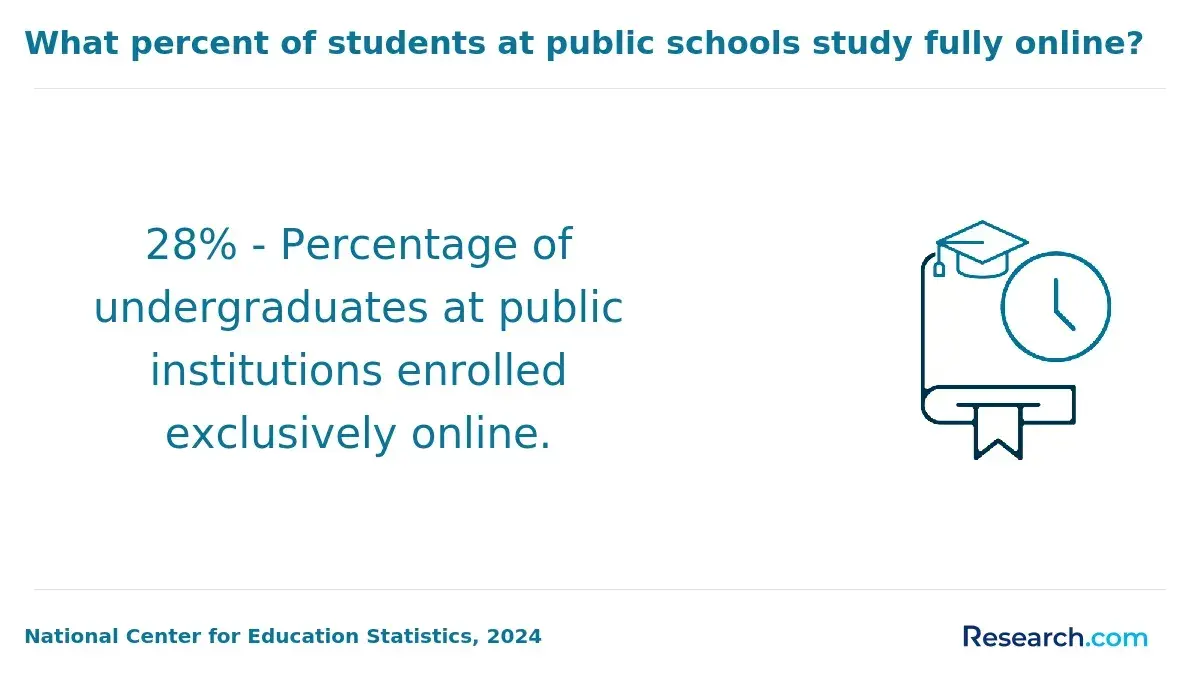
Yes. Online delivery and conditional admission can both be legitimate features of a doctorate. Neither, however, proves academic quality or career suitability. Apply the same checks you would use for a campus program: recognized institutional accreditation, a clearly identified doctoral credential, written admission conditions, qualified faculty, a defined curriculum, and transparent graduation requirements.
"Online" also needs clarification. A program can deliver courses remotely yet require scheduled seminars, campus residencies, laboratories, local clinical placements, research meetings, or an oral defense. Ask whether each requirement can be completed where you live and whether a condition delays access to advisers, placements, or research work. Be wary of a school that promises a license, job, or unusually quick doctorate without explaining how its academic requirements are met.
There is no reliable single price or completion time for conditionally admitted doctoral students. Calculate the likely total cost to completion: tuition for remaining required coursework, mandatory fees, any prerequisite courses, residency or placement expenses, and the costs of research or a doctoral project. Ask whether conditional status changes aid eligibility or the start date of an assistantship. A funded PhD with tuition remission may have a very different out-of-pocket cost from a primarily student-funded professional doctorate; neither arrangement should be assumed.
Likewise, a course schedule is not a degree-completion schedule. Qualifying exams, adviser availability, data collection, clinical hours, proposal approval, and the final defense can affect the timeline after coursework ends. Request the program's published time-to-degree information, a sample plan for someone with your background, and a written graduate transfer-credit evaluation. Credits accepted by a university do not necessarily satisfy your doctoral requirements.
If the doctorate is not necessary for your goal, compare its full financial commitment with online affordable master's programs and relevant work experience. A lower-cost degree is only the better investment if it actually supports the career you want.
After admission, students generally must satisfy both the offer-letter conditions and the doctorate's ordinary progression requirements. Clearing a prerequisite or earning specified grades does not waive research, clinical, or culminating work. Ask for a written degree plan showing where conditional coursework fits: a course may clear an entry deficiency without counting toward doctoral credits.
The academic work depends on the credential. A research PhD may require methods courses, qualifying examinations, advancement to candidacy, original research, a dissertation, and an oral defense. A professional doctorate may instead include applied research, a doctoral project, supervised practice, or a capstone; clinical programs may add placements and required hours. If a program advertises an accelerated route, confirm which of these requirements remain and which prior graduate credits actually apply.
Career outcomes depend more on the field, credential, experience, and applicable license than on whether admission was conditional. The U.S. Bureau of Labor Statistics projects strong growth for nurse practitioner employment over its 2024-2034 projection period, but that occupation has specific nursing education, certification, and state authorization requirements. Growth in an occupation is not evidence that a DNP - or conditional admission to one - will secure a position or increase an individual's pay.
Use occupational salary figures carefully: a BLS median describes people working in an occupation, not the earnings of graduates from a particular doctorate. A DBA or DPA may support experienced professionals pursuing leadership; a PhD may develop research qualifications; a clinical doctorate may form part of a licensing path. Employers, faculty hiring committees, and licensing boards can require additional experience, publications, supervised practice, examinations, or postdoctoral training. Request program-specific completion and placement information where available, and compare it with your current career options.
How Should You Choose a Reputable Conditional Doctoral Program?
The best conditional-admission doctorate is one whose written admission pathway is achievable and whose full degree requirements advance your goal. Start with a shortlist based on credential and career fit, then contact each doctoral program - not just a central admissions office - to confirm that conditional admission applies to your intended track.
Compare offers in this order to avoid treating an accessible offer as a complete recommendation:
- Obtain the condition, deadline, enrollment rights, and consequence of missing it in writing.
- Verify institutional accreditation, relevant programmatic status, and any state licensing implications.
- Review required research, projects, exams, placements, and in-person activities with a faculty member or program director.
- Compare total cost, funding terms, accepted graduate credits, and a realistic completion plan.
- Check whether a master's degree, certification, or additional professional experience would meet your goal with less time or expense.
A major red flag is an admissions representative who cites a general university policy but cannot confirm that the doctoral department honors it. Another is an attractive tuition quote that omits prerequisite study or unfunded research time. If the program cannot resolve either issue before you commit, keep looking.
Other Things You Should Know About
No. Full standing depends on meeting the offer's stated conditions by its deadline and satisfying any other program requirements.
Possibly, but only if the specific program permits it. Ask how it evaluates prior grades and whether it sets a required GPA for conditional coursework.
Do not assume so. Eligibility can depend on enrollment status and the type of aid or institutional funding. Get a written determination from the school's financial aid office.
Not necessarily. Delivery format does not establish admissions policy; verify the doctoral department's rules and any in-person degree requirements separately.
- GSH Section 2 - Admissions | Graduate School https://gradsch.osu.edu/graduate-school-handbook-gsh/gsh-section-2-admissions
- Conditional Admission | University of Portland https://www.up.edu/student-life/international-student-services/prospective-students/conditional-admission.html
- What is Conditional Admission? | reach.edu https://info.reach.edu/support/what-is-conditional-admission
- Provisional and Conditional Admission to the Graduate School | University of Louisiana at Lafayette https://louisiana.edu/graduateschool/admissions/after-you-apply/provisional-and-conditional-admission-graduate-school
- PH: PHD - Doctor of Philosophy in Public Health | Florida International University Catalog https://catalog.fiu.edu/programs/PH%3APHD/requirements-uz47h
- International Admission Types | Graduate College https://grad.arizona.edu/admissions/types/international-admission-types
- Conditional Admission | umkc.edu https://shss.umkc.edu/applied-language-institute/admissions/conditional-admission.html
- Cost & Funding - Graduate School - University of Arkansas https://graduate-students.uark.edu/cost-and-funding/
- BA vs. DMgt vs. PhD: What's the difference? | Touro University Worldwide https://www.tuw.edu/school-news/dba-or-doctor-of-managment/
- Conditional Admission | ua.edu https://admissions.ua.edu/international/conditional/