2027 Best Doctoral Programs With Credit for Life Experience

Co-Founder and Chief Data Scientist
Your years of professional work may strengthen a doctoral application, but will they reduce the credits you must earn? That distinction matters when choosing among research doctorates and practice-focused degrees. Federal Student Aid lists $20,500 as the standard annual Direct Unsubsidized Loan limit for graduate and professional students, with exceptions for certain health professions; paying for credits that do not advance your degree can be costly. This guide compares doctoral fields, explains what schools may recognize, and shows how to obtain a written credit evaluation before committing.
Key Things You Should Know
- 0 doctoral credits are guaranteed for work or life experience; admission value and academic credit are separate decisions.
- Look for a published doctoral-level prior-learning, advanced-standing, or transfer policy - not an undergraduate credit-for-experience policy.
- Even when credit applies, expect to complete the program's remaining research, project, clinical, residency, and defense requirements.
Top 10 Best Doctoral Programs With Credit for Life Experience - Top Doctoral Programs
Business / DBA Programs
A Doctor of Business Administration (DBA) generally serves experienced managers pursuing applied research or organizational leadership. Executive experience may support admission and provide a subject for a workplace-based project, but neither establishes eligibility for doctoral credit. Ask whether a DBA awards credit through a documented assessment of prior graduate learning or instead considers only graduate transfer courses. Compare that answer with the remaining research and project requirements. If your goal is management advancement rather than doctoral-level inquiry, an MBA plus experience may be the better investment.
Education / EdD Programs
A Doctor of Education (EdD) often focuses on solving problems in educational practice; an education PhD generally emphasizes original research. Teaching or administrative experience can make an EdD application and applied project more relevant, but it does not automatically replace coursework. A relevant master's degree may satisfy entry requirements without reducing the doctoral curriculum. Request an evaluation showing which graduate courses apply to the EdD and which research, project, or dissertation requirements remain. Check state rules separately if your goal involves educator certification.
Educational Leadership Programs
Educational leadership doctorates may lead to an EdD or PhD, so check the awarded credential and its purpose. School leadership experience can inform a dissertation or improvement project; some programs may also consider eligible previous graduate courses. Neither possibility proves that a principalship or other job earns doctoral credit. Compare curricula on policy, organizational change, and research methods. If you seek a superintendent or other regulated role, verify state certification requirements independently of the doctorate.
Psychology Programs
A psychology PhD is typically research-intensive, while a Doctor of Psychology (PsyD) generally emphasizes professional practice. Clinical experience may help an applicant, but do not assume it substitutes for doctoral coursework, supervised training, an internship, or a dissertation or project. For a psychologist licensure goal, investigate the specific program's accreditation and your state board's education, supervised-practice, and examination rules before considering any credit claim. A doctorate alone does not grant a license.
Nursing / DNP Programs
A Doctor of Nursing Practice (DNP) prepares nurses for advanced practice or systems leadership; a nursing PhD primarily develops researchers. Prior nursing education, certification, and clinical experience may affect the entry pathway, but schools must determine what meets doctoral requirements. Ask whether the DNP is post-bachelor's or post-master's and how previous graduate coursework applies. Verify required clinical hours and the scholarly project even if advanced standing is available. Nursing licensure and specialty certification have separate requirements.
Public Health Programs
A Doctor of Public Health (DrPH) commonly emphasizes practice and leadership; a public health PhD usually centers on original research. Experience directing health programs can support admission or an applied project, but credit requires an explicit program policy and evaluation. Compare prerequisites, previous graduate-credit rules, and the remaining practicum, research, or dissertation requirements. If you primarily need new analytical skills for your current role, a targeted graduate certificate may cost less than a doctorate.
Computer Science Programs
Computer science PhD programs normally require original research, making faculty fit, laboratory opportunities, and funding more consequential than years of industry employment alone. Professional projects can demonstrate research potential, but should not be mistaken for transferable doctoral credits. Ask whether previous graduate courses can satisfy specific requirements and whether the department permits any formal prior-learning assessment. For many software roles, a doctorate is unnecessary; it makes more sense when your goal calls for sustained, advanced research.
Cybersecurity Programs
Cybersecurity doctorates may be research-oriented PhDs or practice-focused doctorates. Industry certifications and security leadership experience can strengthen an application, but only a published doctoral assessment or transfer policy can establish academic credit. Compare the degree's research expectations with your goal: developing new security knowledge differs from advancing in operational leadership. If a specific role values certifications and experience more than doctoral research, investigate that less costly route first.
Social Work / Human Services Programs
A Doctor of Social Work (DSW) often focuses on advanced practice or leadership; a social work PhD generally prepares researchers. Casework, supervision, and community-service experience may inform doctoral study, but do not presume they replace graduate courses or a culminating project. Ask how an existing Master of Social Work affects eligibility and degree requirements. For clinical practice, confirm state licensure rules and any programmatic accreditation implications; doctoral admission or credit does not replace a professional license.
Public Administration / Public Policy Programs
A Doctor of Public Administration (DPA) can emphasize applied public-sector leadership, while a public policy or administration PhD typically emphasizes research. Government or nonprofit experience may help frame a policy project without earning credit. Compare any formal assessment pathway with rules for transferring relevant graduate coursework, then check what methods, candidacy, and dissertation or project work remains. A master's degree and substantial policy experience may be sufficient if your goal does not require doctoral research.
What Does Credit for Life Experience Mean in Doctoral Programs?
Credit for life experience means academic credit awarded after a school formally assesses learning gained outside conventional coursework. It is not credit for time spent working. At the doctoral level, a school must establish that the learning matches specific advanced degree requirements and permit that form of assessment in its doctoral policy. Professional experience is more commonly used to establish admission eligibility, shape research, or qualify an applicant for a post-master's pathway.
A key distinction is prior-learning credit versus transfer credit: transfer credit comes from completed academic coursework, usually at the graduate level. A relevant master's degree may be required for admission yet confer no reduction in doctoral requirements. Undergraduate credit ordinarily does not become doctoral credit. If you have not completed a bachelor's degree, an associate's degree online may be one earlier step, but it is not a direct doctoral-entry or doctoral-credit pathway.
There is no defensible universal list of accredited doctoral programs that award academic credit simply for life experience. The ten fields above are comparison categories, not verified credit-awarding program recommendations. An institution's undergraduate prior-learning policy, a doctorate's preference for experienced applicants, or a post-master's curriculum is not evidence that its doctoral program awards life-experience credit.
The strongest candidate for your shortlist is a specific program whose official catalog or doctoral handbook identifies eligible prior learning, the assessment method, the maximum applicable credit, and requirements that cannot be waived. If those terms are unpublished, ask for the policy and a written, degree-specific determination. Until the program confirms an award, compare it as a standard doctoral option - not as a life-experience-credit program.
This distinction helps compare pathways that can otherwise appear similar:
| Pathway | What is evaluated | What it does not establish |
| Doctoral prior-learning assessment | Documented learning under an explicit doctoral policy | Automatic credit for employment |
| Graduate transfer credit | Completed courses for equivalence and degree applicability | That every accepted course reduces required credits |
| Post-master's pathway | Specified prior degree or professional preparation | That an unrelated master's shortens the doctorate |
| Experience-based admission | Professional record as an admissions qualification | Academic credit after enrollment |
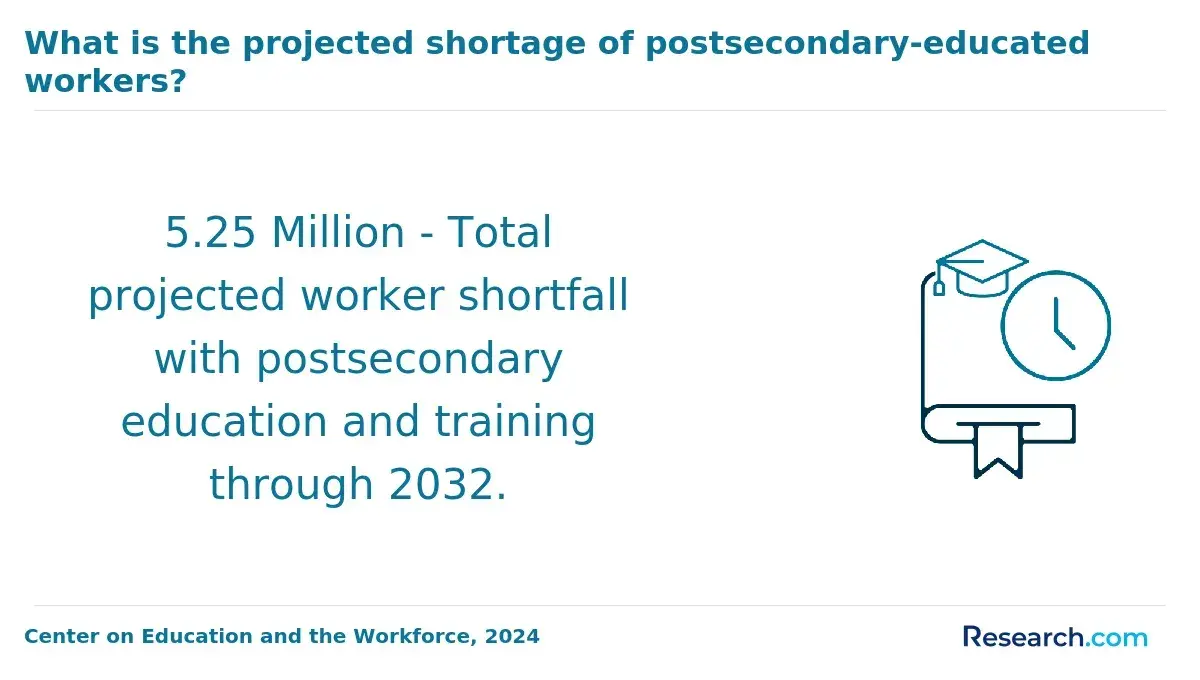
Start with the doctoral program's policy, not a general university webpage. Before paying an enrollment deposit, seek a written evaluation that identifies both the credits awarded and the requirements they replace. These steps make the decision auditable:
- Ask the doctoral director whether a formal prior-learning assessment exists for the specific degree, and request its published rules and fees.
- Submit graduate transcripts and, if permitted, a portfolio mapping professional learning to particular doctoral outcomes; include substantial work products without disclosing protected employer or client information.
- Request a written ruling on credit level, course equivalencies, maximum applicable credits, minimum in-program credits, and remaining research or practice requirements.
- Compare the revised degree plan, tuition, and realistic completion schedule with an offer that grants no credit.
Military service deserves the same distinction: graduate-level military education might be evaluated where policy permits, but service itself does not automatically earn doctoral credit. Resources on online military colleges can help identify supportive institutions; the doctoral program must still confirm whether any particular learning applies to its degree.
Doctoral admission normally requires at least a completed bachelor's degree. Many practice-focused programs require or prefer a relevant master's, professional experience, and, in regulated fields, an active license. Research PhD admissions may depend heavily on research preparation, a writing sample or proposal, and faculty fit. Programs set their own GPA and test policies; do not infer them from undergraduate admissions pages.
Ask admissions to separate eligibility from advanced standing. An applicant can meet an experience requirement, hold the required master's degree, and still enter with no transferable doctoral credit. Prospective PhD students should also ask whether they must identify an adviser before applying and how adviser availability affects research progress.
Yes - an online doctoral program may permit doctoral transfer credit or a documented prior-learning assessment, but delivery format does not create either policy. Confirm the rule with the individual program. Also distinguish online coursework from a fully remote degree: scheduled research meetings, residencies, laboratories, local clinical placements, practicums, and oral defenses may still be required.
If you are comparing online degrees for working adults, request a term-by-term schedule showing fixed class times, campus visits, and project milestones. A part-time option should be explicitly permitted; asynchronous courses alone do not make dissertation or clinical work self-paced.
There is no reliable single price for doctorates with prior-learning credit: verified doctoral credit awards and program prices must be compared individually. These are the cost figures to request from each school so a smaller required course load is not mistaken for a lower total bill:
- Published doctoral tuition for the remaining required credits, including any residency-rate difference.
- Mandatory program, technology, assessment, and dissertation or project fees.
- Required travel, clinical-placement, research, and continued-enrollment costs.
- Scholarships, employer assistance, or documented assistantship and tuition-remission terms.
Calculate total expected cost under both the approved-credit and no-credit degree plans. A transfer award might lower course tuition without shortening a dissertation, project, or clinical schedule. Conversely, a funded PhD may cost a student less than a lower-tuition, largely self-funded professional doctorate. Check how long funding lasts and which fees remain your responsibility.
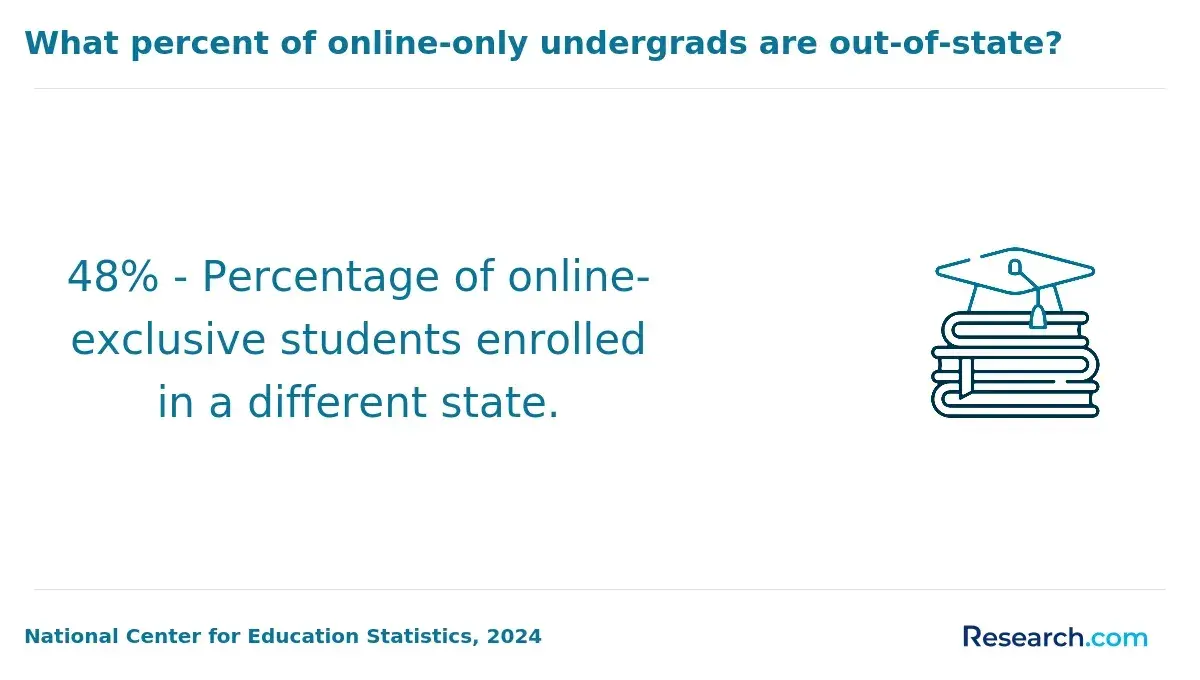
Coursework depends on the discipline, but doctoral study generally combines advanced subject knowledge with research or evaluation methods. A research PhD may add qualifying examinations, candidacy, a dissertation proposal, original research, and a defense. A professional doctorate may culminate in an applied project or dissertation; clinical programs can add supervised practice. Accepted credits usually affect only the requirements the program explicitly approves.
For that reason, a reduced course count is not a completion-time promise. Even comparisons of the shortest PhD programs need to account for adviser availability, data collection, proposal approval, and defense - not just class length. Ask to see a degree map marking each waived requirement and each remaining milestone.
Career value varies more by goal than by whether a school awards prior-learning credit. A DBA or DPA may support experienced leaders doing applied inquiry; an EdD may suit education practitioners; a PhD is often the stronger fit for sustained original research. Clinical practice can require licensure and supervised training regardless of doctoral credit. Compare those outcomes with a master's degree, certification, or additional work experience before committing.
As a labor-market reference, the U.S. Bureau of Labor Statistics reports a $133,080 median annual wage for software developers in 2024. That is an occupational median, not the salary of computer science doctoral graduates; a doctorate is not normally required for the occupation. Treat wage figures as context for a possible career, never as projected return on doctoral tuition or a promised promotion.
How Can You Verify a Doctoral Program's Accreditation and Licensure?
Check institutional accreditation for the university and any relevant programmatic accreditation for the specific degree. Use the accreditor's current directory and the program's official catalog rather than relying solely on a marketing claim. For a regulated career, ask the licensing board in the state where you plan to practice whether the exact program and delivery pathway meet its educational requirements.
Before enrolling, obtain written answers from the program and, when appropriate, the state board. Confirm whether the credit decision changes eligibility for accreditation-dependent training, clinical placements, certification, or licensure. A warning sign is a promise of a doctorate mainly for a résumé or years of service, without a documented assessment, advanced coursework, and a substantial culminating requirement.
Other Things You Should Know About
Usually not. A program may let you investigate a workplace problem, but its dissertation, project, and defense rules still apply unless an official doctoral policy expressly says otherwise.
No. It may establish admission eligibility or qualify you for a defined post-master's pathway, but the program must confirm which requirements, if any, it satisfies.
Only if the specific doctoral program has an applicable assessment or credit policy and approves the certification against degree requirements. Its value for admission is a separate question.
Request the applicable credit policy, an individualized evaluation, a list of remaining requirements, a degree schedule, and a total-cost estimate. If credit has not been approved, budget and plan as though none will be awarded.
- General Schedule Qualification Policies | U.S. Office of Personnel Management https://www.opm.gov/policy-data-oversight/classification-qualifications/general-schedule-qualification-policies/
- Credit for Prior Learning - Ohio Department of Higher Education https://highered.ohio.gov/students/adult-learners/credit-for-prior-learning
- Rule 3359-60-06.4 | Doctoral degree requirements. https://codes.ohio.gov/ohio-administrative-code/rule-3359-60-06.4
- Accreditation in the U.S. | ed.gov http://www.ed.gov/laws-and-policy/higher-education-laws-and-policy/college-accreditation/accreditation-in-the-us
- Cost of Attendance (Budget) | 2025-2026 Federal Student Aid Handbook https://fsapartners.ed.gov/knowledge-center/fsa-handbook/2025-2026/vol3/ch2-cost-attendance-budget
- Academic Policies | harrisburgu.edu https://hucatalog.harrisburgu.edu/content.php
- Credit for Prior Learning - Academic Catalog - CU Denver https://catalog.ucdenver.edu/cu-denver/graduate/records-registration/credit-for-prior-learning/
- Can I transfer credits into a doctoral program? | Capella University https://www.capella.edu/blog/phd-doctorate/can-i-transfer-credits-into-a-doctoral-program/
- Credit Requirements for Master's and Doctoral Degrees - Policy https://policy.umn.edu/education/maphddegreereq
- University Credit Requirements - CSU Graduate School https://graduateschool.colostate.edu/policies-and-procedures/university-credit-requirements/