2027 Best Doctorate Degrees

Co-Founder and Chief Data Scientist
Choosing a doctorate is less about finding the highest-paying field than deciding whether years of advanced study will help you reach a specific goal. The U.S. Bureau of Labor Statistics (BLS) reports that full-time workers with doctoral degrees had median weekly earnings of $2,278 in 2024, but that figure does not show what any particular degree will earn you. This guide compares research and professional doctorates across 10 fields, then helps you weigh career requirements, funding, time, and alternatives before applying.
Key Things You Should Know
- A PhD generally fits original research; a DBA, EdD, DNP, or another professional doctorate may better fit advanced practice or applied leadership.
- BLS growth for computer and information research scientists from 2024 to 2034, but a doctorate alone does not secure one of those jobs.
- Tuition, funding, foregone earnings, clinical hours, and dissertation or project requirements can matter more than a program's advertised length.
Top 10 Best Doctorate Degrees - Top Doctorates
Business / DBA Programs
A Doctor of Business Administration (DBA) suits experienced professionals who want to investigate organizational problems through applied research. A business PhD generally makes more sense for someone seeking a research-intensive academic career. DBA applicants often need substantial management experience and, at some schools, a master's degree. Expect research methods, a specialization, and a dissertation or applied doctoral project; formats and admission rules vary. A DBA does not substitute for executive experience. If your aim is a promotion rather than research-based expertise, compare its cost and time with an MBA or targeted management training.
Education / EdD Programs
A Doctor of Education (EdD) typically emphasizes improving educational practice through leadership, evaluation, and applied inquiry. A PhD in education usually places greater weight on original research and scholarly careers. Either can support work in schools, colleges, nonprofits, or education organizations, depending on the curriculum and your experience. Some EdD programs require a master's degree and professional experience; others use different entry pathways. Review the culminating project, district or state credential rules, and whether the roles you want actually require a doctorate before enrolling.
Educational Leadership Programs
Educational leadership doctorates may award an EdD or PhD, but their titles alone do not establish career fit. An applied EdD may suit a working principal or administrator studying a district-level problem; a research-focused PhD may suit someone investigating leadership policy or preparing for scholarly work. Check whether the curriculum addresses your setting - K-12, higher education, or another organization - and whether part-time study is permitted. Superintendent and principal credentials are governed by state rules; earning a doctorate does not automatically confer them.
Psychology Programs
A psychology PhD can emphasize research, clinical preparation, or both. A Doctor of Psychology (PsyD) commonly places greater emphasis on clinical practice, although requirements differ by program. Applicants should distinguish clinical, counseling, school, and nonclinical specialties before comparing degrees. For a U.S. clinical practice goal, investigate American Psychological Association program accreditation where applicable, supervised training, internship placement, and the intended state's licensing rules. Neither a psychology doctorate nor an online course format alone establishes license eligibility. Research careers may additionally depend on publications, faculty fit, and postdoctoral training.
Nursing / DNP Programs
A Doctor of Nursing Practice (DNP) focuses on advanced nursing practice, systems improvement, and evidence-based projects; a nursing PhD focuses more directly on generating research. Entry routes may begin after a BSN or MSN, with different curricula and timelines. A DNP can support advanced clinical or leadership goals, but nurse practitioner preparation requires the appropriate population-focused coursework, clinical training, certification, and state authorization. Ask whether the program prepares students for the precise role and state you intend, rather than assuming every DNP offers the same pathway.
Public Health Programs
A Doctor of Public Health (DrPH) often serves experienced public health professionals pursuing applied leadership, policy, or program improvement. A public health PhD is generally a closer match for original research careers. Admission to a DrPH may require a relevant master's degree and professional experience; research doctorates may instead prioritize methods preparation and faculty fit. Compare epidemiology, biostatistics, policy, and practice concentrations against the work you want to do. Many public health positions do not require a doctorate, making an MPH or additional field experience a meaningful alternative.
Computer Science Programs
A computer science PhD is strongest for someone who wants to produce original work in areas such as systems, computing theory, or artificial intelligence. Research interests, prospective advisers, lab resources, and funding matter more than a broad university ranking. Some programs admit applicants with a bachelor's degree; others expect additional graduate preparation. Coursework, qualifying exams, and a dissertation can extend well beyond the initial classes. Most software development jobs do not require a doctorate, so compare this path with a master's degree and industry experience if research is not your aim.
Cybersecurity Programs
Cybersecurity doctorates may focus on original technical research, applied organizational security, or policy. A PhD may suit someone developing security methods; a practice-oriented doctorate may better fit an experienced professional investigating operational problems. Compare faculty expertise, access to suitable research environments, and any restrictions on using workplace data. Information security roles commonly have pathways through a bachelor's degree, experience, and certifications, so doctoral study is not the default entry route. Choose it when the research or advanced specialization justifies the additional time.
Social Work / Human Services Programs
A Doctor of Social Work (DSW) commonly emphasizes advanced practice, organizational leadership, teaching, or applied inquiry; a social work PhD generally emphasizes research. Program purposes vary, so inspect the curriculum and culminating requirement rather than relying on the abbreviation. Clinical social work licensure depends on state rules, supervised experience, and examinations - not a DSW alone. For many practice roles, a qualifying master's degree in social work and licensure are the more direct path. A doctorate makes more sense when its specific scholarly or leadership training fills a demonstrated gap.
Public Administration / Public Policy Programs
A Doctor of Public Administration (DPA) can support applied inquiry by experienced government or nonprofit professionals, while a public policy or public administration PhD typically emphasizes original research and analysis. Either degree may cover evaluation, budgeting, and governance, but the intended career outcomes differ. Check whether a program's faculty and methods training match the policy problems you want to study. Senior public-sector roles generally also require substantial experience; an MPA, MPP, or stronger record of policy work may be a better immediate investment.
What are the best doctorate degrees for career advancement?
The best doctorate for career advancement is one that meets a requirement or builds expertise your next role will actually use. A DNP may fit a nurse pursuing a defined advanced-practice pathway, while an EdD may fit an educator tackling a leadership problem. A PhD in computer science is more compelling for original research than for a routine move into software management.
The comparison below separates goals that commonly justify doctoral study from those that often have shorter alternatives.
| Career goal | Doctoral path worth examining | Question before committing |
| Produce original research | Field-specific PhD | Do the faculty, research opportunities, and funding support your topic? |
| Advance regulated clinical practice | Appropriate clinical or practice doctorate | Does the exact program satisfy the intended state's education requirements? |
| Solve problems in an established profession | Relevant DBA, EdD, DrPH, DSW, or DPA | Will its applied research add value beyond your current degree and experience? |
| Qualify for general management | Often no doctorate is required | Would experience, a master's degree, or focused training serve you better? |
For a faster or less costly change of direction, compare the doctorate with a relevant master's degree, employer-supported training, or even easy degrees that pay well. The latter will not replace doctoral research or regulated clinical preparation, but it may address a goal that never required a doctorate.
There is no single salary for doctorate graduates. BLS education-level earnings combine people across fields, occupations, and career stages; they cannot tell you what a new DBA, EdD, or PhD recipient will earn. Occupational wages are useful for comparing possible destinations, but they are not wages caused by completing a degree.
For example, BLS reports a May 2024 median annual wage of $140,910 for computer and information research scientists. That figure covers workers in the occupation - not graduates of computer science doctoral programs specifically. Employers may require research accomplishments, specialized skills, or experience, and some positions have entry paths that do not require a doctorate.
To judge financial value, compare the salary range of roles you could realistically obtain before and after study. Account for tuition and fees, any stipend and tuition remission, living costs, and earnings you would forgo while studying. A funded PhD and a primarily self-funded professional doctorate can have very different financial implications even when they lead toward similarly paid occupations.
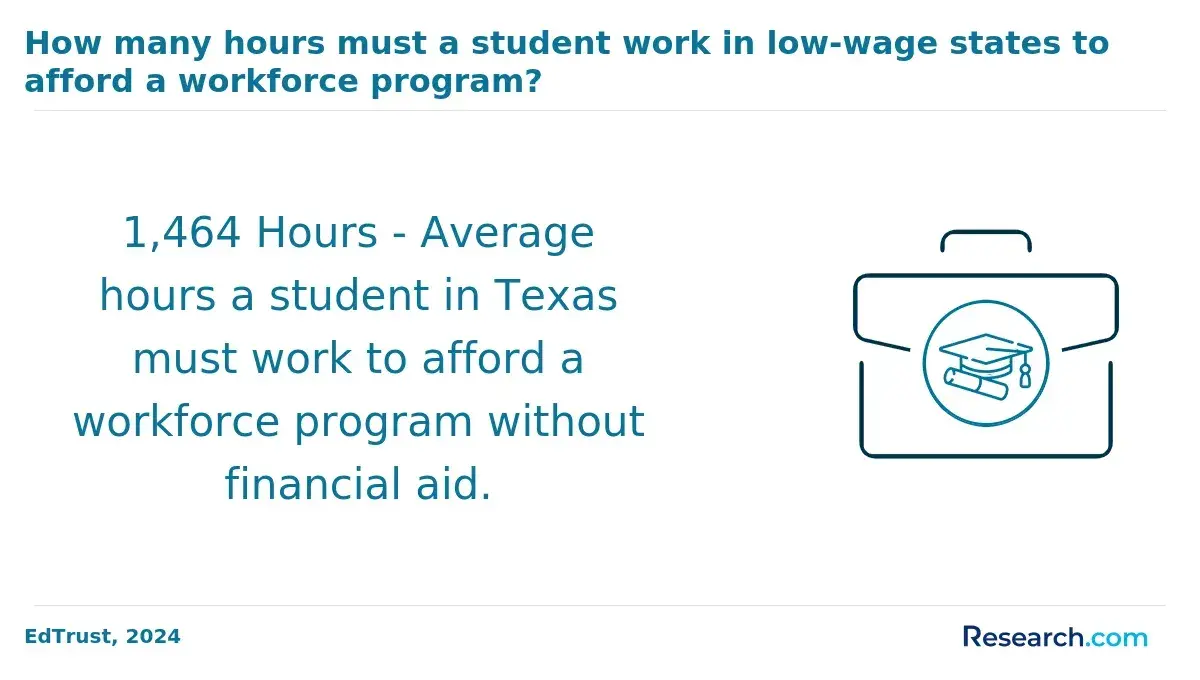
Strong occupational growth does not automatically make a doctorate the best entry credential. BLS projects 20% employment growth for computer and information research scientists from 2024 to 2034, supporting interest in research-intensive computing. By contrast, growth in a broader field may create many roles for workers with less education than a doctorate.
Nurse practitioner employment, for example, is projected to grow 40% over the same period. That outlook is relevant to nurses considering an appropriate advanced-practice pathway, but a DNP by itself does not establish nurse practitioner eligibility; population-focused preparation, certification, and state requirements matter. Likewise, cybersecurity hiring demand does not mean every security analyst needs a PhD.
Use projections to test whether a target occupation is expanding, then check its usual entry education, licensing rules, and local opportunities. Research specialties, faculty jobs, and senior leadership positions can remain competitive even when their wider industry is growing.
Doctorates differ principally in purpose, not just their initials. A research doctorate, most commonly a Doctor of Philosophy (PhD), centers on producing original scholarship. A professional or practice doctorate, such as a DBA, EdD, DNP, PsyD, DrPH, DSW, or DPA, usually connects advanced study to a defined professional setting. Neither label tells you everything: individual curricula and culminating requirements still need checking.
A PhD often includes research-methods coursework, examinations, a dissertation proposal, original research, and a defense. A professional doctorate may require a dissertation, applied research project, clinical project, or another substantial scholarly product. Clinical doctorates can also include supervised experiences and requirements tied to a regulated profession.
If the desired job does not call for doctoral-level research or practice, consider the credential it does require instead. Quick certifications that pay well may help with a narrowly defined skill, but they cannot replace a doctorate where advanced clinical education, original research, or a specific license pathway is necessary.
Doctoral admission requirements depend on the field and entry pathway. Some research programs admit applicants after a bachelor's degree, while many professional doctorates require or prefer a relevant master's degree, professional experience, or an existing license. Completing a master's degree does not automatically grant doctoral credit or shorten a program.
Applications commonly include transcripts, recommendations, a statement of purpose, and evidence that the proposed work fits the degree. Research-focused programs may request writing samples, prior research, or a match with faculty expertise. Practice-focused programs may assess professional achievements, interviews, and eligibility for clinical work. GPA thresholds and GRE or GMAT policies vary by program; undergraduate SAT and ACT rules are not meaningful substitutes for doctoral admission rules.
If you have not yet completed a bachelor's degree, that is ordinarily the first step toward doctoral eligibility. An accelerated bachelor's degree online accredited pathway may help you reach that prerequisite, but its credits should not be assumed to count toward a future doctorate. Before applying, ask each doctoral department whether it requires an adviser match, a master's degree, specific coursework, or a professional credential.
Doctoral study commonly takes several years, but no single duration or price fits every degree. Direct-entry research doctorates can include years of coursework followed by examinations and dissertation research. Post-master's professional programs may have a shorter coursework sequence, yet clinical placements, project approvals, or research progress can still determine the finish date. An advertised minimum is not a reliable personal completion forecast.
Total cost includes more than published tuition: mandatory and program fees, required travel or residencies, research or clinical expenses, and income lost to reduced work all matter. Some PhD offers include a stipend and tuition remission; the duration, conditions, summer support, and remaining fees must be checked in writing. Professional doctorates may offer different funding or employer-assistance options. Federal aid eligibility also depends on the school, program, and student.
Ask for a degree plan and a written explanation of funding before comparing offers. If you already hold a relevant master's degree, ask whether specific graduate courses can satisfy doctoral requirements - not merely whether the university accepts transfer credit. If a doctorate is not essential to your goal, a fastest masters degree option may cost less in time, though a short master's program is not a shortcut through doctoral candidacy or research.
An online doctorate can be credible when the institution is appropriately accredited and the program meets the same relevant professional requirements as a campus option. Delivery format alone does not establish quality, research support, or license eligibility. In regulated fields, confirm that the exact program meets the rules of the state where you intend to practice.
"Online" also does not always mean remote from start to finish. Scheduled seminars, adviser meetings, campus residencies, laboratories, local clinical placements, examinations, and defenses may still be required. Request a list of every in-person and live-attendance obligation, including travel frequency and who arranges placements. Working adults should separately confirm that the program permits their intended full-time or part-time schedule.
Most doctorates combine advanced coursework with a substantial culminating requirement. Research PhD students often study theory and methods, complete qualifying or comprehensive examinations, advance to candidacy, and conduct original research for a dissertation and defense. Adviser availability, data access, and research approvals can affect progress after coursework ends.
Professional doctorates often add field-specific leadership or clinical study and may culminate in an applied project, dissertation, or evidence-based practice project. A project is not an absence of doctoral-level work. In nursing and psychology, supervised clinical requirements can be as consequential to scheduling as classes. Ask for the catalog's exact degree requirements and examples of recent student projects so you can judge whether the work supports your goal.
How can you choose an accredited doctorate program?
Start with institutional accreditation, then check any program approval or professional accreditation your intended career requires. Confirm the institution's current status with its recognized accreditor or the U.S. Department of Education's accreditation records. For a regulated role, use the relevant programmatic accreditor and state licensing board to check the specific program and pathway; institutional accreditation alone may not resolve licensure eligibility.
Next, compare the programs that pass those checks on career fit, faculty or clinical supervision, actual completion requirements, net cost, and schedule. Request written answers about funding, transfer-credit application, placements, residencies, and graduate outcomes where available. Red flags include vague answers about accreditation, treating all occupational salaries as graduate outcomes, assuming every PhD is funded, or promising that an online doctorate requires no visits without documenting that claim. A good final choice is one whose requirements and costs you can verify - and whose purpose matches a role you genuinely want.
Other Things You Should Know About
Not universally. Choose a PhD when original research is central to your goal; consider a relevant professional doctorate when advanced practice or applied inquiry is the better fit. Compare individual curricula before deciding.
Not always. Some PhD programs admit students with a bachelor's degree, while many professional doctorates require or prefer graduate preparation. Check the specific program's entry pathway.
No. Employers also evaluate experience, skills, research accomplishments, and licenses. Compare realistic target jobs and total study costs rather than assuming the degree will produce a particular return.
Some programs may allow it, but online coursework does not rule out residencies, clinical placements, scheduled meetings, or an in-person defense. Obtain the full attendance requirements directly from the program.
- Survey of Earned Doctorates (SED) 2024 - NCSES - NSF https://ncses.nsf.gov/surveys/earned-doctorates/2024
- Should I get a master's degree?: Career Outlook | bls.gov https://www.bls.gov/careeroutlook/2015/article/should-i-get-a-masters-degree.htm
- Field of Study in College and Lifetime Earnings in the United States - PMC https://pmc.ncbi.nlm.nih.gov/articles/PMC5198720/
- DAPIP | Homepage - Office of Postsecondary Education (OPE) https://ope.ed.gov/dapip/
- Annual Earnings by Educational Attainment - COE https://nces.ed.gov/programs/coe/indicator/cba/annual-earnings
- Why Accreditation Matters When Choosing Your Graduate School Program - Graduate Programs https://blogs.umflint.edu/graduateprograms/2025/09/22/why-accreditation-matters-when-choosing-your-graduate-school-program/
- How long does a graduate degree take to complete? | UCLA https://www.ucla.edu/academics/graduate-benefits/how-long-does-a-graduate-degree-take-to-complete
- PhD graduates pursuing careers beyond academia | tandfonline.com https://www.tandfonline.com/doi/full/10.1080/07294360.2025.2515211
- What's the Difference Between a PhD and a Professional Doctoral Degree? | Walden University https://www.waldenu.edu/online-doctoral-programs/resource/what-is-the-difference-between-a-phd-and-a-professional-doctoral-degree
- Doctor of Education vs Ph.D.: Which Is Right for You? | Arkansas State University Online https://degree.astate.edu/online-programs/education/edd/leadership/vs-phd-career-outcomes/