2027 Best Doctorate Degrees With No Live Class Requirement

Co-Founder and Chief Data Scientist
A doctorate may fit your career plans, but a weekly live class may not fit your work schedule. The distinction matters: online coursework can be asynchronous even when a program requires scheduled meetings, clinical hours, or a dissertation defense. Demand for advanced expertise also varies by field; the U.S. Bureau of Labor Statistics (BLS) projects 20% employment growth for computer and information research scientists from 2024 to 2034. This guide compares doctoral fields by purpose and scheduling trade-offs, then shows you how to verify whether a particular program truly meets your no-live-class requirement.
Key Things You Should Know
- Best-fit fields depend on your goal: A DBA or EdD may suit experienced practitioners, while a research-focused PhD may better fit an original-research career. Neither degree type guarantees an asynchronous program.
- "No live classes" is narrower than "no scheduled activities": Ask separately about seminars, adviser meetings, exams, defenses, residencies, and local clinical or fieldwork hours.
- Career data needs context: The BLS reports a 2024 median wage of $140,910 for computer and information research scientists, not for everyone who earns a computing doctorate; the degree alone does not secure that occupation or wage.
Top 10 Best Doctorate Degrees With No Live Class Requirement
Business / DBA Programs
A Doctor of Business Administration (DBA) typically serves experienced managers who want to apply research to organizational problems. Recorded lessons and discussion boards may replace live classes, but consulting with an adviser and presenting an applied project can still require appointments. Compare the project's scope, employer relevance, and total tuition before choosing a DBA. An MBA or additional management experience may be a better investment if you do not need doctoral-level applied research. A business PhD is usually a different choice, emphasizing original scholarship and research fit.
Education / EdD Programs
A Doctor of Education (EdD) often focuses on improving educational practice through leadership, evaluation, or an applied inquiry project. It may suit working educators if coursework is asynchronous and the project can use an approved workplace setting. Verify whether cohort seminars, research consultations, or the final presentation require real-time attendance. An education PhD generally places greater emphasis on original research and faculty-adviser fit. If your goal is a promotion governed by employer rules, confirm that the specific degree meets those rules before enrolling.
Educational Leadership Programs
Educational leadership doctorates may be EdDs or PhDs, and their purpose is not interchangeable. An EdD may emphasize school-system improvement; a PhD may prioritize leadership research. Asynchronous lectures do not eliminate district-based fieldwork, cohort meetings, or a scheduled defense. Check whether your intended role calls for a doctorate at all: principal and superintendent credentials depend on state rules and experience, not simply on earning an advanced degree. Ask how the program supports any required field experience in your state.
Psychology Programs
Psychology PhDs may prepare researchers, while some PsyD programs emphasize clinical practice. Format is especially consequential if you seek psychologist licensure: supervised clinical training, internship requirements, and state-board rules cannot be replaced by recorded lectures. Do not assume a program advertised as online has no live activities or leads to licensure where you live. If your goal is nonclinical research, compare faculty fit and dissertation supervision; if it is clinical practice, verify accreditation and licensing eligibility before considering scheduling convenience.
Nursing / DNP Programs
A Doctor of Nursing Practice (DNP) emphasizes advanced nursing practice and systems improvement, often through an evidence-based project. Some coursework may be asynchronous, but clinical experiences, project collaboration, or presentations can be scheduled. Entry routes differ: post-master's options and pathways for nurses with a bachelor's degree need not have the same curriculum or duration. Check required nursing licensure, certification preparation, clinical-site responsibilities, and state authorization. A nursing PhD is the stronger match for many research-focused goals, not a substitute name for a DNP.
Public Health Programs
A Doctor of Public Health (DrPH) generally targets applied public-health leadership; a public-health PhD typically emphasizes original research. Both may involve group projects, field-based work, or scheduled research presentations despite asynchronous lectures. Compare the curriculum with your intended role in a health department, nonprofit, or research setting. Confirm whether any practicum can be completed locally and whether attendance is required at an orientation or defense. A Master of Public Health plus relevant experience may suffice for many public-health positions.
Computer Science Programs
A computer science PhD is usually centered on original research, making adviser fit and access to appropriate research resources more important than lecture format alone. Even where courses use recorded material, laboratory collaboration, research-group meetings, qualifying exams, and a defense may require scheduled participation. Ask whether the department permits remote, part-time research and how it funds students on that pathway. For an industry advancement goal that does not require independent research, compare a master's degree and work experience before taking on doctoral requirements.
Cybersecurity Programs
Cybersecurity doctorates may emphasize technical research, applied security leadership, or policy, depending on whether the credential is a PhD or a professional doctorate. An asynchronous course schedule can still coexist with scheduled lab work, research meetings, or project defenses. Compare a program's research expertise with your intended specialty, such as systems security or risk governance. For many security roles, relevant experience and professional certifications may deliver more immediate value than a doctorate; verify the credential requirements of the jobs you actually want.
Social Work / Human Services Programs
A Doctor of Social Work (DSW) often emphasizes advanced practice, teaching, or organizational change; a social work PhD commonly focuses on research. Some coursework may avoid live classes while practice projects, supervision, and defenses retain scheduled components. A DSW does not itself replace state social-work licensure or required supervised experience. Check whether a proposed workplace project is feasible and whether the degree advances your particular role. If you primarily want clinical eligibility, investigate the applicable master's-level and licensing pathway first.
Public Administration / Public Policy Programs
A Doctor of Public Administration (DPA) may suit experienced public-sector leaders applying research to agencies; a public-policy or public-administration PhD may better serve research goals. Recorded courses are compatible with a busy job, but policy workshops, adviser conferences, and oral defenses may be scheduled. Assess whether the curriculum develops skills your target employer values and whether you can study a relevant policy problem. A master's degree in public administration or policy, paired with experience, may be sufficient for many leadership paths.
What doctorate degrees can you earn without live classes?
You may find asynchronous coursework in professional doctorates such as the DBA, EdD, DNP, DrPH, DPA, and DSW, as well as in some research doctorates. No degree abbreviation guarantees no live classes. This article compares fields rather than certifying individual programs: schools can change course schedules, and a recorded-course format does not establish that every doctoral requirement is asynchronous.
If flexible scheduling matters most, distinguish asynchronous study from online college classes at your own pace. Asynchronous doctoral courses usually still have deadlines, and research progress depends on adviser approvals. Use this sequence before applying:
- Request the current doctoral handbook, course schedule, and a sample full-program plan.
- Ask which required activities demand attendance at a particular time, including meetings, exams, presentations, and defenses.
- Confirm any campus visits and whether clinical, practicum, laboratory, or fieldwork hours can be arranged locally.
- Get the answers for your intended entry pathway and specialization in writing.
Yes, an asynchronous doctorate can be legitimate. Delivery format does not determine academic standing. Check that the institution holds recognized institutional accreditation, then examine programmatic accreditation where it affects your goal. Nursing and licensure-oriented psychology are particularly important cases because graduation from an institutionally accredited school alone may not satisfy a state board's program requirements.
Use the institution's current accreditation information and the relevant accreditor or licensing board to confirm status; ask admissions to identify the exact program and delivery pathway covered. Be wary of claims that accreditation guarantees licensure, employment, or a faculty position. Also check whether the school is authorized to enroll students in your state and arrange any required local placements.
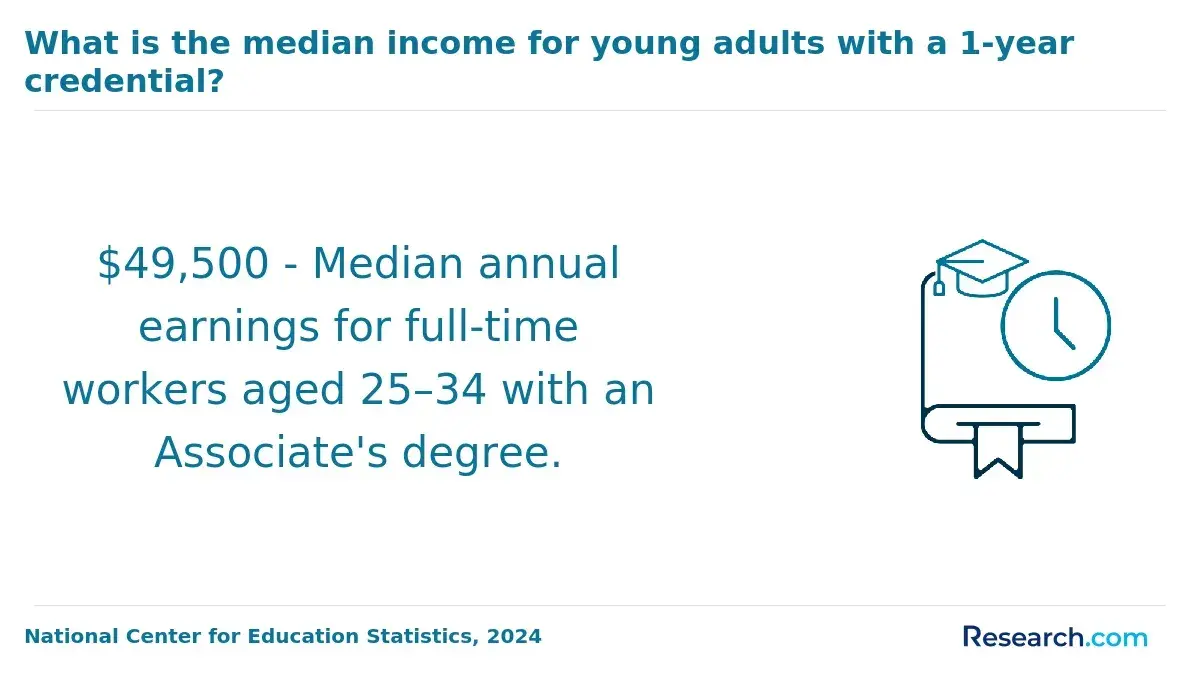
Asynchronous study offers control over when you complete coursework, not necessarily over deadlines or the timing of research milestones. Campus study can make in-person collaboration easier, while scheduled online study offers more routine contact. The comparison below isolates the scheduling question; actual policies depend on the program.
| Format | Typical class interaction | Potential scheduling constraint |
| Asynchronous online | Recorded material and time-windowed discussions | Fixed deadlines and possibly scheduled doctoral milestones |
| Scheduled online | Live virtual sessions | Required attendance at set times |
| Campus-based | In-person instruction and research contact | Travel and on-site attendance |
Do not mistake fewer live classes for less demanding study. If regular adviser access is important to you, ask how remote students obtain feedback and whether meetings can occur at mutually workable times. Compare those answers with the commute and networking trade-offs of campus study.
Doctoral admission generally requires at least a completed bachelor's degree; many professional doctorates require or prefer a relevant master's degree and work experience. A prospective student still pursuing an online bachelor's degree should first map the remaining undergraduate preparation and any master's-level prerequisites. Direct-entry PhD routes may exist, but eligibility varies by department.
Applications may call for transcripts, recommendations, a statement of purpose, a writing sample or research proposal, an interview, and evidence of relevant practice or research. Some PhD applicants also need a strong match with a potential adviser. Do not infer that a program waives the GRE or GMAT, has no GPA standard, or grants advanced standing simply because a general university page does not mention those conditions. Ask the doctoral program which requirements apply to your entry route.
Doctoral coursework usually develops advanced subject knowledge and research methods. A PhD commonly adds comprehensive or qualifying examinations, candidacy, original research, a dissertation, and an oral defense. A professional doctorate may culminate in an applied project, clinical project, or dissertation; a different name does not mean there is no substantial research requirement.
For a no-live-class search, inspect requirements after coursework as carefully as the course schedule. Ask whether proposal approval, data collection, adviser consultations, committee reviews, and the final defense can occur remotely and whether any must happen in real time. In clinical or field-based degrees, confirm who arranges placements and when hours must be completed.
Completion time varies substantially by degree, entry pathway, enrollment intensity, and research progress. A post-master's professional doctorate may have fewer remaining courses than a bachelor's-entry route, but a prior master's degree does not automatically waive doctoral requirements. A research doctorate can extend beyond coursework while a proposal, data collection, revisions, and defense proceed.
When comparing published timelines, ask what prior education and course load they assume. Also request the program's rules for part-time enrollment, course sequencing, leave periods, candidacy, and maximum time to degree. Short online course terms describe individual classes, not the time needed to finish a doctorate.
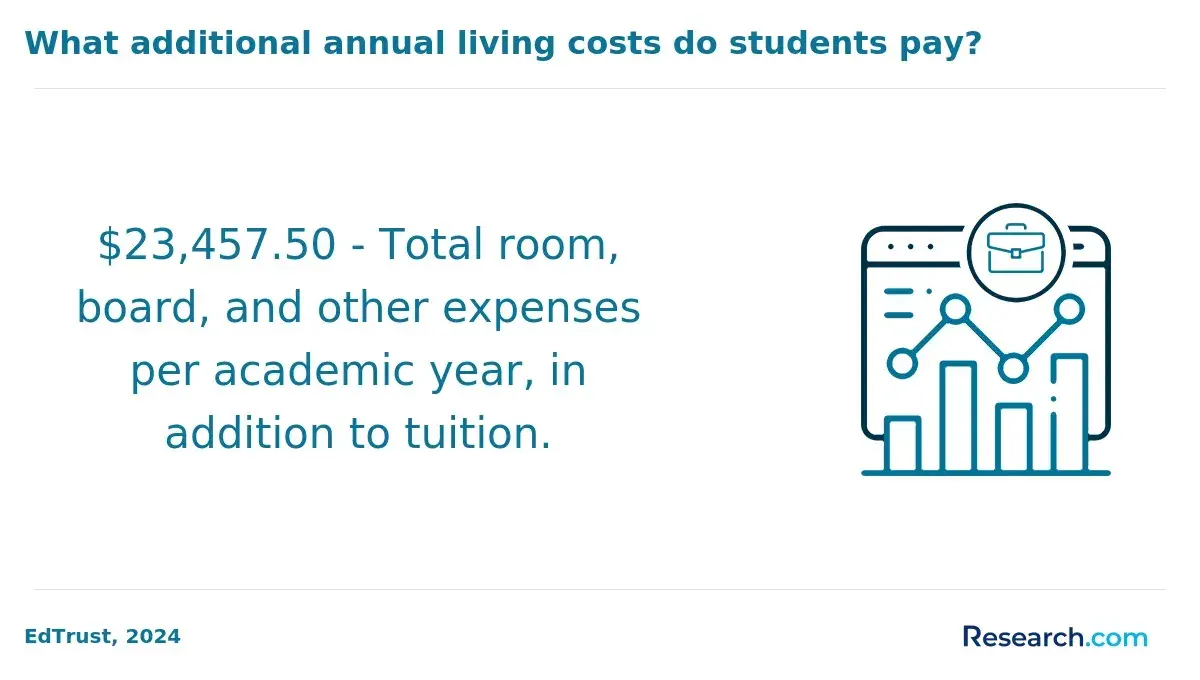
There is no reliable single price for an asynchronous doctorate: required credits, tuition rates, fees, enrollment duration, and funding differ by school and pathway. Compare the estimated total to completion, including technology or program fees, books and research expenses, required travel, and potential income lost during study. Flexible coursework can reduce commuting costs without reducing tuition.
Ask whether scholarships, employer assistance, or federal aid apply to your specific doctoral enrollment. For a PhD, compare any assistantship or fellowship offer with published tuition: confirm tuition remission, stipend terms, mandatory fees, work duties, and how long support lasts. Do not assume every PhD is funded or every professional doctorate is unfunded. If you are still comparing earlier education costs, a guide to cheap online colleges addresses a different stage of study, not doctoral pricing.
Match the doctorate to a specific career requirement, not the highest wage associated with a field. Research roles may value a PhD and a relevant publication record; advanced clinical roles may require licensure; leadership roles generally require experience alongside education. The BLS growth projection for computer and information research scientists signals demand for that occupation, but it does not predict the hiring prospects of any doctoral graduate.
Before committing, compare job postings with your current qualifications and the program's documented graduate outcomes. Ask whether a master's degree, certification, or additional experience could meet the same goal at lower cost. A guide to most in demand master's degrees can help frame that alternative. Treat a doctorate as an investment in a defined research, practice, or advancement goal - not a guaranteed salary increase or promotion.
Do graduates need licenses or professional certifications after graduation?
Sometimes. Earning a doctorate and qualifying for professional practice are separate steps. Nursing roles can require an active nursing license and role-specific certification; psychologist licensure can involve an eligible degree, supervised training, examinations, and state approval. School leadership and social-work requirements also vary by state and position. A doctorate does not automatically renew or upgrade an existing credential.
Before enrolling, identify the state where you intend to work and ask its licensing board or credentialing authority whether the specific program meets its educational rules. Then confirm who arranges required supervision, clinical placements, or fieldwork. If your intended occupation does not require doctoral education, weigh the degree's additional value against the time and cost of maintaining or earning other credentials.
Other Things You Should Know About
No. Courses may be asynchronous while adviser meetings, exams, presentations, or defenses are scheduled. Confirm every required activity, not just the lecture format.
For a no-live-class doctorate, you typically need a reliable computer, high-speed internet, and software for virtual learning platforms. Some programs may require specific applications for assignments and communication, like video conferencing tools, to facilitate interaction with faculty and peers.
Usually not. You may choose when to watch lessons or complete assignments within a term, but deadlines, course sequences, and research approvals still apply.
The best fit is the degree that serves your career goal and has a verified schedule you can sustain. Compare total cost, part-time rules, support for the final project or dissertation, and all required live or in-person activities.
- Estimate your college cost | USAGov https://www.usa.gov/estimate-college-cost
- College Affordability and Transparency Center | ed.gov https://collegecost.ed.gov/
- An Overview of Accreditation of Higher Education in the United States | Congress.gov | Library of Congress https://www.congress.gov/crs-product/R43826
- Survey of Earned Doctorates (SED) 2024 - NCSES - NSF https://ncses.nsf.gov/surveys/earned-doctorates/2024
- Accreditation in the U.S. | ed.gov http://www.ed.gov/laws-and-policy/higher-education-laws-and-policy/college-accreditation/accreditation-in-the-us
- What is the time commitment for different degree options? | Penn State World Campus https://www.worldcampus.psu.edu/about-us/news-and-features/what-is-the-time-commitment-for-different-degree-options
- Accreditation | State University System of Florida https://www.flbog.edu/resources/academic/program-review-accreditation/
- Doctoral Final Projects - Section 7. Learning Modalities and Resources - Academics at Walden University https://academics.waldenu.edu/handbook/learning-modalities/doctoral-final-projects
- What Does Asynchronous Mean? A Simple Guide to Online Learning Formats - Professional Development at Charlotte https://professional.charlotte.edu/what-does-asynchronous-mean-a-simple-guide-to-online-learning-formats/
- Policy A.2.e Amendment Announcement - CACREP https://www.cacrep.org/news/policy-a-2-e-amendment-announcement/