2027 Best Doctoral Programs With Year-Round Enrollment

Co-Founder and Chief Data Scientist
A doctoral program may advertise flexible enrollment yet still accept applications only for certain cohorts or start its next doctoral course months away. That distinction matters if you are planning around work, funding, or a career change. The U.S. Bureau of Labor Statistics (BLS) reported median annual pay of $83,980 for postsecondary teachers in May 2024; the figure describes an occupation, not a guaranteed return on a doctorate. This guide compares doctoral fields and shows how to confirm genuine year-round entry, weigh costs and requirements, and choose a program that fits your goal.
Key Things You Should Know
- Year-round enrollment is not open admission: Confirm doctoral-specific application deadlines, decision dates, and actual start terms; a university-wide rolling policy may not apply to your program.
- Start dates do not determine degree length: A dissertation, doctoral project, clinical placement, or required course sequence may continue long after initial coursework.
- Compare more than convenience: Check institutional accreditation, any required programmatic approval, total cost and funding, in-person obligations, and whether the doctorate advances your intended career.
Top 10 Best Doctoral Programs With Year-Round Enrollment - Year-Round Doctorates
Business / DBA Programs
A Doctor of Business Administration (DBA) usually emphasizes applied research for experienced managers. Compare doctoral-specific application windows, cohort starts, and whether research courses run often enough to support the advertised schedule. Ask whether the final requirement is a dissertation or applied project and whether employer tuition assistance applies. A DBA may suit someone investigating workplace problems; an MBA or additional management experience may be more useful if the goal is simply a promotion. A business PhD is generally a better fit for research-intensive academic ambitions.
Education / EdD Programs
Doctor of Education (EdD) programs commonly prepare experienced educators for applied inquiry and organizational leadership. A school may accept applications throughout the year but admit students only to a fall or spring cohort. Check the program calendar, whether a master's degree and education experience are required, and how the dissertation or improvement project is supervised. An education PhD generally places more emphasis on original research; neither credential automatically confers a teaching or administrator license.
Educational Leadership Programs
Educational leadership doctorates can lead to an EdD or PhD, so compare the credential and curriculum rather than the specialization label alone. Aspiring school administrators should check state-specific certification rules and whether internships must occur in approved settings. Applicants interested in policy research should examine faculty expertise and dissertation expectations. Even with frequent starts, leadership seminars, supervised fieldwork, or cohort-based projects may follow a fixed schedule that limits flexibility.
Psychology Programs
Psychology PhD programs typically emphasize research, while a Doctor of Psychology (PsyD) often emphasizes clinical practice; individual curricula vary. Neither frequent intake nor online coursework eliminates supervised training requirements. If your goal is psychologist licensure, verify the program's accreditation status, internship arrangements, and the requirements of the state where you plan to practice. Research-focused applicants should also ask whether admission depends on faculty openings, which may make year-round starts impractical.
Nursing / DNP Programs
A Doctor of Nursing Practice (DNP) emphasizes advanced practice or systems-level improvement; a nursing PhD emphasizes research. Check whether a DNP offers a bachelor's-to-doctorate or post-master's pathway, the nursing credentials needed to enter, and the clinical hours and project work still required. Multiple course starts cannot make local placements available on demand. For an advanced-practice role, verify specialty accreditation and state licensure requirements separately from the degree.
Public Health Programs
A Doctor of Public Health (DrPH) commonly targets experienced public health professionals pursuing practice and leadership, whereas a public health PhD usually emphasizes original research. Compare required prior graduate education, professional experience, applied projects, and any residency. A flexible application calendar may be less valuable if required courses or projects run with a single cohort. If your target role does not require a doctorate, compare the incremental benefit with an MPH and relevant work experience.
Computer Science Programs
A computer science PhD is primarily a research degree; some institutions also offer practice-oriented computing doctorates. For a PhD, faculty and laboratory fit, adviser capacity, and assistantship funding may matter more than application frequency. Ask whether research meetings, lab access, or qualifying examinations require campus attendance. If your goal is a software role rather than independent research, an advanced master's degree or substantial project experience may offer a more direct route.
Cybersecurity Programs
Cybersecurity doctorates may focus on technical research, applied security leadership, or policy. Inspect the awarded degree, faculty expertise, laboratory access, and final research requirement before treating programs as comparable. Year-round coursework does not necessarily mean year-round access to an adviser or research group. For many practitioner roles, certifications and documented security experience may matter more than a doctorate; a research doctorate makes more sense when the work requires original investigation.
Social Work / Human Services Programs
A Doctor of Social Work (DSW) often emphasizes advanced practice and leadership; a social work PhD generally emphasizes research and scholarship. Human services doctorates may have different professional aims and should not be assumed to qualify graduates for social work licensure. Verify admission requirements, field-based activities, and the culminating project or dissertation. Working practitioners should ask whether recurring starts extend to required seminars and supervision, not just introductory online courses.
Public Administration / Public Policy Programs
A Doctor of Public Administration (DPA) often addresses applied public-sector leadership, while a public policy or administration PhD generally develops independent researchers. Review professional-experience requirements, methods training, and whether the final work investigates a workplace problem or makes an original scholarly contribution. Government and nonprofit employers may value relevant experience as much as an advanced credential. If courses start frequently but dissertation supervision follows an annual cycle, the practical enrollment advantage may be small.
What Are Doctoral Programs With Year-Round Enrollment?
Year-round enrollment means a doctoral program offers opportunities to begin during multiple parts of the year. It does not have a universal academic definition. Schools may use it to describe rolling applications, several admission decisions, multiple cohort intakes, or frequent course starts - policies with different consequences for an applicant.
The meaningful question is: When can a qualified student actually begin this specific doctorate and its required courses? Someone seeking a shorter undergraduate route rather than doctoral research might instead explore quick online degrees. A quick course start should not be mistaken for quick doctoral completion.
Accredited universities may offer doctorates with multiple intakes, but institutional accreditation alone does not establish that a particular doctorate accepts applications or starts students year-round. Doctoral calendars can differ by degree, specialization, cohort, and term. No individual program should be labeled a current year-round option without checking its official doctoral admissions page and academic calendar. Treat a school's general "rolling admissions" message as a lead to investigate, not confirmation.
The following comparison shows where recurring entry may be useful and which program-level evidence to request before building a shortlist. It is a comparison of doctoral pathways, not a ranking or a claim that every program in a field offers year-round entry.
| Doctoral pathway | Potential enrollment advantage | Policy to confirm |
| Practice-oriented DBA, EdD, or DPA | Additional starts may help employed applicants plan around work. | Doctoral cohort dates and availability of required research courses. |
| Post-master's DNP or other clinical doctorate | Multiple intakes may accommodate licensed professionals. | Specialty start dates, placement timing, and clinical eligibility. |
| Research PhD | Some programs may consider applications outside a single annual cycle. | Department deadlines, adviser openings, and funding start dates. |
For any named program you are considering, obtain its current admissions calendar in writing. Ask whether "apply anytime" means an application is reviewed immediately, held until the next deadline, or considered only when a faculty adviser or cohort has space.
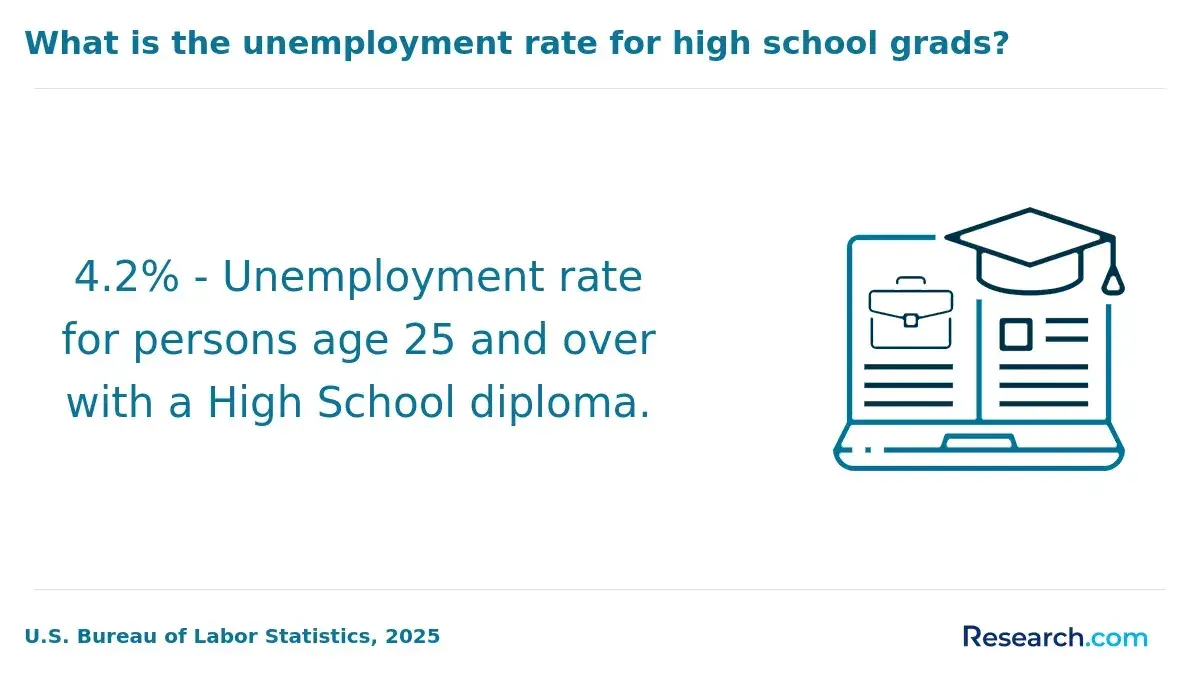
Online study can reduce commuting, but it does not establish that a doctorate has flexible deadlines or can be completed entirely from home. Campus-based study may provide easier access to laboratories, faculty, and research groups. Hybrid programs combine those benefits with travel obligations; the better choice depends on the work the degree requires.
This comparison highlights requirements that affect scheduling even when admissions remain open. Confirm the details with the specific program rather than relying on an institution-wide format label.
| Format | Possible benefit | Scheduling constraint to check |
| Online | Coursework may fit around work without routine commuting. | Live seminars, fixed deadlines, residencies, exams, and defenses. |
| Hybrid | Remote coursework with periodic in-person collaboration. | Required travel dates, frequency, and cost. |
| Campus-based | Direct access to facilities and research communities. | On-site attendance, laboratory schedules, and relocation. |
If your main goal is personal enrichment rather than doctoral-level research or practice, a shorter option may fit better. For some older learners, one year degree programs for seniors provide a different time commitment. They are not substitutes for credentials required in doctoral-level roles.
Doctoral coursework usually combines advanced field study with research or evaluation methods. Research PhDs commonly add qualifying examinations, candidacy, a dissertation proposal, original research, and a defense. Professional doctorates may require an applied dissertation, clinical project, improvement project, or other substantial culminating work. The exact requirement comes from the program catalog, not the degree abbreviation.
Ask when students select an adviser, how often required methods courses run, and what happens if a proposal needs revision. These milestones can determine whether frequent admission translates into steady progress. In clinical fields, placements and supervised hours may create additional scheduling constraints after coursework begins.
Doctoral applicants normally need at least a bachelor's degree; many professional programs require a relevant master's degree, license, or work experience. A research PhD may admit students after a bachelor's degree but assess prior research and faculty fit. Programs can also request transcripts, recommendations, a statement of purpose, writing samples, interviews, or an applicable GRE or GMAT score. Requirements must be checked at the doctoral-program level.
Rolling review does not mean automatic admission. Before paying an application fee, confirm the next review date, entry term, prerequisite rules, and whether you must identify a potential adviser. Students who have not completed a bachelor's degree need to finish that step first; comparing a lowest cost online bachelor's degree may be more immediately relevant than choosing a doctorate.
Doctoral completion depends on entry preparation, full-time or part-time enrollment, course sequencing, adviser availability, and progress on research or clinical work. A post-master's pathway may reduce required coursework when the program formally awards advanced standing; it does not necessarily reduce the doctoral project, dissertation, residency, or defense.
Request the program's typical time to degree for students with your entry credentials, not just its fastest advertised scenario. If speed is the primary goal and a doctorate is not required, compare the academic depth and career relevance of a 6-month master's degree online before committing to doctoral study. A shorter master's program is not equivalent to doctoral research or advanced clinical preparation.
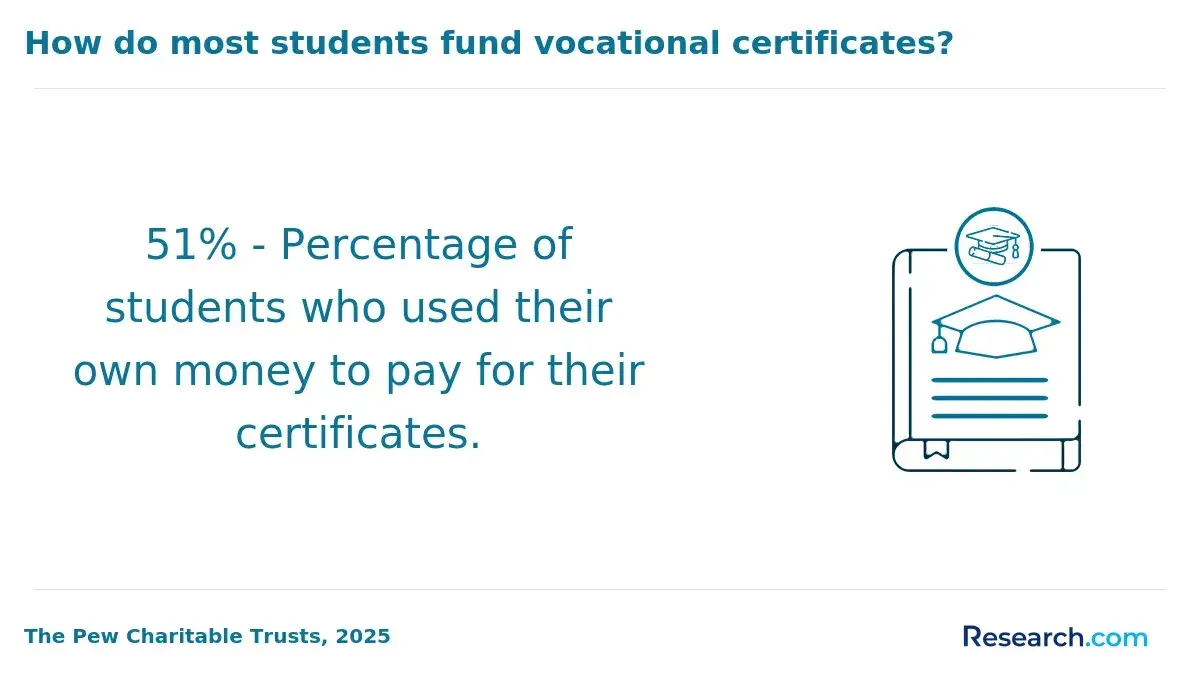
Flexible enrollment has no standard price. Calculate expected cost from the program's published tuition structure, required courses, mandatory fees, and the likely number of terms spent on a dissertation or project. Add travel, clinical-placement expenses, and foregone earnings where applicable. A low per-credit price may not mean a low total cost if fees or extended enrollment add up.
For PhDs, ask whether an offer includes tuition remission, a stipend, health coverage, or an assistantship - and for how long and under what conditions. Do not assume funding is available simply because the program awards a PhD. Professional doctorates may rely more heavily on student payment, employer assistance, or eligible federal aid. Compare written offers rather than published tuition alone.
A doctorate can prepare someone for independent research, advanced practice, or specialized leadership, but it does not itself secure a job or promotion. For context, BLS reported median annual pay of $117,960 for medical and health services managers in May 2024. That is an occupational median - not the expected pay of DNP, DrPH, or DBA graduates - and the occupation does not generally require a doctorate for entry.
Evaluate the incremental benefit for your intended role. Academic hiring can depend on publications and teaching experience; clinical work may require licensure and supervised practice; senior leadership usually requires substantial professional experience. Compare these requirements with what a master's degree, certification, or additional work experience could accomplish at lower cost.
How Can Students Choose a Reputable Doctoral Program?
Choose the program that fits your goal and can document its enrollment promise. First, verify institutional accreditation through the accreditor or U.S. Department of Education-recognized resources. Then check field-specific accreditation or state approval if your intended occupation requires it. A school's accreditation does not, by itself, establish professional licensure eligibility.
Use these questions when contacting each doctoral department. Written answers make competing offers easier to compare and expose gaps behind a "year-round" claim.
- What are this doctorate's next application-review, admission-decision, and student-start dates?
- When do required courses, adviser assignments, clinical placements, and research milestones actually begin?
- What funding, mandatory fees, travel, and continuing-enrollment charges would apply to my pathway?
- What share of required work must occur on campus or at an approved site, and what happens if I need to pause enrollment?
Be cautious of programs that advertise continuous starts without a doctoral calendar, promise unusually fast completion without explaining the culminating requirement, or imply that a degree guarantees licensure or employment. Comparing written policies is more reliable than choosing by a ranking or the earliest available start date.
Other Things You Should Know About
No. Rolling admission describes how applications are considered; year-round enrollment concerns when admitted students can begin. A program may review applications continuously but start one cohort annually.
Only if the specific department permits it and an adviser, required courses, and any funding are available. Many research programs coordinate entry with a defined academic term.
Not necessarily. Additional application or start dates do not remove academic, research, professional, or licensing prerequisites.
It may. Check the program's written residency, laboratory, clinical, examination, and defense requirements before applying.
- Distance Education Resources | Texas Higher Education Coordinating Board https://www.highered.texas.gov/new-program-development/distance-education-resources/
- Survey of Earned Doctorates (SED) 2024 - NCSES - NSF https://ncses.nsf.gov/surveys/earned-doctorates/2024
- Accreditation in the U.S. | ed.gov http://www.ed.gov/laws-and-policy/higher-education-laws-and-policy/college-accreditation/accreditation-in-the-us
- Financial Information - University of Pittsburgh - Acalog ACMS™ https://catalog.upp.pitt.edu/content.php
- Cost of Attendance - Financial Aid and Scholarships | The University of Utah https://financialaid.utah.edu/tuition-and-fees/cost-of-attendance.php
- Continuous Enrollment | Cal Poly Graduate Education https://grad.calpoly.edu/continuous-enrollment
- PhD student advisor and lab matching policy | uchicago.edu https://biosciences.uchicago.edu/current-students/phd-student-advisor-and-lab-matching-policy
- Doctoral Studies | UCLA Graduate Programs https://grad.ucla.edu/academics/doctoral-studies/
- Graduate Advising - Lunar and Planetary Laboratory https://lpl.arizona.edu/grad/guidebook/grad-student-life/graduate-advising
- SDSU Doctoral Programs | College of Graduate Studies https://grad.sdsu.edu/current-students/doctoral-programs