2027 Best Online Doctorate Degrees With Job Placement Support

Co-Founder and Chief Data Scientist
An online doctorate can expand your options, but a career-services webpage is not proof that graduates find the jobs they want. The distinction matters in fast-changing fields. The U.S. Bureau of Labor Statistics (BLS) projects employment of information security analysts to grow 29% from 2024 to 2034, yet a doctorate is not the standard entry requirement for that occupation.
This guide compares doctoral fields by the career support they may offer, the jobs they can realistically support, and the questions to ask before committing time and money.
Key Things You Should Know
- A DNP can support advanced nursing practice, while a research PhD is generally a better match for original research; neither is the default choice for every applicant.
- Ask whether graduate students receive individual career coaching, employer introductions, placement assistance, and field-specific outcome data. Access to a job board is not a placement guarantee.
- Check tuition or PhD funding, required in-person work, time away from earnings, and whether a master's degree or certification could meet the same goal.
Top 10 Best Online Doctorate Degrees With Job Placement Support
Business / DBA Programs
A Doctor of Business Administration (DBA) usually emphasizes applied research and organizational problems rather than entry-level business training. The most useful career support for an experienced manager is executive coaching, an engaged alumni network, and help translating a doctoral project into evidence of leadership.
Ask whether services are available to online DBA students and whether reported outcomes separate graduates who already held senior roles from those promoted afterward. An MBA or substantial management experience may be a better investment if you do not need doctoral-level applied research.
Education / EdD Programs
A Doctor of Education (EdD) often prepares experienced educators to investigate problems of practice. Relevant support may include district or college partnerships, leadership mentoring, and feedback on a portfolio or applied project. Confirm whether the program helps online students pursue their intended roles, not merely whether the university has a general career center.
An EdD does not automatically confer a school administrator license; check your state's requirements. Choose an education PhD instead when sustained original research is central to your goal.
Educational Leadership Programs
Educational leadership doctorates may lead to an EdD or PhD, but their career preparation can differ. An EdD with practitioner mentors may suit a current school or college leader; a research-intensive PhD may better serve someone pursuing education scholarship.
Compare opportunities to work with relevant institutions, leadership coaching, and support for academic or administrative job searches. If you seek principal or superintendent certification, verify that the particular online pathway meets your state's rules before treating its career support as useful.
Psychology Programs
A psychology PhD may emphasize research; a Doctor of Psychology (PsyD) often emphasizes clinical practice. For a clinical career, ask specifically about supervised practicum and internship placement assistance, graduate outcomes, and licensing eligibility, not just résumé reviews.
Online coursework does not eliminate in-person clinical training. Accreditation and state rules are consequential: a doctorate alone is not a psychologist license. For a nonclinical research goal, faculty mentorship and research placement may matter more than clinical placement services.
Nursing / DNP Programs
The Doctor of Nursing Practice (DNP) focuses on advanced nursing practice and improvement in care delivery; a nursing PhD generally focuses more on generating research. A useful DNP support system helps students arrange appropriate clinical experiences, connect with healthcare employers, and plan certification or advancement.
Verify who secures placements and whether they are available near your home. Nurse practitioner pathways have distinct prior-education, clinical, certification, and state-licensure requirements; a leadership-focused DNP is not necessarily a nurse practitioner pathway.
Public Health Programs
A Doctor of Public Health (DrPH) commonly targets experienced public health professionals seeking practice or leadership roles; a public health PhD is generally more research-oriented. Compare access to agency-based projects, practitioner mentors, and introductions to government, healthcare, or nonprofit employers.
Ask for outcomes by concentration and sector rather than accepting a university-wide employment figure. Many public health jobs do not require a doctorate, so weigh the DrPH against a Master of Public Health and relevant work experience.
Computer Science Programs
A computer science PhD can fit someone pursuing original computing research, including certain industry research roles. For that goal, faculty research fit, publication opportunities, research internships, and industry connections may matter more than conventional placement services.
Confirm how an online student joins a research group and completes any required meetings or defense. A doctorate is rarely necessary for general software development; compare the research opportunity and available funding with the earnings you might forgo while studying.
Cybersecurity Programs
Cybersecurity doctorates may focus on research, technical leadership, or applied security problems. Look for support that matches the intended role: research collaborations for aspiring scientists, or practitioner networks and employer-facing projects for experienced security leaders.
Request doctoral-specific outcomes; strong demand for security workers does not establish demand for doctorate holders. For many analyst roles, practical experience and industry credentials offer a more direct route than doctoral study.
Social Work / Human Services Programs
A Doctor of Social Work (DSW) often serves experienced practitioners pursuing advanced practice, teaching, or agency leadership; a social work PhD more commonly emphasizes research. Compare field partnerships, faculty mentoring, teaching preparation, and help finding roles aligned with your focus.
Ask whether career outcomes concern new positions or advancement within existing jobs. A DSW does not replace a state social work license or required supervised experience, and many human-services management jobs do not require a doctorate.
Public Administration / Public Policy Programs
A Doctor of Public Administration (DPA) can suit experienced public-sector leaders, while a public policy PhD often prepares students for intensive policy research. Useful support includes agency partnerships, policy research opportunities, alumni contacts, and guidance for government or academic hiring.
Ask whether online students can access those opportunities and whether graduates entered new positions or remained with their employers. A Master of Public Administration plus experience may be enough for many management roles.
What are the best online doctorate degrees with job placement support?
The best online doctorate degree with job placement support is the one whose support matches your intended job. There is no defensible universal winner: an aspiring clinical psychologist needs a different placement pathway from an established executive seeking a DBA. These are degree-field comparisons, not a ranking of individual schools or a claim that every program in a field offers placement assistance.
The comparison below separates the career connection that matters most in each pathway. Use it to shortlist programs, then confirm services and outcomes with each doctoral program.
| Doctoral path | Most relevant career connection | Essential qualification to check |
| DNP | Clinical-placement help and healthcare partnerships | Pathway-specific certification and state licensure |
| PsyD or clinical psychology PhD | Practicum and internship placement support | Accreditation, supervised training, and state licensing rules |
| EdD or educational leadership doctorate | District or college partnerships and leadership mentoring | State certification, if the target role requires it |
| Computer science or cybersecurity PhD | Research advisers, projects, and industry research contacts | Research fit, funding, and whether the target job needs a PhD |
| DBA, DrPH, DSW, or DPA | Practitioner networks and employer-facing projects | Evidence that support reaches online doctoral students |
Before applying, ask a program to describe the actual service, who provides it, when students can use it, and what recent graduates did next. If it publishes a placement rate, request its definition, reporting period, response rate, and results for online doctoral graduates in your field.
Institutional accreditation establishes an essential quality baseline; field-specific accreditation can additionally affect career eligibility. Check the institution's recognized accreditor and the precise doctoral program, not only a school-wide marketing claim. Readers comparing accredited online degree programs should still verify any programmatic approval their intended occupation requires.
For example, psychology licensure and clinical training can depend on program accreditation and state board rules; nursing pathways must also align with applicable nursing accreditation, certification, and licensure requirements.
A career office cannot fix a degree that does not meet the rules for your intended occupation. Ask the relevant state board how it evaluates the specific program, including its online instruction and in-person training.
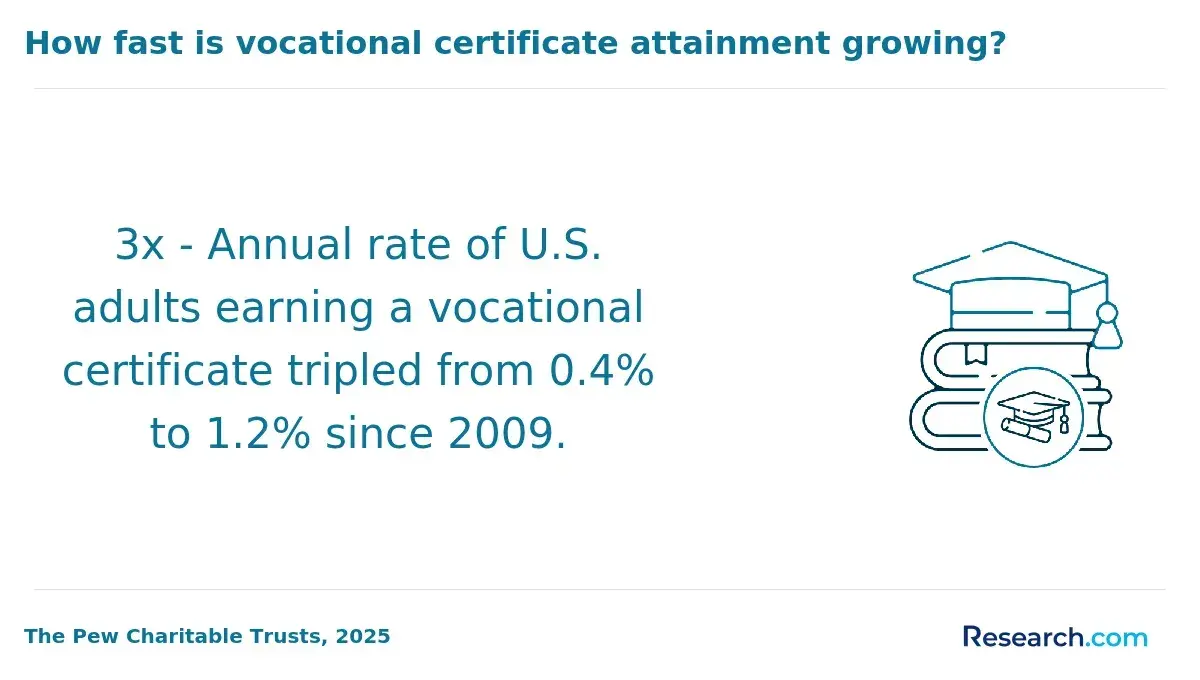
Online doctoral students may receive résumé and interview coaching, employer events, alumni networking, academic job-market preparation, internship assistance, or guidance on presenting research and applied projects.
Job-placement assistance means help pursuing work, not a job offer. Academic advising and dissertation supervision are valuable, but neither substitutes for field-specific career services.
Ask whether doctoral students can book individual appointments, whether appointments work across time zones, and whether the office supports your sector. For a clinical program, establish who locates and approves placements.
For a PhD, ask how faculty help students build a publication record, research network, or nonacademic job search. Treat vague claims such as "lifetime career support" cautiously until the school explains what services graduates can actually use.
The strongest outcome is a realistic move toward your specific goal, not the highest salary associated with an occupation. DNP and clinical psychology pathways warrant close attention when a particular role requires advanced clinical education and further credentials.
A research PhD may be valuable when original research is central to the job. Practice-oriented doctorates can support experienced professionals' advancement, but prior experience may account for much of that outcome.
Compare a doctorate with its closest alternative. An aspiring analyst may benefit more immediately from experience and certification than a cybersecurity doctorate; an aspiring administrator may need a state-approved credential rather than an unrelated EdD.
For each option, estimate total cost, available funding, earnings forgone during study, and the evidence that the credential changes your eligibility or opportunities. Do not treat employer demand for an occupation as proof that employers prefer doctoral graduates.
Requirements vary by credential and program. Applicants generally need at least a bachelor's degree; many practice doctorates require a relevant master's degree, professional experience, or an active license. Research PhDs may admit qualified bachelor's graduates but place substantial weight on research preparation and faculty fit.
Applications can include transcripts, recommendations, a statement of purpose, a writing or research sample, an interview, and program-specific prerequisites. Check the doctoral program's current policy for tests and minimum GPA rather than assuming a university-wide rule applies.
If you have not completed a bachelor's degree, that is normally your first step; comparisons of cheap online colleges concern that earlier stage, not direct doctoral admission. Applicants with graduate credits should request a program-level transfer evaluation. Having a master's degree does not automatically waive doctoral coursework, research, clinical work, or a culminating project.
Online doctorates often require several years, but an honest timeline depends on the entry pathway, enrollment intensity, course sequence, research progress, and clinical or project requirements.
A part-time professional doctorate may accommodate continued employment yet take longer; a research PhD can extend beyond coursework while the student completes candidacy, data collection, a dissertation, and a defense. Ask for the program's completion-time distribution, not only its fastest advertised schedule.
Compare total expected cost: doctoral tuition, mandatory and technology fees, required visits, travel, placement expenses, and time away from paid work. Also compare financing.
Some research PhDs offer assistantships, stipends, and tuition remission, but funding is not universal and may have conditions or an end date. Professional doctorates may rely more heavily on student payment or employer assistance. Request an individualized cost and funding estimate before accepting an offer.
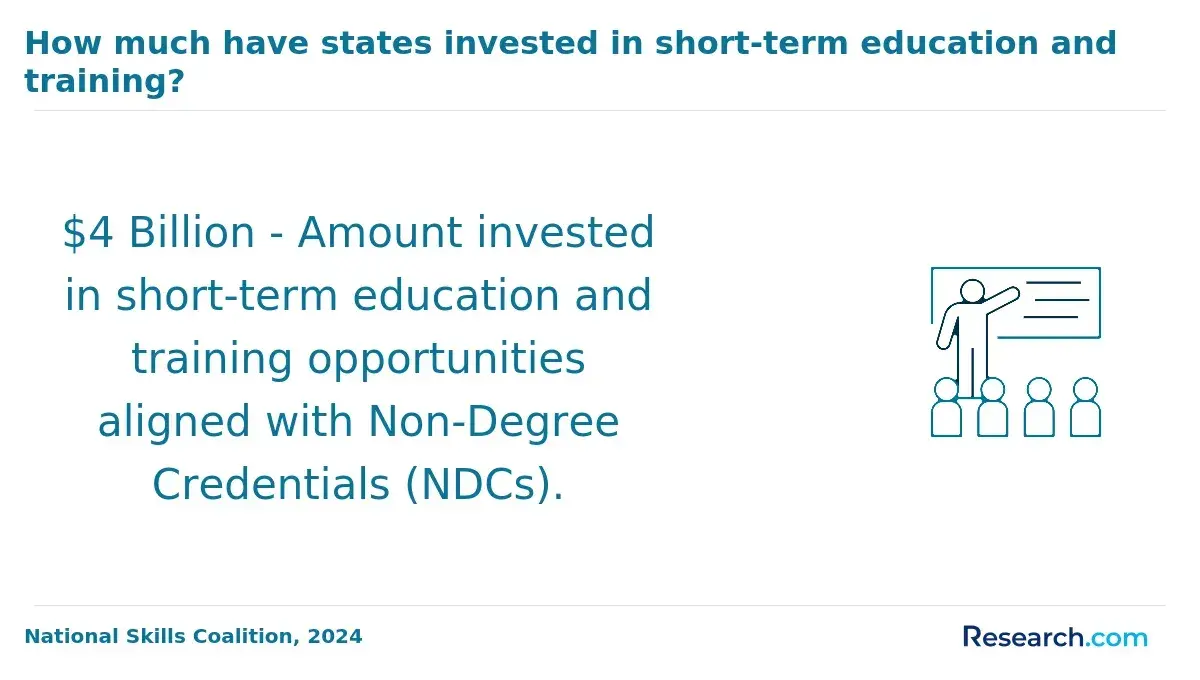
Doctoral study combines advanced subject knowledge with methods for evaluating or producing evidence. A PhD commonly adds original research, qualifying or comprehensive examinations, a dissertation proposal, and a defended dissertation.
Practice doctorates may instead culminate in an applied project, clinical project, or other substantial scholarly work. Clinical programs can also require supervised in-person experiences.
Online does not necessarily mean self-paced or fully remote. Scheduled seminars, adviser meetings, campus residencies, local clinical work, and defenses may still apply.
If scheduling freedom is decisive, comparisons of self paced online universities can help clarify the difference between asynchronous courses and learner-controlled pacing, but verify the format of the entire doctorate directly with the program.
Depending on their preparation and the job's requirements, graduates may pursue advanced nursing practice, psychology practice, research, postsecondary teaching, education administration, public health leadership, or senior organizational roles.
These are possible pathways, not positions awarded by the degree. Licensing, supervised practice, research publications, teaching experience, professional credentials, and years of relevant work may still matter.
If your target is an entry-level technology or business role, ask whether a doctorate is necessary at all. Relevant experience or certificates I can get online may offer a shorter route.
If your target is faculty work, ask a prospective adviser about research training, publications, teaching opportunities, and graduate destinations rather than relying on a general career-center description.
What salaries and job outlooks can online doctorate graduates expect?
BLS occupational data can provide context, but it does not measure what a particular doctorate's graduates earn. For example, BLS reports a 2024 median annual wage of $124,910 for information security analysts.
That figure covers workers in the occupation across education levels; it is not a predicted salary for cybersecurity doctorate holders. BLS projects substantial growth for the occupation, but experience and technical skills remain important hiring factors.
Use occupational wages and outlook alongside program-specific evidence: graduates' prior careers, reported employment sectors, debt, funding, and time to completion. Ask schools for outcomes that distinguish recent entrants from established professionals.
Be skeptical of a placement percentage without its denominator or of a salary figure that mixes doctoral graduates with the university's other students.
Other Things You Should Know About PhD Programs
No. Career coaching, employer introductions, and placement assistance can strengthen a job search, but they do not guarantee employment. Request doctoral-program outcomes and ask how the school defines "placed."
Sometimes, but do not infer that from "online." Confirm residencies, clinical placements, laboratories, exams, and defenses with the program before enrolling.
A research-focused PhD is usually the more direct preparation for original research. A professional doctorate may fit an experienced practitioner applying research at work; compare the actual curriculum and graduate outcomes.
It may be if it meets a specific research, practice, licensing, or advancement goal that your master's degree cannot. Compare that benefit with program cost, funding, time, and the option of gaining more experience instead.
- Types of Financial Aid: Grants, Work-Study, and Loans | studentaid.gov https://studentaid.gov/understand-aid/types
- Cost of Attendance (Budget) | 2025-2026 Federal Student Aid Handbook https://fsapartners.ed.gov/knowledge-center/fsa-handbook/2025-2026/vol3/ch2-cost-attendance-budget
- Graduate Outcomes Dashboard | University of South Dakota https://www.usd.edu/About/Departments-Offices-and-Resources/Institutional-Research-Planning-and-Assessment/Graduate-Outcomes-Dashboard
- Licensure Disclosure Information and FAQs | nmsu.edu https://nmsu.edu/academics/licensure-faq.html
- Graduate Career Outcomes | Graduate School https://gradschool.missouri.edu/about/student-data/career-outcomes/
- Career Services | CSU - California State University https://www.calstate.edu/attend/student-services/career-services
- Graduate Outcomes - Job Market https://www.naceweb.org/job-market/graduate-outcomes