2027 Best PhD Programs With Credit for Life Experience

Co-Founder and Chief Data Scientist
Can years of professional experience shorten a PhD? Sometimes relevant graduate study can, but experience alone rarely replaces doctoral coursework or original research. The distinction matters: the National Science Foundation's Survey of Earned Doctorates counted 57,862 research doctorate recipients at U.S. institutions in 2023, underscoring how substantial this educational pathway is.
This guide helps experienced professionals distinguish genuine doctoral credit from admissions advantages, compare PhD fields, and get a written credit evaluation before committing time or money.
Key Things You Should Know
- No PhD program should be treated as offering life-experience credit without a published doctoral-level policy and confirmation that awarded credit applies to that specific degree.
- Relevant graduate coursework may replace approved classes; professional experience more commonly strengthens an application or research proposal than earns credits.
- Even with accepted credit, expect to complete the program's required research, candidacy, dissertation, and defense; compare remaining requirements and funding, not advertised shortcuts.
Top 10 Best PhD Programs With Credit for Life Experience - Top PhD Programs
Business / DBA Programs
A PhD in business is generally a research degree suited to studying management, organizations, or markets. Leadership experience may help an applicant develop research questions, but it is not evidence of doctoral credit. Ask whether previous graduate methods courses can satisfy PhD requirements. A Doctor of Business Administration (DBA) is a separate, often practice-oriented credential; do not choose a DBA listing as proof that a business PhD awards credit for experience.
Education / EdD Programs
Education PhD applicants may bring teaching, policy, or curriculum experience that informs original research. An EdD is a different degree, often organized around applied educational problems. For either path, request a program-specific review of previous graduate coursework rather than assuming classroom experience earns credits. Check whether research methods, candidacy, and dissertation requirements remain after any approved transfer.
Educational Leadership Programs
School and district leadership can help shape a PhD research agenda, but administrative service does not automatically satisfy doctoral courses. Compare faculty expertise in the leadership issue you want to investigate and ask whether a relevant graduate research course is eligible for transfer. If your primary goal is a school leadership credential, check state certification rules separately; a PhD alone may not meet them.
Psychology Programs
A psychology PhD may emphasize laboratory or clinical research, depending on the program. Counseling or human-services employment is useful preparation but should not be mistaken for transferable doctoral credit or supervised clinical hours. For a clinical pathway, verify the program's accreditation, practicum expectations, internship arrangements, and the licensing rules of the state where you intend to practice.
Nursing / DNP Programs
A nursing PhD prepares students for research; a Doctor of Nursing Practice (DNP) is a separate practice-oriented degree. Clinical experience and a prior nursing master's may affect eligibility or a school's prescribed entry pathway, but neither guarantees PhD credit. Compare the remaining research curriculum and dissertation requirements. Nursing licensure and advanced-practice authorization are separate questions governed by applicable state rules.
Public Health Programs
A public health PhD is a strong fit for applicants seeking to investigate population health through original research. Agency or community-health experience can sharpen a proposed topic; it does not establish credit eligibility. Ask whether prior graduate biostatistics or epidemiology courses satisfy specific requirements. A Doctor of Public Health (DrPH) is a distinct credential, generally more oriented toward public health practice and leadership.
Computer Science Programs
Industry software or AI experience can help demonstrate technical preparation, but a computer science PhD still depends on research fit and original contributions. Some departments may evaluate previous graduate computing courses; confirm whether they replace required doctoral coursework or count only as background preparation. Compare potential advisers, available research groups, funding, and expectations for in-person collaboration before prioritizing transfer credit.
Cybersecurity Programs
Cybersecurity experience and certifications may support a research proposal in security, privacy, or resilient systems. They should not be assumed to earn doctoral credit. Check whether the award is actually a PhD, whether faculty study your intended topic, and whether prior graduate technical courses can meet its requirements. Certifications may serve an employment goal more directly than a research doctorate.
Social Work / Human Services Programs
Practice experience can reveal important research questions for a social work or human-services PhD. It does not automatically replace graduate research training. A Doctor of Social Work (DSW) is a different credential and should not be counted as a PhD option. If your goal is clinical practice, verify state licensing requirements; if it is research, prioritize adviser fit and dissertation preparation.
Public Administration / Public Policy Programs
Government or nonprofit experience can provide context for a public policy or administration PhD dissertation. Ask whether previous graduate statistics, economics, or policy courses can satisfy named doctoral requirements; job tenure alone is not proof of credit. A Doctor of Public Administration (DPA) is a separate credential. Choose a PhD when the program's research training and faculty expertise fit the questions you intend to study.
What Is Credit for Life Experience in PhD Programs?
Credit for life experience means academic credit formally awarded for learning demonstrated outside conventional coursework. At the PhD level, the crucial question is not whether a university recognizes prior learning somewhere, but whether its doctoral program awards it toward specific degree requirements. An employer résumé, professional license, or years of service does not, by itself, establish doctoral-level equivalence.
If you have substantial experience but have not completed a bachelor's degree, the educational sequence is different: you generally need that degree before applying for a PhD. An accelerated bachelor's degree may be worth exploring, but undergraduate credit does not ordinarily become PhD credit.
There is no reliable universal list of PhD programs that award credit simply for work or life experience. A program belongs on your shortlist only after its official doctoral policy confirms what is evaluated and how any award applies to the PhD. Without that verification, describing a school as a life-experience-credit PhD option would be misleading.
The categories below help separate an admissions benefit from an actual reduction in degree requirements.
| Prior learning | Possible doctoral relevance | What needs confirmation |
| Previous graduate coursework | May replace approved courses | Course equivalency, credit limit, and degree application |
| Professional or military experience | May strengthen an application or research topic | Explicit doctoral policy before claiming academic credit |
| License, certification, or employer training | May establish preparation | Whether the program awards doctoral credit, rather than admission consideration |
If advancement at work is the main goal, compare the doctorate with online certification programs before assuming a research degree is necessary.
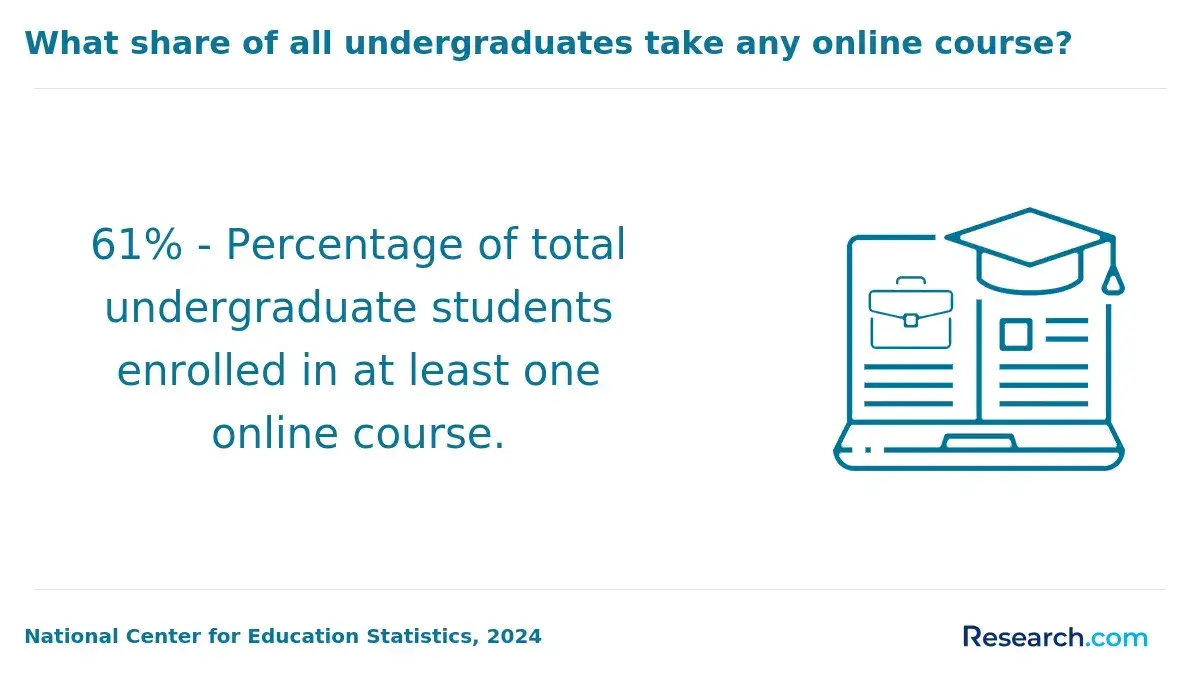
There is no standard amount of PhD credit available for life experience. Limits, when published, can apply to graduate transfer coursework without extending to experiential learning. Even an institution's acceptance of a course does not mean the PhD department will apply it to the degree.
Request a written evaluation identifying each accepted course, the doctoral requirement it replaces, residency-credit rules, and what remains. Ask separately whether candidacy, dissertation research, and the defense must be completed within the program; do not assume prior work waives them.
A credible PhD should come from an institution accredited by an accreditor recognized by the U.S. Department of Education. Institutional accreditation is necessary to check, but it does not verify a claimed life-experience-credit policy. Review the official graduate catalog and obtain confirmation from the department responsible for the PhD.
For fields tied to licensure, also check applicable programmatic accreditation and state board rules. Be wary of offers to award a PhD principally for a résumé, portfolio, or payment without substantial doctoral study and original research.
PhD admission normally requires at least a bachelor's degree; some programs require or prefer a relevant master's. Departments may also evaluate grades, prerequisite coursework, research preparation, a writing sample, a statement of purpose, recommendations, and fit with available faculty. Experience can make an application stronger without meeting a missing academic prerequisite or creating transferable credit.
Ask admissions whether you should contact a potential adviser, which previous graduate courses are eligible for review, and when the department makes a binding decision about their application to the degree.
Online delivery can reduce travel, but it does not change the standard for awarding doctoral credit. Course format also tells you little about required research meetings, campus visits, laboratory access, examinations, or a defense.
This comparison shows which format questions matter when your goal is to use eligible prior graduate study without overlooking remaining obligations.
| Format | Potential advantage | Requirement to verify |
| Online | Less routine travel | Scheduled meetings, visits, and research access |
| Hybrid | Remote study with planned campus activity | Visit frequency and travel costs |
| Campus-based | Direct access to faculty and facilities | Residency and enrollment expectations |
If you are still completing an earlier degree, online colleges no application fee addresses a different, undergraduate-level comparison; it is not evidence of a PhD admissions or credit policy.
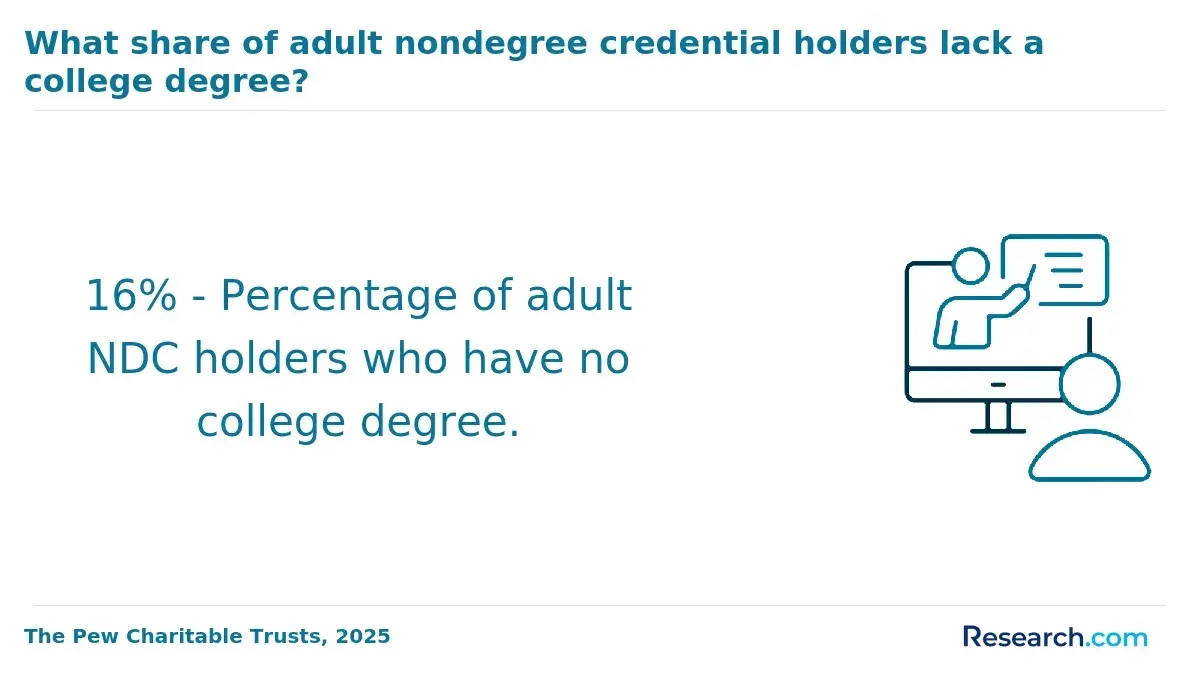
Accepted coursework might reduce classes and tuition, but PhD completion also depends on qualifying exams, candidacy, research approvals, data collection, adviser availability, the dissertation, and its defense. Ask for the department's actual time-to-degree information rather than calculating a finish date from transferred credits alone.
Compare the following cost components in a written estimate for your own entry pathway. A low tuition quote can be outweighed by fees, travel, or limited funding.
| Cost component | Why it matters |
| Remaining tuition and mandatory fees | Depends on approved credits and enrollment requirements |
| Funding package | Tuition remission, stipend, duration, and conditions vary |
| Research and attendance costs | Travel, equipment, and residency needs can add expense |
| Foregone earnings | Full-time research expectations may limit paid work |
Compare a funded offer with a tuition-paying offer on total expected cost. Do not assume every PhD is funded or that a funded offer covers every year needed to finish.
A PhD can prepare students for research roles in universities, government, nonprofits, and industry, but it does not guarantee a faculty appointment or promotion. For context, the U.S. Bureau of Labor Statistics reports a 2024 median annual wage of $83,980 for postsecondary teachers. That is an occupational figure, not the expected salary of a new PhD recipient, and positions differ substantially in duties and qualifications.
If income rather than research is your primary objective, compare the full cost and opportunity cost of a PhD with professional experience, a master's degree, or the fields covered in best degrees to make money. The best choice depends on the role you want, not an occupational median alone.
How Can You Evaluate a Reputable PhD Program With Life Experience Credit?
Start with the doctoral program's official catalog, not a university-wide undergraduate prior-learning page. Then request a written decision from the department before accepting an offer. These checks establish whether the promised benefit is real and worthwhile:
- Confirm the award is a PhD and identify the official doctoral policy for experiential credit or graduate transfer.
- Submit transcripts and any permitted evidence; request a requirement-by-requirement evaluation in writing.
- Compare remaining research, candidacy, dissertation, residency, and defense obligations with your intended schedule.
- Verify accreditation, faculty fit, total cost, funding duration, and any licensure implications for your goal.
A major red flag is a school that promises a PhD for experience alone but cannot identify the doctoral requirements your learning replaces. If no program can document experiential credit, choose among reputable PhDs on research fit, funding, and verified graduate transfer options instead.
Other Things You Should Know About
A reputable research PhD requires doctoral study and original research. Treat claims that a résumé alone earns the degree as a red flag.
No. The department must determine whether particular graduate courses meet its requirements; research and dissertation obligations generally remain.
Do not assume so. Ask for an explicit doctoral-level policy stating which credentials are evaluated and what degree requirements any award satisfies.
Request a written credit evaluation, a list of remaining doctoral requirements, funding terms, and an explanation of any campus or research commitments.
- An Overview of Accreditation of Higher Education in the United States | Congress.gov | Library of Congress https://www.congress.gov/crs-product/R43826
- Rule 3358:5-7-12 | Prior learning assessment policy. https://codes.ohio.gov/ohio-administrative-code/rule-3358:5-7-12
- Credit for Prior Learning - Ohio Department of Higher Education https://highered.ohio.gov/initiatives/access-acceleration/credit-for-prior-learning
- Eligibility Requirements | Federal Student Aid https://studentaid.gov/understand-aid/eligibility/requirements
- School-Determined Requirements | 2024-2025 Federal Student Aid Handbook https://fsapartners.ed.gov/knowledge-center/fsa-handbook/2024-2025/vol1/ch1-school-determined-requirements
- Accreditation in the U.S. | ed.gov http://www.ed.gov/laws-and-policy/higher-education-laws-and-policy/college-accreditation/accreditation-in-the-us
- Credit for Prior Learning | nunez.edu https://www.nunez.edu/admissions/credit-for-prior-learning
- UNC Charlotte Academic Policy: Ed.D. Degree Requirements https://provost.charlotte.edu/policies-procedures/academic-policies-and-procedures/edd-degree-requirements/
- Credit for Prior Learning (CPL) | LAPC https://www.lapc.edu/academic-resources/cpl
- Credit for Prior Learning (CPL) Glossary | NCCCS https://www.nccommunitycolleges.edu/credit-for-prior-learning-glossary/